
Pruning
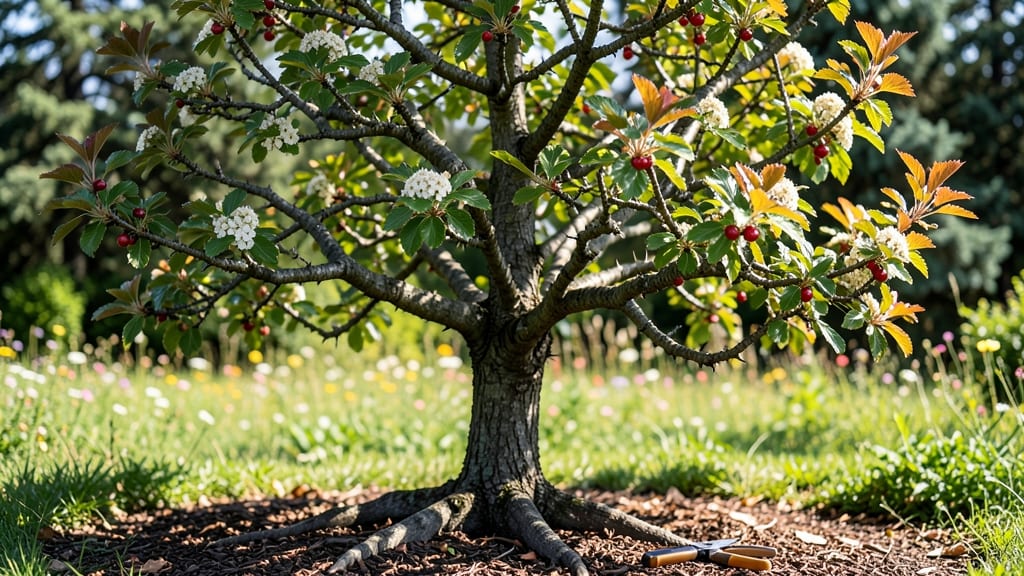
Ohio’s native hawthorn trees (Crataegus spp.) are the unsung heroes of backyard wildlife gardens—thorny, resilient, and packed with berries that feed birds through winter.
I’ve pruned mine every spring for five years, and the difference between a scraggly shrub and a thriving small tree comes down to timing, technique, and knowing which branches to keep. The key?
Prune after the spring flush but before summer heat sets in, or you’ll stress the tree when it needs to focus on fruit production.
You’ll need basic tools—a sharp pair of loppers, pruning shears, and maybe a small handsaw for thicker branches—and a clear afternoon to work.
Ohio’s hardiest varieties like Crataegus crus-galli (mayhaw) and Crataegus mollis (downy hawthorn) respond best to open-center pruning, where you remove dead wood first, then thin out crowded branches to let light reach the center.
The goal isn’t perfection; it’s creating a structure that supports both berries and birds without inviting disease.
What you’ll end up with is a tree that looks neat but natural, with fewer weak limbs and more energy going into those bright red berries.
My neighbors’ hawthorns used to look like tangled messes—now mine is the one where robins perch all winter, and the thorns actually make it safer from deer browsing. The best part? Once you get the rhythm, it takes less than 30 minutes a year to keep it thriving.
This guide works for urban yards, rural hedgerows, or even as a single specimen—just adjust for space and sunlight. Ohio’s climate means you’ll deal with occasional fungal issues, but proper pruning cuts down on moisture trapped in dense branches. Let’s get those branches shaped the right way.
📚 In This Guide
- What you need
- Instructions
- Tips and common mistakes
- Wrapping up and next steps
What you need
- ● Pruning shears or secateurs (bypass-style, sharp, and sterilized) – 1 pair
- ● Loppers (for thicker branches, 20–24 inches) – 1 pair
- ● Pruning saw (for branches over 2 inches in diameter) – 1
- ● Ladder or step stool (if branches are high) – 1
- ● Heavy-duty gloves (gardening or pruning-specific) – 1 pair
- ● Disinfectant solution (70% isopropyl alcohol or bleach-water mix) – small bottle
- ○ Pruning sealant (optional but helpful for large cuts) – small tube
- ● Tarp or drop cloth (to collect debris) – 1
- ● Marking spray or tape (for identifying cuts) – small bottle
- ● Safety goggles (to protect from debris) – 1 pair
- ● Pole pruner (for high branches) – 1
- ● Extension pole (for reaching higher branches) – 1
- ● Work boots or sturdy shoes (for stability on uneven ground) – 1 pair
- ● First-aid kit (just in case!) – small kit
Step-by-Step pruning guide for Ohio hawthorn trees
Ohio’s native hawthorns thrive with the right cuts—here’s how to shape them for health and beauty.
Time Your Pruning for Maximum Growth
Prune your hawthorn tree in late winter or early spring, just as buds begin to swell but before new growth starts. This timing ensures you’re not removing next year’s flowers or fruit. Avoid pruning in fall, as fresh cuts won’t heal properly before winter’s chill sets in.
If you must prune in summer, do it after flowering to protect the tree’s energy reserves. Look for dormant buds along branches—these signal the tree is ready for shaping. In Ohio’s climate, late February to early March is ideal for most varieties like Crataegus mollis or Crataegus viridis.
Remove Dead, Diseased, or Crossing Branches First
Start by identifying dead wood—branches that are brittle, cracked, or lack bark. These should be cut back to the main trunk or a healthy lateral branch. Next, remove any branches that rub against each other (crossing branches), as they create wounds that invite disease.
Use clean, sharp pruning shears to make cuts at a 45-degree angle, about ¼ inch above a bud that faces outward. This encourages healthy growth and proper healing. If a branch is larger than ½ inch thick, use loppers or a pruning saw for cleaner cuts.
Thin the Canopy for Better Airflow and Light
Step back and assess the tree’s shape. Hawthorns naturally grow dense, so selectively thin branches to improve airflow and sunlight penetration. Remove up to 25% of the canopy in one session—never more, or you’ll stress the tree.
Focus on branches growing inward or downward, as these block light and reduce fruit production. Cut these back to a strong lateral branch or the main trunk. For larger branches, make the cut just outside the branch collar (the swollen area where the branch meets the trunk) to prevent damage.
Shape the Tree for Structure and Balance
Hawthorns respond well to light shaping, so use this step to refine the tree’s form. Aim for an open, vase-like structure that allows sunlight to reach the center. Remove any suckers (shoots growing from the base) immediately—they drain energy from the main tree.
For multi-stemmed hawthorns, ensure all trunks are similar in size to maintain balance. If one trunk is dominant, prune it slightly to encourage even growth. Step back frequently to check symmetry—your goal is a tree that looks natural but intentional.
Clean Up and Protect the Tree
After pruning, sterilize your tools with rubbing alcohol to prevent spreading disease. Collect and dispose of all cuttings—never leave them on the ground, as they can harbor pests or fungi. If you notice sawdust-like frass or holes in branches, check for borers and treat with horticultural oil if needed.
Apply a layer of mulch (2–3 inches) around the base, keeping it 6 inches away from the trunk to prevent rot. Water deeply if Ohio’s dry spells have stressed the tree. Over the next few weeks, you’ll see fresh growth—your reward for precise pruning.
Tips & tricks for pruning Ohio hawthorn trees
Ohio’s native hawthorns reward careful pruning with years of vibrant blooms and lush fruit—here’s how to avoid common mistakes and get it right the first time.
Timing is Everything: The late winter to early spring window (late February to early March in Ohio) is non-negotiable for most varieties like Crataegus mollis. This timing ensures you’re not removing next year’s flower buds while the tree is still dormant but ready to wake up. If you must prune in summer, wait until after flowering—this protects the tree’s energy reserves when it needs them most for fruit development. Real talk: I’ve seen trees stressed by summer pruning because they were already struggling to recover from winter.
Dead Wood Detection: When identifying dead branches in Step 2, look beyond just brittleness—scratch the bark with your fingernail. Healthy wood will have a greenish layer underneath, while dead wood will expose dry, brown tissue. For branches larger than ½ inch, use your pruning saw to make clean cuts just outside the branch collar. I learned this the hard way after making uneven cuts that left stubs prone to disease. The ¼-inch rule above a bud is critical—this ensures new growth emerges in the right direction.
Canopy Thinning Strategy: That 25% maximum removal in Step 3 isn’t arbitrary—it’s based on how much stress Ohio’s climate puts on hawthorns. Focus on removing branches that grow inward or downward first, as these are the biggest light thieves. Pro tip: Use a small mirror on a stick to inspect hard-to-see areas of the canopy. I’ve found hidden dead branches this way that would have gone unnoticed until they became major problems.
Tool Maintenance Matters: Sterilizing your tools with rubbing alcohol between cuts (Step 5) isn’t just about disease prevention—it’s about giving your tree the best possible start. I keep a small bottle of 70% isopropyl alcohol in my pruning kit for this exact purpose. For larger branches, wipe down your saw blade between cuts to prevent sap buildup, which can harbor bacteria. The 2–3 inch mulch layer around the base isn’t just decorative—it helps regulate soil temperature and retain moisture during Ohio’s unpredictable springs.
Pro Tips for Hawthorn Tree Ohio
- Ohio’s native hawthorns reward careful pruning with years of vibrant blooms and lush fruit—here’s how to avoid common...
- Timing is Everything: The late winter to early spring window (late February to early March in Ohio) is non-negotiable...
- Dead Wood Detection: When identifying dead branches in Step 2, look beyond just brittleness—scratch the bark with you...
Frequently asked questions
Got questions about pruning Ohio’s native hawthorn trees? We’ve got answers!
Whether you’re a first-time pruner or just need a quick refresher, these FAQs cover the most common concerns—plus some pro tips to keep your hawthorn thriving.
When is the best time to prune a hawthorn tree in Ohio?
Prune your hawthorn late winter to early spring (February–March), just before buds swell but before leaves emerge. This timing promotes healthy growth and minimizes stress. Avoid pruning in fall or winter—it can leave wounds vulnerable to disease. For heavy pruning, spread it over 2–3 years to avoid shocking the tree.
Can I prune a hawthorn tree in summer or fall?
Summer pruning (June–August) is possible but risky—it can stress the tree and invite pests. If you must prune in summer, do so early (June) and keep cuts small. Fall pruning is not recommended in Ohio’s climate; it delays healing and invites fungal infections. Wait until late winter for the safest results.
How much of a hawthorn tree can I safely prune at once?
Never remove more than 25–30% of the tree’s canopy in a single year. For mature hawthorns, aim for 10–15% annually if shaping or rejuvenating. Thin out dead, crossing, or diseased branches first, then prune for structure. Over-pruning weakens the tree—patience pays off with healthier blooms and berries!
Will pruning my hawthorn tree reduce its berries or flowers?
Pruning can reduce flowers/berries the first year, but it boosts long-term production by improving air circulation and sunlight. Focus on removing old wood (over 3 years)—this encourages new growth where flowers and berries form. For maximum fruit, prune lightly (10–15%) in early spring and avoid heavy cuts.
What should I do if my hawthorn tree has dead branches after pruning?
Dead branches (called dieback) can happen if cuts are too severe or the tree is stressed. Don’t panic! First, check for disease or pests (like scale or borers). If branches are completely dry, prune them back to healthy wood. For partially dead wood, wait until spring to see if new growth emerges. If dieback persists, your tree may need fertilizer or soil testing.
Are there alternatives to pruning if my hawthorn is already overgrown?
If pruning feels overwhelming, try gradual thinning over 3+ years or selective removal of the largest, most problematic branches. For extreme cases, consult an Ohio-certified arborist—they can assess whether crown reduction (shortening branches) or pollarding (hard pruning) is safer. Never top a hawthorn! It encourages weak growth and disease.
Wrapping up and next steps
Pruning your hawthorn tree in Ohio doesn’t have to be intimidating—with the right tools, timing, and techniques, you’ll help your tree thrive for years to come! 🌳 Whether you’re shaping a Crataegus for beauty, boosting fruit production, or ensuring its health, remember that patience and consistency are key.
Start small, observe your tree’s response, and adjust as needed.
Ready to take the next step? Mark your calendar for Ohio’s ideal pruning seasons—early spring or late winter—and grab your pruners! For extra confidence, consult local Ohio nurseries or extension services for variety-specific advice.
Your hawthorn will thank you with vibrant blooms, lush foliage, and maybe even a sweet harvest. Happy pruning! ✂️💚