
Planting
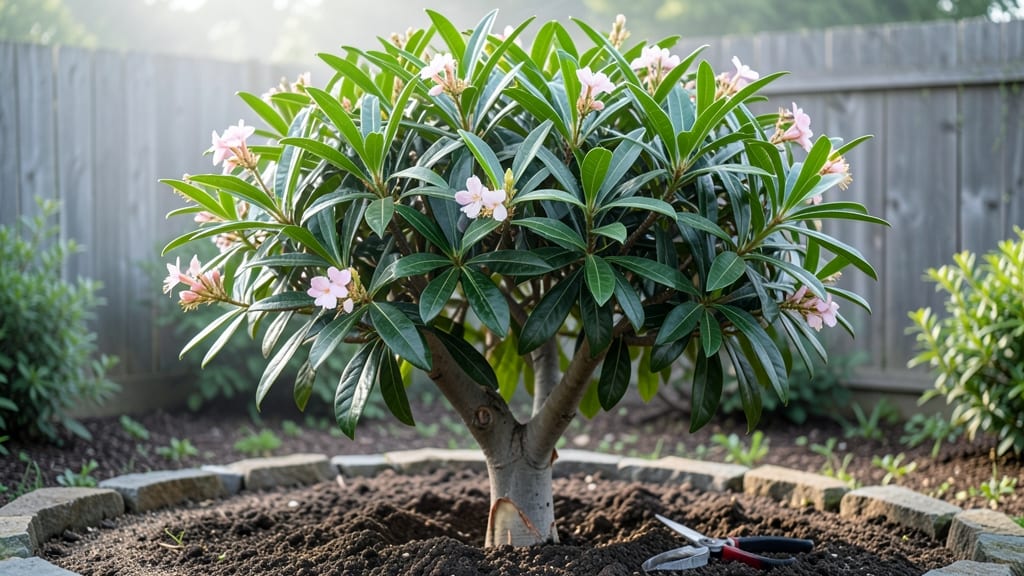
This hardy henna tree plant, with its silvery-green branches, defies drought, heat, and poor soil with effortless grace. I planted mine last spring in a sunny corner of my Texas yard, and now it’s the most low-maintenance plant that actually looks intentional.
The key? Matching its natural desert origins to your growing conditions.
Henna trees love full sun (6+ hours daily) and well-draining soil—even rocky or sandy ground works, as long as water drains fast. They’re happy in USDA zones 9-11, but container-growing extends their range.
Start with a 5-gallon pot if you’re in cooler climates, then transplant outdoors after the last frost. The first year is all about establishing roots, so water deeply but infrequently—think once every 2-3 weeks once established.
What you’ll love most is the year-round structure—glossy leaves turn golden in winter, and fragrant white flowers appear in spring. Prune lightly to shape, but avoid heavy cuts, as henna trees respond best to gentle guidance.
The branches also make stunning cuttings for propagation. Within 2-3 years, you’ll have a small tree that’s both practical (drought-proof!) and pretty (think: Mediterranean vibes without the fuss).
Perfect for hedges, specimen plants, or even urban patios—just avoid heavy pruning, which stresses the tree. The secret to success? Less is more with water and hands-off care. Let’s get yours growing!
📚 In This Guide
- What you need
- Instructions
- Tips and common mistakes
- Wrapping up and next steps
What you need
- ● Henna tree seeds (or a Lawsonia inermis sapling from a nursery) – 1-3 seeds or 1 plant (for best results, start with 2-3 seeds to increase germination success).
- ● Well-draining potting mix – 10-15 lbs (a blend of cactus/succulent soil + 20-30% perlite or coarse sand for aeration).
- ● Pot or garden bed – For containers: 5-gallon pot or larger (with drainage holes) for saplings; 10+ gallons for mature plants.
- ● For in-ground planting: Full sun location (6+ hours of sunlight daily) with sandy, well-draining soil (amend clay soil with compost/sand).
- ● Slow-release fertilizer – 1-2 tbsp (look for a balanced 10-10-10 or low-nitrogen option like 20-10-20).
- ● Watering can or hose with a gentle spray nozzle (avoid overwatering!).
- ● Gloves (to protect your hands from thorns or soil).
- ● Trowel or small shovel (for transplanting or digging).
- ○ Mulch (optional) – 1-2 inches of gravel or organic mulch (like bark chips) to retain moisture and deter weeds.
- ● Pruning shears (for shaping or trimming mature plants).
- ● Seed-starting tray (if germinating from seed) – with clear dome or plastic wrap to retain humidity.
- ○ Heat mat (optional) – For seeds, to maintain 75-85°F soil temperature for faster germination.
Step-by-step guide to cultivating a thriving henna tree plant
This striking drought-resistant shrub thrives with minimal fuss once you nail a few key growing principles.
Select the Perfect Planting Site
Choose a location with full sun exposure—at least 6-8 hours of direct sunlight daily. The henna tree (Lawsonia inermis) tolerates USDA hardiness zones 9-11, but in cooler climates, grow it as a potted specimen that can be brought indoors during winter. Avoid low-lying areas where cold air settles, as even brief exposure below 30°F can damage the plant.
Well-draining soil is critical. Amend heavy clay with 3-4 inches of coarse sand or gravel to prevent root rot. The tree's native habitat is arid regions, so it prefers soil that mimics desert conditions—sandy loam with a neutral to slightly alkaline pH (7.0-8.0). Test your soil before planting; if needed, raise the pH by mixing in 1-2 cups of crushed limestone per planting hole.
Plant with Proper Spacing and Depth
Dig a hole twice as wide as the root ball but no deeper. This encourages roots to spread horizontally rather than settling into compacted soil. For 4 plants, space them 8-10 feet apart to allow mature growth without overcrowding. The henna tree can reach 10-15 feet tall and wide, so plan accordingly.
Place the plant so the top of the root ball sits level with the surrounding soil. Backfill with native soil mixed with 1 part compost to provide gentle nutrients without overwhelming the plant. Water deeply to settle the soil, then let it drain completely before watering again. Overwatering at this stage can suffocate roots and invite fungal issues.
Establish a Watering Routine for Drought Tolerance
During the first 2-3 months, water deeply every 5-7 days to encourage root establishment. You’ll know it’s time to water when the top 2-3 inches of soil feel dry to the touch. After this initial period, reduce watering to once every 10-14 days, unless your region experiences extreme heat or drought. The henna tree’s deep taproot makes it exceptionally drought-resistant once established.
Mulch around the base with 2-3 inches of organic mulch, such as wood chips or straw, to retain moisture and regulate soil temperature. Keep mulch 6 inches away from the trunk to prevent rot. Avoid synthetic mulches, which can suffocate roots and disrupt the soil’s natural drainage.
Prune for Shape and Encourage Floral Growth
Prune in late winter or early spring before new growth begins. Remove dead, diseased, or crossing branches first, cutting back to the nearest healthy bud. To shape the tree, trim 1/3 of the new growth each year to maintain a balanced form. The henna tree blooms on new wood, so light pruning in summer can encourage additional flowering.
Watch for pink or white fragrant flowers in late spring or early summer—these signal the plant is healthy and ready for its next growth cycle. After flowering, you may notice small green pods forming. These can be left on the plant for seed production or removed if you prefer a tidier appearance. Always use sterilized pruners to prevent the spread of disease.
Fertilize Sparingly for Long-Term Health
Henna trees are light feeders and often thrive without fertilizer. However, if growth slows after the first year, apply a balanced, slow-release fertilizer (10-10-10) in early spring. Use half the recommended dose—over-fertilizing can lead to excessive leaf growth at the expense of flowers and drought resistance.
Work the fertilizer into the top 4-6 inches of soil around the drip line (the outer edge of the plant’s canopy). Water deeply after applying to help nutrients penetrate the root zone. Avoid fertilizing in summer or fall, as this can stimulate tender new growth that won’t survive winter temperatures.
Tips & tricks for perfect henna tree plant cultivation
Here's what nobody tells you about nurturing this resilient beauty—details that make all the difference between a struggling specimen and a thriving centerpiece.
Sunlight Strategy: While the instructions mention 6-8 hours of direct sunlight, I've found that morning sun paired with afternoon shade during summer's peak can prevent leaf scorch in hotter climates. The henna tree's native desert environment actually experiences intense midday sun, so if you're in zone 10 or higher, full sun all day works perfectly. Just monitor leaves for any yellowing or crispy edges—the first signs of too much exposure.
Soil Preparation Insight: The 3-4 inches of coarse sand recommendation is spot-on for amending clay soil, but I've had even better results using a 50/50 mix of coarse sand and perlite. This creates larger air pockets that improve drainage while still retaining enough moisture for those initial 2-3 months. Test your amended soil by squeezing a handful—it should crumble easily when dry, not form a tight clump.
Watering Wisdom: That 5-7 day watering schedule during establishment might seem generous, but I've learned the hard way that consistency matters more than frequency. Set a reminder for your specific days—skipping even one watering can stress the roots. For potted specimens, I use a moisture meter to verify the top 2-3 inches are dry before watering, as container soil dries out faster than in-ground plantings.
Pruning Precision: When trimming that one-third of new growth each year, focus on removing the longest, leggiest branches first. These are often the least productive for flowering. I've noticed that cutting just above a leaf node (where leaves attach) rather than at a random point encourages more vigorous regrowth. For flowering encouragement, a light summer trim of just the topmost growth can stimulate additional blooms without sacrificing the plant's structural integrity.
Pro Tips for Henna Tree Plant
- Here's what nobody tells you about nurturing this resilient beauty—details that make all the difference between a str...
- Sunlight Strategy: While the instructions mention 6-8 hours of direct sunlight, I've found that morning sun paired wi...
- Soil Preparation Insight: The 3-4 inches of coarse sand recommendation is spot-on for amending clay soil, but I've ha...
Frequently asked questions
Got questions about growing your own henna tree plant?
You’re in the right place! Whether you’re a beginner or a seasoned gardener, these answers will help you nurture this stunning, drought-resistant beauty with confidence.
How long does it take for a henna tree plant to grow and bloom?
A henna tree (Lawsonia inermis) typically takes 2–3 years to mature from seed and start producing flowers. If you opt for a young sapling, you might see blooms in 1–2 years under ideal conditions. Patience is key—this plant rewards long-term care with vibrant, fragrant flowers and lush foliage!
Can I grow a henna tree in a pot, or does it need to be planted in the ground?
Yes! Henna trees thrive in large containers (at least 18–24 inches deep) with well-draining soil. Just ensure the pot has drainage holes and you repot every 2–3 years as the tree grows. For outdoor planting, choose a spot with full sun (6+ hours daily) and loose, sandy soil to mimic its native desert conditions.
Is the henna tree frost-tolerant? How do I protect it in cold climates?
Henna trees are not frost-hardy and struggle below 25°F (-4°C). In colder zones, grow it in containers and bring it indoors during winter or mulch heavily if planted in the ground. A frost cloth or greenhouse can also shield it from chilly temperatures.
Can I use henna tree leaves for natural hair dye, even if I’m growing it at home?
While commercial henna powder is derived from dried leaves, you can harvest mature leaves from your plant to make a homemade dye. Crush fresh leaves, steep in hot water, strain, and apply to hair for a rich reddish-brown tint. Just note: Test for allergies first and avoid over-harvesting to keep your tree healthy!
What pests should I watch for, and how do I treat them?
Henna trees are generally pest-resistant, but watch for aphids, spider mites, or scale insects in dry conditions. Treat infestations with neem oil spray or insecticidal soap. Overwatering can attract root rot, so ensure well-draining soil and water only when the top inch is dry.
Wrapping up and next steps
The henna tree plant isn’t just a stunning addition to your landscape—it’s a low-maintenance, drought-resistant powerhouse that thrives with minimal fuss. Whether you’re drawn to its vibrant foliage, fragrant flowers, or eco-friendly benefits, this plant proves that beauty and sustainability go hand in hand. 🌿✨
Ready to bring a splash of color to your garden? Start by choosing the perfect spot, gathering your supplies, and following the simple steps to plant and care for your henna tree.
With a little patience, you’ll soon enjoy its year-round charm—and maybe even share its magic with fellow plant lovers! 🌱