
Blooming
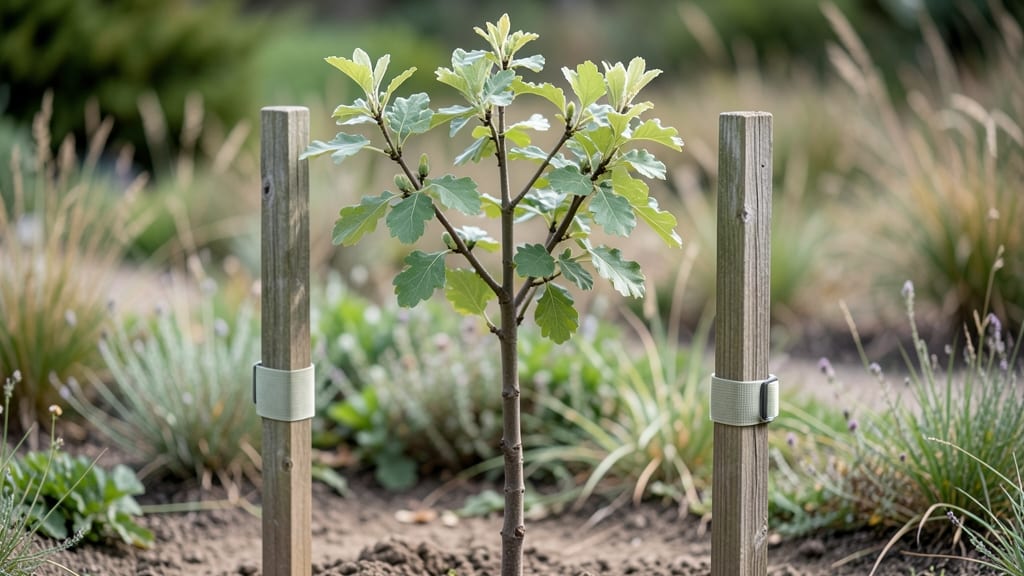
Keeping trees staked too long robs them of the chance to grow strong on their own—here’s exactly when to let go. 🌳 I’ve watched saplings fight against stakes for years, only to flop when freed, and learned the hard way that timing matters more than tension.
The right duration depends on species, soil, and climate, but most trees need support for just 12 to 24 months—sometimes less, sometimes longer.
Young fruit trees like peaches or apples often stabilize within 12–18 months, while conifers or willows might need 2–3 years in windy or loose soil. The key is watching for signs: if the trunk is 1 inch thick and the tree leans only when pushed hard, it’s ready.
Over-staking weakens stems by preventing natural sway, which builds resilience—so check monthly after the first year.
When removal day comes, cut stakes at ground level and untie the ties gently—no yanking. A well-supported tree should sway 30–45 degrees when bent at the base; if it snaps back straight, it’s ready for life without props.
The payoff? Trees that stand tall and grow strong, not just upright. Let’s make the transition smooth.
Climate plays a sneaky role: trees in Zone 5 or colder may need stakes longer due to frost heave, while those in Zone 8+ often stabilize faster. Always err on the side of shorter staking—even a few extra months can delay independence.
Now, let’s talk tools and the right way to remove stakes without damage.
📚 In This Guide
- What you need
- Instructions
- Tips and common mistakes
- Wrapping up and next steps
What you need
- ● Stakes: 2–4 wooden, plastic, or metal stakes per tree (depending on size and wind exposure). Aim for 2–3 feet tall and ½-inch diameter for most young trees.
- ● Tree ties: Soft, stretchy fabric or rubber ties (avoid wire or plastic that can cut into bark). Get 3–5 ties per stake for secure attachment.
- ○ T-posts or ground anchors: Optional but helpful for windy areas—drill into the ground for extra stability.
- ● Mallet or hammer: For driving stakes into the soil (avoid metal hammers on wooden stakes to prevent splitting).
- ● Measuring tape or ruler: To ensure stakes are placed at the correct distance from the trunk (18–24 inches away).
- ● Gloves: Protect your hands from splinters, dirt, or rough bark.
- ● Tree guard or collar: Protects the trunk from rubbing against stakes or ties.
- ● Soil stabilizer: A mix of compost or mulch around the base to encourage root growth.
- ● Adjustable stakes: For larger trees or uneven terrain.
- ● Watering can or hose: Keep the soil moist while the tree establishes itself.
Step-by-Step guide for determining staking duration
Here's how to know when your young trees are ready to stand on their own.
🌱 Step 1: Observe Initial Stabilization (First 3-6 Months)
Keep stakes in place for the first 3-6 months after planting, regardless of tree type. This is when roots establish their initial anchor. You'll notice the soil around the base firming up as roots spread—tap the ground gently near the trunk. If it feels loose, the tree still needs support.
Watch for the first signs of trunk thickening. A staked tree will develop a slightly thicker base as it learns to bear its own weight. This is your first visual cue that the root system is developing strength. Don't rush removal—wait until you see at least 1-2 inches of visible trunk growth.
⏰ Step 2: Test Wind Resistance (6-12 Months)
After the initial planting season, begin testing stability by gently pushing the tree trunk at soil level during calm weather. If the tree resists movement and doesn't lean noticeably, it's developing self-support. For most species, this testing phase should begin by 6 months but may take up to 12 months for slower-growing varieties.
I like to do this test on a dry day when the soil is firm. Wet soil makes the tree appear more stable than it actually is. If the tree sways more than 1-2 inches before resisting, leave the stakes in place for another 2-3 months. This is especially true for newly planted trees in exposed locations.
🌿 Step 3: Evaluate Root Development (12-24 Months)
The definitive test comes when you can see substantial root development. For most trees, this means 12-24 months after planting, depending on species. Dig a small test hole about 12 inches away from the trunk—if you find roots spreading horizontally, the tree has established a stable base. This root spread creates natural anchorage that eliminates the need for stakes.
Here's the thing—some trees like oaks and maples may need stakes for 2 full years because they develop deep taproots slowly. Others like fruit trees or willows might be ready in 12 months if planted in ideal conditions. Always err on the side of caution with young specimens.
✂️ Step 4: Remove Stakes Gradually (When Ready)
Never remove all stakes at once. Start by loosening the ties and removing 1-2 stakes per season over 2-3 months to prevent shock. This gradual approach lets the tree adjust to bearing its own weight. You'll know you're doing it right when the tree shows no signs of leaning or stress during wind events.
After complete removal, monitor the tree for 2-4 weeks. If the trunk shows any unusual bending or the tree sways excessively in wind, reinstall stakes immediately. The goal is complete independence, but some trees take longer to fully stabilize—especially those planted in heavy clay soils or exposed windy locations.
Tips & tricks for determining when trees can stand alone
Real talk: The difference between a thriving tree and one that struggles comes down to understanding these subtle but critical signs. Here's what nobody tells you about staking timelines.
Visual Cue Over Time: In Step 1, when you're checking for those 1-2 inches of trunk growth, focus on the area just above the soil line. This is where you'll see the most dramatic thickening—it should feel noticeably firmer when you press gently with your thumb. I've seen gardeners remove stakes too soon because they missed this subtle visual clue. Think of it like reading a tree's growth rings in fast-forward.
Seasonal Adjustments: The 6-12 month wind resistance test in Step 2 actually works best in late summer or early fall. That's when trees have finished their main growth cycle but haven't yet entered dormancy. Test on a calm, dry day—wet soil can give a false sense of stability. I learned this the hard way after removing stakes too early in spring when the soil was still soft from winter thaw.
Root Testing Hack: For Step 3's root evaluation, use a small trowel to gently scrape away soil in a 12-inch radius—you don't need to dig deeply. Look for white, fibrous roots spreading horizontally. These are your tree's natural anchors. I've found that even slow-growing trees like oaks often have more extensive root systems than you'd expect when you actually look for them.
Stake Removal Strategy: When you're ready to remove stakes in Step 4, start with the least critical stakes first. For example, if you have four stakes, remove two diagonally opposite ones first. This creates a more natural support structure as the tree adjusts. I've seen trees that were completely destabilized when all stakes were removed at once—even when they appeared ready.
Pro Tips for How Long To Keep Trees Staked
- Real talk: The difference between a thriving tree and one that struggles comes down to understanding these subtle but...
- Visual Cue Over Time: In Step 1, when you're checking for those 1-2 inches of trunk growth, focus on the area just ab...
- Seasonal Adjustments: The 6-12 month wind resistance test in Step 2 actually works best in late summer or early fall....
Frequently asked questions
Got questions about staking your trees? You’re not alone! Here are some of the most common concerns—and straightforward answers—to help you keep your trees stable without overdoing it.
How long should I stake a newly planted tree?
Most trees need staking for 1 to 2 years, depending on species, soil, and weather. Young trees with shallow roots (like fruit trees or willows) may need longer support, while deep-rooted species (like oaks or maples) can often go stake-free sooner. Always check for wind resistance—if it wobbles, it’s not ready!
What happens if I remove stakes too soon?
Removing stakes prematurely can cause root damage, leaning, or even uprooting—especially in windy areas. Signs your tree is ready: strong trunk, minimal sway, and roots spreading beyond the root ball. If in doubt, err on the side of caution and leave them up for another season.
Do all trees need staking?
Not necessarily! Trees planted in sheltered areas, deep soil, or with strong root systems (like native species) often don’t need stakes. Focus on staking young, top-heavy, or high-wind-risk trees. Always assess the site—if the ground is loose or slopes steeply, stakes are your best friend.
Can I reuse stakes from last year?
Reusing stakes is totally fine if they’re still sturdy and rust-free! Just check for splits, warping, or weak spots. For extra safety, add a tree tie or soft fabric between the stake and trunk to prevent rubbing damage. Pro tip: Store stakes in a dry place to extend their lifespan!
My tree is leaning—did I stake it wrong?
Leaning isn’t always a bad sign! Trees naturally grow toward light, but severe lean (30°+) may need correction. If the lean happened after staking, check for uneven stakes, loose ties, or poor root growth. Adjust stakes diagonally (not straight) to encourage upright growth, and monitor for wind stress.
Still unsure? Snap a photo of your tree’s setup and compare it to the staking guide—you’ve got this!
Wrapping up and next steps
Staking young trees is a small investment of time that pays off with strong, self-sufficient roots—and the key is patience!
While most trees need support for 6 months to 2 years, always prioritize their natural growth over rigid timelines. 🌱✨ Watch for signs like swaying or leaning, and adjust as needed.
You’ve got this! Once your tree stands tall on its own, take a moment to celebrate your green thumb. Ready for the next step? Consider mulching or pruning to keep your tree thriving—and maybe even share your success with fellow gardening enthusiasts!