
Size
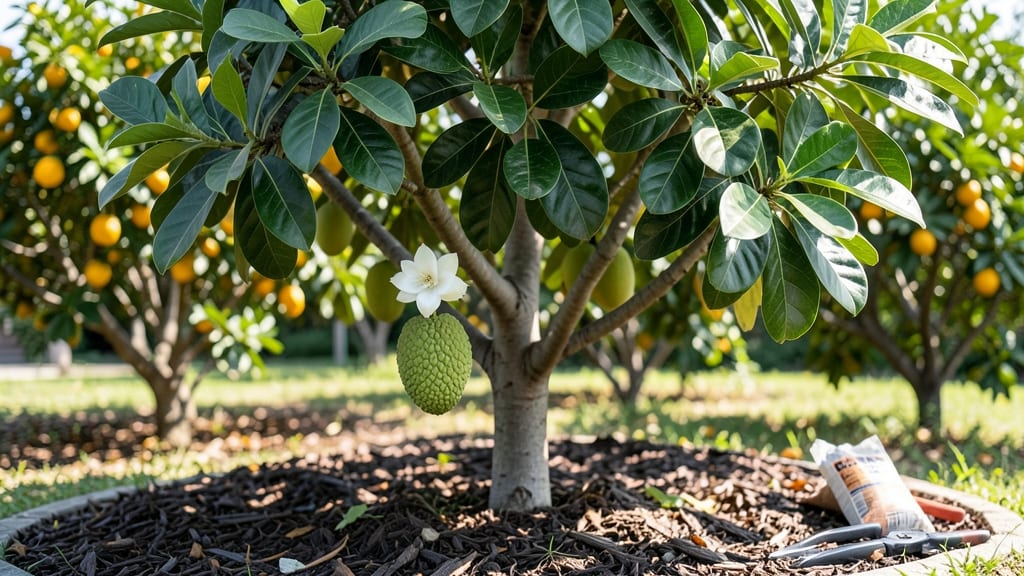
Growing a guyabano tree from seed to fruiting plant feels like unlocking a tropical treasure. 🌿 I’ve watched mine go from a curious sapling to a lush producer of spiky green fruit—each slice revealing creamy, tangy flesh that’s pure summer in a bite.
The key isn’t just patience; it’s matching its needs to your space, whether that’s a 15-gallon container on a patio or a sunny corner of your yard.
Guyabano thrives where temperatures stay above 50°F year-round, making it a showstopper for zones 10-12. Start with well-draining soil mixed with compost (think 50% potting mix, 50% perlite), and give it 6+ hours of sunlight daily.
Water deeply when the top inch feels dry—overwatering is the silent killer of these tropical divas. Young trees love humidity, so misting or a pebble tray helps if your air feels dry.
By year three, you’ll see those signature star-shaped leaves and maybe even a few fruit clusters. The real magic happens in 5-7 years, when a mature tree rewards you with 50+ pounds of fruit per season.
Prune lightly after harvest to shape the tree, and watch as pollinators flock to its fragrant white flowers. This isn’t just a plant—it’s a statement piece that tastes like vacation.
Container growers, don’t worry—guyabano adapts beautifully to large pots. Just upgrade to 20+ gallons as it grows, and fertilize monthly with a balanced tropical blend during spring and summer.
The only challenge? Pests like scale or mealybugs, but a neem oil spray keeps them at bay. Ready to grow your own tropical oasis?
📚 In This Guide
- What you need
- Instructions
- Tips and common mistakes
- Wrapping up and next steps
What you need
- ● Guyabano seeds or saplings: 1-3 (fresh seeds from a ripe fruit or a young nursery-grown sapling).
- ● Well-draining potting mix: 5-10 gallons (for containers) or enriched garden soil (for ground planting). Mix with perlite or coconut coir (1:3 ratio) to improve aeration.
- ○ Containers (optional but recommended for beginners): 1 large pot (15-20 gallons) with drainage holes, or
- ● A fabric grow bag (for better root aeration).
- ● Slow-release fertilizer: 1-2 cups (balanced 10-10-10 or organic options like composted manure).
- ● Watering can or hose with a gentle spray nozzle.
- ● Pruning shears (sterilized).
- ○ Mulch (optional but helpful): Straw, wood chips, or pine bark (2-3 inches thick) to retain moisture.
- ● Climate: Tropical or subtropical (USDA Zones 10-12). Guyabano trees cannot tolerate frost—keep them indoors or in a greenhouse if temperatures drop below 50°F (10°C).
- ● Sunlight: Full sun (6+ hours daily) or partial shade (for container-grown trees in hot climates).
- ● Water: Consistent moisture (keep soil slightly damp but not waterlogged). Reduce watering once established (every 3-5 days).
- ● Humidity: High humidity (50%+). Use a humidity tray or mist leaves in dry climates.
- ● 🌱 Seedlings vs. Saplings: Saplings (1-2 feet tall) fruit faster (3-5 years), while seeds take 5-10 years to bear fruit.
- ● 🌡️ Temperature Hack: Place containers near a sunny window or use a heat mat in cooler months to mimic tropical conditions.
- ● ✨ Container Size Matters: Upgrade pots as the tree grows—guyabano roots spread widely!
Step-by-step guide to cultivating a healthy guyabano tree
Here's how I've successfully grown this tropical fruit-bearing giant—whether in pots or planted directly.
🌱 Step 1: Select and Prepare Your Guyabano Tree
The first key is choosing a healthy 3-5 year old guyabano tree from a reputable nursery. Look for a specimen with a sturdy trunk, vibrant green leaves, and no signs of pests or disease. I always opt for container-grown trees because they establish more quickly in new environments. If you're planting directly, select a spot with full sun exposure (6-8 hours daily) and well-draining soil.
Before planting, prune any damaged or yellowing leaves to reduce stress. For container growing, choose a pot at least 24 inches in diameter with drainage holes—guyabano trees have extensive root systems. I like to use a mix of 60% potting soil, 20% perlite, and 20% compost for optimal drainage and nutrient retention. Fill the pot halfway with this mix before placing the tree in.
🪴 Step 2: Plant with Proper Spacing and Support
When planting in the ground, dig a hole twice as wide as the root ball but no deeper. The top of the root ball should sit 1 inch above ground level to prevent waterlogging. For container planting, place the tree in the center of the pot and backfill with the remaining soil mix, pressing gently to eliminate air pockets. Leave a 2-inch gap between the soil surface and the pot rim for watering.
Guyabano trees need sturdy support as they grow. I install a 5-foot tall bamboo stake next to the tree and secure it with soft tree ties. This prevents wind damage and helps the tree develop a strong vertical structure. After planting, water deeply until water runs out of the drainage holes. This helps settle the soil and eliminates air gaps around the roots.
☀️ Step 3: Maintain Ideal Growing Conditions
Guyabano trees thrive in warm temperatures (75-90°F) and cannot tolerate frost. If you live in a cooler climate, grow them in containers that you can move indoors during winter. They need bright, indirect light—direct afternoon sun can scorch the leaves. I position my container-grown trees near a south-facing window or under a grow light for 12-14 hours daily during winter months.
Water your guyabano tree deeply once a week, allowing the top 2-3 inches of soil to dry out between waterings. Overwatering is a common mistake that leads to root rot. I check moisture by inserting my finger into the soil—if it feels dry up to my first knuckle, it's time to water. During the growing season, fertilize every 4-6 weeks with a balanced 10-10-10 fertilizer diluted to half strength.
✂️ Step 4: Prune and Train for Fruit Production
Pruning encourages bushier growth and better fruit production. I prune my guyabano tree in late winter or early spring, removing any dead, diseased, or crossing branches. Cut back any leggy growth to encourage branching. For container-grown trees, I also trim back any roots that may be circling the inside of the pot—this prevents root-bound stress. Always use clean, sharp pruning shears to make clean cuts just above a leaf node.
Guyabano trees produce fruit on new growth, so regular pruning stimulates flowering. After pruning, apply a layer of 2-3 inches of mulch around the base of the tree (keeping it 3 inches away from the trunk) to retain moisture and regulate soil temperature. This also helps suppress weeds that compete with the tree for nutrients. Watch for new growth within 4-6 weeks—this is your sign that the tree is recovering well from pruning.
🍈 Step 5: Harvest and Encourage Future Growth
Guyabano fruit typically takes 3-5 years to mature from a young tree, but with proper care, you'll see fruit within 2-3 years of planting. The fruit ripens from green to yellow and finally to a creamy white color. Harvest when the fruit yields slightly to gentle pressure. I use a sharp knife to cut the fruit from the stem, leaving a small portion attached to prevent damage to the branch.
After harvesting, continue to care for your tree by maintaining consistent watering and fertilizing. If you're growing in containers, consider repotting every 2-3 years into a larger pot to accommodate the tree's expanding root system. With patience and proper care, your guyabano tree will reward you with an abundance of tropical fruit for years to come.
Tips & tricks for growing a thriving guyabano tree
Real talk: Guyabano trees demand patience, but these small adjustments make all the difference between a struggling plant and a fruit-bearing giant.
Root System Strategy: The 24-inch pot size isn't arbitrary—guyabano trees develop extensive root systems that need room to breathe. If you're planting in containers, choose a pot with drainage holes AND a saucer to catch excess water. I've seen many gardeners underestimate this, leading to root-bound stress. For ground planting, amend the soil with an extra 10% perlite around the root ball to prevent compaction, which is crucial for those 6-8 hours of daily sun exposure the tree craves.
Support System: That 5-foot bamboo stake isn't just decoration—it's essential for preventing wind damage and encouraging vertical growth. I've learned the hard way that skipping this step leads to weak trunks that snap during storms. For container trees, consider adding a second stake at a 45-degree angle for extra stability, especially if you live in windy areas. The stakes should be installed immediately after planting to give the tree consistent support as it grows.
Lighting Solutions: The 12-14 hours of daily light during winter months can be tricky without proper setup. If you don't have a south-facing window, invest in a quality LED grow light positioned 12-18 inches above the tree. I use a timer to automate the 12-hour cycle, which prevents over-lighting that can scorch leaves. Remember, guyabano trees need bright but indirect light—direct afternoon sun can cause leaf burn, so position your grow lights to avoid harsh shadows.
Pruning Precision: When pruning in late winter or early spring, focus on removing branches that cross or rub against each other—these create wounds that invite pests. I also make sure to cut just above a leaf node, which encourages new growth in the right direction. For container trees, don't forget to check for circling roots during repotting every 2-3 years. These roots can strangle the tree's growth if left unchecked, so gently tease them apart with your fingers or a blunt tool.
Pro Tips for Grow Guyabano Tree
- Real talk: Guyabano trees demand patience, but these small adjustments make all the difference between a struggling p...
- Root System Strategy: The 24-inch pot size isn't arbitrary—guyabano trees develop extensive root systems that need ro...
- Support System: That 5-foot bamboo stake isn't just decoration—it's essential for preventing wind damage and encourag...
Frequently asked questions
Got questions about growing your own guyabano tree? You’re not alone! Here are answers to the most common concerns—from timing to troubleshooting—to help you cultivate this tropical treasure with confidence.
How long does it take for a guyabano tree to bear fruit?
A guyabano tree typically takes 3–5 years to produce fruit from seed, though grafted trees may fruit in 1–2 years. Patience is key—focus on nurturing strong roots and branches first! For faster results, opt for a nursery-grown sapling.
Can guyabano trees survive cold weather?
Guyabano trees thrive in tropical climates (70–85°F) and are not frost-tolerant. If you live in a colder zone, grow it in a large container and bring it indoors during winter. A greenhouse or sunny patio works too!
What’s the best way to propagate a guyabano tree?
The easiest methods are:
- Seeds: Soak seeds overnight, plant in moist soil, and keep warm (75–85°F). Germination takes 2–4 weeks.
- Grafting: Faster fruiting! Buy a grafted sapling from a tropical nursery.
- Air layering: Advanced growers can root a branch mid-tree for a clone.
Why aren’t my guyabano leaves turning green?
Yellow or pale leaves often signal nutrient deficiency (like nitrogen or magnesium) or overwatering. Check soil moisture—guyabano trees prefer well-draining soil. Feed with a balanced fertilizer (10-10-10) every 2–3 months.
Can I grow a guyabano tree in a pot?
Use a 5-gallon+ container with drainage holes and tropical potting mix. Choose a lightweight pot for easy moving (if indoors/outdoors). Just ensure it gets 6+ hours of sunlight daily and water deeply when the top inch of soil dries.
What other tropical fruits can I grow similarly?
If guyabano seems tricky, try these container-friendly alternatives:
- Soursop (Annona muricata)
- Papaya (Carica papaya)
- Banana (Musa spp.—dwarf varieties work well)
- Pineapple (Ananas comosus)
Wrapping up and next steps
Growing a guyabano tree is a rewarding journey that brings tropical flavors and lush greenery to your space—whether in a pot or the ground! With the right soil, sunlight, and patience, you’ll soon enjoy its fragrant flowers and sweet, custard-like fruit.
Remember, consistency is key, and don’t hesitate to troubleshoot common issues like pests or slow growth.
Now that you’re armed with knowledge, take the first step today—plant your seeds or saplings and watch your tropical oasis thrive! Share your progress with fellow gardeners or experiment with recipes once your guyabano fruits are ready. Happy growing! 🌱✨