
Pruning
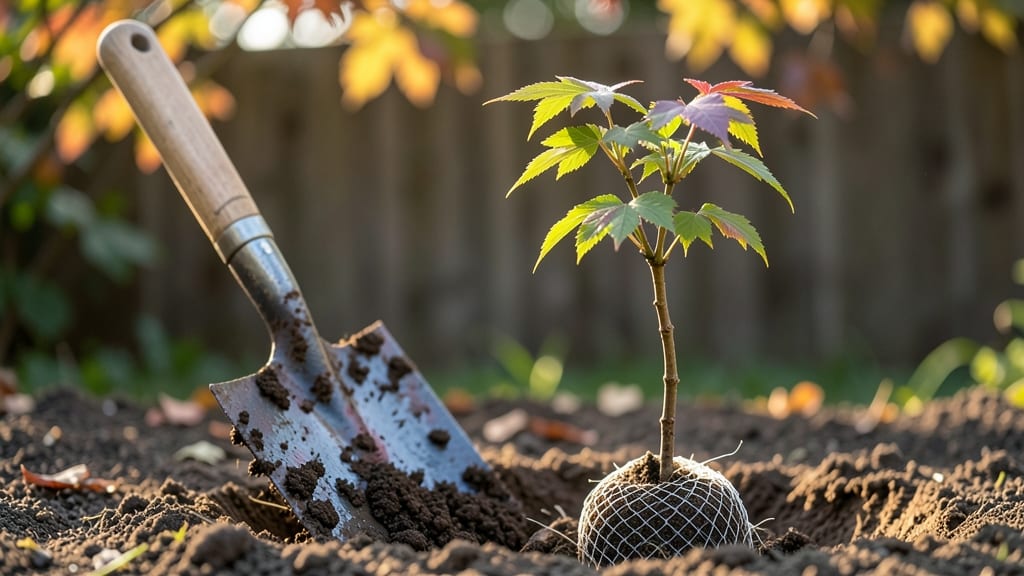
Replanting a tree can save it from root-bound suffering—here’s how to do it right. 🌳 I’ve pulled struggling trees from the brink by loosening gnarled roots and giving them fresh soil, and the difference is night-and-day growth within a season.
The key? Timing, proper handling, and knowing when to call it quits if the roots are beyond revival.
You’ll need basic tools: a sharp shovel, burlap, stakes, and a wheelbarrow for hauling. Work on a cool, cloudy day in early spring or fall to minimize stress, and prepare the new spot by amending the soil with compost.
Most trees bounce back if you handle the roots gently—no yanking or bending, just careful coaxing into the ground.
After replanting, water deeply to settle the soil and keep the root ball moist for the first two weeks. Mulch around the base to retain moisture and protect roots from temperature swings.
Within months, you’ll see new shoots signaling the tree’s comeback—proof that even the most stubborn roots can find new life.
This method works for small to medium trees like maples, fruit trees, or ornamental varieties. For large specimens, consider professional help—some roots just aren’t meant to be moved. But for the rest? You’ve got this.
📚 In This Guide
- What you need
- Instructions
- Tips and common mistakes
- Wrapping up and next steps
What you need
- ● Gloves (1 pair) – Heavy-duty gardening gloves to protect your hands from dirt and roots.
- ● Trowel or small shovel – A sturdy, sharp-edged tool (6–12 inches long) for digging and loosening roots.
- ● Pruning shears or scissors – For trimming damaged or overly long roots (sterilized with rubbing alcohol).
- ● New pot or planting container – Slightly larger than the current root ball (1–2 inches wider/deeper). Ensure drainage holes are present!
- ● High-quality potting mix – Well-draining, nutrient-rich soil (e.g., cactus/succulent mix for drought-tolerant trees or all-purpose mix for others). Quantity: Enough to fill the new container 2/3 full.
- ● Watering can or hose with gentle spray nozzle – For thorough hydration without disturbing the roots.
- ○ Support stake (optional but helpful) – A 2–3 ft wooden or bamboo stake + soft plant tie if the tree is top-heavy or leggy.
- ● Root stimulator gel/powder – Speeds up root regrowth (follow product instructions).
- ● Mulch (e.g., bark chips or coconut coir) – Retains moisture and regulates soil temperature.
- ● Fertilizer (balanced or slow-release) – Lightly mix into the soil for a post-transplant boost.
- ● Old newspaper or cardboard – To line the bottom of the pot for extra drainage.
- ● Spray bottle with water – For misting roots if transplanting delicate species.
- ● ✅ Choose the right time – Replant during the tree’s dormant season (early spring or fall) for minimal stress.
- ● ✅ Assess root health – Gently inspect roots for rot, pests, or severe tangling before replanting.
- ● ✅ Prepare the new location – Ensure the spot gets the correct light/water needs for your tree species.
- ● ✅ Have a backup plan – If roots are severely bound, prune aggressively or consider root washing.
Step-by-Step guide for reviving root-bound trees
Here's how I've successfully revived stressed trees—no fancy tools, just smart technique.
🪴 Step 1: Prepare the New Planting Site
Choose a location with at least 6 feet of clear space around the tree's mature size. Dig a hole twice as wide as the root ball but only as deep as the container it came in. This prevents root damage from being buried too deep—roots need room to spread horizontally, not get smothered.
Loosen the soil at the bottom of the hole with a fork or shovel. I always mix in 2 inches of compost into the native soil to improve drainage and nutrient availability. Avoid adding fresh mulch yet—wait until after planting to keep moisture from evaporating too quickly.
✂️ Step 2: Remove the Tree from Its Container
Water the tree thoroughly 24 hours before replanting to help loosen roots. Turn the container on its side and gently tap the edges until the root ball slides out. If it sticks, run a knife around the inside edge to release it. Never pull or force the tree—roots break easily when stressed.
Check the root ball for circular roots wrapped tightly around the outside. These are a sign of root-bound stress. Use your fingers to tease apart the most constricted roots—just enough to loosen them without damaging the main root structure. This simple step prevents transplant shock later.
💧 Step 3: Position and Stabilize the Tree
Place the tree in the hole so the top of the root ball sits level with the surrounding soil. Fill the hole with native soil mixed with compost, tamping lightly every 2 inches to eliminate air pockets. Stop when the hole is ¾ full—you'll add mulch later to settle the soil.
Stake the tree only if it's top-heavy or in a windy location. Use two stakes placed diagonally and tie with soft fabric strips (never wire). This gives the tree support without restricting growth. Water deeply immediately after planting to help soil settle around the roots.
☀️ Step 4: Mulch and Water for Recovery
Spread 3 inches of mulch (wood chips or shredded bark) in a 3-foot diameter circle around the base, keeping it 6 inches away from the trunk. Mulch conserves moisture, regulates soil temperature, and prevents weeds—critical for a recovering tree. Never pile mulch against the trunk; this creates rot-prone conditions.
Water deeply every 5-7 days for the first 3 months, aiming for 1-2 gallons per watering. You'll know it's enough when water drains 6 inches deep into the soil. Overwatering here is worse than underwatering—root-bound trees need time to establish without soggy conditions.
🌱 Step 5: Monitor and Encourage New Growth
Watch for new leaves in 4-6 weeks—this is your sign the tree is recovering. If leaves yellow or wilt, it's often a sign of overwatering or poor drainage. Adjust your watering schedule based on soil moisture: stick your finger 2 inches deep—if dry, water; if damp, wait.
Fertilize lightly 6 months after replanting with a balanced, slow-release fertilizer. Avoid heavy feeding now—stressed trees focus energy on root growth, not foliage. Prune only dead or crossing branches; wait until next spring for major shaping.
Tips & tricks for replanting root-bound trees
These simple adjustments make all the difference when bringing a stressed tree back to life.
Soil Preparation Secret: In Step 1, when mixing compost into the native soil, I like to add a handful of perlite or coarse sand if your soil is particularly dense or clay-heavy. This improves aeration even more than just compost alone, helping roots spread faster. The goal is to mimic the tree's natural soil environment as closely as possible.
Root Handling Technique: During Step 2, if you encounter severely matted roots, don't try to force them apart—just trim the most constricted circular roots with clean pruners. Focus on the outermost 1-2 inches of roots that are clearly circling. This creates space for new root growth without shocking the tree.
Watering Wisdom: After planting in Step 3, I recommend giving the tree a deep watering right away, then checking soil moisture by sticking your finger 2 inches deep. If it's bone dry after 5-7 days, water again—but if it's still damp, wait. The key is consistent moisture, not a rigid schedule.
Mulch Application Tip: For Step 4, use a rake to create a slight depression around the base before adding mulch. This helps water pool near the roots rather than running off. Also, refresh the mulch layer every spring—it breaks down faster than you'd think!
Pro Tips for Replant A Tree
- These simple adjustments make all the difference when bringing a stressed tree back to life.
- Soil Preparation Secret: In Step 1, when mixing compost into the native soil, I like to add a handful of perlite or coarse sand if your soil is particularly dense or clay-heavy.
- Root Handling Technique: During Step 2, if you encounter severely matted roots, don't try to force them apart—just trim the most constricted circular roots with clean pruners.
Frequently asked questions
Got questions about replanting a tree?
You’re not alone! Here are answers to the most common concerns—from timing to troubleshooting—to help your root-bound tree thrive again.
When is the best time to replant a tree?
The ideal window is early spring or fall when temperatures are mild, and the tree isn’t stressed by extreme heat or cold. Avoid replanting during droughts or frost—roots need moisture and warmth to recover. If you must replant in summer, do it on a cloudy day to reduce transplant shock.
How long does it take for a replanted tree to recover?
Recovery time varies by species, but most trees show signs of stabilization within 4–8 weeks. Young trees bounce back faster than mature ones. Monitor for wilting leaves (normal for 2–3 weeks) and avoid pruning until new growth appears. Patience is key—deep watering and mulch help speed up the process!
Can I replant a tree with damaged roots?
Yes, but act fast! Trim any rotted, mushy, or severely broken roots with clean pruners before replanting. Healthy roots should be firm and white. For extensive damage, soak the root ball in water for 1–2 hours pre-planting to encourage hydration. If >50% of roots are compromised, consider root hormone gel to boost survival.
What if my tree keeps dying after replanting?
Common culprits include poor soil drainage, over/under-watering, or compacted roots. Diagnose by checking the soil (stick a finger in—if it’s soggy, add sand; if dry, water deeply). Loosen the soil around the base and mulch 2–3 inches thick (but keep mulch away from the trunk). If the tree still struggles, a soil test may reveal nutrient deficits.
Are there alternatives if replanting seems too risky?
If your tree is too stressed or large, consider layering (for shrubs) or grafting (for fruit trees). For container-grown trees, try root pruning annually to encourage outward growth before replanting. If all else fails, propagate from cuttings (if the species allows) or replace it with a hardier variety suited to your climate.
Pro tip: Label your replanted tree with the date and species—it’ll help track progress and adjust care as needed!
Wrapping up and next steps
Replanting a root-bound tree is a rewarding way to breathe new life into your garden! With the right tools, patience, and care, you can help your tree thrive in its new home. Remember, pruning damaged roots, choosing the perfect spot, and watering consistently are key to long-term success.
Now that you’re equipped with the knowledge, roll up your sleeves and give your tree the fresh start it deserves! 🌱 Ready to see it grow stronger? Mark your calendar for a follow-up check in 3-6 months—your tree’s progress will inspire you!