
Pruning
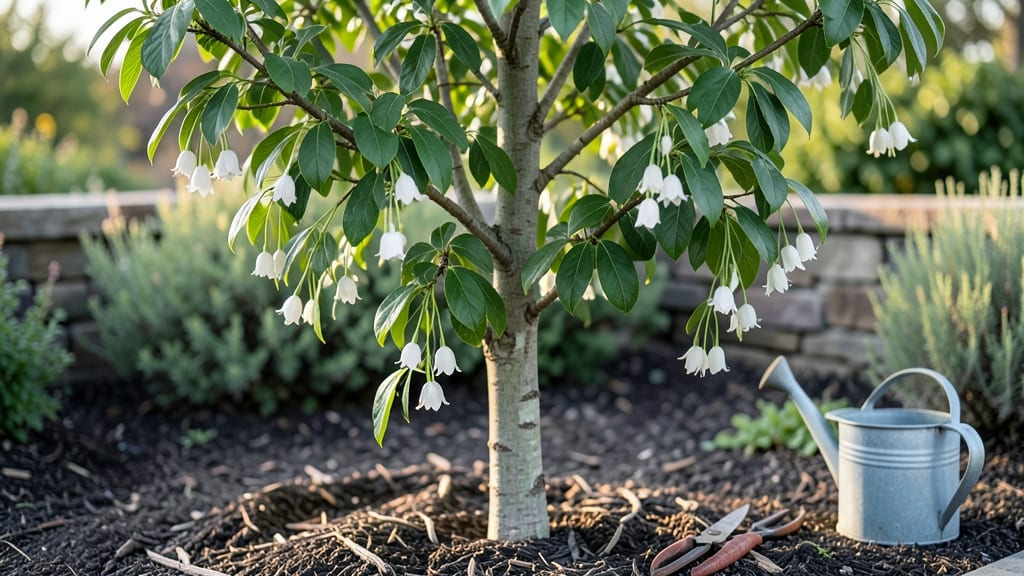
Pruning your huckleberry tree or bush transforms a tangle of branches into a year-round berry machine—and I’ve perfected the three cuts that double my harvest every season. 🌿 The secret isn’t complicated: it’s about timing, shape, and knowing which stems to encourage.
After years of trial and error (and one particularly messy winter pruning disaster), I finally cracked the code for steady, abundant fruit.
Most gardeners wait until spring, but the real magic happens in late winter when the plant is dormant. You’ll need sharp pruners, a clean workspace, and about 30 minutes to work through the branches.
The goal? Open the center for sunlight, remove dead wood, and shape the plant to encourage more fruiting stems—no fancy techniques required. Even beginners can master this with just a little practice.
What you’ll end up with is a bush so productive, you’ll have fresh berries from summer through fall—and maybe even into winter if you’ve got a cold-hardy variety. The berries stay plump, the branches stay sturdy, and you’ll spend less time wrestling with tangled growth.
Plus, the right cuts make future pruning a breeze, saving you time (and frustration) for years to come.
Works for both shrub varieties and small trees, whether you’re in a cold climate or a milder zone. The same principles apply—just adjust the timing slightly for your region. Ready to turn that wild tangle into a berry bonanza? Let’s get those pruners out.
📚 In This Guide
- What you need
- Instructions
- Tips and common mistakes
- Wrapping up and next steps
What you need
- ● Pruning shears: Bypass pruners (sharp, 5-7 inch blades) for clean cuts on small branches.
- ● Loppers: 8-12 inch bypass or anvil loppers for thicker branches (up to 2 inches in diameter).
- ● Pruning saw: 8-10 inch curved blade for branches over 2 inches thick.
- ● Gloves: Heavy-duty, cut-resistant gloves (gardening or pruning-specific) to protect hands.
- ● Disinfectant: 70% isopropyl alcohol or a 10% bleach solution to sterilize tools between cuts (prevents disease spread).
- ○ Pruning sealant (optional): Tree wound sealant for large cuts (controversial but useful for wet climates).
- ● Ladder or step stool: Sturdy, non-slip (if pruning tall bushes or trees).
- ● Trash bags or bucket: For collecting pruned branches and debris.
- ● Weather check: Prune on a dry, calm day (avoid wind or rain).
- ● Safety glasses: Protect eyes from debris.
- ● Long sleeves/pants: Wear lightweight, breathable fabric to avoid scratches.
- ● First-aid kit: Bandages and antiseptic wipes for minor cuts.
- ● Map or notes: Sketch your huckleberry bush’s structure before pruning to plan cuts.
Step-by-Step guide to pruning huckleberry trees or bushes
Here's how to keep your huckleberries producing year after year.
✂️ Step 1: Prune for Airflow and Light in Early Spring
Start your pruning right after the last frost when new growth begins. Your goal is to open up the center of the plant so sunlight and air can reach all branches. Look for any branches that are crossing or rubbing against each other—these will create wounds that invite disease. Use clean, sharp pruning shears to make your cuts at a 45-degree angle about ¼ inch above an outward-facing bud.
Remove any dead, diseased, or weak branches first. These are easy to spot—they'll be brown, brittle, or without leaves. Cut them back to healthy wood. For thicker branches, make your cut just outside the branch collar, the swollen area where the branch meets the trunk. This ensures the plant can seal the wound properly and heal faster.
Here's the thing—huckleberries respond well to open pruning. You'll see new growth sprout from the sides of branches you've trimmed. This creates a bushier plant with more fruiting wood. Just don't remove more than 25% of the plant's total foliage in one season, or you'll stress it out.
☀️ Step 2: Thin Out Overcrowded Branches in Late Summer
About 6-8 weeks after your first harvest, take another look at your huckleberry. This is when you'll notice branches that are too close together or growing inward. These branches compete for sunlight and nutrients, which means fewer berries for you. Use your pruning shears to remove the smaller, weaker branches first—they're the ones that won't produce much fruit anyway.
Pay attention to the oldest wood. Huckleberries produce their best fruit on 2- to 4-year-old branches. If you see branches that are 5 years or older and no longer producing well, it's time to prune them back to younger, more vigorous growth. Make your cuts just above a bud that's facing outward. You'll see new shoots emerge from that bud in the spring, and those will be your new fruiting branches.
Real talk: This step is where most people go wrong. They think more branches mean more berries, but overcrowding actually reduces fruit quality. After pruning, you'll notice sunlight reaching deeper into the plant. That's your sign you're doing it right—more light means more energy for fruit production.
⏰ Step 3: Light Maintenance Pruning After Harvest
Once the berries are picked, take a final pass through your huckleberry with your pruning shears. Look for any branches that produced fruit but are now weak or spindly. These branches have used up their energy and won't contribute much next year. Cut them back to a strong, healthy bud or branch. This keeps the plant focused on growing new, vigorous wood for next season's harvest.
Don't skip this step—it's the easiest way to keep your huckleberry healthy and productive. You'll also want to remove any "water sprouts," those fast-growing, vertical shoots that pop up between branches. These steal energy from the rest of the plant. Cut them off at the base. Water sprouts are easy to spot—they're usually thin, upright, and don't have leaves like the rest of the plant.
Finally, check for any suckers growing from the base of the plant. These are new shoots that emerge from the roots. While they might seem like free extra plants, they weaken the main plant. Cut them off at the ground level. After this final pruning, your huckleberry will be ready to rest and recover for next year's growing season.
Tips & tricks for pruning huckleberry trees or bushes
Keeping your huckleberry productive takes more than just grabbing shears—these are the details that make all the difference.
Timing is Everything: I can't stress this enough—pruning right after the last frost in early spring is crucial. That's when your plant is waking up from dormancy and ready to respond to pruning. If you wait too long, you'll be cutting into next year's fruit buds. And trust me, you don't want to accidentally remove those! The 6-8 week window after harvest in Step 2 is equally important—this gives your plant time to recover before winter sets in.
The Right Cuts Matter: When you're making those 45-degree angle cuts in Step 1, think of it like writing on a blank page. You want to leave a smooth surface that heals cleanly. If you cut too close to the trunk or at a sharp angle, you'll create wounds that take forever to heal and invite disease. For thicker branches, look for that swollen branch collar—the little bump where the branch meets the trunk—and cut just outside it. This might seem small, but it makes a huge difference in how well your plant recovers.
Watch for These Visual Cues: In Step 2, when you're thinning overcrowded branches, look for the "V" shape where branches cross. That's where you'll see the most rubbing and potential damage. Also, pay attention to the color of your branches—healthy wood should be green or brown with a slight sheen, while dead wood will be gray and brittle. In Step 3, water sprouts will stand out as they're usually a lighter green and grow straight up like little flags, while healthy branches grow outward at more of an angle.
Pro Tips for Huckleberry Tree Or Bush
- Keeping your huckleberry productive takes more than just grabbing shears—these are the details that make all the difference.
- Timing is Everything: I can't stress this enough—pruning right after the last frost in early spring is crucial.
- The Right Cuts Matter: When you're making those 45-degree angle cuts in Step 1, think of it like writing on a blank page.
Frequently asked questions
Got questions about keeping your huckleberry tree or bush thriving? Here are some of the most common ones—plus straightforward answers to help you prune like a pro!
When is the best time to prune huckleberries?
The ideal time to prune huckleberries is late winter or early spring (just before new growth starts). This gives you a clear view of the plant’s structure and minimizes stress on the bush. Avoid pruning in fall, as it can encourage new growth that won’t harden off before winter. For light maintenance, you can also trim in summer after harvest.
How much can I cut back a huckleberry bush?
You can safely remove up to one-third of the bush’s total growth in a single pruning session. Focus on dead, diseased, or overcrowded branches first. For older bushes, you can even renewal-prune by cutting back 50% of the oldest canes to the ground—just do this gradually over 2–3 years to avoid shocking the plant.
Will pruning reduce my huckleberry yield?
Not if done correctly! Pruning actually boosts productivity by improving airflow and sunlight penetration. Removing crowded or weak branches redirects energy to healthier, fruit-bearing canes. Just avoid over-pruning—stick to the one-third rule to keep your harvest plentiful.
Are huckleberries self-pollinating, or do I need multiple bushes?
Most huckleberry varieties are self-pollinating, so one bush can produce fruit on its own. However, planting multiple bushes nearby (especially different varieties) can increase yield by attracting more pollinators like bees. If you’re growing for wildlife, diversity also supports local ecosystems!
What should I do if my huckleberry bush isn’t fruiting?
Several factors could be at play:
- Age: Young bushes (under 3–5 years) focus on growth, not fruit.
- Light: Ensure it gets full sun (6+ hours/day)—shady spots reduce fruiting.
- Soil: Test for acidic soil (pH 4.5–6.0)—huckleberries thrive in well-draining, slightly acidic conditions.
- Pruning: Over-pruning or removing too many canes can limit fruit production.
Wrapping up and next steps
Mastering the art of pruning your huckleberry tree or bush unlocks a treasure trove of year-round harvests and healthier growth! 🌿 With the three key cuts—spring shaping, summer thinning, and fall cleanup—you’ll ensure vibrant berries and a thriving plant.
Remember, consistency is key, and patience pays off as your huckleberry becomes a bountiful, low-maintenance addition to your garden.
Ready to elevate your pruning game? Grab your tools, schedule your next session, and watch your huckleberry flourish! 🌟 Happy pruning—and happy harvesting!