
Flowers
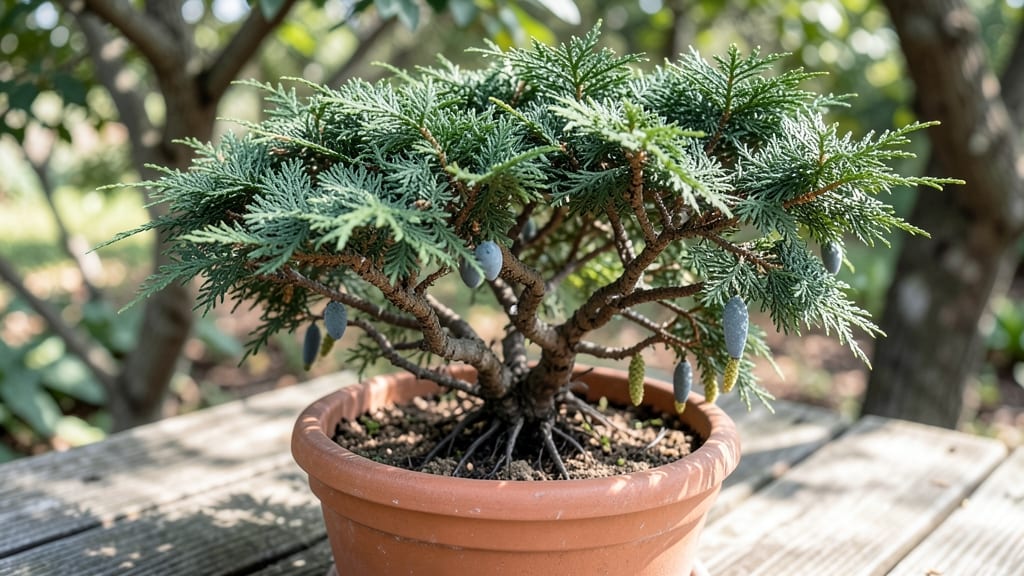
Juniper tree flowers might seem like an afterthought, but those tiny cones and pollen clusters are the secret to your plant’s future—and they’re easier to spot than you’d think. 🌿 I’ve spent years watching junipers transform from scraggly saplings into fragrant, wind-resistant giants, and the key always starts with understanding those unassuming flowers.
The male trees release clouds of pollen in early spring, while female trees develop tiny cones that take years to mature. Most gardeners overlook this stage, but recognizing the difference can mean the difference between a thriving hedge and a garden that just looks green.
Here’s the thing—junipers don’t need fancy conditions to flower. They thrive in poor soil, full sun, and even harsh winters, which is why they’re the go-to for drought-prone landscapes. The trick to encouraging blooms?
Prune lightly in late winter to open up the canopy, and avoid over-fertilizing—junipers prefer neglect over coddling. Male flowers appear as bright yellow pollen clusters, while female flowers look like tiny, undeveloped green cones.
If you’re growing junipers from seed, you’ll need both male and female plants, but even then, patience is key—those cones take 2-3 years to ripen.
What you’ll end up with is a landscape feature that’s both functional and fragrant. The male trees add texture with their feathery pollen branches, while female trees develop silvery-blue berry-like cones that birds adore. These aren’t just ornamental—they’re the foundation of your juniper’s survival.
Once you recognize the flowers, you’ll notice how the plant responds: healthier foliage, faster growth, and that signature juniper scent that fills the air on a crisp morning. The best part? You don’t need a greenhouse or special tools—just a keen eye and a little space.
Whether you’re restoring a native landscape or adding structure to your yard, junipers deliver year after year. The flowers might be small, but their impact is huge—both for the plant and for the wildlife that depends on them.
Start by identifying the males and females in your garden, then let nature take its course. Before you know it, you’ll have a juniper that’s as reliable as it is beautiful.
📚 In This Guide
- What you need
- Instructions
- Tips and common mistakes
- Wrapping up and next steps
What you need
- ● Juniper plants or seeds: 1–3 Juniperus saplings (choose cold-hardy varieties like Juniperus communis or Juniperus virginiana)
- ● OR 50–100 juniper seeds (collected fresh or purchased from a nursery)
- ● Well-draining soil: Mix 60% native soil with 40% coarse sand or perlite (juniper roots hate soggy conditions!)
- ● Sunlight: Full sun (6+ hours daily) for optimal growth and flowering.
- ● Watering can or hose: With a gentle spray nozzle for hydration.
- ● Pruning shears: Sharp, sterilized shears (for shaping and harvesting).
- ○ Mulch (optional but recommended): 2–3 inches of pine bark or gravel to retain moisture and suppress weeds.
- ● Garden gloves: Heavy-duty to protect hands from thorns.
- ● Trowel or shovel: For digging holes (12–18 inches deep for saplings).
- ○ pH testing kit (optional): Ideal soil pH: 6.0–7.5 (juniper thrives in slightly acidic to neutral soil).
- ○ Fertilizer (optional): Slow-release, low-nitrogen fertilizer (e.g., 5-10-5) for established plants.
- ● Cold-hardiness zone knowledge: Juniper grows best in USDA Zones 3–9—check your local climate!
Step-by-step guide to cultivating juniper tree flowers
Here's how to grow these fragrant, drought-tolerant beauties that thrive in tough climates.
🌱 Step 1: Choose the Right Variety and Planting Site
Juniper flowers—technically called "cones"—come from both male and female plants, but only females produce the signature berry-like cones we associate with juniper. Pick a female cultivar like 'Blue Rug' or 'Sargentii' for reliable blooms. These evergreens love full sun (at least 6 hours daily) and well-draining soil, so avoid low spots where water pools.
Test your soil first—juniper hates soggy roots. If your yard has heavy clay, mix in 2-3 inches of coarse sand or compost to improve drainage. The best time to plant is early spring or fall when temperatures are mild (50-70°F). Here's the thing—juniper grows slowly, so don't rush the process. Patience pays off with sturdy, long-lived plants.
☀️ Step 2: Plant Properly for Long-Term Success
Dig a hole twice as wide as the root ball but only as deep—planting too deep suffocates the roots. Gently loosen the root ball if it's tightly bound, then place the juniper in the center. Fill around it with native soil, pressing lightly to remove air pockets. Water deeply right after planting to help roots settle into the soil.
Space plants 6-10 feet apart depending on the mature size of your variety. Juniper grows slowly but can live for decades, so give it room to establish. Mulch with 2-3 inches of wood chips to retain moisture and suppress weeds, but keep mulch 6 inches away from the trunk to prevent rot. Watch for the first signs of new growth—tiny, scale-like leaves—within 4-6 weeks of planting.
💧 Step 3: Water and Feed for Healthy Growth
Once established (after 1-2 years), juniper is incredibly drought-tolerant, but young plants need consistent moisture. Water deeply once a week during the first growing season, aiming for 1 inch of water per week. You'll know it's enough when water drains through the soil 6 inches deep. Overwatering is the biggest mistake—juniper roots rot quickly in soggy conditions.
Fertilize lightly in early spring with a balanced, slow-release fertilizer (10-10-10) at half strength. Juniper doesn't need much—too much nitrogen encourages leafy growth at the expense of those prized cones. Look for new growth in spring and early summer as your signal that the plant is thriving. If you see yellowing needles, it's a sign of overwatering or poor drainage.
✂️ Step 4: Prune and Maintain for Best Blooms
Prune in late winter or early spring before new growth begins. Remove only dead, damaged, or crossing branches—juniper doesn't respond well to heavy pruning. Use clean, sharp pruners to make cuts just above a healthy bud. Avoid cutting into old wood, as juniper struggles to regrow from mature branches. Here's where it gets fun—watch for tiny, yellowish male flowers in spring that release pollen for female plants to produce cones.
Female plants develop cones over 1-2 years, starting as green and maturing to blue-gray or purple. Harvest cones in fall once they turn woody and release a fragrant aroma when crushed. Prune lightly after cone production to maintain shape, but never cut more than 25% of the plant in one season. Juniper recovers slowly from heavy pruning.
Tips & tricks for perfect juniper tree cultivation
Took me years to figure out these little details that make all the difference with junipers—here's what I wish I knew from the start.
Sunlight Strategy: That 6 hours of full sun requirement is non-negotiable, but here's the thing: junipers actually thrive with more than 6 hours if you're in a hot climate. In cooler zones, they'll still produce cones with just the minimum, but you'll get the most vibrant blue-gray cones with 8+ hours daily. Watch for needles turning brown at the tips if they're not getting enough light—this is your plant's way of saying "I need more sun!"
Soil Test Tip: Before amending that heavy clay with 2-3 inches of coarse sand, do a simple percolation test: Dig a 12-inch hole, fill with water, and time how long it takes to drain. If it takes more than 4 hours, you definitely need drainage improvements. I've seen junipers fail spectacularly in amended soil that still held too much moisture—always check the drainage after mixing amendments.
Planting Depth Secret: The "as deep as the root ball" rule is critical, but here's what nobody tells you: if your nursery pot has drainage holes, the root ball might be slightly compressed. Gently tease the roots at the bottom before planting to encourage them to spread out naturally. This helps prevent that "root-bound" look where roots circle the trunk instead of growing outward.
Watering Wisdom: That 1 inch per week guideline is perfect, but timing matters just as much. Water in the early morning so foliage has all day to dry—wet needles at night invite fungal problems. And here's my pro move: after the first year, I check soil moisture by digging down 6 inches with a trowel. If it's dry, water; if it's still moist, leave it alone. Junipers are tough, but they won't forgive consistent overwatering.
Pro Tips for Juniper Tree Flowers
- Took me years to figure out these little details that make all the difference with junipers—here's what I wish I knew from the start.
- Sunlight Strategy: That 6 hours of full sun requirement is non-negotiable, but here's the thing: junipers actually thrive with more than 6 hours if you're in a hot climate.
- Soil Test Tip: Before amending that heavy clay with 2-3 inches of coarse sand, do a simple percolation test: Dig a 12-inch hole, fill with water, and time how long it takes to drain.
Frequently asked questions
Got questions about growing and caring for juniper tree flowers? You’re not alone! Here are answers to the most common queries—from timing to troubleshooting—so you can keep your cold-hardy beauties thriving.
When do juniper flowers actually bloom?
Juniper flowers (technically cones, not true flowers) appear in late spring to early summer (May–June), though timing varies by species. Male junipers produce yellow pollen cones, while females bear blue-green berry-like cones. Some varieties, like Juniperus virginiana, bloom earlier, while others (e.g., Juniperus communis) may take 2–3 years to flower.
Can juniper trees survive in freezing winters?
Junipers are extremely cold-hardy, thriving in USDA zones 3–9. Most varieties handle -20°F to -40°F with ease. Pro tip: Young plants benefit from mulch (2–3 inches of wood chips) to protect roots, but mature junipers rarely need extra winter care. Exception: Coastal junipers (e.g., Juniperus conferta) prefer milder winters.
Why aren’t my juniper berries turning blue?
Blue juniper "berries" (actually seed cones) need pollination from male junipers. If your female plant isn’t producing blue cones, plant a male juniper nearby (they can be 30+ feet away). Patience is key: Some varieties take 2–3 years to bear fruit. Troubleshooting: Check for spider mites (they suck sap, stunting growth) or root rot (from overwatering).
Are there juniper alternatives with similar flowers?
If you love juniper’s evergreen structure and berries but want variety, try these cold-hardy alternatives:
- Arborvitae (Thuja spp.) – Soft, feathery foliage with brown cones (zones 3–8).
- False Cypress (Chamaecyparis spp.) – Blue-green "berries" and delicate branching (zones 4–7).
- Boxwood (Buxus spp.) – Small, rounded shrubs with tiny yellow flowers (zones 5–9).
How do I fix brown, crispy juniper tips?
Brown, dry tips usually signal underwatering or winter burn. Fix it fast:
- Water deeply 1–2 times per week (check soil—it should stay slightly moist, not soggy).
- Apply 2–3 inches of mulch to retain moisture and protect roots.
- For winter burn: Prune dead tips in early spring (use clean, sharp shears).
- Avoid over-fertilizing—junipers prefer poor soil.
Wrapping up and next steps
Growing juniper tree flowers is a rewarding journey—these resilient, cold-hardy perennials bring beauty and fragrance to your garden with minimal fuss! 🌿 Whether you're a beginner or an experienced gardener, their low-maintenance nature and striking blooms make them a fantastic addition to any landscape.
Ready to enjoy their charm? Start by selecting the perfect variety for your climate, then plant with confidence—your garden will thank you for years to come.
Next step: Grab your gloves and get planting! Watch as your juniper flowers thrive and transform your outdoor space into a fragrant, evergreen oasis. 🌸