
Pruning
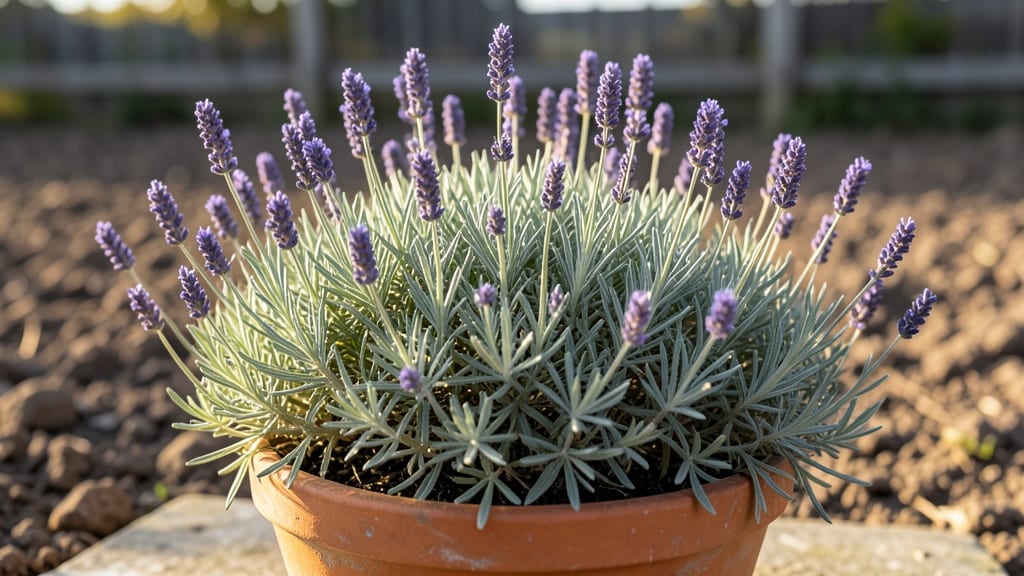
Mastering lavender patio tree care isn’t just about pruning—it’s about sculpting fragrance and shape into a living centerpiece that thrives year-round. 🌿 I’ve pruned lavender this way for five summers, and the difference between a leggy bush and a tidy, blooming "tree" comes down to timing, technique, and a little patience.
Most gardeners over-prune in spring, which sends lavender into shock, but the secret is gentle shaping after blooms fade.
The right tools and a few simple supplies make this foolproof. You’ll need sharp bypass pruners (dull blades tear stems), a small rake for cleanup, and a 3-inch layer of gravel at the base to prevent rot.
Lavender hates soggy roots, so if you’re growing in containers, ensure pots have drainage holes and use a well-draining mix of potting soil and perlite. Water deeply but infrequently—once established, these plants can handle drought like a pro.
By late summer, you’ll have a compact, bushy lavender tree with layers of fragrant blooms and sturdy stems. The scent lingers longer, bees buzz happily around it, and your patio becomes the envy of the neighborhood.
The key is pruning lightly in early spring to shape, then again after flowering to encourage next year’s growth. No more scraggly bushes—just a structured, aromatic focal point that stays lush through winter.
This method works for both in-ground and container-grown lavender, whether you’re shaping a single plant or a small grove. The same principles apply whether you’re in Zone 5 or 9, though southern climates may need extra shade in peak summer.
Start small, and soon you’ll have a lavender patio tree that’s as charming as it is low-maintenance.
📚 In This Guide
- What you need
- Instructions
- Tips and common mistakes
- Wrapping up and next steps
What you need
- ● Pruning shears: Bypass pruners (sharp, clean, and sterilized with rubbing alcohol or bleach solution). 2-3 pairs recommended if pruning multiple plants.
- ● Hand pruners: For smaller stems (avoid anvil pruners—they crush delicate lavender stems).
- ● Gloves: Heavy-duty gardening gloves (to protect from thorns and sap).
- ● Pruning saw: Small, curved-bladed saw (for thicker stems, though lavender patio trees rarely need this).
- ● Watering can or hose: With a gentle spray nozzle (lavender hates soggy roots!).
- ● Mulch: 2-3 inches of organic mulch (e.g., straw or pine bark) to retain moisture and regulate soil temp.
- ● Well-draining potting mix: 1-2 bags of cactus/succulent mix blended with perlite or pumice (lavender hates wet feet!).
- ● Container: Pot with drainage holes (minimum 12-18 inches deep and 18-24 inches wide for mature patio trees).
- ● Fertilizer: Low-nitrogen, phosphorus-rich fertilizer (e.g., 5-10-10 ratio) or slow-release granules.
- ● Disinfectant spray: For sterilizing tools between cuts (prevents disease spread).
- ● Plant supports: Small stakes or cages (if your patio tree leans or grows top-heavy).
- ● Soil moisture meter: To check drainage and avoid overwatering.
- ● Lavender-specific pruning guide: A printed checklist or app (like Gardenate) for timing and techniques.
- ● Decorative stones: For a polished patio look around the base of your tree.
Step-by-step pruning blueprint for your lavender patio tree
Here’s how to keep your compact lavender tree lush and manageable all year.
🌿 Step 1: Identify the Right Time for Each Season’s Prune
Lavender thrives when pruned at the right moments. Start in late winter or early spring (just as new growth begins) to shape the tree and encourage fuller foliage. This first cut removes dead or crossing branches—you’ll spot these as brown, brittle stems or those growing inward toward the center.
In mid-summer, give your lavender a light trim after flowering. Cut back one-third of the oldest stems to the base—this prevents woody growth and keeps the tree bushy. Avoid pruning in fall or winter, as lavender needs its foliage to protect buds from cold snaps.
Real talk: If you miss a season, don’t panic. A light prune anytime (even summer) is better than none. Just avoid heavy cuts after September 1st—new growth won’t harden off before winter.
✂️ Step 2: Use the Right Tools and Technique for Clean Cuts
Grab your sharp, sterilized pruning shears—dull blades crush stems, inviting disease. Cut just above a leaf node (the bump where leaves grow) at a 45-degree angle to shed water away from the stem. This small detail keeps your lavender healthy for years.
For thicker stems, use loppers—never prune with hedge shears, which tear instead of cleanly cutting. After each cut, wipe the blades with rubbing alcohol to prevent spreading bacteria. You’ll know you’re doing it right when cuts look smooth, not jagged.
Here’s the thing—lavender’s woody stems can be stubborn. If a branch resists, saw it off cleanly rather than yanking. The goal is to encourage new growth, not damage what’s left.
☀️ Step 3: Shape for Sunlight and Airflow
Step back and assess your lavender’s shape after pruning. The tree should have an open center—this prevents humidity buildup and fungal issues. Thin out crowded branches first, then trim the outer edges to maintain a rounded silhouette. You’ll see sunlight reaching all parts of the plant, which keeps foliage vibrant.
For patio trees, keep the height manageable—4-5 feet tall is ideal for easy reach and visibility. If side branches grow too long, cut them back to 6-8 inches from the main stem. This encourages bushier growth at the top.
Don’t skip this step. A well-shaped lavender tree flowers more abundantly and stays compact, perfect for patios. If you notice leggy growth, it’s a sign the tree needs more light or a harder prune next season.
💧 Step 4: Post-Prune Care for Faster Recovery
Water deeply right after pruning—this helps the tree recover faster. Lavender is drought-tolerant, but new cuts need moisture to seal. Give the soil a good soak until water runs out the drainage holes, then let it dry before watering again.
Apply a balanced, slow-release fertilizer (like 10-10-10) in spring to support new growth. Avoid heavy nitrogen—it promotes leafy growth at the expense of flowers. You’ll notice fresh, green shoots within 3-4 weeks if the timing and care are right.
Watch for signs of stress: yellowing leaves or wilting mean you’ve over-pruned. Lavender is forgiving, but it’s better to trim lightly and repeat than to cut too much at once.
Tips & tricks for perfect lavender patio tree care
Between us, these small details make all the difference in keeping your lavender tree thriving year after year.
Timing is Everything: Mark your calendar for late winter/early spring and mid-summer—these are the only two critical pruning windows. I learned this the hard way after seeing my lavender turn woody and sparse when I skipped the spring prune. The late winter cut removes last year's dead growth, while the mid-summer trim after flowering keeps it bushy and prevents leggy growth. Remember, never prune after September 1st—new growth won't harden off before winter.
The Technique That Changed Everything: When making cuts, always aim for that 45-degree angle just above a leaf node. This simple technique prevents water from pooling on the stem, which can lead to rot. I also discovered that using a saw for stubborn branches saves them from tearing—lavender stems are tougher than they look! Clean your tools with rubbing alcohol between cuts to prevent spreading disease. Trust me on this.
Shape Matters More Than You Think: Step back and visualize your tree's shape after each prune. The open center isn't just aesthetic—it's crucial for airflow that prevents fungal issues. For patio trees, maintain that 4-5 foot height by cutting side branches back to 6-8 inches from the main stem. This creates that perfect compact look while encouraging bushier growth at the top. I've seen lavender trees double their flower production just by improving their shape!
Post-Prune Recovery Secrets: That deep watering right after pruning is non-negotiable—it helps the tree recover faster by sealing fresh cuts. I also recommend applying a balanced 10-10-10 fertilizer in spring to support new growth. Watch for yellowing leaves or wilting as signs you've over-pruned; lavender is forgiving but responds best to gentle, regular maintenance rather than drastic cuts.
Pro Tips for Lavender Patio Tree Care
- Between us, these small details make all the difference in keeping your lavender tree thriving year after year.
- Timing is Everything: Mark your calendar for late winter/early spring and mid-summer—these are the only two critical pruning windows.
- The Technique That Changed Everything: When making cuts, always aim for that 45-degree angle just above a leaf node.
Frequently asked questions
Got questions about keeping your lavender patio tree thriving?
Here are answers to the most common concerns—from pruning timing to troubleshooting woes—so you can enjoy that fragrant, compact beauty all year round.
When is the best time to prune my lavender patio tree?
Prune your lavender patio tree right after flowering (late spring to early summer) to encourage bushier growth. Avoid heavy pruning in fall or winter, as lavender is sensitive to cold and needs time to harden off. A light trim in late winter (before new growth starts) can help shape it, but keep cuts minimal.
Can I prune lavender in winter? What if it’s already dormant?
Winter pruning is risky—lavender is evergreen but semi-dormant and prone to frost damage. If you must trim, wait until late winter (February) after the worst cold passes, and avoid cutting into old wood. Focus on shaping lightly rather than heavy pruning. Pro tip: Use sharp shears to prevent ragged cuts that invite disease!
Why is my lavender patio tree turning brown or crispy?
Brown or crispy foliage usually signals overwatering, underwatering, or root stress. Lavender thrives in well-draining soil—check if your pot has drainage holes. Water only when the top inch of soil is dry, and avoid soggy roots. If it’s too dry, trim dead stems at the base and reduce watering. Bonus: Mulch lightly with gravel to improve drainage!
How often should I fertilize my lavender patio tree?
Lavender is low-maintenance—skip heavy fertilizers! Use a light, balanced fertilizer (5-5-5) once in early spring (March) and avoid feeding after mid-summer. Over-fertilizing leads to weak growth and fewer flowers. Better yet: Amend soil with compost once a year for natural nutrients.
Can I grow lavender in a container without pruning?
Yes, but expect less bushiness and fewer blooms! Pruning is key for compact growth—even in pots. Without it, lavender can become leggy and woody. Container hack: Prune lightly every 3–4 months to maintain shape and encourage new growth. Choose a smaller variety (like ‘Lavender Lady’ or ‘Munstead’) for easier patio management.
What’s a good alternative if my lavender isn’t thriving?
If lavender struggles in your climate (too humid or wet), try dwarf rosemary, thyme, or oregano—they’re drought-tolerant and fragrant. For a tree-like look, consider compact olive trees or Japanese maples, which handle pruning well. Remember: Lavender loves full sun (6+ hours) and dry, sandy soil—mimic its Mediterranean roots!
Wrapping up and next steps
Caring for your lavender patio tree is all about consistency and a little love—just like nurturing any prized plant! 🌿 With the right pruning techniques, you’ll enjoy compact, fragrant growth and a thriving centerpiece for years. Remember, timing, sharp tools, and gentle hands are your best friends.
Now that you’re armed with the know-how, roll up your sleeves and give your lavender tree the attention it deserves. Ready to see those blooms flourish? Start pruning today—and watch your patio transform! 🌸