
Blooming
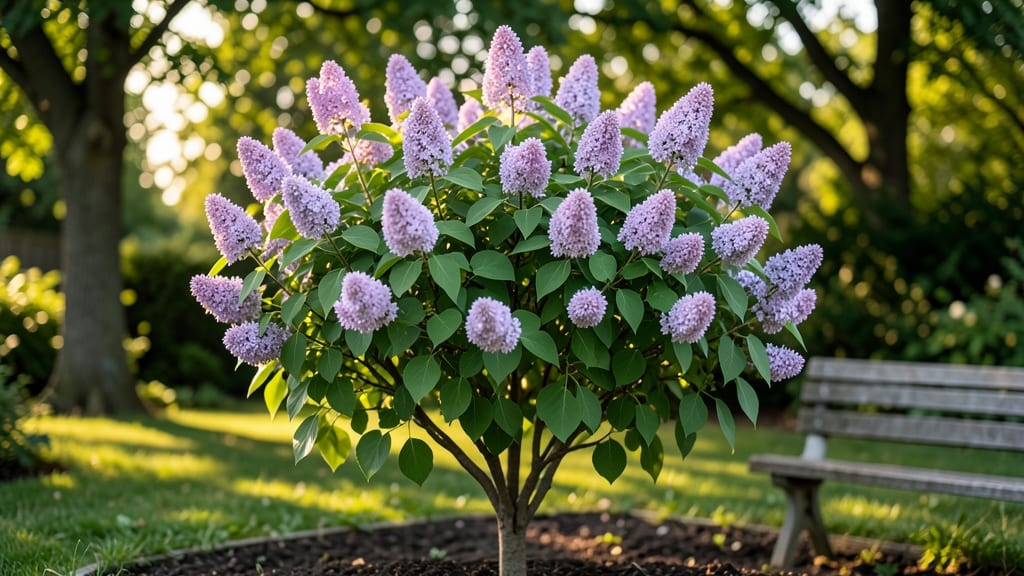
Your lilac tree’s bloom time depends entirely on when you planted it—some burst into color by late April, while others wait until mid-May for that signature purple cloud. 🌸 I’ve learned the hard way that patience pays off; the first flush of fragrance after winter’s silence is worth the wait.
Most lilacs bloom for 2-3 weeks, but cooler springs can stretch that into a full month of heavenly scent.
Regional differences matter: Zone 5 lilacs typically bloom 2-3 weeks earlier than Zone 7 varieties, while Southern gardens might see blooms as early as March. Sunlight and pruning also shift timing—too much shade delays flowers, while aggressive pruning after blooming can rob next year’s buds.
The key is balance: prune right after flowering, never in late summer or fall.
You’ll know it’s peak bloom season when the scent wafts through your yard like a springtime hug. Healthy lilacs reward you with vibrant purple, white, or pink clusters that attract bees and fill the air with fragrance.
With the right care, your tree will become the neighborhood’s most talked-about spring spectacle.
For late bloomers, a light layer of compost in early spring gives them a boost. And if you’re in a warmer zone? Watch for second blooms later in summer—just don’t prune until after they fade.
The secret to consistent blooms? Timing, patience, and a little extra love when the buds first appear.
📚 In This Guide
- What you need
- Instructions
- Tips and common mistakes
- Wrapping up and next steps
What you need
- ● Lilac tree (French, Common, or dwarf varieties) – Ensure it’s healthy and planted in full sun (6+ hours/day). Pro tip: Older trees (10+ years) often bloom more vigorously!
- ● Well-draining soil – Mix 1 part compost with 2 parts native soil (pH 6.0–7.5). Test soil moisture before planting.
- ○ Pruning shears – Bypass pruners (sharp, 6–8" blades) for clean cuts. Optional: Sanitize with rubbing alcohol to prevent disease.
- ● Mulch (2–3 inches) – Use wood chips or shredded bark to retain moisture and regulate soil temp.
- ● Watering can or hose with adjustable nozzle – Deep watering (1–1.5 gallons per tree) 2–3 times/week during dry spells.
- ● Fertilizer (balanced or lilac-specific) – 10-10-10 NPK ratio (spring application) or organic compost tea.
- ● Soil moisture meter – Avoid over/under-watering (ideal: slightly damp, not soggy).
- ● Tree supports (for young lilacs) – Stakes or cages to prevent wind damage.
- ● Fragrance-enhancing tips – Trim spent blooms after they fade (never cut green buds!) to encourage next year’s scent.
- ● Pest control (if needed) – Neem oil spray for aphids or beneficial nematodes for grubs.
Step-by-step guide to predicting your lilac tree's bloom time
Here's how I time lilac blooms like a pro—no guesswork, just science and seasonal cues.
🌱 Step 1: Track Winter Chill Hours
Lilacs need 300-500 chill hours below 45°F to set buds properly. Start counting last fall—most regions hit this by late December. If winters are mild, your lilac might bloom later or more sparsely. I keep a simple chart on my fridge with weekly lows to track progress.
Here's the thing—if you live in a warm climate, consider planting chill-hardy varieties like 'Dwarf Korean' or 'Miss Canada.' They'll reward you with earlier, more reliable blooms. Watch for bud swell in late winter as your first sign the tree's ready to bloom.
☀️ Step 2: Monitor Spring Temperature Rises
When daytime highs consistently reach 50°F for 5-7 days, that's your lilac's cue to burst into color. I set up a small thermometer near my lilac to track daily highs—it's the most accurate way to predict bloom timing. Most lilacs bloom 2-4 weeks after last frost, but this varies by variety and location.
Watch for the buds to plump up like tiny green grapes. This happens about 2 weeks before blooming. If you see buds but no flowers, your tree might need more sunlight—lilacs thrive in full sun (6+ hours daily). Move any nearby shade trees if possible.
🌿 Step 3: Observe Bud Break and Flower Development
Once buds swell, count 14-21 days to peak bloom. The flowers open from the bottom up, so you'll see the first blossoms at the base of the clusters. I like to photograph my lilac's buds weekly to track progress—it's fascinating how quickly they develop!
Real talk: If your lilac blooms later than expected, it might be overdue for pruning. I prune lilacs right after blooming to encourage next year's flowers. Never prune in fall—you'll cut off next year's buds before they form. Watch for new growth after pruning to confirm you've done it at the right time.
⏰ Step 4: Time Your Enjoyment for Peak Fragrance
Lilacs peak fragrance 2-3 days after full bloom, when the flowers are fully open but not yet wilting. That's when I set up my outdoor seating area—nothing beats a lilac-scented breeze. Most varieties bloom for 7-10 days, though some like 'Katherine Havemeyer' last nearly twice as long.
Don't let wilting flowers linger—they look messy and can attract pests. I remove spent blooms by cutting the entire flower cluster back to a bud eye (the bump where next year's buds form). This keeps your lilac looking tidy and encourages robust blooms for next spring.
Tips & tricks for perfect lilac bloom timing
Mastering lilac bloom timing turns guessing into gardening confidence—here's how to get it right every spring.
Chill Hours Tracking: Use a simple spreadsheet or even a whiteboard to log daily lows starting in November. The 300-500 hours below 45°F are your magic number—most regions hit this by late December, but warm winters can delay blooming. I mark each day's low on my chart and circle every hour below 45°F to visualize progress. This visual tracking makes it easy to spot when you're falling short of the required chill hours.
Spring Temperature Secret: That 50°F threshold for 5-7 days isn't just arbitrary—it's when lilacs' internal clocks finally say "go." I've found that using a small digital thermometer near the tree gives more accurate readings than weather apps, which often report neighborhood averages. Place it where your lilac gets morning sun for the most reliable data. The moment those highs hit consistently, start your 2-4 week countdown to blooms.
Bud Development Watch: The 14-21 day window from bud swell to peak bloom is where most gardeners get tripped up. Here's my trick: Take weekly photos of the buds with a date stamp. The progression from tiny green nubs to plump clusters happens faster than you think. I've seen buds go from barely visible to full bloom in just 10 days when conditions are perfect. This photo record also helps you spot problems early—like buds that swell but never open, which usually means insufficient sunlight.
Pruning Timing: The "right after blooming" window is actually narrower than most people realize. I aim to prune within 1-2 weeks after the last flower fades. This timing ensures you're cutting back spent blooms but not next year's buds. Look for the bud eyes (those little bumps) to confirm you're pruning at the perfect moment. I always make my cuts just above a bud eye at a slight angle to prevent water from pooling and rotting the new growth.
Pro Tips for Lilac Tree Bloom Time
- Mastering lilac bloom timing turns guessing into gardening confidence—here's how to get it right every spring.
- Chill Hours Tracking: Use a simple spreadsheet or even a whiteboard to log daily lows starting in November.
- Spring Temperature Secret: That 50°F threshold for 5-7 days isn't just arbitrary—it's when lilacs' internal clocks finally say "go."
Frequently asked questions
Got questions about lilac trees and their bloom time? You’re not alone! Here are some of the most common queries—plus answers to help you make the most of your lilac’s spring spectacle.
When do lilac trees typically bloom?
Most lilac trees bloom in late spring, usually between mid-April and early June, depending on your climate zone. In colder regions, blooms may wait until May, while warmer areas might see flowers as early as March. Watch for buds to swell—this is your cue!
How long do lilacs stay in bloom?
Lilac flowers typically last 7 to 14 days per bloom cycle, though some varieties (like ‘Katherine Haviland’) may linger up to 3 weeks. For prolonged enjoyment, choose reblooming cultivars like ‘Miss Kim’ or ‘Dwarf Korean,’ which may produce a second flush in summer.
What if my lilac isn’t blooming? Troubleshooting tips
No flowers? Check these fixes:
- Age: Young lilacs (under 3 years) often skip blooming. Be patient!
- Pruning: Prune right after blooming (never in fall/winter) to encourage next year’s flowers.
- Nutrients: Feed with a balanced fertilizer (10-10-10) in early spring.
- Sunlight: Lilacs need 6+ hours of sun daily—shady spots reduce blooms.
Still struggling? Overwatering or pests (like borers) could be culprits. Act fast!
Can I extend my lilac’s bloom time?
Yes! Deadhead spent blooms to redirect energy to new flowers, and mulch the base to retain moisture. For reblooming varieties, light pruning after the second bloom (if any) can help. Just avoid heavy cuts—lilacs flower on old wood!
What’s the best time to plant a lilac for optimal blooms?
Plant lilacs in early spring or fall (4–6 weeks before frost) for the best root establishment. Spring planting lets them settle before summer heat, while fall roots take advantage of cool temps. Avoid planting in extreme heat or drought—water deeply weekly until established.
Pro Tip:
For fragrance lovers, choose early-blooming varieties like ‘Sensory’ or ‘Mme. Lemoine’—their scent peaks in the morning! And if you adore lilacs but lack space, try dwarf varieties (3–5 feet tall) like ‘Little Leaf’ or ‘Purple Robin.’
Wrapping up and next steps
Watching your lilac tree bloom is like unwinding a seasonal surprise—timing is everything! 🌸 From late spring’s first whispers of color to summer’s fragrant finale, knowing when to expect those delicate blooms helps you savor every moment.
Whether you’re planning a garden party or simply admiring nature’s artistry, mark those bloom dates and embrace the magic of lilac season.
Now that you’re armed with the perfect timing, why not take the next step? Check local nurseries for varieties that thrive in your climate, or share your lilac love by gifting cuttings to friends. Happy blooming!