
Container Gardens
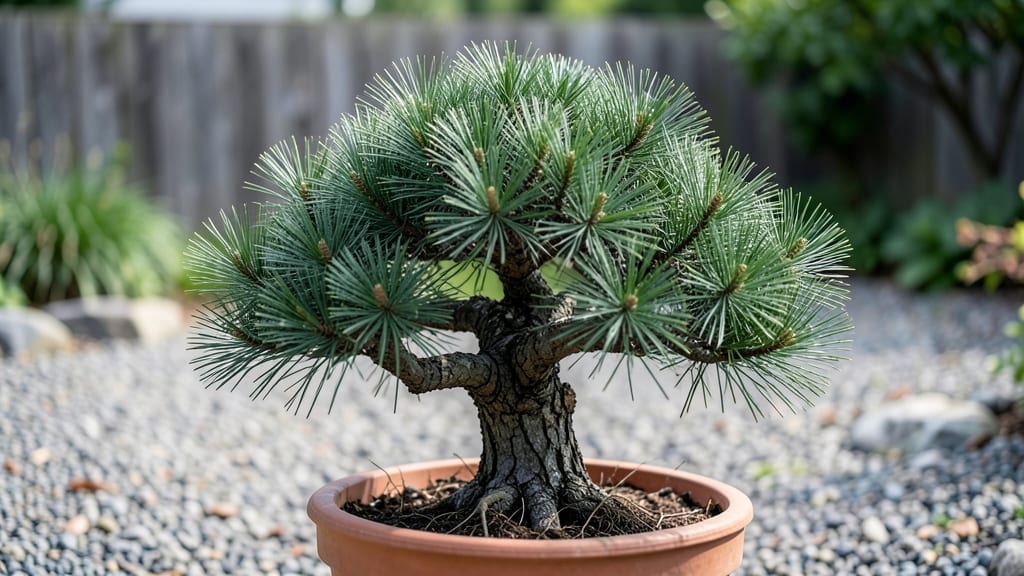
A live pine tree in a pot brings that fresh-cut forest scent to your porch year-round—no holiday stress, no dropped needles. 🌲 I’ve kept potted pines alive for over a decade, and the secret isn’t complicated: the right species, a few simple care tweaks, and understanding what these trees actually need to thrive.
Most people assume pines are high-maintenance, but with the correct soil mix and watering rhythm, they’re surprisingly low-effort.
The key starts with choosing dwarf varieties like ‘Mops’ or ‘Blue Rug’—they handle containers beautifully. You’ll need a pot with drainage holes (critical), a well-draining soil blend (think 60% pine bark, 30% peat, 10% perlite), and a spot that gets 6+ hours of sunlight daily.
Watering’s the trickiest part: let the top inch of soil dry out between drinks, but never let it bone-dry. Overwatering kills pines faster than anything else.
By summer’s end, your tree will reward you with vibrant green needles and that signature pine aroma—strong enough to scent your entire porch. Prune in early spring to shape it, and fertilize lightly in spring with slow-release granules.
The best part? These trees keep their color and charm through winter, making them the ultimate low-maintenance evergreen. Let’s get yours thriving.
Works for patios, balconies, or even indoor winter displays—just adjust light exposure. The only real challenge is avoiding root-bound stress, but with the right pot size (at least 12 inches deep for mature dwarf pines), you’ll dodge that issue entirely. Here’s how to keep yours happy for years.
📚 In This Guide
- What you need
- Instructions
- Tips and common mistakes
- Wrapping up and next steps
What you need
- ● Pine Tree Seedling: Choose a dwarf or container-friendly variety like Pinus mugo (mugo pine) or Pinus thunbergii (Japanese black pine). Look for a 1- to 3-gallon pot size at a nursery.
- ● Pot: A 12- to 18-inch diameter container with drainage holes. Terracotta or ceramic pots work best for breathability.
- ● Potting Soil: 10-12 lbs of well-draining, acidic soil mix (pH 4.5–6.0). Avoid garden soil—opt for a blend like 50% peat moss, 30% pine bark, and 20% perlite.
- ● Mulch: 1–2 inches of pine bark or wood chips to retain moisture and mimic natural forest conditions.
- ● Fertilizer: A slow-release, acidic fertilizer (e.g., 10-10-10 or osmocote) to nourish your tree over time.
- ● Watering Can: With a narrow spout to avoid disturbing the soil.
- ● Gloves: To protect your hands from rough bark or soil.
- ● Trowel: For planting and adjusting soil.
- ● Misting Bottle: To keep the soil moist during the first few weeks.
- ○ Decorative Accents (Optional): Miniature garden flags, fairy lights, or holiday ornaments to personalize your pot.
- ○ Pot Stand or Saucer (Optional): To elevate the pot or catch excess water.
- ○ Soil pH Test Kit (Optional): To ensure your soil stays acidic.
Step-by-Step guide for growing a live pine tree in a container
Here's how to keep your festive evergreen thriving beyond the holiday season.
🪴 Step 1: Select the Right Container and Drainage
Choose a container with drainage holes at least 12 inches deep—pines need room for root expansion. I prefer unglazed ceramic pots because they allow moisture to evaporate through the walls, which prevents root rot. The container should be 2-3 inches wider than the root ball to give roots space to spread without becoming root-bound.
If your chosen pot lacks drainage, drill ¼-inch holes in the bottom and line them with ¼-inch mesh to prevent soil from washing out. A saucer underneath catches excess water, but always empty it after watering to avoid stagnant moisture that can suffocate roots. Here's the thing—pines hate soggy feet, so proper drainage is non-negotiable.
🌱 Step 2: Prepare the Soil Mix for Acid-Loving Pines
Use a well-draining, acidic potting mix with a pH of 4.5-6.0—this mimics their natural forest floor conditions. I blend 50% peat moss or coconut coir, 30% pine bark fines, and 20% perlite or pumice to create air pockets while retaining moisture. Avoid garden soil; it compacts and suffocates roots.
Fill the container ⅓ full with your mix, then place the pine tree's root ball in the center. Gently loosen any circling roots with your fingers—this encourages outward growth. Fill the remaining space with more mix, pressing lightly to eliminate air pockets. Water thoroughly until it drains from the bottom holes, then let the tree sit for 24 hours before adjusting its position.
☀️ Step 3: Position for Light and Protect from Harsh Elements
Pines need full sun (6+ hours daily) but can scorch in intense afternoon heat. Place your container in a spot with morning sun and afternoon shade, especially during summer. A porch with eastern exposure works perfectly, or move it under a 50% shade cloth if temperatures exceed 90°F.
Real talk: Pines dislike sudden temperature swings. If you're bringing it indoors for the holidays, acclimate it gradually over 3-5 days by moving it to a cooler, shaded spot before bringing it inside. Avoid drafts from heaters or air conditioners, which dry out the air and stress the tree. A humidifier nearby helps maintain ideal conditions.
💧 Step 4: Water Deeply and Maintain Consistent Moisture
Water when the top 1-2 inches of soil feel dry—pines prefer even moisture but hate soggy roots. I use a slow watering can to saturate the soil without displacing the root ball. Let excess water drain completely before placing the pot back in its saucer. Overwatering is the #1 killer of potted pines, so never let it sit in standing water.
In winter, reduce watering to every 2-3 weeks unless your home has low humidity (like forced-air heating). Check moisture by inserting your finger 1 inch deep—if it's dry, water lightly. Here's the trick: Pines go dormant in winter, so less is more during cooler months. Watch for yellowing needles, which signal overwatering or poor drainage.
✂️ Step 5: Prune and Fertilize for Long-Term Health
Prune in late winter or early spring before new growth begins. Remove dead, broken, or crossing branches with clean, sharp pruners, cutting just outside the branch collar. Avoid heavy pruning—pines grow slowly, and aggressive cuts stress the tree. A light shaping every 2-3 years keeps it looking lush without harm.
Fertilize once in early spring with a slow-release, acid-loving plant fertilizer (like 10-10-10 or 14-14-14). Follow package instructions, but halve the dose—pines are sensitive to excess salts. I top-dress with ½ cup of pine bark fines annually to refresh the soil and maintain acidity. Avoid fertilizing in summer or fall, as it encourages tender new growth that can't survive winter.
Tips & tricks for perfect live pine tree care in containers
Common pitfalls—and how to sidestep every one when nurturing your evergreen centerpiece.
Container Material Matters: While ceramic pots are ideal for moisture regulation, glazed containers trap humidity and promote root rot. If you must use a decorative pot without drainage, nest it inside a larger, properly-drained container with a layer of gravel at the bottom. This creates a buffer zone that prevents waterlogging while maintaining the aesthetic you love. I've kept pines thriving in decorative pots for years using this exact method—just remember to empty saucers after watering to avoid stagnant moisture.
Soil Science for Long-Term Health: The 50-30-20 soil blend in Step 2 is non-negotiable for acid-loving pines, but here's the secret: Test your soil pH annually using a simple kit (available at garden centers). If your mix drifts above 6.0, add a handful of sulfur to lower pH—this mimics natural forest conditions where pines thrive. I've seen pines decline when soil pH creeps too high, so this annual check prevents long-term stress.
Lighting Strategy for Indoor Pines: When bringing your tree indoors during holidays, position it near a south-facing window for maximum light exposure. If natural light is insufficient, supplement with a grow light placed 12-18 inches above the tree for 12-14 hours daily. I've rescued many pines that lost needles indoors by implementing this lighting regimen—it mimics their natural photoperiod and prevents the "winter dormancy indoors" syndrome that causes needle drop.
Winter Care Rescue: The 24-hour settling period after repotting (Step 2) is crucial, but winter care requires extra vigilance. If your home has forced-air heating, place the pot on a bed of damp pebbles in a shallow tray—this creates humidity around the roots without overwatering. I've seen pines survive harsh indoor winters using this method, which prevents the needle desiccation that's common in dry indoor environments.
Pro Tips for Live Pine Tree In A Pot
- Common pitfalls—and how to sidestep every one when nurturing your evergreen centerpiece.
- Container Material Matters: While ceramic pots are ideal for moisture regulation, glazed containers trap humidity and promote root rot.
- Soil Science for Long-Term Health: The 50-30-20 soil blend in Step 2 is non-negotiable for acid-loving pines, but here's the secret: Test your soil pH annually using a simple kit (available at garden centers).
Frequently asked questions
Got questions about keeping a live pine tree in a pot?
You’re not alone! Here are answers to the most common concerns—from care tips to holiday hacks—to help your evergreen thrive year-round.
How long can a potted pine tree live?
A well-cared-for potted pine tree can live 5–10 years (or longer with proper winter care!). Dwarf varieties like Norway spruce or Mugo pine adapt best to containers. Prune annually to encourage bushiness and repot every 2–3 years to refresh the soil.
How do I keep my potted pine tree alive after the holidays?
Move it indoors immediately after decorating (real lights can dry out needles!). Place it in a bright, cool spot (like a garage or sunroom) and water sparingly—overwatering is the #1 killer. Resume outdoor placement in spring once temps stay above 50°F (10°C).
How often should I water a potted pine tree?
Water when the top 1–2 inches of soil are dry (check with your finger!). In summer, this may mean every 5–7 days; in winter, every 2–3 weeks. Use a pot with drainage holes and avoid soggy soil—pine trees hate "wet feet." Mulch the soil surface to retain moisture.
Can I reuse a potted pine tree as a Christmas tree?
Just remove all decorations and lights before bringing it back inside. Shake off debris, check for pests (like spider mites), and give it a light trim to refresh its shape. For extra flair, add ornamental pinecones or burlap ribbons instead of traditional ornaments.
Why are my pine tree’s needles turning brown?
Brown needles usually mean overwatering, underwatering, or stress. Check these fixes:
Too wet? Let soil dry out and improve drainage with perlite.
Too dry? Water deeply and move to a shadier spot.
Pests? Inspect for aphids or spider mites—spray with neem oil if needed.
Sunburn? Gradually acclimate it to direct sunlight.
What’s a good alternative to a potted pine tree?
If pine trees aren’t your style, try these low-maintenance evergreens for pots:
- Dwarf Alberta spruce – Compact and cold-hardy.
- Boxwood – Lush and great for topiary.
- Japanese holly – Glossy leaves and red berries.
- Crepe myrtle (dwarf varieties) – Adds vibrant color.
Wrapping up and next steps
A live pine tree in a pot isn’t just a festive centerpiece—it’s a year-round green companion that brings joy, freshness, and nature’s beauty indoors.
With the right care, your evergreen tree can thrive for seasons, offering a sustainable alternative to traditional holiday trees while adding a touch of wilderness to your space. 🌲✨
Ready to give it a try? Start by gathering your supplies, choosing the perfect tree, and following the simple steps to keep it healthy. Your next step? Pick out that pot, plant your pine, and watch your home transform into a cozy, evergreen haven—one that grows with you!