
Pruning
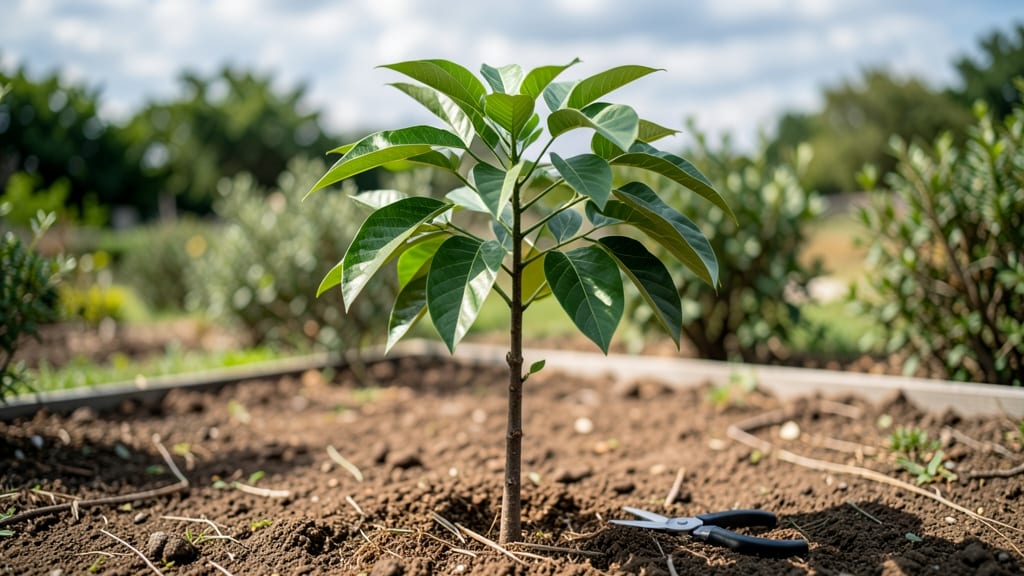
Growing a mango tree sapling from scratch is faster than you think—with the right approach, you'll see your first fruit in just 3-4 years instead of the usual 5-7. 🌱 I learned this the hard way after my first sapling took forever to mature, but these fast-start tips cut the wait time by nearly half while keeping the tree healthy and vigorous.
The secret starts with mimicking its tropical roots: well-draining soil, full sun exposure (6+ hours daily), and consistent moisture without waterlogging. Most beginners overwater, thinking more is better—it’s actually the opposite.
A 5-gallon container works for the first year, giving you control over soil quality and drainage before transplanting outdoors.
By year two, your sapling will look nothing like the spindly start—dark green, glossy leaves and a sturdy trunk mean you’re on track. Prune strategically to encourage a strong central leader, and watch as the tree begins flowering.
The first fruits might be small, but they’ll grow bigger each season if you keep conditions just right.
This method works in USDA zones 10-11 and with container growing in cooler climates during summer months. Even if you’re not in a tropical zone, you can still grow a mango tree—you just need to be smart about timing and protection. Let’s get that sapling thriving!
📚 In This Guide
- What you need
- Instructions
- Tips and common mistakes
- Wrapping up and next steps
What you need
- ● Mango Tree Sapling: Choose a healthy, disease-free sapling (1–3 feet tall) from a trusted nursery. Look for varieties like Alphonso, Tommy Atkins, or Keitt for best results.
- ● Well-draining potting mix: 5–10 gallons (for containers) or 1–2 cubic yards (for in-ground planting). Mix 50% coconut coir, 30% perlite, and 20% compost for optimal aeration.
- ● Pot or planting hole: Containers: 15–20 gallon pots with drainage holes (for saplings under 2 years). Use fabric grow bags for flexibility as the tree grows.
- ● In-ground: Dig a hole twice as wide and deep as the root ball to prevent root binding.
- ● Fertilizer: Slow-release balanced fertilizer (10-10-10 or 8-3-9) or organic options like fish emulsion or composted manure. Start with 1 tablespoon per gallon of soil.
- ● Mulch: 2–3 inches of wood chips or straw to retain moisture and regulate soil temperature.
- ○ Support stake (optional but recommended): A 6-foot bamboo or metal stake with soft ties (e.g., tree straps or old T-shirts) to prevent toppling in windy conditions.
- ● Garden trowel or shovel: For planting and soil work.
- ● Pruning shears: Sharp, sterilized shears for trimming dead or overgrown branches.
- ● Watering can or hose with a gentle nozzle: Avoid blasting the sapling’s roots.
- ○ pH testing kit (optional): Mangoes prefer soil pH 5.5–7.0. Adjust with lime (to raise pH) or sulfur (to lower it) if needed.
- ● Spray bottle (for humidity control): Useful for misting young leaves in dry climates.
- ● Sunlight: 6–8 hours of direct sunlight daily. Mango trees are tropical—no shade lovers here!
- ● Warmth: Ideal temperatures: 75–90°F (24–32°C). Avoid planting until last frost has passed (Zone 10+ is ideal; younger trees may need winter protection).
- ● Watering schedule: Keep soil consistently moist but not soggy. Water deeply 2–3 times per week (adjust for rain/climate).
- ● Patience: Mango trees take 3–5 years to bear fruit! Focus on nurturing strong roots and branches first.
Step-by-Step instructions for planting and caring for a mango tree sapling
Your tropical fruit dream starts here—just follow these steps for a strong, healthy sapling.
🪴 Step 1: Choose the Right Location and Prepare the Soil
Mango trees thrive in full sun with at least 6-8 hours of direct light daily. Pick a spot with shelter from strong winds—young saplings are delicate. If you're planting in a container, use a 5-gallon pot with drainage holes for the first year.
Mango trees demand well-draining soil with a slightly acidic to neutral pH (6.0-7.5). Mix equal parts garden soil, compost, and coarse sand to create the ideal loose, airy medium. Avoid heavy clay—roots need room to breathe. Test your soil first; amending with 1 cup of sulfur per 10 square feet can help lower pH if needed.
🌱 Step 2: Plant with Care and Water Deeply
Dig a hole twice as wide as the sapling's root ball but no deeper. Gently loosen the roots if they're circling—this prevents girdling as the tree matures. Place the sapling in the hole, ensuring the root flare (where roots meet trunk) sits 1-2 inches above soil level. Backfill with your prepared mix, pressing lightly to remove air pockets.
Water deeply right after planting—1-2 gallons for container saplings, 5-10 gallons for in-ground plants. Keep the soil evenly moist (not soggy) for the first 4-6 weeks. You'll know moisture is right when the top 2 inches of soil feel damp but not wet. Mulch with 2-3 inches of organic mulch (like wood chips) to retain moisture and regulate temperature.
☀️ Step 3: Provide Optimal Light and Temperature
Mango trees are tropical and need warmth—ideal temperatures range from 65-90°F. If you're in a cooler climate, start with a heat mat or grow under a high-output grow light for 12-14 hours daily. Move the sapling outside gradually over 1-2 weeks to avoid shock.
Watch for leggy growth (thin, stretched stems) or yellowing leaves—both signal insufficient light. If leaves turn pale or stems bend toward the light, adjust the position within 3-4 feet of the strongest window or supplement with a full-spectrum LED grow light kept 6-12 inches above the plant.
💧 Step 4: Water and Fertilize for Fast Growth
Water deeply 2-3 times per week during the first year, ensuring moisture reaches 12-18 inches down. Let the top 2 inches of soil dry out between waterings—this prevents root rot. Overwatering is the #1 killer of young mango saplings. You'll see new leaves emerging every 2-3 weeks as a sign of healthy growth.
Feed with a balanced, slow-release fertilizer (like 10-10-10) every 6-8 weeks starting in spring. Use half the recommended dose—mango trees are sensitive to excess salts. In late summer, switch to a low-nitrogen, high-potassium fertilizer (like 5-10-10) to encourage root and fruit development. Always water before fertilizing to prevent root burn.
✂️ Step 5: Prune and Protect for Long-Term Health
Prune only to shape in the first year—remove dead, damaged, or crossing branches with sterilized pruners. Make cuts just above a leaf node at a 45-degree angle to encourage healing. Avoid heavy pruning; mango trees set fruit on new growth, and aggressive cuts can delay fruiting for years.
Watch for pests like aphids or scale—wipe leaves with a soapy water solution (1 tsp mild soap per quart of water) if you spot sticky residue or tiny bugs. Protect young saplings from frost (below 32°F) with burlap wraps or move containers indoors. With proper care, your sapling will reach 6-10 feet tall in its first year—ready for fruiting in 3-5 years.
Tips & tricks for perfect mango tree sapling care
Here's what nobody tells you about getting that tropical sapling off to a flying start.
Soil Mix Science: When creating your equal parts garden soil, compost, and coarse sand mix, sift the sand through a fine mesh screen first to remove any gritty particles. This ensures your soil stays fluffy and well-aerated—critical for those delicate tropical roots. I learned this the hard way after watching saplings struggle in coarse, compacted soil that didn't drain properly. The goal is a texture similar to a well-draining potting mix, not sandy beach sand.
Root Flare Placement: That 1-2 inch elevation of the root flare above soil level in Step 2 is non-negotiable. This prevents the roots from suffocating as they grow outward while keeping the trunk stable. I've seen many gardeners bury the flare too deep, which leads to girdling and stunted growth. Use a pencil to mark the flare level before planting as a visual guide.
Light Transition Strategy: For cooler climates, that gradual 1-2 week outdoor acclimation in Step 3 is where most failures happen. I recommend starting with just 2 hours of direct sun on day one, then adding 1-2 hours each subsequent day. Sudden exposure to full sun can scorch tender leaves. Watch for slight wilting as your cue to slow down the transition—this is your plant's way of saying "too much, too soon."
Fertilizer Timing: The 6-8 week feeding schedule in Step 4 works perfectly, but here's the secret: split that first application into two smaller doses 3 weeks apart. This prevents salt buildup in the root zone while still giving your sapling the nutrients it needs. I've seen young mango trees suffer from fertilizer burn when given the full dose at once—always remember, more isn't better with these tropical divas.
Pro Tips for Mango Tree Sapling
- Here's what nobody tells you about getting that tropical sapling off to a flying start.
- Soil Mix Science: When creating your equal parts garden soil, compost, and coarse sand mix, sift the sand through a fine mesh screen first to remove any gritty particles.
- Root Flare Placement: That 1-2 inch elevation of the root flare above soil level in Step 2 is non-negotiable.
Frequently asked questions
Got questions about growing a mango tree sapling?
You’re not alone! Here are some of the most common concerns—plus quick, practical answers to help you get started with confidence.
How long does it take for a mango sapling to bear fruit?
A mango sapling typically takes 3 to 5 years to bear fruit, depending on the variety, climate, and care. Dwarf varieties may fruit sooner (2–3 years), while standard trees can take up to 7 years. Patience is key—focus on healthy growth first!
What’s the best time of year to plant a mango sapling?
Plant your sapling during the early rainy season or late dry season (varies by region). In tropical climates, aim for March–May or September–November when temperatures are warm but not scorching. Avoid extreme heat or cold snaps!
Can I grow a mango tree in a pot, or does it need a garden?
Yes! Mango trees thrive in large containers (15+ gallons) for 3–5 years, but they’ll need full sun, well-draining soil, and regular watering. For long-term growth, transplant to the ground once established. Dwarf varieties are ideal for pots.
Why are my mango sapling leaves turning yellow or dropping?
Yellowing leaves often signal overwatering, nutrient deficiency, or pests. Check soil moisture (let it dry slightly between waterings), fertilize with citrus/mango-specific food, and inspect for aphids or mites. Adjust care and monitor progress!
Do mango trees need pruning, and how often?
Prune your sapling once a year (late winter/early spring) to remove dead branches, shape growth, and improve airflow. Avoid heavy pruning—focus on 10–20% of the canopy to encourage fruiting. Use sterilized tools for clean cuts!
Pro Tip:
Need a shortcut? Grafting a mature mango branch onto your sapling can accelerate fruiting by 1–2 years. Just ensure the graft is compatible with your sapling’s rootstock for best results!
Wrapping up and next steps
Growing a mango tree sapling is a rewarding journey that brings tropical sweetness to your doorstep! With the right care—sunlight, well-draining soil, and patience—your sapling can thrive and eventually gift you with juicy, fragrant fruit. 🌱✨
Now that you’re armed with the fast-start tips, it’s time to roll up your sleeves and give your sapling the love it deserves. Start small, stay consistent, and watch your tropical dream grow—literally! Happy planting! 🌴💚