
Blooming
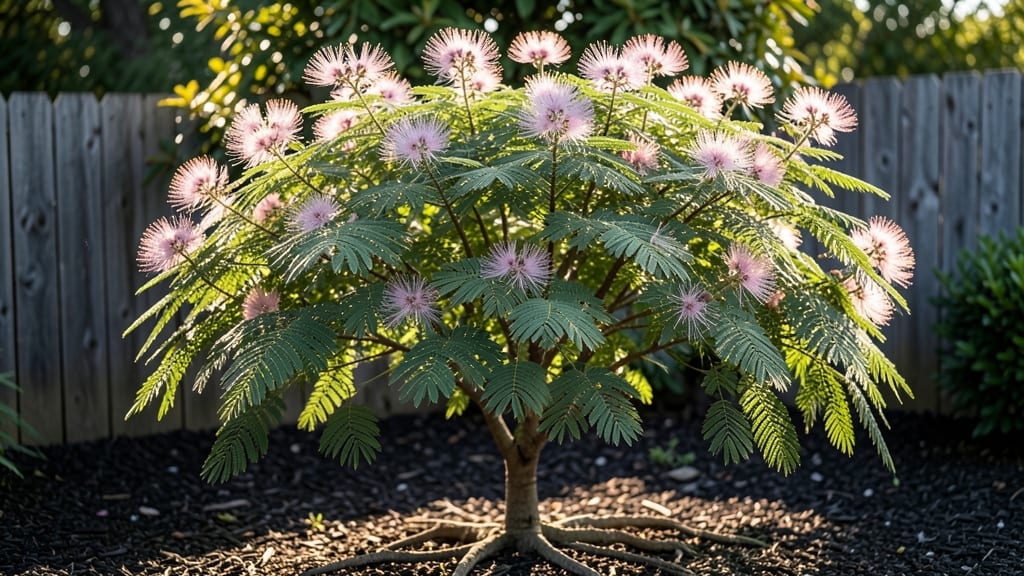
Mimosa tree blossoms transform your yard into a fragrant cloud when you nail the right balance of sunlight, soil, and pruning. 🌸 I’ve watched my own tree go from sparse blooms to showstopping pink puffs by making just a few adjustments—and the secret isn’t complicated.
The key starts with full sun exposure (6+ hours daily) and well-draining soil, but pruning in late winter is where the magic happens. Cut back old wood to encourage new growth, and you’ll see those signature fuzzy blooms return earlier and more abundantly each season.
Even in cooler climates, mimosas reward patience with weeks of sweet-scented flowers that hummingbirds adore.
What you’ll end up with is a tree that bursts into bloom year after year, its branches heavy with fragrant clusters that perfume the air. The best part?
Once established, mimosas need minimal fuss—just occasional pruning to shape growth and keep the canopy open for sunlight. Your yard will smell like spring for months.
Works beautifully in USDA Zones 7-10, though cold-hardy varieties extend that range. Whether you’re pruning for shape or blooms, the same principles apply—just adjust timing for your climate. Let’s get those blossoms going!
📚 In This Guide
- What you need
- Instructions
- Tips and common mistakes
- Wrapping up and next steps
What you need
- ● Mimosa Tree (Albizia julibrissin): Young sapling (3–5 ft tall) or bare-root plant (for transplanting)
- ○ Optional: Pre-blooming grafted variety for faster flowers
- ● Soil & Amendments: Well-draining potting mix (for containers) or native soil amended with:
- ● 1 part compost
- ● 1 part perlite or sand (to improve aeration)
- ○ Optional: Slow-release fertilizer (10-10-10 NPK ratio)
- ● Pruning Tools: Bypass pruners (sharp, sterilized)
- ● Loppers (for thicker branches, 1–2 ft long)
- ● Hand saw (for stubborn limbs, 8–10 inches)
- ○ Optional: Pruning sealant (for large cuts)
- ● Safety Gear: Gloves (gardening or cut-resistant)
- ● Safety goggles (if sawing thick branches)
- ● Sunlight: Full sun (6+ hours daily) for optimal blooms
- ● Climate: USDA Zones 6–9 (hardy to -10°F)
- ○ Optional: Frost cloth (for young trees in colder zones)
- ● Container Needs (if potted): Pot with drainage holes (minimum 12-inch diameter for saplings)
- ○ Optional: Self-watering planter for convenience
- ● 🌡️ Soil pH: Test and adjust to 6.0–7.5 (mimosas thrive in slightly acidic to neutral soil).
- ● ✨ Mulch: Apply 2–3 inches of organic mulch (e.g., wood chips) to retain moisture and regulate temperature.
- ● 🎯 Watering: Deep water 2–3 times per week (more in containers); avoid soggy roots.
Step-by-step guide to cultivating mimosa tree blossoms
Here's how to coax those iconic, fragrant blooms from your mimosa tree—year after year.
🌱 Step 1: Select the Right Mimosa Variety and Planting Site
Choose Albizia julibrissin for classic pink pom-pom flowers or Albizia lebbeck for larger, more tropical blooms. Mimosa trees thrive in USDA Zones 7-10 and demand full sun—at least 6-8 hours daily. I always plant mine in well-draining soil with a slightly alkaline pH (7.0-7.5)—they hate soggy roots.
Dig a hole twice as wide as the root ball but only as deep. The top of the root ball should sit 1-2 inches above ground level—this prevents stem rot. If your soil is heavy clay, amend with 2-3 inches of compost mixed into the bottom of the hole. Mimosa trees grow fast, so give them space: 20-30 feet apart for mature size.
☀️ Step 2: Master Seasonal Pruning for Continuous Blooms
Prune late winter or early spring (before new growth starts) to shape the tree and encourage dense, fragrant blooms. Use clean, sharp pruners to make cuts at a 45-degree angle just above a bud. Never remove more than one-third of the canopy in a single season—mimosa trees bloom on new wood, so aggressive pruning can delay flowers.
Here's the key: Prune lightly again in mid-summer after the first flush of blooms. This encourages a second, sometimes even third, flowering cycle. Watch for suckers (shoots growing from the base)—remove them immediately. They drain energy from the main tree and rarely produce flowers.
💧 Step 3: Water and Fertilize for Lush, Fragrant Growth
Young mimosa trees need deep watering twice weekly until established (about 1-2 years). Water at the base, not overhead—wet foliage invites powdery mildew. Mature trees tolerate drought once established, but they reward consistent moisture with more abundant blooms. You'll know it's right when the soil feels damp 2-3 inches down but not soggy.
Feed with a balanced 10-10-10 fertilizer in early spring and again after the first bloom cycle. I use ½ cup per tree spread evenly around the drip line. Mimosa trees are light feeders—too much nitrogen promotes leafy growth at the expense of flowers. In fall, switch to a low-phosphorus fertilizer to harden the tree for winter.
✂️ Step 4: Protect and Encourage Year-Round Blooms
Mimosa trees are sensitive to cold. If you're in Zone 7, wrap the trunk with burlap or tree guard in winter to prevent sunscald. In colder zones, plant near a south-facing wall for extra protection. Even in warm climates, late frosts can damage buds—cover young trees with frost cloth if temperatures dip below 28°F.
To extend the blooming season, prune lightly every 6-8 weeks during growing season. This keeps the tree compact and stimulates new growth. Watch for aphids or spider mites on new shoots—spray with neem oil at the first sign of infestation. Healthy trees produce fragrant blooms from spring through fall with proper care.
🪴 Step 5: Harvest and Maintain for Next Year's Blooms
Enjoy the blooms, but don't over-harvest. Remove spent flower clusters by hand to encourage more blooms. Save a few seed pods—they're beautiful in dried arrangements. In late fall, apply a 2-inch layer of mulch (like the 4 cubic feet of shredded bark you'll use) around the base, keeping it 6 inches away from the trunk. This protects roots and retains moisture.
Here's the thing—mimosa trees reward patience. It takes 2-3 years for young trees to produce their first significant blooms, but once established, they'll shower your garden with fragrance for decades. I've seen mine bloom into November in mild climates—just keep the pruners sharp and the soil happy.
Tips & tricks for perfect mimosa tree blooms
Real talk: Mimosa trees are finicky but rewarding. These insights will help you avoid common pitfalls and maximize those fragrant blooms.
Soil Science: Mimosa trees despise soggy roots more than anything. After planting, create a slight mound around the base to improve drainage during heavy rains. The 2-3 inches of compost you add in clay soil isn't just about nutrients—it's about breaking up that dense structure. Test your soil's pH annually; mimosas need that slightly alkaline range (7.0-7.5) to thrive. I've seen trees in acidic soil struggle to bloom despite perfect pruning.
Pruning Precision: Those 6-8 weekly pruning sessions during growing season might seem excessive, but they're what create the compact shape that produces more blooms. When you prune lightly in mid-summer after the first flush, focus on removing only the oldest growth—new shoots will emerge from those cuts and produce flowers. The 45-degree angle cuts aren't just for aesthetics; they prevent water from pooling at the cut site, which can cause rot.
Watering Wisdom: The "damp 2-3 inches down" rule is your best friend. Use a soil probe or long screwdriver to check moisture levels—don't guess. Young trees need that deep watering twice weekly, but mature trees can go longer between waterings once established. The key is consistency: mimosas respond to steady moisture with more abundant blooms. I've seen trees with inconsistent watering produce flowers, but they're never as fragrant or plentiful.
Cold Protection Strategy: That 28°F threshold is critical for bud protection. In Zone 7, I've found wrapping the trunk with burlap isn't just about sunscald prevention—it also creates a microclimate that can protect buds during brief cold snaps. For trees in containers, move them to a sheltered location before temperatures dip. The south-facing wall placement works wonders for young trees, but don't forget to monitor for late frosts even in warm climates.
Pro Tips for Mimosa Tree Blossoms
- Real talk: Mimosa trees are finicky but rewarding.
- Soil Science: Mimosa trees despise soggy roots more than anything.
- Pruning Precision: Those 6-8 weekly pruning sessions during growing season might seem excessive, but they're what create the compact shape that produces more blooms.
Frequently asked questions
Got questions about nurturing those dreamy mimosa tree blossoms? You’re not alone! Here’s a quick rundown of the most common queries—because even pros need a little guidance now and then.
When do mimosa trees typically bloom, and how long do the flowers last?
Mimosa trees (like the iconic Albizia julibrissin) usually burst into bloom in late spring to early summer, often around May, depending on your climate. Their fluffy, pink or white blossoms last 1–2 weeks per flush, but they may rebloom lightly later in the season. For year-round fragrance, prioritize regular pruning to encourage new growth!
How do I prune a mimosa tree to encourage more blossoms?
Prune in late winter or early spring before new growth starts. Focus on:
- Removing dead, diseased, or crossing branches first.
- Trimming back 1/3 of the canopy to improve airflow and sunlight penetration.
- Avoid heavy pruning in fall—it can stimulate tender growth that won’t survive winter.
Why aren’t my mimosa tree blossoms opening, even though there are buds?
Bud failure often stems from environmental stressors. Check for:
- Insufficient sunlight: Mimosa trees thrive in full sun (6+ hours/day). Move it or thin nearby foliage.
- Overwatering: soggy soil can rot roots. Water deeply but only when the top 2–3 inches of soil are dry.
- Nutrient deficiencies: Apply a balanced fertilizer (10-10-10) in early spring.
Can I grow mimosa trees in containers, or are they strictly for landscapes?
Yes! Mimosa trees adapt well to large containers (15+ gallons), making them perfect for patios or small yards. Use:
- A well-draining potting mix (add perlite or sand).
- Containers with drainage holes to prevent root rot.
- Move pots to a sunny spot in summer and bring indoors (near a bright window) if temps drop below 20°F (-7°C).
Are mimosa blossoms safe for bees and butterflies?
Mimosa flowers are a magnet for pollinators, attracting bees, butterflies, and hummingbirds. Their fragrant, nectar-rich blooms support local ecosystems—just avoid spraying pesticides during bloom time. For extra buzz, plant companion flowers like lavender or coneflowers nearby to extend the pollinator party.
Wrapping up and next steps
The mimosa tree’s delicate, fragrant blossoms are a reward for patience and care—whether you’re nurturing a young sapling or fine-tuning a mature tree. With the right pruning precision and seasonal attention, you’ll enjoy their golden bursts year after year. 🌸
Ready to dive deeper? Start small: pick one pruning task this week—like removing dead branches or shaping your tree—and watch your mimosa thrive! For extra inspiration, explore local gardening forums or connect with fellow plant lovers online.