
Pruning
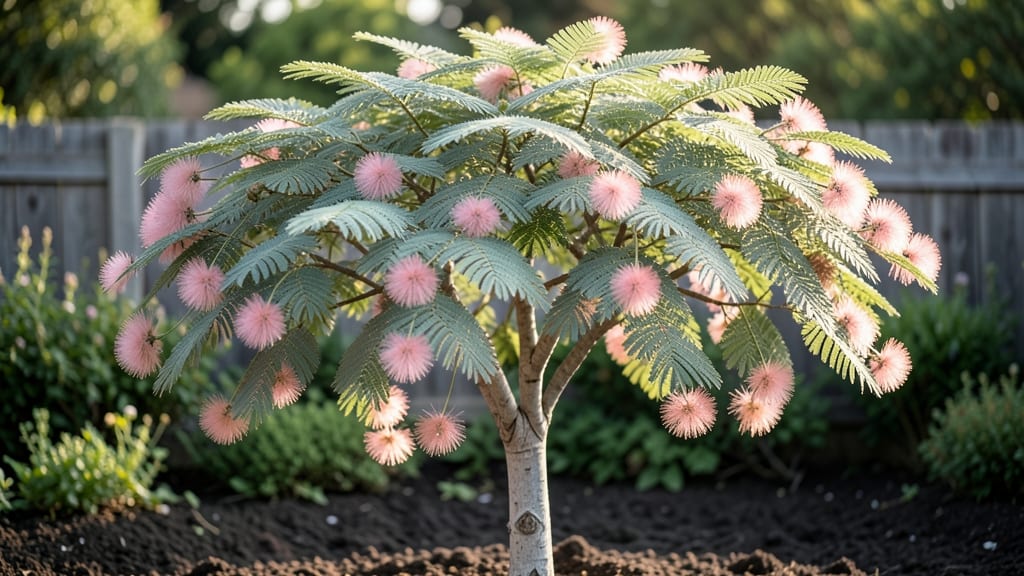
Growing mimosa trees in Tennessee means embracing a fast-growing, sun-loving showstopper that thrives in your heat and humidity. 🌿 These fluffy pink blooms transform any yard into a dreamy spring scene—but they need the right pruning to stay healthy and keep flowering year after year.
I’ve learned the hard way that skipping maintenance leads to messy seed pods and leggy branches, so let’s fix that together.
The secret to keeping your mimosa looking its best starts with spring pruning to shape the tree and remove those messy seed pods before they spread. Tennessee’s climate gives these trees a head start, but they still need well-draining soil and full sun to really shine.
Once established, they’re drought-tolerant, but young trees need consistent watering to get those roots deep and strong.
With proper care, your mimosa will reward you with vibrant pink blooms from spring through summer and lush, fern-like foliage that adds texture to your landscape. The key is balancing pruning with the tree’s natural growth habits—too much cuts back flowering, but too little leads to a wild, unruly shape.
We’ll cover the exact techniques to keep it looking polished without sacrificing those signature blooms.
One thing to watch in Tennessee? Mimosa trees can be invasive in some areas, so check local regulations before planting. If you’re looking for a native alternative with similar beauty, redbud trees (Cercis canadensis) offer stunning spring blooms without the same spread potential.
Let’s get your mimosa thriving the right way!
📚 In This Guide
- What you need
- Instructions
- Tips and common mistakes
- Wrapping up and next steps
What you need
- ● Pruning shears: Bypass pruners (for small branches) or loppers (for thicker limbs, up to 2 inches in diameter). Must be sharp and sterilized!
- ● Pruning saw: A bow saw or pruning saw for branches thicker than 2 inches.
- ● Gloves: Heavy-duty gardening gloves (mimosa thorns are no joke!). Opt for leather or reinforced fabric for extra protection.
- ● Disinfectant: Rubbing alcohol (70%+) or a gardening disinfectant spray to clean tools between cuts and prevent disease.
- ● Trash bags: Heavy-duty contractor bags (at least 30-gallon size) for debris.
- ● Ladder: Extension ladder (20–30 feet, depending on tree height) with non-slip feet and a sturdy platform.
- ● Safety gear: Safety glasses (to shield from debris)
- ● Long sleeves/pants (to protect from thorns and sun)
- ● Closed-toe shoes (no sandals!)
- ○ Tree wound paint: Pruning sealant (optional; some experts debate its necessity for mimosa trees).
- ● Handheld leaf blower: For quick cleanup of fine debris.
- ● Tree growth regulator: Pruning paste (if treating large wounds).
- ● Notebook & pen: To jot down pruning notes or track growth patterns.
- ● Budding compound: Pruning wax (for sealing cuts in extreme cases).
Step-by-Step pruning guide for healthy mimosa trees in Tennessee
This is how I keep my mimosa trees thriving through Tennessee's extreme seasons.
🌿 Step 1: Time Your First Pruning for Late Winter Dormancy
Prune your mimosa tree between mid-February and early March while it's still dormant but before new growth begins. Tennessee's unpredictable spring freezes make this timing critical—waiting too long risks cutting off potential blooms. Look for bare branches with no leaf buds as your visual cue.
Start by removing any dead, diseased, or crossing branches first. These are easy to spot—they'll be brown, brittle, or growing directly against another branch. Make clean cuts at a 45-degree angle about ¼ inch above a healthy outward-facing bud. This encourages proper regrowth and prevents water from pooling at the cut.
I always use sterilized pruning shears to prevent spreading fungal diseases common in Tennessee's humid climate. Wipe the blades with rubbing alcohol between cuts on different branches. The goal here is to open up the canopy for better air circulation and sunlight penetration.
✂️ Step 2: Shape for Airflow and Light Penetration
Mimosa trees naturally grow with an open, airy habit, but Tennessee's dense summer humidity can encourage fungal issues if the center gets too crowded. Step back and examine the tree's structure—you're looking for branches that grow inward or rub against each other. These need priority removal.
For structural shaping, remove up to 25% of the tree's total growth in one session. Never remove more than one-third of the canopy in a single pruning—this stresses the tree and can lead to dieback. Focus on removing suckers at the base and any branches growing below the first set of strong lateral branches. These compete with the main structure for energy.
Here's the thing—mimosa trees bloom on new wood, so aggressive heading back isn't necessary. Instead, focus on thinning out rather than cutting back to a specific length. You'll see fresh green growth within 2-3 weeks after proper pruning, signaling the tree is responding well.
☀️ Step 3: Summer Maintenance for Continuous Bloom
After the initial spring pruning, your mimosa will need light maintenance throughout summer to encourage continuous flowering. Every 4-6 weeks, remove any spent flower clusters and overly leggy growth. This isn't about dramatic shaping—just keeping the tree looking tidy and promoting new flower production.
Watch for water sprouts—these are fast-growing, weak branches that appear after heavy pruning. They steal energy from the main structure and should be removed as soon as they appear. Make these cuts just above a leaf node where new growth can emerge. Tennessee's summer heat makes water sprouts grow aggressively, so don't let them get more than 6 inches long before removing.
This is where many gardeners make the mistake of over-pruning. Mimosa trees are fast growers and will recover quickly from light summer trims. If you see yellowing leaves after pruning, it's usually a sign of over-pruning or under-watering—not a disease. Adjust your approach and give the tree deep watering every 5-7 days during summer droughts.
🪴 Step 4: Prepare for Winter Dormancy
In late October or early November, before Tennessee's first hard frost, give your mimosa a final light pruning to remove any weak, diseased, or crossing branches that might have developed over summer. This prepares the tree for dormancy and reduces winter damage risk.
Focus on removing any suckers that appeared over summer and any branches that grew during the current season's flush. The goal is to clean up the tree without making drastic cuts. You'll see fewer leaves on the branches you remove—these are the ones that grew this year and haven't fully hardened off.
After this final pruning, avoid fertilizing—the tree needs to enter dormancy properly. Instead, apply a 2-3 inch layer of mulch around the base (but not touching the trunk) to protect roots from temperature fluctuations. This is particularly important in Tennessee where winter temperatures can swing dramatically between days.
⏰ Step 5: Year-Round Monitoring for Tennessee Conditions
Mimosa trees in Tennessee face unique challenges from humid summers and variable winters. Monitor your tree monthly for signs of stress: yellowing leaves, leaf drop, or unusual growth patterns. These often indicate pests, diseases, or environmental stress rather than pruning issues.
If you notice powdery mildew (common in Tennessee's humidity), prune to improve airflow immediately. Remove heavily infected branches first, then sterilize your tools. For aphid infestations, a strong spray of water often works—just time it for early morning when aphids are least active.
Real talk: mimosa trees are drought-tolerant once established, but Tennessee's clay soil can hold too much moisture. If your tree shows wilting despite regular watering, it might be root-bound or suffering from poor drainage. In this case, prune back slightly to reduce the canopy's water demands while you assess the root situation.
Tips & tricks for perfect mimosa tree pruning in Tennessee
Tennessee's climate demands special attention when pruning mimosa trees—here's how to avoid common pitfalls and maximize results.
Timing is Everything: The mid-February to early March window is non-negotiable for your first pruning. I learned this the hard way after seeing spring freezes damage fresh growth on trees pruned too late. Check for bare branches without leaf buds—this is your definitive cue. If you're unsure about Tennessee's specific freeze dates, set a reminder for February 15th as a safe starting point. The goal is to prune while the tree is still dormant but before new growth begins, which typically happens around late March.
Tool Sterilization Matters: Tennessee's humid summers create perfect conditions for fungal spread. After removing dead branches in Step 1, sterilize your pruning shears between cuts using rubbing alcohol—this simple step prevents cross-contamination that could lead to powdery mildew. I keep a small bottle of 70% isopropyl alcohol in my gardening toolbox specifically for this purpose. The same sterilization protocol applies during summer maintenance when dealing with water sprouts or infected branches.
Visual Growth Indicators: Mimosa trees show clear signs of recovery after proper pruning. Within 2-3 weeks, you should see fresh green growth emerging from the cut branches you made during Step 2's structural shaping. If you don't observe this within four weeks, it may indicate over-pruning or poor growing conditions. Pay special attention to the suckers at the base—these should show new growth within 10-14 days if the tree is healthy. This visual feedback helps you adjust your approach for future pruning sessions.
Seasonal Adjustments: The 4-6 week summer maintenance schedule works best in Tennessee's climate, but you may need to adjust based on your specific microclimate. In particularly hot summers, consider pruning every 5 weeks to prevent water stress. For the final autumn pruning in late October/early November, focus on removing only the most obvious weak branches—this "light cleanup" approach prevents winter damage while maintaining the tree's energy reserves. The 2-3 inch mulch layer mentioned in Step 4 is especially critical in Tennessee's clay soil, which can experience dramatic temperature swings.
Pro Tips for Mimosa Tree Tennessee
- Tennessee's climate demands special attention when pruning mimosa trees—here's how to avoid common pitfalls and maximize results.
- Timing is Everything: The mid-February to early March window is non-negotiable for your first pruning.
- Tool Sterilization Matters: Tennessee's humid summers create perfect conditions for fungal spread.
Frequently asked questions
Got questions about growing and pruning mimosa trees in Tennessee? You’re not alone! Here are some of the most common queries—and straightforward answers—to help you keep your tree thriving.
When is the best time to prune a mimosa tree in Tennessee?
Prune your mimosa tree late winter or early spring (February–March) before new growth starts. Avoid pruning in fall or winter when the tree is dormant, as this can stress it. Light shaping can be done after blooming (May–June), but never cut into old wood—it won’t regrow!
Can I prune a mimosa tree too much? What are the signs?
Yes! Over-pruning weakens the tree and reduces blooms. Signs include bare branches, sparse foliage, or no flowers. Mimosa trees thrive with selective pruning—focus on removing dead, crossing, or diseased branches (max 25% of the canopy per year). If you’ve already pruned too much, fertilize and water deeply to recover.
How do I protect my mimosa tree from Tennessee winters?
Mimosa trees are hardy (USDA Zones 6–9), but young trees or harsh winters may need help. Mulch the base (3–4 inches) with wood chips or straw, and water deeply before frost. Avoid heavy pruning in late fall—wait until late winter. If snow loads branches, gently brush it off to prevent breakage.
Why isn’t my mimosa tree blooming? Is pruning the issue?
Mimosa trees bloom on new growth, so over-pruning old wood can reduce flowers. Other causes: poor soil, lack of sunlight, or stress (drought, pests). Try balanced fertilizer (10-10-10) in early spring, ensure 6+ hours of sun daily, and check for aphids or spider mites, which sap energy.
Are there mimosa tree alternatives for Tennessee with less mess?
If you love mimosa’s blooms but hate the seed pods and pollen, consider these low-maintenance alternatives:
- Southern Magnolia (Magnolia grandiflora) – Evergreen, fragrant, and pest-resistant.
- Crape Myrtle (Lagerstroemia) – Drought-tolerant with vibrant summer blooms.
- Japanese Zelkova (Zelkova serrata) – Deciduous with minimal seed drop.
Wrapping up and next steps
Growing a mimosa tree in Tennessee is a rewarding experience that brings vibrant blooms and lush foliage to your landscape—when you master the art of pruning. By following the right techniques, timing, and tools, you’ll ensure your tree stays healthy, productive, and stunning year-round.
Whether you’re trimming for shape, encouraging blooms, or maintaining safety, your efforts will pay off with a thriving, picturesque tree that becomes the star of your yard! 🌿✨
Ready to take the next step? Grab your pruners, mark your calendar for late winter or early spring, and give your mimosa tree the care it deserves. With a little patience and practice, you’ll be well on your way to a flourishing, bloom-filled centerpiece for years to come!