
Pruning
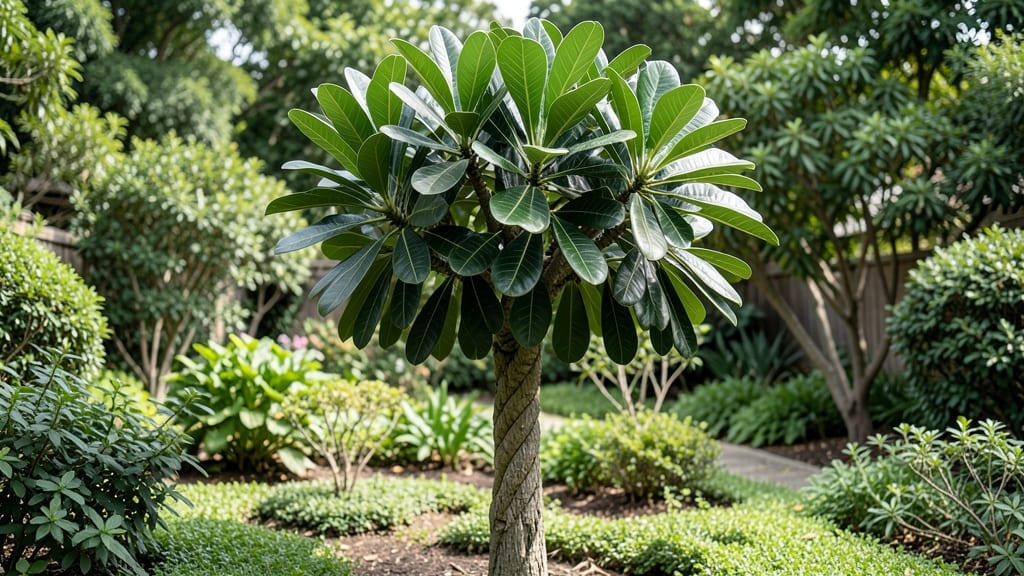
The money tree name—Pachira aquatica—hides a plant so much more than its feng shui fame. 🌿 This tropical beauty, also called Guiana chestnut, brings year-round lushness with minimal effort, and its braided trunk adds instant elegance to any space.
What makes it special isn’t just its looks but how adaptable it is—whether you’re styling a sunlit living room or a low-light corner.
Botanically, Pachira aquatica thrives indoors with just three simple trims a year to keep it full and healthy. The cultural significance runs deep too: in feng shui, its five-leaf clusters symbolize wealth and prosperity, making it a favorite for home decor.
Even its alternate names—like "prosperity tree"—hint at the positive energy it brings. The best part? It’s forgiving enough for beginners but striking enough to impress.
You’ll end up with a plant that stays vibrant all year, its glossy leaves filtering the air while its unique shape becomes a conversation starter. The trimming routine takes less than 10 minutes and keeps it compact, so it fits anywhere—from a spacious entryway to a cozy bookshelf.
Plus, its slow growth means you won’t be repotting for years.
Works just as well in modern interiors as in traditional spaces, and its drought tolerance makes it a low-maintenance star. Whether you’re drawn to its symbolism or just love a plant that’s easy to care for, this one delivers on both fronts. Let’s get those trims perfected!
📚 In This Guide
- What you need
- Instructions
- Tips and common mistakes
- Wrapping up and next steps
What you need
- ● Pruning shears or scissors: Sharp, clean (sterilize with rubbing alcohol before use). Bypass pruners (for clean cuts) are ideal.
- ○ Gloves: Optional but recommended (nitrile or leather to protect from sap and thorns).
- ● Rubbing alcohol (70% or higher): For sterilizing tools between cuts.
- ● Small container or bag: To collect clippings (for propagation or disposal).
- ○ Rooting hormone (optional): Gel or powder to boost success if propagating from cuttings.
- ● Well-draining potting mix: Cactus/succulent blend or a mix with perlite/pumice (if repotting).
- ● Small pots (2-4 inches): 2-3 units for propagating new plants (if desired).
- ● Know your money tree’s age: Mature trees (2+ years) can handle heavier trims. Younger plants need gentler shaping.
- ● Timing: Trim in early spring, summer, and late fall to avoid stressing the plant during dormancy.
- ● Light check: Ensure your tree is in bright, indirect light (low light = slower recovery post-trim).
- ● Watering pause: Hold off on watering for 3-5 days after trimming to prevent rot.
- ● Backup plan: Have a spray bottle with water handy to mist leaves if your home is dry.
Step-by-Step guide to pruning your money tree for year-round growth
Here's the simple trimming system I rely on to keep my money trees full and vibrant.
🌿 Step 1: Identify the Three Key Trim Zones
Start by examining your money tree (Pachira aquatica) for three distinct areas where trimming will encourage new growth. First, look for the topmost set of leaves—this is your primary growth point. Second, scan for leggy stems where leaves are spaced more than 6 inches apart. Finally, spot any yellowing or damaged leaves that need removal.
I always trim just above a leaf node (the small bump where leaves attach) to encourage branching. Never cut directly above a node—this creates a bare stem. Use clean, sharp pruning shears to make 45-degree cuts about ¼ inch above the node. This angle helps water run off and prevents rot.
✂️ Step 2: Prune for Shape and Density
Begin with the topmost leaves—select 2-3 of the largest, outermost leaves and trim them back to a node about 3-4 inches down the stem. This forces the plant to redirect energy to side branches, creating a fuller canopy. Watch for the plant's natural growth pattern: money trees often grow in whorls of 5 leaves, so aim to maintain this symmetry.
Next, address the leggy stems by cutting back to a node where you see multiple leaves growing in a cluster. Avoid cutting into bare stems—this creates unsightly "stumps" that won't regrow. If a stem is completely bare, trim it back to a node with leaves. You'll notice new shoots emerging from the trimmed nodes within 4-6 weeks.
💧 Step 3: Refresh and Revitalize with Strategic Trims
Remove any yellowing, brown, or damaged leaves by cutting them at the base where they meet the stem. Diseased or pest-ridden leaves should be discarded immediately. For overly large leaves, you can trim them by 20-30% to reduce stress on the plant, especially if your money tree is in a low-light area. This also encourages smaller, more manageable leaves to grow in their place.
After trimming, give your money tree a light misting with water to reduce stress. Place it in a bright, indirect light spot for 24 hours to recover. You'll see new growth emerging from the trimmed nodes within 3-4 weeks—this is your signal that the pruning worked. Avoid fertilizing immediately after trimming; wait until new growth appears to prevent burning tender roots.
Tips & tricks for perfect money tree pruning
Here's what nobody tells you about transforming your money tree's growth—these tricks make all the difference between a sparse plant and a lush, thriving one.
Leaf Node Precision: The ¼-inch cut above the node in Step 1 isn't just arbitrary—it's about creating the perfect angle for water runoff. After trimming, I always run my finger along the cut to verify it's smooth. Rough cuts can trap moisture, leading to rot at the node. This small detail ensures your money tree stays healthy while encouraging new growth from exactly where you want it.
Symmetry Secret: Money trees naturally grow in whorls of 5 leaves, and maintaining this pattern in Step 2 creates that signature full, bushy look. When selecting which 2-3 leaves to trim, I look for the ones that disrupt this symmetry most. The goal is to create a balanced silhouette where each whorl has an equal number of leaves—this visual harmony is what makes money trees so appealing.
Stress Recovery Hack: That 24-hour recovery period in bright, indirect light after pruning isn't just about letting the plant "rest"—it's about resetting its metabolic processes. During this time, the plant closes its stomata (those tiny pores on leaves) to reduce water loss. I've found that adding a light misting helps maintain humidity around the fresh cuts, which significantly speeds up the healing process and reduces the risk of infection.
Growth Timeline Reality: The 4-6 week window for new shoots to emerge might seem long, but it's actually quite fast for a tropical plant. To track progress, I mark the trimmed nodes with a soft pencil (it washes off easily) and check them weekly. You'll notice tiny buds forming before you see actual leaves—this is your first sign that the pruning worked. Patience here pays off with bushier growth.
Pro Tips for Money Tree Name
- Here's what nobody tells you about transforming your money tree's growth—these tricks make all the difference between a sparse plant and a lush, thriving one.
- Leaf Node Precision: The ¼-inch cut above the node in Step 1 isn't just arbitrary—it's about creating the perfect angle for water runoff.
- Symmetry Secret: Money trees naturally grow in whorls of 5 leaves, and maintaining this pattern in Step 2 creates that signature full, bushy look.
Frequently asked questions
Got questions about keeping your money tree (Pachira aquatica) thriving with the right name—and trims? You’re in the right place! Here are answers to the most common queries to help you master year-round lushness.
Why is my money tree called a "money tree"?
The name comes from Feng Shui beliefs—its five-pointed leaves symbolize wealth and prosperity. In Vietnamese culture, it’s called the "money plant," and its resilience (even after trimming!) reinforces its lucky reputation. Plus, its tropical vibe adds a touch of luxury to any space!
How often should I trim my money tree for year-round growth?
Aim for light trims every 3–4 months to encourage bushiness. Prune just above a leaf node (where leaves grow) to redirect energy. Never trim more than ⅓ of the plant at once—this can stress it. Spring and summer are ideal, but gentle trims in fall/winter won’t hurt!
Can I propagate my money tree from trimmings?
Root cuttings in water
or moist soil—use 4–6 inch stems with at least 2 leaf nodes. Change the water weekly, and roots should appear in 4–6 weeks. Pro tip: Skip the lower leaves to prevent rot. Once rooted, transplant to soil and keep humidity high for 2 weeks.
What if my money tree’s leaves turn yellow after trimming?
Yellow leaves usually mean over-trimming or stress. If it’s just a few leaves, it’s normal! But if half the plant yellows, check for:
- Overwatering (let soil dry 1–2 inches between waterings)
- Too much sun (move to bright, indirect light)
- Temperature drops (keep above 60°F/15°C)
Are there alternatives to the money tree for indoor wealth plants?
Yes! Try these low-maintenance, lucky-leafed pals:
Plant
Why It’s "Lucky"
Care Level
Jade Plant (Crassula ovata)
Symbolizes prosperity; thick leaves store water.
Moderate (drought-tolerant)
Lucky Bamboo (Dracaena sanderiana)
Represents growth and good fortune; thrives in water.
Easy (just water + indirect light)
Snake Plant (Sansevieria)
Air-purifying and resilient; great for beginners.
Very easy (needs almost no light)
Each has its own trimming tips—just ask!
Wrapping up and next steps
Your money tree is more than just a stunning houseplant—it’s a symbol of prosperity and growth, and with the right care, it can thrive year-round! 🌿 By mastering the three simple trims outlined in this guide, you’ve unlocked the secret to keeping your tree lush, balanced, and full of energy.
Whether you’re a pruning pro or just starting out, these techniques make maintenance effortless and rewarding.
Now that you’re armed with the knowledge, take the next step—grab your shears and give your money tree the love it deserves! 💚 Check its health regularly, adjust your trimming routine based on its growth, and watch as it flourishes into a vibrant centerpiece for your space. Happy pruning!