
Pruning
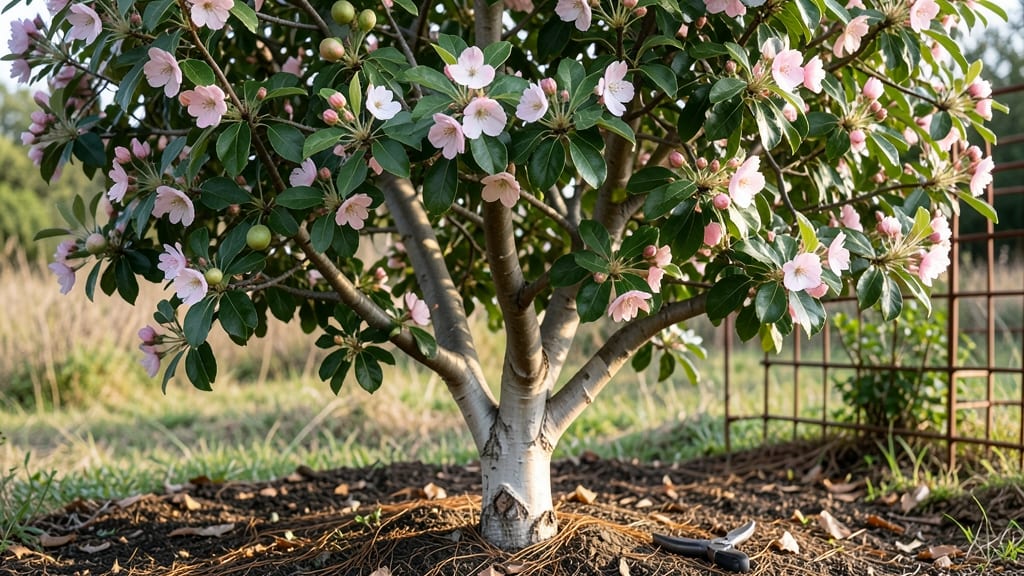
A thornless non-fruit crabapple tree transforms any yard into a four-season show without the mess of apples. I planted mine last spring, and now it’s the centerpiece of my front yard—no cleanup, just beauty.
The secret lies in choosing the right variety (like 'Dolgo' or 'Sentinel') and giving it the perfect spot.
These trees thrive in full sun but tolerate partial shade, making them versatile for small yards or urban spaces. Well-draining soil is key—amend heavy clay with compost if needed. Water deeply once a week for the first year, then let nature take over.
Pruning is minimal: just shape in late winter to remove dead branches and open the center for airflow.
What you’ll love most are the spring blossoms, glossy green foliage, and fiery fall color—all without the fruit flies or dropped apples. Birds adore the berries (if you choose a fruiting variety), but thornless types stay tidy.
For extra impact, plant near a patio or walkway where you can enjoy the fragrance up close.
Even experienced gardeners appreciate how low-maintenance these trees are. They resist most pests and diseases, and their slow growth means fewer pruning chores. Perfect for beginners or busy homeowners who still want a stunning landscape feature. Ready to add one to your yard?
📚 In This Guide
- What you need
- Instructions
- Tips and common mistakes
- Wrapping up and next steps
What you need
- ● Thornless crabapple tree: Choose a disease-resistant variety like 'Dolgo', 'Sentinel', or 'Centennial' (1-3 gallon container or bare-root sapling).
- ● Shovel or trowel: For digging planting holes (12" wider than the root ball).
- ● Pruning shears: Bypass pruners (sharp, 6"-8" blades) for clean cuts.
- ● Loppers: For thicker branches (10"-12" cutting capacity).
- ● Hand saw: Pruning saw with a curved blade for larger limbs.
- ● Gloves: Heavy-duty work gloves (thorn protection, even for thornless varieties!).
- ● Mulch: 2-3 inches of organic mulch (wood chips or shredded bark) for moisture retention.
- ● Watering can or hose: With a gentle spray nozzle for post-planting hydration.
- ● Tree ties or stretchy fabric strips: To secure young trees to stakes (if needed).
- ● Soil amendments: Compost or peat moss to improve drainage in heavy clay soils.
- ● Fertilizer: Slow-release, balanced fertilizer (10-10-10 or similar) for new plantings.
- ● Tree stake kit: 2-3 stakes + malleable ties for windy areas.
- ● Disinfectant: 70% isopropyl alcohol or pruning sealant for tool sanitation.
- ● Safety gear: Goggles and ear protection for heavy pruning sessions.
- ● Planting hole frame: DIY or store-bought guide to ensure proper depth.
Step-by-Step guide for planting and caring for a thornless crabapple tree
Here’s how to get your ornamental crabapple thriving with minimal fuss.
🌱 Step 1: Choose the Right Planting Location
Thornless crabapple trees love full sun to partial shade, with at least 6 hours of direct sunlight daily. A spot with well-draining soil is critical—these trees hate soggy roots. Look for an area with 4-6 inches of topsoil depth where the tree can spread its roots without competing with grass or weeds.
I always check the site’s drainage by digging a 12-inch hole and filling it with water. If it drains within 30 minutes, the spot is perfect. If water pools after an hour, amend the soil with 2-3 inches of compost to improve drainage before planting.
🪴 Step 2: Dig the Hole and Prepare the Root Ball
Dig a hole twice as wide as the root ball and just as deep. The tree’s root flare (where the roots meet the trunk) should sit 1-2 inches above ground level—burying it too deep suffocates the roots. Gently loosen the root ball’s edges if it’s tightly bound to encourage outward growth.
Mix the removed soil with a handful of slow-release fertilizer (like 10-10-10) to give the tree a nutrient boost. Avoid fresh manure—it can burn young roots. Place the tree in the hole, backfill with the amended soil, and tamp lightly to remove air pockets.
☀️ Step 3: Water Thoroughly and Mulch Properly
After planting, water deeply—about 10 gallons—to settle the soil and eliminate air gaps. The top 6 inches of soil should be moist but not waterlogged. Watering lightly won’t encourage deep root growth, so aim for 1-2 inches of water per week during the first year.
Spread 2-3 inches of mulch (like wood chips or shredded bark) around the base, keeping it 6 inches away from the trunk to prevent rot. Mulch retains moisture and regulates soil temperature, but too much can smother roots. Refresh the mulch annually to maintain its protective layer.
✂️ Step 4: Prune for Shape and Health
Prune in late winter or early spring before new growth begins. Remove any dead, diseased, or crossing branches first—these compete for energy and can spread infections. Use clean, sharp pruners to make cuts just outside the branch collar (the swollen area where the branch meets the trunk).
Thornless crabapples respond well to light shaping pruning in summer too. Trim back any leggy growth to encourage bushier foliage. Avoid heavy pruning—these trees bloom on old wood, so over-pruning reduces next year’s flowers.
🌿 Step 5: Monitor for Pests and Diseases
Thornless crabapples are disease-resistant, but aphids and spider mites can still appear. Check the undersides of leaves weekly for sticky residue (aphids) or fine webbing (mites). A strong spray of water usually dislodges them, but neem oil works for stubborn infestations.
Watch for fire blight (blackened, oozing branches) or powdery mildew (white fuzzy patches). Prune infected areas 6 inches below the damage and sterilize tools with rubbing alcohol between cuts. Healthy trees rarely struggle, so proper watering and spacing keep most issues at bay.
Tips & tricks for planting and caring for thornless crabapple trees
These simple tricks will help your thornless crabapple grow into a stunning, low-maintenance centerpiece.
Location Intelligence: That 6 hours of sunlight requirement is non-negotiable for vibrant blooms and healthy growth. In Step 1, check for morning sun exposure—it helps prevent afternoon heat stress. If your yard has afternoon shade, position the tree where it gets sun in the morning and partial shade later in the day. The 12-inch drainage test is your best friend—if water pools after an hour, you'll need to amend the soil with compost before planting.
Root Ball Prep: When loosening the root ball in Step 2, be gentle—you're not trying to shred the roots, just encourage them to spread outward. I've seen people cut through roots trying to "free them up," which actually damages the tree. Instead, focus on creating vertical slits around the edges with your fingers. The 1-2 inch root flare position is crucial—this prevents girdling as the tree matures.
Watering Wisdom: Those 10 gallons of initial watering might seem like a lot, but it's essential for settling the soil around the roots. After planting, check soil moisture by sticking your finger 2 inches deep—it should feel damp but not soggy. The 1-2 inches of water per week guideline works best with deep watering sessions rather than frequent light watering. This encourages roots to grow deeper, making your tree more drought-resistant over time.
Pruning Precision: For Step 4, remember that thornless crabapples bloom on old wood, so avoid heavy pruning. When shaping in summer, focus on removing no more than 25% of the canopy at a time. I always sterilize my pruners with rubbing alcohol between cuts—this prevents spreading any potential diseases between branches. The 6-inch rule for pruning infected areas is critical for containing fire blight.
Pro Tips for Non Fruit Crabapple Tree
- These simple tricks will help your thornless crabapple grow into a stunning, low-maintenance centerpiece.
- Location Intelligence: That 6 hours of sunlight requirement is non-negotiable for vibrant blooms and healthy growth.
- Root Ball Prep: When loosening the root ball in Step 2, be gentle—you're not trying to shred the roots, just encourage them to spread outward.
Frequently asked questions
Got questions about non-fruit crabapple trees? You’re not alone! Here are some of the most common concerns—and straightforward answers—to help you make the best choices for your landscape.
What’s the best time of year to plant a non-fruit crabapple tree?
Plant your thornless crabapple in early spring or fall when soil temperatures are mild. This gives roots time to establish before extreme heat or cold sets in. Avoid planting in summer or winter, as stress from temperature swings can stunt growth.
How much sunlight does a non-fruit crabapple tree need?
These trees thrive in full sun (6+ hours/day), but they tolerate partial shade (4–6 hours). For optimal growth and disease resistance, prioritize sunny spots. In shadier areas, expect slower growth and fewer blooms.
Do non-fruit crabapple trees require pruning, and how often?
Yes! Prune in late winter or early spring to shape the tree and remove dead/diseased branches. Focus on open-center growth to improve airflow. Young trees need light pruning; mature trees may require annual maintenance to control size and shape.
Are non-fruit crabapple trees truly thornless, or do some varieties still have spines?
Most thornless varieties (like ‘Dolgo’ or ‘Sentinel’) have minimal to no thorns, but a few may develop small, soft spines. Always check the cultivar description before purchasing. Thornless types are safer for kids, pets, and high-traffic areas.
What pests or diseases should I watch for in non-fruit crabapple trees?
Common issues include apple scab, fire blight, and borers. To prevent problems, prune for airflow, avoid overhead watering, and apply fungicide if needed. Resistant varieties (e.g., ‘Adams’) are great for low-maintenance landscapes.
Can I grow a non-fruit crabapple tree in a container or small yard?
While possible, these trees grow 15–30 feet tall and need space. Dwarf varieties (like ‘Centennial’) work better for containers or tight yards. Ensure the pot has drainage and replant every 3–5 years as roots expand.
Wrapping up and next steps
Planting a non-fruit crabapple tree is a fantastic way to add beauty and structure to your landscape with minimal fuss! These thornless varieties thrive with basic care, offering year-round interest—from vibrant blooms in spring to striking foliage in fall.
Whether you're a busy homeowner or a novice gardener, this low-maintenance choice delivers big rewards with little effort.
Ready to transform your outdoor space? Start by selecting the perfect spot—sunny, well-drained, and spacious—and watch your tree grow into a stunning centerpiece! 🌳✨