
Pruning
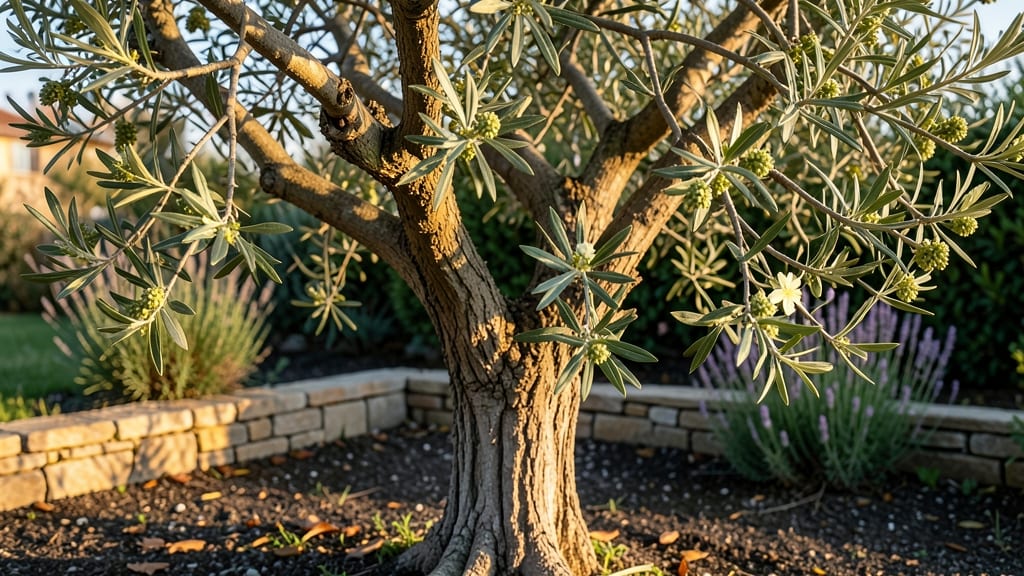
Those tiny olive tree flower buds hold the secret to your tree’s future harvest—if you know how to nurture them. 🌿 I’ve watched my own olive tree go from sparse blooms to heavy clusters just by adjusting when and how I prune, and the difference in fruit production is night-and-day.
The buds form in late winter or early spring, right after the tree finishes its winter dormancy, but they’re sensitive to stress. Too much water, too little sunlight, or pruning at the wrong time can send them into shock.
The key is timing: prune in late winter before buds swell, and avoid heavy cuts once flowers appear.
With the right care, you’ll see buds thicken into creamy-white blossoms by spring, followed by olives by fall. The tree rewards patience—each bud that survives becomes a potential fruit, and a well-pruned tree can produce for decades. Here’s how to give them the best chance.
This works for both young trees and mature ones, though older trees may need gentler shaping. Whether you’re in a Mediterranean climate or a warmer zone, the principles stay the same—just adjust your schedule for your local frost dates.
📚 In This Guide
- What you need
- Instructions
- Tips and common mistakes
- Wrapping up and next steps
What you need
- ● Pruning shears: Bypass pruners (for clean cuts on small branches) – 1 pair (sharp, high-quality, e.g., Felco or Fiskars).
- ● Loppers: Bypass or anvil type (for thicker branches, 1.5–2.5 inches in diameter) – 1 pair.
- ● Pruning saw: Curved-tooth or folding saw (for branches >2.5 inches) – 1.
- ● Disinfectant: Rubbing alcohol (70%+) or bleach solution (1 part bleach to 9 parts water) – small bottle (for sterilizing tools).
- ● Gloves: Heavy-duty, cut-resistant (to protect hands from thorns and sap) – 1 pair.
- ○ Pruning sealant: Optional but helpful (e.g., tree wound paint) – small tube (for sealing large cuts).
- ● Ladder or step stool: Sturdy, extendable (if tree is >6 feet tall) – 1.
- ● Trash bags: Heavy-duty (for collecting pruned branches) – 2–3.
- ● Notebook & pen: (to mark cuts or track growth) – 1.
- ● Timing: Prune after flowering (late winter/early spring) or before new growth (summer). Avoid heavy pruning in fall.
- ● Weather: Choose a dry, overcast day to minimize stress on the tree.
- ○ Safety gear: Safety glasses (optional but recommended for debris).
- ● Tree health check: Inspect for pests/diseases before pruning (treat if needed).
How to prune olive trees for healthy flower buds and growth
Pruning olive trees isn't just about shaping—it's about encouraging those vibrant flower buds. Here's my go-to method for keeping your tree productive and lush.
🌿 Step 1: Prune at the Right Time for Flower Buds
Olive trees bloom best when pruned in late winter or early spring, just before new growth begins. This timing ensures you remove dead wood while stimulating fresh flower buds. Avoid pruning after buds form—you'll risk cutting off potential blooms. I always check for dormant buds (small, rounded swellings) before making cuts.
If you live in a mild climate, a light prune in summer after harvest also works. Just avoid heavy cuts then—focus on shaping and removing only the most overgrown branches. The key is to prune when the tree isn't actively growing, so it directs energy toward new buds rather than healing wounds.
✂️ Step 2: Remove Dead, Diseased, or Crossing Branches First
Start by cutting out any dead, diseased, or damaged branches—these sap energy from your tree. Use clean, sharp pruners to make cuts at a 45-degree angle, about ¼ inch above a bud or branch collar. I always disinfect my tools with rubbing alcohol between cuts to prevent spreading disease.
Next, remove branches that cross or rub against each other. These create wounds where pests and diseases can enter. Thin out crowded branches to improve airflow—this reduces humidity and fungal risks. You'll know you're doing it right when sunlight reaches the inner canopy and new buds start forming along the branches.
☀️ Step 3: Shape the Tree for Light and Airflow
Olive trees thrive with an open, vase-like shape that lets light penetrate to the center. Start by removing any branches growing inward or downward—they block sunlight and weaken the structure. I aim for a balanced silhouette, with the widest part near the middle and narrower at the top.
For mature trees, limit cuts to no more than 25% of the foliage in one season. Over-pruning stresses the tree and can reduce flower bud production. Watch for new buds forming along the remaining branches—this tells you the tree is responding well. If buds appear sparse, you may need to prune lighter next time.
🌱 Step 4: Encourage Flower Bud Formation with Strategic Cuts
To boost flower buds, focus on shortening last year’s growth by about ⅓ on non-fruiting branches. This stimulates new shoots where buds will form. I make cuts just above an outward-facing bud to encourage growth in the right direction. Avoid cutting into old wood—it rarely produces new buds.
For fruiting branches, leave 3-5 buds at the end of each branch. These will develop into next year’s flowers and olives. You'll see tiny, rounded buds swell in early spring—these are your future blooms. If you notice buds drying out or falling off, the tree may need more water or nutrients.
💧 Step 5: Post-Pruning Care for Recovery and Blooms
After pruning, water deeply to help the tree recover. Olive trees are drought-tolerant, but new growth needs moisture to establish. I water at the base of the tree, avoiding the foliage to prevent fungal issues. A layer of mulch (2-3 inches) helps retain moisture and regulates soil temperature.
Fertilize lightly in early spring with a balanced, slow-release fertilizer. Too much nitrogen can reduce flower bud formation. Watch for new growth and buds over the next 4-6 weeks—this confirms your pruning was successful. If buds appear weak or sparse, adjust your approach next year.
Tips & tricks for pruning olive trees for year-round blooms
These simple yet powerful tricks will help you maximize those beautiful flower buds while keeping your olive tree healthy and thriving.
Timing is Everything: The late winter/early spring window is critical—this is when your tree is just waking up from dormancy. If you're in a mild climate, that summer prune after harvest should be light and focused only on shaping. I've seen trees with sparse blooms because someone pruned too late in spring, cutting off potential buds before they formed. Always check for those tiny, rounded dormant buds before making cuts—they're your future flowers!
Tool Prep Matters: Your pruners are more important than you might think. Always disinfect them between cuts with rubbing alcohol—this prevents spreading disease from one branch to another. I also recommend sharpening your tools regularly; dull blades tear wood instead of making clean cuts, which slows healing and stresses the tree. For larger branches, use pruning saws to avoid tearing the bark.
Visual Cues for Perfect Cuts: When making those 45-degree cuts about ¼ inch above the bud, look for the branch collar—the swollen area where the branch meets the trunk. This is your target spot. The cut should be smooth, not jagged, and should expose the bright green tissue underneath. If you see brown or blackened areas, that branch is already dead and should be removed immediately.
Post-Pruning Recovery: That 2-3 inch layer of mulch after pruning isn't just decorative—it's essential. It helps regulate soil temperature and retains moisture, which is crucial for new bud formation. I also recommend watering deeply at the base of the tree, avoiding the foliage entirely. Wetting leaves can invite fungal infections, which will compete with your tree's energy for bud production.
Pro Tips for Olive Tree Flower Buds
- These simple yet powerful tricks will help you maximize those beautiful flower buds while keeping your olive tree healthy and thriving.
- Timing is Everything: The late winter/early spring window is critical—this is when your tree is just waking up from dormancy.
- Tool Prep Matters: Your pruners are more important than you might think.
Frequently asked questions
Got questions about olive tree flower buds?
You’re not alone! Whether you’re a first-time pruner or an experienced gardener, these common queries can help you master the art of encouraging blooms and growth. Here’s what you need to know:
When is the best time to prune olive tree flower buds for blooms?
The ideal time to prune olive trees for flower buds is late winter to early spring (January–March), just before new growth begins. This timing ensures you’re not cutting into buds that have already formed for the current season. Avoid pruning in fall or during active blooming to prevent stressing the tree.
How long does it take for olive tree flower buds to bloom after pruning?
Olive tree flower buds typically bloom 6–12 weeks after pruning, depending on climate and tree health. Warmer regions may see buds open sooner, while cooler areas might take longer. Patience is key—consistent watering and sunlight will speed up the process!
Can I prune olive tree flower buds in summer? What are the risks?
Pruning in summer can stunt blooming and stress the tree, as it’s already focusing energy on fruit production. If you must prune, do so lightly to remove only dead or overgrown branches. Always prioritize late winter/early spring for optimal results.
What should I do if my olive tree isn’t producing flower buds after pruning?
Several factors could be at play: lack of sunlight, overwatering, or nutrient deficiencies. Ensure your tree gets 6+ hours of sunlight daily, prune correctly (thinning cuts, not topping), and fertilize with phosphorus-rich soil in early spring. If issues persist, check for pests or disease.
Are there alternative methods to encourage olive tree flower buds without pruning?
Yes! Try these pruning-free tips:
- Water deeply but infrequently (olives hate soggy roots).
- Apply a balanced fertilizer (10-10-10) in early spring.
- Mulch around the base to retain moisture and regulate soil temp.
- Plant in well-draining soil with a slightly alkaline pH (6.0–8.0).
Wrapping up and next steps
Pruning olive tree flower buds is your secret weapon for vibrant blooms and healthy growth—but timing, technique, and patience are key! 🌿 By mastering the art of selective pruning, you’ll encourage lush foliage, abundant fruit, and even year-round beauty.
Whether you’re a seasoned gardener or just starting, every snip brings you closer to that thriving olive tree of your dreams.
Ready to take the next step? Grab your pruners, mark your calendar, and start small—even a single branch can make a difference! 🌱 For best results, observe your tree’s response and adjust your approach over time. Happy pruning!