
Pruning
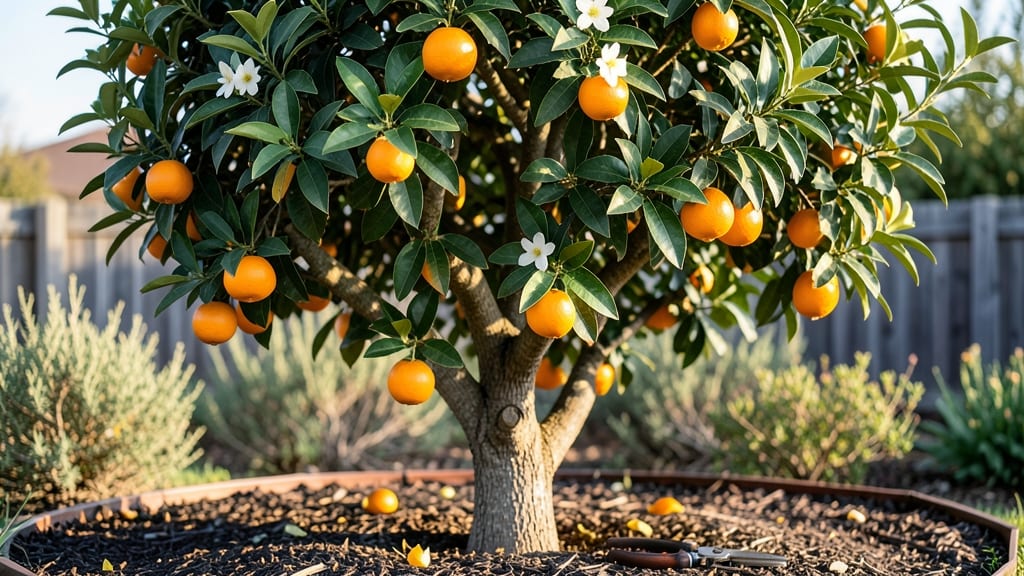
The orange palm tree (Canarium spp. or Syagrus romanzoffiana) transforms any yard into a tropical escape—if you know its secrets. I’ve watched mine go from scraggly to vibrantly lush in just two years, all thanks to a simple pruning rhythm that keeps it healthy year-round.
The key isn’t just cutting back dead fronds; it’s understanding when and how to shape the tree so it grows fuller, not weaker.
This palm thrives in zones 9-11, where temperatures stay above 20°F year-round, but with the right care, you can push its limits slightly cooler. It loves well-draining soil—think sandy loam with a touch of compost—and full sun (at least 6 hours daily).
Water deeply once a week in summer, then taper off in winter when growth slows. Fertilize lightly every 3 months with palm-specific food to avoid burning roots, and you’ll see that glossy green canopy you’ve always wanted.
Year-round pruning isn’t about drastic cuts—it’s about maintenance. Remove only the brown, dry fronds at the base and any fronds rubbing together (they’ll tear and invite pests). Do this every 2-3 months, and your palm will reward you with new, vibrant fronds pushing through the center.
The result? A tree that looks thriving, not just surviving, with minimal effort.
Whether you’re growing the edible candlenut palm (Canarium) or the ornamental Queen Palm (Syagrus), the same rules apply. Adapt for your climate—just protect it from frost, and you’ll have a palm that feels like a vacation in your own backyard. Ready to give it a try?
📚 In This Guide
- What you need
- Instructions
- Tips and common mistakes
- Wrapping up and next steps
What you need
- ● Pruning shears or loppers – Sharp, bypass-style blades (20-24" length) for clean cuts on smaller fronds.
- ● Pruning saw – A curved-tooth saw (16-20" blade) for thicker stems or dead wood.
- ● Heavy-duty gloves – Thick, cut-resistant gloves (gardening or palm-specific) to protect hands from sharp fronds.
- ● Safety goggles – Impact-resistant goggles to shield eyes from debris.
- ● Ladder or extension pole – Sturdy, 12-16 ft. ladder or a telescoping pole for reaching higher fronds.
- ● Disinfectant (70% isopropyl alcohol or bleach solution) – 1 part bleach to 9 parts water to sterilize tools between cuts.
- ● Heavy-duty trash bags or bin – For removing pruned debris (20+ gallon capacity).
- ○ Pruning sealant (optional) – Tree wound dressing for large cuts (1+ inch in diameter).
- ● Pole saw or harvester – For efficient frond removal on mature trees.
- ● Work boots with ankle support – For stability on uneven ground.
- ● Long-sleeve shirt and pants – To protect from sun and scratches.
- ● Hose with spray nozzle – To clean tools and rinse cuts post-pruning.
- ● Fertilizer (balanced palm fertilizer) – 10-10-10 or citrus-specific blend to nourish the tree after pruning.
Step-by-Step guide for pruning orange palm trees year-round
Here’s how to maintain a healthy, vibrant orange palm through strategic seasonal pruning.
Assess the Tree for Pruning Needs
Begin by examining the palm’s fronds carefully. Healthy fronds should be upright and green, while dead or brown fronds will hang limp or crumble easily. Focus on removing only the fronds that are completely brown and dry—never prune green fronds, as they’re still photosynthesizing and feeding the tree. Use a sharp pruning saw or loppers to cut through the fibrous base of the frond where it meets the trunk.
I always start with the oldest, most damaged fronds first. These are the ones closest to the ground, often yellow or brown with a brittle texture. Prune these first to reduce the risk of pests or disease spreading to healthier fronds. If you’re unsure which fronds to remove, look for ones that are completely dry and have lost their structural integrity—they’ll snap easily when bent.
Remove Dead or Damaged Fronds Safely
Use a clean, sterilized pruning tool to cut the frond at its base, just above the trunk’s natural swelling. Avoid leaving stubs, as these can trap moisture and invite fungal infections. Work methodically from the outside inward, removing one frond at a time. This prevents the tree from becoming overloaded and ensures stability during the process.
Here’s the thing—orange palms are sensitive to over-pruning. Never remove more than one-third of the fronds in a single session, even if the tree looks overgrown. The remaining healthy fronds provide the energy needed for recovery. If you’re unsure how many fronds to remove, count the total number and prune no more than one in four during a single session.
Clean Up and Sterilize Tools
After pruning, dispose of the removed fronds immediately to prevent pests or diseases from lingering near the tree. I always use a heavy-duty trash bag and seal it tightly before removing it from the area. This step is critical—leaving old fronds on the ground can attract palm weevils, a common and destructive pest for orange palms.
Sterilize your pruning tools with a 10% bleach solution or rubbing alcohol to kill any bacteria or fungi that may have been on the fronds. Wipe down the blades thoroughly and allow them to dry completely before storing. This prevents cross-contamination between pruning sessions, especially if you’re working with multiple trees.
Monitor for New Growth and Adjust Pruning Schedule
After pruning, watch for new fronds to emerge from the center of the palm. Healthy growth should appear within 4-6 weeks, depending on the tree’s age and overall health. If new fronds are slow to appear, the tree may need additional nutrients or better watering practices. I recommend applying a balanced palm fertilizer during the growing season to support recovery.
Orange palms benefit from light pruning every 3-4 months to maintain their shape and remove dead fronds before they become a burden. However, avoid heavy pruning during the winter months, as the tree’s growth slows significantly. Instead, focus on removing only the most damaged fronds and let the palm rest during cooler weather.
Tips & tricks for perfect orange palm tree pruning
Keeping your orange palm thriving requires more than just cutting fronds—it’s about understanding the tree’s delicate balance. Here’s what I’ve learned after years of perfecting this process.
Frond Selection Strategy: When assessing fronds in Step 1, look for the classic "V" shape in the cross-section of dry fronds—this indicates they’re completely dead and safe to remove. Healthy fronds will have a more triangular cross-section with green tissue. I’ve made the mistake of removing partially green fronds, which actually weakened the tree’s ability to photosynthesize.
Pruning Sequence Matters: In Step 2, always work from the outside moving inward. This prevents the tree from becoming top-heavy and ensures you maintain stability. I learned this the hard way when a large frond snapped mid-prune, nearly taking me down with it. Start with the largest, most damaged fronds first—they’re the heaviest and most likely to cause imbalance.
Seasonal Timing Insight: The 3-4 month pruning schedule in Step 4 works best when you align with the tree’s natural growth cycle. In spring and summer, the tree can handle more aggressive pruning as it’s actively growing. Winter is strictly for maintenance—only remove fronds that are clearly dead or pose a safety hazard. I’ve seen palms stressed by winter pruning fail to recover in spring.
Tool Maintenance Secret: After sterilizing your tools in Step 3, don’t just wipe them dry—apply a thin layer of food-grade mineral oil to the blades. This creates a protective barrier that prevents rust and makes future cuts cleaner. I keep a small bottle of oil in my pruning kit specifically for this purpose, and my tools last significantly longer.
Pro Tips for Orange Palm Tree
- Keeping your orange palm thriving requires more than just cutting fronds—it’s about understanding the tree’s delicate...
- Frond Selection Strategy: When assessing fronds in Step 1, look for the classic "V" shape in the cross-section of dry...
- Pruning Sequence Matters: In Step 2, always work from the outside moving inward. This prevents the tree from becoming...
Frequently asked questions
Got questions about nurturing your orange palm tree (like Phoenix dactylifera or Canarium odoratum)? Here are some common ones—and their answers—to keep your tree thriving year-round:
How often should I prune my orange palm tree?
Prune your orange palm tree 2–3 times per year, focusing on dead fronds, yellowing leaves, and overgrowth. In warmer climates, light trimming can be done monthly to encourage airflow. Avoid heavy pruning in winter—wait until spring for major cuts to prevent stress. Pro tip: Use sterilized tools to avoid disease!
Can I prune my orange palm tree in winter?
Winter is not ideal for heavy pruning, as cold temps slow healing. However, you can remove only dead or damaged fronds to prevent pests. If you must prune, do so on mild days and avoid cutting more than 10% of the fronds at once. Wait until spring for full pruning sessions.
What if my orange palm tree isn’t growing after pruning?
Slow growth could signal nutrient deficiency, over-pruning, or poor drainage. Check soil moisture (keep it consistently moist but not soggy) and fertilize with a palm-specific formula in spring. If fronds stay brown, reduce pruning frequency or inspect for pests like palm weevils.
Are there alternatives to orange palm trees for small spaces?
Yes! If space is limited, consider dwarf varieties like Chamaedorea elegans (parlor palm) or Syagrus romanzoffiana (queen palm). For fragrant options, Canarium odoratum (elemi tree) is compact yet aromatic. Ensure your alternative thrives in your USDA zone (most palms prefer 9–11).
How do I prevent disease after pruning?
Sterilize tools with rubbing alcohol before/after cuts to kill bacteria. Avoid wounding healthy tissue—prune at the base of fronds, not mid-stem. Remove all debris post-pruning to deter fungus. If you spot black spots or mold, treat with a copper fungicide and improve airflow.
Wrapping up and next steps
From selecting the right tools to mastering the art of year-round pruning, caring for your orange palm tree is all about patience and precision. 🌿 A well-maintained palm not only thrives with a lush, vibrant canopy but also stands as a stunning centerpiece in your landscape.
Whether you're a seasoned gardener or just starting out, these tips will help you nurture a healthy, beautiful tree for years to come.
Ready to take your pruning skills to the next level? Start small—pick one technique to practice this season, and gradually build your confidence. Before you know it, your orange palm will be the envy of the neighborhood! Happy pruning! 🌟