
Diseases
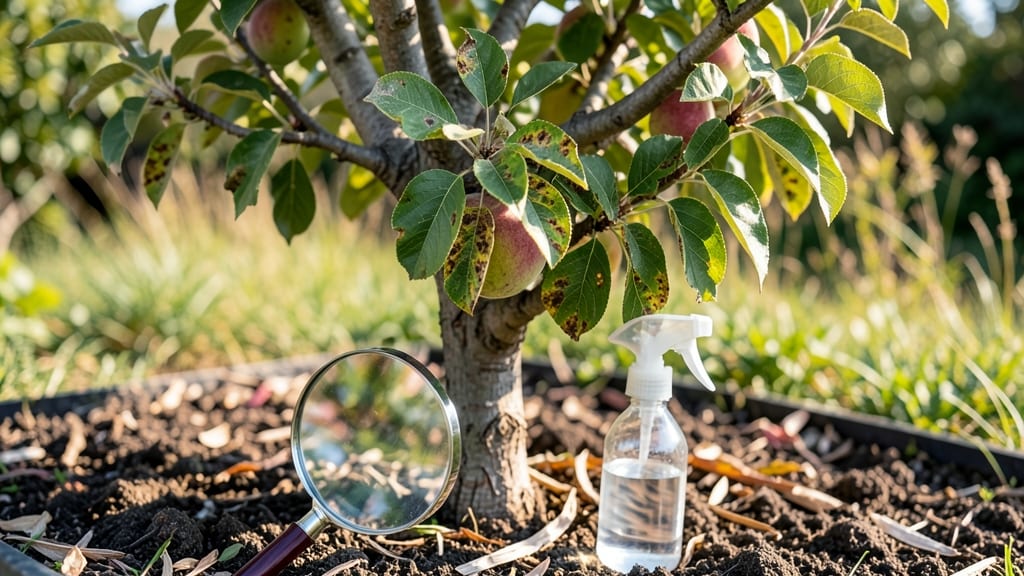
Peach tree fungus on leaves starts with tiny specks that multiply into unsightly patches before you know it. 🌱 I’ve seen healthy trees turn into fungus magnets when left unchecked—those brown spots and curled leaves aren’t just cosmetic; they signal a battle for your tree’s health.
The key is catching it early, when a simple spray or pruning can still save the season.
Most leaf fungi—like brown rot or powdery mildew—love humidity and poor airflow, turning your peach tree into an all-you-can-eat buffet. The good news? You don’t need a degree in horticulture to fight back.
A mix of copper fungicide, neem oil, and proper pruning can turn the tide before the fungus spreads to fruit. Start with sanitation—clean tools, remove infected leaves—and you’ll cut off its lifeline.
📚 In This Guide
- What you need
- Instructions
- Tips and common mistakes
- Wrapping up and next steps
What you need
- ● Hand lens or magnifying glass – For closely inspecting leaf spots, powdery mildew, or rust (3x–10x magnification recommended).
- ○ Moisture meter (optional) – Helps track soil humidity, a key factor in fungal outbreaks (0–100% range).
- ● Digital camera or phone – Capture close-ups of symptoms to compare with online resources (e.g., USDA Plant Disease Database).
- ● Fungicide (copper-based or sulfur-based) – Choose 3–4 lbs of copper fungicide per 100 gallons of water (e.g., Copper Sulfate or Liqui-Cop). OR sulfur fungicide (follow label rates, typically 2–4 lbs per 100 gal).
- ● Pruning shears (sterilized) – Sharp, bypass-style shears (avoid dull blades that tear bark). Disinfect with 70% isopropyl alcohol or bleach solution (1 part bleach : 9 parts water).
- ● Heavy-duty gloves and long sleeves – Protect against irritants like sulfur or copper dust.
- ● Garden hose with nozzle – For thorough leaf washing (adjustable spray tip for gentle rinsing).
- ○ Organic mulch (optional but recommended) – 2–3 inches of wood chips or straw to improve drainage and reduce humidity at the base.
- ○ Drip irrigation system (optional) – Reduces overhead watering (which spreads spores). Use emitters with 1–2 GPH flow rate.
- ○ Fan or airflow promoter (optional) – Improves air circulation (e.g., 12V USB-powered clip-on fan for small trees).
- ● Baking soda solution (for mild cases) – Mix 1 tbsp baking soda + 1 tsp dish soap + 1 gallon water (spray on leaves weekly).
Step-by-Step guide for treating peach tree leaf fungus
Here's how I tackle fungal infections before they take over—using simple, effective methods that protect your tree.
🌿 Step 1: Identify the Fungus Type and Damage Level
Start by examining the leaves closely. Peach trees commonly suffer from brown rot, leaf spot, or powdery mildew. Brown rot shows as dark, circular spots with a fuzzy center, while leaf spot appears as small, water-soaked patches that expand. Powdery mildew looks like a white, powdery coating on the leaf surface.
Check the undersides of leaves too—many fungal spores hide there. If you see more than 20% of leaves affected, you're dealing with a serious outbreak that needs immediate treatment. The sooner you act, the easier it is to save your tree.
💧 Step 2: Remove and Dispose of Infected Leaves
Use clean, sharp pruning shears to snip off all infected leaves. Don't just pull them—the stems can harbor spores. Place the clippings in a sealed plastic bag immediately. I like to double-bag them to prevent spores from escaping into the yard.
For severe cases, remove entire branches if they're heavily infected. Sterilize your shears between cuts by wiping them with 70% rubbing alcohol. This prevents spreading spores from one cut to the next. After trimming, dispose of the bagged leaves in the trash, not the compost.
✂️ Step 3: Apply Fungicide and Improve Airflow
Mix a copper-based fungicide (like copper sulfate) or a baking soda solution (1 tablespoon baking soda + 1 quart water + a drop of dish soap) in a spray bottle. Apply it to both the top and bottom of leaves, focusing on the undersides where spores hide. Do this in the early morning when humidity is high—fungicides work best when they can cling to leaves.
Thin out any dense branches to improve airflow around the tree. Fungal spores thrive in damp, shaded conditions, so opening up the canopy helps leaves dry faster. I usually prune in a way that lets sunlight reach the lower branches—this alone can prevent future outbreaks.
☀️ Step 4: Adjust Watering and Mulching Practices
Water the tree at the base only, avoiding the leaves. Wet foliage stays damp longer, creating perfect conditions for fungi. Use a soaker hose or drip irrigation to deliver water directly to the roots. Water in the early morning so leaves dry by afternoon.
Replace old mulch with 2-3 inches of fresh, organic mulch (like shredded bark). Old mulch can harbor fungal spores, so remove it completely before adding new. Keep mulch 6 inches away from the trunk to prevent rot at the base.
⏰ Step 5: Monitor and Prevent Recurrence
Check the tree weekly for new fungal signs. Early detection means quicker fixes. If you see yellowing leaves or sticky residue (honeydew), that’s a sign of aphids—which can spread fungal diseases. Spray with neem oil if pests appear.
Apply a preventative fungicide spray every 2-3 weeks during peach tree blooming season. This keeps fungal spores from gaining a foothold. I also recommend planting fungus-resistant peach varieties like 'Redhaven' or 'Elberta' if your current tree keeps getting infected.
Tips & tricks for treating peach tree fungus
Real talk: Fungal infections can turn a healthy peach tree into a sad, spotty mess in no time. Here's how to stop them before they spread—and keep your tree thriving.
Early Detection is Key: In Step 1, when you're identifying the fungus, don't just look at the tops of leaves—flip them over! That's where fungal spores love to hide. I've seen cases where the undersides were completely covered in spores while the tops looked fine. Grab a magnifying glass if you need to—those tiny details make all the difference. The 20% threshold mentioned is critical: once you hit that point, you're dealing with a full-blown outbreak that requires more aggressive treatment.
Pruning Precision: When you're removing infected leaves in Step 2, work from the bottom up. This prevents spores from raining down on healthy leaves below. I like to wear disposable gloves and a long-sleeve shirt—fungal spores can irritate skin. After each cut, wipe your shears with rubbing alcohol (just like the instructions say), but don't forget to clean between batches of leaves too. I've seen people cross-contaminate their entire tree by not sterilizing properly between cuts.
Fungicide Application Secrets: For Step 3, when mixing your baking soda solution, use distilled water if possible—tap water can contain minerals that reduce the fungicide's effectiveness. Shake the spray bottle well before each use, especially if you're using a copper-based fungicide, as those tend to settle. Apply until the leaves are dripping wet on both sides—this ensures complete coverage. I've found that adding a few drops of vegetable oil to the mix helps it stick better to the leaves, especially in humid conditions.
Preventative Pruning: When improving airflow in Step 3, focus on removing branches that cross or rub against each other. These create wounds where fungal spores can enter. I like to thin out the tree by about 20-25%—this might seem drastic, but it dramatically improves airflow and sunlight penetration. Just remember to make your cuts just outside the branch collar where it meets the trunk for the cleanest heal.
Pro Tips for Peach Tree Fungus On Leaves
- Real talk: Fungal infections can turn a healthy peach tree into a sad, spotty mess in no time.
- Early Detection is Key: In Step 1, when you're identifying the fungus, don't just look at the tops of leaves—flip them over!
- Pruning Precision: When you're removing infected leaves in Step 2, work from the bottom up.
Frequently asked questions
Got questions about peach tree fungus on leaves?
You’re not alone! Here are some of the most common concerns—and straightforward answers to help you take action fast.
What does peach tree fungus on leaves look like?
Fungal infections like brown rot or leaf spot typically show as dark, irregular spots with yellow halos on leaves. Some may have fuzzy white or gray mold on the undersides. Check for premature leaf drop or stunted growth—these are red flags!
When is the best time to treat peach tree fungus?
Act early—as soon as you spot symptoms in spring or early summer. Fungi spread fast in warm, humid conditions, so preventative sprays (like copper fungicide) in late winter can stop outbreaks before they start.
Can I save my peach tree if it already has fungus?
Yes! Prune infected leaves immediately (sterilize tools with rubbing alcohol) and apply a fungicide (neem oil or sulfur-based). Improve airflow by thinning branches and water at the base (not overhead) to reduce humidity. Most trees recover with consistent care!
Are there natural remedies for peach tree fungus?
Try a baking soda spray (1 tbsp baking soda + 1 tsp oil + 1 gallon water) or milk spray (1 part milk to 9 parts water). For severe cases, compost tea (rich in beneficial microbes) can boost the tree’s defenses. Always test a small area first to avoid leaf burn.
Will peach tree fungus spread to other trees or fruits?
Yes—fungi like brown rot can jump to nearby trees (especially stone fruits) and infect fruits, causing rot. Isolate infected trees and clean up fallen leaves (dispose of them, don’t compost). Harvest fruits before ripening if fungus is present to prevent contamination.
Wrapping up and next steps
Peach tree fungus on leaves doesn’t have to be a hopeless battle—early action and the right approach can save your harvest! 🌱 By identifying symptoms like brown spots, yellowing, or powdery growths, and using organic or chemical treatments (when needed), you can protect your tree’s health. Stay proactive: monitor your trees regularly, prune properly, and maintain good garden hygiene to keep fungal threats at bay.
Ready to take charge? Start with a quick inspection of your peach tree today—your future fruit (and peace of mind) will thank you! 🍑✨