
Pruning
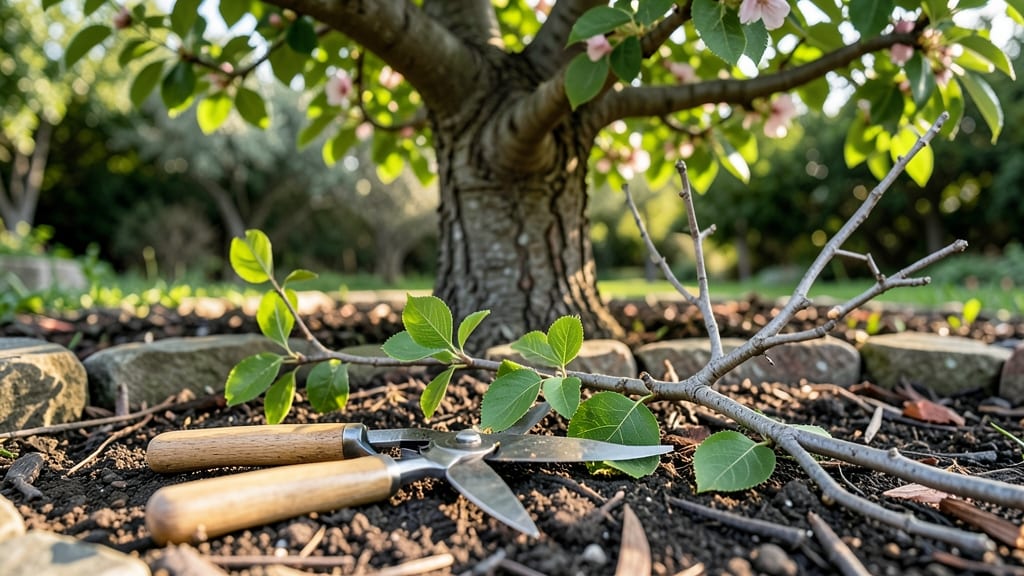
Pruning peach trees wrong can turn your fruit harvest into a disappointment—and I’ve seen it happen too many times. 🌳 The five mistakes I’m about to share don’t just reduce fruit; they weaken the tree’s structure, invite disease, and leave you with sad, sparse branches.
Worse, some damage takes years to recover from.
Here’s the thing—peach trees are forgiving, but only if you prune with purpose. I’ve spent years watching my own trees go from struggling to producing bushels of ripe peaches, and the difference always comes down to timing, cuts, and knowing when to stop.
You don’t need fancy tools, just sharp pruners, a clear day, and a plan to avoid these common pitfalls.
When you’re done, your tree will have strong branches that support heavy fruit, fewer disease entry points, and the energy focused where it matters—on next year’s blossoms and harvest. The best part? You’ll spot mistakes early and fix them before they become permanent problems.
Let’s start with the most destructive error—cutting at the wrong time—and work through each one so your peach tree thrives instead of just surviving.
📚 In This Guide
- What you need
- Instructions
- Tips and common mistakes
- Wrapping up and next steps
What you need
- ● Pruning shears (bypass pruners): Sharp, clean blades (10-12" length) for cuts up to ½" thick.
- ● Loppers: 1 pair (18-24" length) for branches ½"–2" thick.
- ● Pruning saw: 1 handheld saw (for branches >2" thick).
- ● Disinfectant (70% isopropyl alcohol or bleach solution): 1 small spray bottle or cloth to sterilize tools between cuts.
- ● Garden gloves: 1 pair (cut-resistant for safety).
- ● Rubbing alcohol (70%): 1 small bottle (for tool sterilization).
- ○ Pruning sealant (optional but helpful): 1 small tube (for large cuts >1" diameter).
- ● Tarp or drop cloth: 1 (to collect debris).
- ● Ladder (if needed): 1 sturdy ladder (for tall trees, 6–10 ft).
- ● Sharpie or permanent marker: 1 (to mark cuts for future reference).
- ● Tree wound paint: 1 small bottle (controversial but some swear by it for large wounds).
- ● Safety glasses: 1 pair (to protect from debris).
- ● Extension pole pruners: 1 (for high branches without a ladder).
- ● Notebook & pen: 1 (to sketch your tree’s structure before/after pruning).
How to avoid peach tree pruning mistakes that kill growth
Here’s how to prune like a pro—without the costly errors.
✂️ Step 1: Never Prune at the Wrong Time
Timing is everything with peach trees. Prune only during late winter or early spring, just before buds swell but before new growth starts. This is when the tree is dormant and less vulnerable to disease. If you prune in summer or fall, you risk inviting fungal infections or stressing the tree during critical growth phases.
I know it seems counterintuitive, but resist the urge to tidy up in summer. The tree needs its energy for fruit production, not recovery. Wait until you see those first pink buds—that’s your cue to grab the shears.
✂️ Step 2: Don’t Remove Too Many Branches at Once
Peach trees are sensitive to heavy pruning. Never cut more than 25% of the tree’s canopy in a single session. Over-pruning shocks the tree, weakens its structure, and can lead to poor fruit production. I’ve seen growers trim half the branches in one go, only to watch the tree struggle for years to recover.
Focus on removing only dead, diseased, or crossing branches first. Leave the rest for next year. You’ll see stronger growth and better fruit yields when you take it slow. Think of it like a haircut—you wouldn’t shave your head in one go, would you?
✂️ Step 3: Avoid Pruning Too Close to the Trunk
Always cut branches at a 45-degree angle, leaving at least ½ inch of stub above a bud or lateral branch. Cutting too close to the trunk creates wounds that heal poorly, inviting rot and disease. I’ve seen pruning mistakes where branches were cut flush with the trunk—those spots never heal right and become weak points.
Use sharp, clean pruners to make precise cuts. If you’re unsure where to cut, look for the small bump (bud) where the branch meets the trunk. That’s your target. A clean cut here ensures the tree seals the wound properly and grows new branches from the right spot.
✂️ Step 4: Don’t Ignore Water Sprouts or Suckers
Water sprouts are those fast-growing, vertical shoots that pop up from the trunk or larger branches. They steal energy from fruit production. Remove them as soon as you spot them—cut them off at the base with clean pruners. Ignoring them leads to a weak, unproductive tree.
Suckers, which grow from the root flare at the base of the tree, are just as problematic. They drain nutrients meant for the main canopy. Grab a pair of shears and snip them off before they take over. You’ll notice a bigger, healthier tree within a season.
✂️ Step 5: Skip the Topping or Stub Pruning
Topping a peach tree—cutting the top flat like a hedge—is a common but deadly mistake. It creates large wounds, encourages weak growth, and makes the tree more susceptible to disease. Stub pruning, where you leave long, ugly stubs, is just as harmful. Both practices stunt growth and reduce fruit quality.
Instead, prune branches back to a bud or lateral branch for a natural, strong shape. The tree will thank you with better structure and more fruit. Trust me, your peach tree will reward you with juicy, sweet fruit if you skip these shortcuts.
Tips & tricks for perfect peach tree pruning
Real talk: Even experienced gardeners make these pruning mistakes—here’s how to avoid them.
Timing is Non-Negotiable: Those pink buds in late winter/early spring aren't just a pretty sight—they're your pruning cue. I've seen trees stressed beyond recovery because someone pruned in summer when the tree was already pushing energy into fruit production. Mark your calendar for when those buds first appear, and don't cut a single branch before then.
Visual Pruning Guide: When evaluating branches in Step 2, look for these three red flags: branches rubbing against each other (crossing), dead wood (no leaves, brown stems), or branches growing straight up from the trunk (water sprouts). I always do a "shake test"—gently shake each branch. If it rattles or feels hollow, it's dead and needs removal.
Cutting Technique Matters: That ½-inch stub in Step 3 isn't arbitrary—it's the difference between a clean wound and an open invitation to disease. Use a sharp pruner and make your cut just above a bud that's facing outward. The bud will grow into a new branch, maintaining the tree's natural shape. I keep a small notepad to sketch the tree's structure before cutting to visualize where each new branch will grow.
Seasonal Maintenance Plan: Create a simple schedule: winter pruning (25% max), summer water sprout patrol (monthly checks), and fall cleanup (remove any remaining dead wood). This prevents the shock of doing everything at once. I set phone reminders for each seasonal check—it's easy to forget when the tree looks healthy in summer.
Pro Tips for Peach Tree Pruning Mistakes
- Real talk: Even experienced gardeners make these pruning mistakes—here’s how to avoid them.
- Timing is Non-Negotiable: Those pink buds in late winter/early spring aren't just a pretty sight—they're your pruning cue.
- I always do a "shake test"—gently shake each branch.
Frequently asked questions
Got questions about peach tree pruning?
You’re not alone! Here are answers to the most common concerns—so you can avoid costly mistakes and keep your tree thriving.
When is the best time to prune a peach tree?
Prune your peach tree during late winter or early spring (before buds swell) to promote healthy growth. Avoid pruning in fall—it can invite disease. Pro tip: If you must prune in summer, do it after fruit harvest to reduce stress.
Can I prune a peach tree too much?
Yes!
Over-pruning removes too much foliage, weakening the tree and reducing fruit production. Never remove more than 25% of the canopy in one session. Watch for: excessive water sprouts (shoots growing from the trunk) or bare branches—signs you’ve pruned too aggressively.
Will pruning affect my peach harvest?
Pruning improves fruit quality by increasing airflow and sunlight—just avoid cutting back fruit-bearing branches (called "fruit spurs"). Focus on dead, crossing, or overcrowded branches instead. Result: Bigger, sweeter peaches!
What if I prune at the wrong time?
Pruning too early (like mid-winter) can expose the tree to late frost damage, while summer pruning may stress the tree and invite pests. If you’ve already pruned at the wrong time, monitor for signs of stress (yellow leaves, weak growth) and adjust future cuts. Good news: Peach trees are resilient—just correct mistakes in the next dormant season!
Can I use hedge trimmers instead of pruners?
No!
Hedge trimmers tear bark and create jagged cuts, inviting disease. Use sharp bypass pruners for small branches and loppers/saws for thicker limbs. Bonus: Sterilize tools with rubbing alcohol to prevent bacterial spread.
Wrapping up and next steps
Pruning your peach tree is an art—and like any skill, avoiding common mistakes is key to a thriving harvest. 🌱 From over-pruning to ignoring disease signs, small oversights can derail growth. But now that you’re armed with the right knowledge, you’re ready to give your tree the care it deserves!
Ready to take action? Grab your pruners, review your notes, and schedule your next pruning session—your peach tree’s future (and your sweet summer treats!) will thank you. Happy pruning! 🍑✨