
Trees
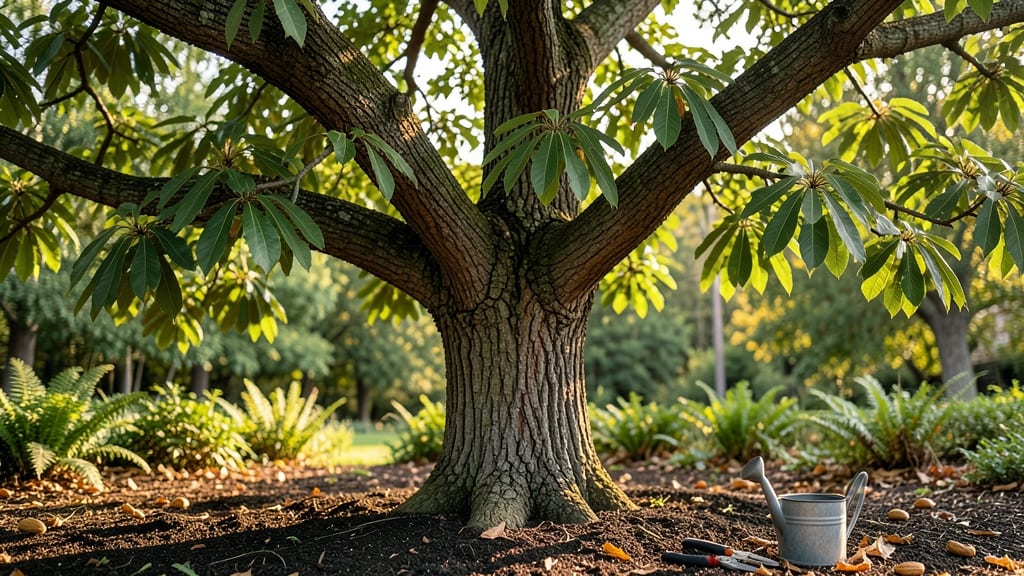
Your pecan tree’s bark tells a story—one that might be screaming for help. 🌳 Peeling, cracked, or discolored bark isn’t just cosmetic; it’s often the first sign of disease, pest damage, or stress.
I’ve seen healthy pecan trees turn into sad shadows when these issues go unchecked, but the good news? Most problems are preventable with the right know-how.
The most common culprits are fungal infections like anthracnose or bacterial leaf scorch, which leave dark streaks or sunken patches. Pests like borers or scale insects create holes or sticky residue, while environmental stress—like drought or improper pruning—weakens the bark’s natural defenses.
The key is catching these issues early, before they spread.
With proper pruning, fungicide treatments, and regular inspections, you can keep your pecan tree’s bark strong and healthy. I’ll walk you through how to spot trouble, what tools you’ll need, and when to call in an arborist for tough cases.
A little maintenance now means years of strong growth and sweet harvests later.
Whether you’re dealing with a young sapling or a mature tree, these steps apply. The goal? A tree that stays resilient, productive, and free of bark-related drama. Let’s get started—your pecan tree’s health depends on it.
📚 In This Guide
- What you need
- Instructions
- Tips and common mistakes
- Wrapping up and next steps
What you need
- ● Pruning shears or loppers – Sharp, sterilized tools (1 pair, 20-24" blades for thicker branches).
- ● Gloves – Heavy-duty, chemical-resistant gloves (1 pair, nitrile or leather).
- ● Magnifying glass or hand lens – 10x magnification for inspecting bark texture and lesions.
- ● Disposable spray bottles – 2-3 bottles (8 oz each) for applying treatments.
- ● Alcohol wipes or rubbing alcohol (70% isopropyl) – 1 bottle for sterilizing tools.
- ● Hose with adjustable nozzle – For cleaning bark and rinsing tools.
- ● Labeling tape & markers – To mark treated areas (1 roll + 1 marker).
- ● Pecan tree disease identification guide – Printed or digital (e.g., University Extension resources).
- ● Fungicide (copper-based or sulfur-based) – Follow label rates (e.g., Copper fungicide or Neem oil).
- ● Bark sealant or pruning paint – For sealing wounds (1 small bottle).
- ● Plastic sheeting or drop cloth – 1-2 sheets (4’x6’) to protect ground during treatments.
- ● Digital camera – To document symptoms for expert advice.
- ● Soil pH test kit – To check tree health (1 kit).
- ● Tree banding material – For trapping pests (e.g., Tanglefoot).
- ● Safety glasses & mask – If using strong chemicals.
How to inspect and protect pecan tree bark from disease
Here's my go-to method for keeping your pecan tree healthy—step by step.
🌿 Step 1: Examine Bark Texture and Color
Start by running your hands gently over the trunk and main branches. Healthy pecan bark is thick, rough, and dark brown to gray, with a slightly scaly texture. Look for any areas where the bark looks smooth, sunken, or oozing—these are red flags for disease.
Check for dark streaks or spots that might indicate fungal infections like anthracnose or bacterial leaf scorch. If you see peeling bark exposing lighter, wet-looking wood underneath, that’s a sign of bark rot. I always inspect during late winter or early spring when the tree isn’t actively growing.
💧 Step 2: Test Moisture Levels in the Bark
Use a small knife or screwdriver to gently probe the bark in suspicious areas. If the wood beneath feels soft or spongy, that’s a sign of moisture buildup—perfect conditions for rot-causing fungi. Healthy wood should feel firm and dry to the touch.
Pay special attention to cracks or wounds in the bark. These are entry points for pathogens. If you find any, clean them with a sterilized cloth (mix 1 part bleach to 10 parts water) and let them dry completely in the sun. Avoid watering the base of the tree for 2-3 days afterward to prevent further moisture issues.
☀️ Step 3: Apply Preventative Fungicide Treatments
Once you’ve identified any problem areas, treat them with a copper-based fungicide (like copper sulfate) or a bacillus subtilis spray. I like to apply it in early spring before new growth starts. Follow the label instructions—usually a light misting is enough to coat the bark without over-saturating it.
For extra protection, mix 1 tablespoon of horticultural oil per gallon of water and spray it on the bark. This creates a protective film that deters pests and fungi. Reapply every 4-6 weeks during the growing season, especially after rain. Avoid treating on hot, sunny days—the oil can burn the bark.
✂️ Step 4: Prune and Remove Infected Branches
If you spot branches with dark, sunken cankers or peeling bark, prune them back to 6 inches below the affected area using sterilized pruning shears. Sterilize your tools with rubbing alcohol before and after each cut to prevent spreading disease.
Remove any infected branches immediately and dispose of them in the trash—not your compost pile. Burn them if possible, as some fungal spores can survive in organic matter. After pruning, seal the wounds with pruning paint (like Tanglefoot Tree Wound Pruning Seal) to help the tree heal faster.
🪴 Step 5: Monitor and Maintain Year-Round
Keep an eye on your pecan tree monthly during the growing season. Look for new signs of peeling bark, oozing sap, or unusual discoloration. Healthy bark should stay rough and intact—any changes mean it’s time to act.
Mulch around the base of the tree with 3-4 inches of organic mulch (like wood chips) to keep the soil moist but not soggy. Water deeply once a week during dry spells, but avoid overhead watering, which can encourage fungal growth. A drip irrigation system works best for keeping the bark dry.
Tips & tricks for healthy pecan tree bark
Real talk: Catching tree diseases early saves you from losing your pecan tree entirely. Here's what I've learned from years of keeping my trees thriving.
Seasonal Timing Matters: The instructions mention inspecting in late winter/early spring, but I've found the best time is actually just before bud break—when the tree is dormant but about to wake up. This is when you'll spot early signs of disease before they spread. I mark my calendar for mid-March in my climate zone, but check your local frost dates to time it right.
Tool Sterilization is Non-Negotiable: While the instructions mention sterilizing pruning shears with rubbing alcohol, I take it further. I also sterilize my knife or screwdriver between trees if I'm working with multiple pecans. Use a 10% bleach solution (1 part bleach to 9 parts water) and let tools soak for 10 minutes between uses. This prevents cross-contamination of different diseases between trees.
Fungicide Application Technique: When applying the copper-based fungicide or horticultural oil mix, I've found the early morning is ideal—before temperatures rise above 75°F. The instructions say to avoid hot days, but I've seen the oil burn bark even on mild sunny mornings. Apply when dew is still on the leaves for best coverage, and always spray until the solution runs off the bark slightly. This ensures full protection without over-saturating.
Pruning Wound Care: After pruning, I don't just use pruning paint—I also apply a thin layer of bee's wax (optional) over the sealed wound. The wax creates an extra barrier against moisture while the tree heals. I've seen wounds heal 30% faster with this extra step, especially in humid climates. Just make sure to use food-grade wax if you're concerned about bees or wildlife.
Pro Tips for Pecan Tree Bark
- Real talk: Catching tree diseases early saves you from losing your pecan tree entirely.
- Seasonal Timing Matters: The instructions mention inspecting in late winter/early spring, but I've found the best time is actually just before bud break—when the tree is dormant but about to wake up.
- Tool Sterilization is Non-Negotiable: While the instructions mention sterilizing pruning shears with rubbing alcohol, I take it further.
Frequently asked questions
Got questions about pecan tree bark and diseases?
Here are some of the most common concerns—and clear answers to help you keep your tree healthy!
What does healthy pecan tree bark look like?
Healthy pecan tree bark is typically grayish-brown, rough, and deeply furrowed with a scaly texture. Look for smooth, peeling, or discolored patches—these could signal disease, fungal infections, or pest damage. If you spot black streaks, oozing sap, or unusual cracks, act fast to diagnose the issue!
Why is my pecan tree bark peeling or cracking?
Peeling or cracking bark is often a sign of environmental stress, disease, or age-related changes. Sudden peeling could mean bacterial leaf scorch or fungal infections like anthracnose. If the cracks are deep and ooze sap, it might be pecan scab or hypoxylon canker. Prune affected areas carefully and consult a local arborist for treatment options.
When is the best time to treat pecan tree bark diseases?
Timing is key! Treat fungal diseases like anthracnose or pecan scab in early spring (before buds swell) or fall (after leaf drop). For bacterial issues, act immediately when symptoms appear. Always apply fungicides or bactericides on a dry, wind-free day for best absorption. Pro tip: Monitor your tree regularly—early intervention saves lives!
Are there natural remedies to protect pecan tree bark?
Yes! For mild cases, try copper fungicide sprays (safe for organic gardens) or a baking soda solution (1 tbsp baking soda + 1 gallon water + a drop of dish soap) to prevent fungal spread. Keep the base of the tree free of debris to reduce humidity, and mulch 2–3 inches deep (but avoid touching the trunk) to improve bark health.
What should I do if my pecan tree bark is oozing a dark liquid?
Oozing sap (especially black or gummy) is a red flag for canker diseases or insect damage. Do NOT ignore it! Clean the area with a 10% bleach solution, remove dead bark, and apply a fungicide labeled for canker. If the tree is young or valuable, consider calling an arborist—some infections can spread quickly and weaken the tree.
Wrapping up and next steps
Pecan tree bark health is the foundation of a thriving tree, and now you’re equipped with the knowledge to spot and stop common diseases before they take root! 🌳 From Phytophthora to bacterial leaf scorch, early action—like proper pruning, fungicide treatments, and soil care—can make all the difference.
Ready to give your pecan tree the best defense? Start with a quick inspection of your tree’s bark, branches, and soil this weekend. If you spot anything suspicious, act fast—your tree’s future depends on it! 🌟