
Trees
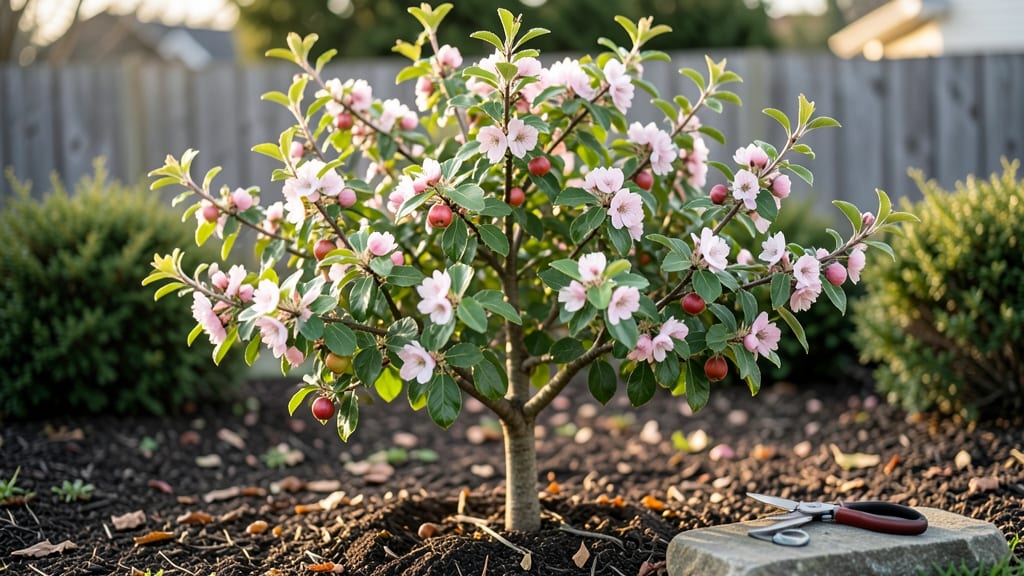
This pink spire crabapple tree turns small gardens into showstoppers with its towering pink blossoms and elegant, upright form—like a living sculpture that never needs a pedestal. I planted mine last spring, and neighbors now stop to admire it before even noticing my front door.
The tree’s compact size (25 feet tall, 12 feet wide) makes it perfect for tight spaces where bigger trees would overwhelm.
Its seasonal drama starts in spring with clouds of fragrant pink flowers, shifts to glossy green leaves that turn golden in fall, and even offers winter interest with persistent crabapples.
Pair it with low-growing perennials like hostas or ferns to highlight its vertical presence, or plant it near a patio where you can enjoy the blooms up close. The tree thrives in full sun and well-drained soil, making it low-maintenance once established.
You’ll create a focal point that draws the eye upward, perfect for urban yards or mixed borders where height is limited. The tree’s narrow shape also works as a privacy screen along property lines or as a dramatic centerpiece in a small front yard.
Imagine sipping coffee while watching bees buzz around the blossoms—this tree delivers beauty with minimal effort.
Best planted in early spring or fall, it matures quickly, offering instant impact for small gardens. For extra drama, add a few dwarf conifers or ornamental grasses at its base to frame the trunk. The possibilities are endless once you see how it transforms an ordinary space into something extraordinary.
📚 In This Guide
- What you need
- Instructions
- Tips and common mistakes
- Wrapping up and next steps
What you need
- ● Pink Spire Crabapple Tree: 1 container-grown tree (3–5 gallons, 4–6 ft tall) or 1 bare-root sapling (dormant season only)
- ● Planting Hole: 2–3 times wider than the root ball, same depth
- ● Native Soil or Amended Mix: 50% native soil + 50% compost or well-rotted manure (avoid heavy clay)
- ● Mulch: 2–3 inches of organic mulch (shredded bark, pine straw) —keep 6 inches away from trunk!
- ● Tools: Shovel or spade (for digging)
- ● Garden trowel (for root adjustments)
- ● Garden hose (with adjustable nozzle)
- ● Pruning shears (sterilized)
- ● Gloves (heavy-duty for digging)
- ○ Staking (Optional but Recommended for Small Gardens): 2 wooden stakes (4–6 ft tall)
- ● Tree tie or soft fabric strip (3–4 ft long)
- ● Root stimulator gel or powder (to boost early growth)
- ● Slow-release fertilizer (10-10-10 or organic alternative)
- ● Tree guard or protective wrap (for young trunks in urban areas)
- ● Soil pH tester (ideal range: 5.5–7.0 for crabapples)
- ● Drip irrigation kit (for consistent watering in dry climates)
How to plant and care for a Pink Spire Crabapple tree
This slender, show-stopping tree thrives with the right approach—here's how to make it flourish.
🌱 Step 1: Choose the Perfect Planting Site
The Pink Spire crabapple needs full sun exposure for at least 6 hours daily to develop its signature blossoms and vibrant foliage. I always scout the location before planting—look for an area with well-draining soil and 6-8 feet of overhead clearance for mature height. Avoid low spots where water pools after rain, as soggy roots lead to root rot.
Test your soil by digging a 12-inch deep hole—if water sits above 2 inches after 30 minutes, amend with 2-3 inches of compost mixed into the native soil. The tree’s narrow form makes it ideal for tight spaces, but give it 8-10 feet of width for airflow and future growth. Mark the spot with a stake to avoid guessing later.
🪴 Step 2: Dig and Prepare the Planting Hole
Dig a hole twice as wide as the root ball but no deeper—this ensures the tree sits at the same level it grew in the nursery. The Pink Spire’s roots are shallow but spread wide, so loose soil around the edges encourages quick establishment. I use a shovel to create sloping sides rather than vertical walls, which prevents soil from compacting against the roots.
Gently remove the tree from its container and loosen any circling roots with your fingers—this prevents girdling as the tree matures. Place the root ball in the hole and backfill with the native soil you removed, tamping lightly every 4 inches to eliminate air pockets. Water deeply to settle the soil, then add a 2-inch layer of mulch (keeping it 6 inches away from the trunk) to retain moisture and regulate temperature.
☀️ Step 3: Water and Fertilize for Strong Establishment
Water the tree deeply every 3-4 days for the first 30 days, then taper to once a week unless rainfall provides 1 inch of moisture. You’ll know it’s enough when water drains 6 inches deep—stick your finger in the soil to check. Overwatering smothers roots, while underwatering stresses the tree before it’s established. I set a timer to remind myself, as new plantings often get neglected.
Apply a balanced, slow-release fertilizer (10-10-10) in early spring and again in mid-summer to support blooming and foliage. Follow the package rate—too much fertilizer burns roots, while too little leaves the tree struggling to produce flowers. The Pink Spire’s dramatic vertical form comes from strong structural growth, so avoid heavy nitrogen feeds that encourage leafy growth at the expense of flowers.
✂️ Step 4: Prune for Shape and Health
Prune late winter or early spring before new growth begins, removing dead, crossing, or weak branches first. The Pink Spire’s natural columnar shape needs minimal shaping, but I always trim overlapping branches to improve airflow and reduce disease risk. Use clean, sharp pruners and make cuts just outside the branch collar to promote fast healing. Avoid heavy pruning—this tree’s beauty lies in its elegant, uncluttered form.
Watch for suckers (shoots growing from the base) and remove them promptly—they drain energy from the main trunk. If you notice yellowing leaves in summer, it’s often a sign of iron chlorosis, common in alkaline soils. In that case, apply chelated iron according to package instructions. The tree’s vibrant pink blooms in spring are worth the effort—just give it consistent care, and it’ll reward you for years.
Tips & tricks for perfect Pink Spire Crabapple planting
These game-changing insights will help you nurture a thriving Pink Spire crabapple that steals the show in your garden.
Sunlight Secret: That crucial 6 hours of daily sun isn't just about blooms—it's about the tree's very survival. I've seen Pink Spires struggle in partial shade, with sparse flowers and leggy growth. If your location only gets 4-5 hours of sun, consider planting it near a south-facing wall or fence that reflects sunlight. The tree's vertical growth habit makes it perfect for capturing reflected light in tight spaces.
Soil Test Hack: Before amending your soil with compost, do this quick test: Dig your 12-inch hole, then fill it with water. If the water drains completely within 30 minutes, your soil is already well-draining. If it sits above 2 inches after that time, you definitely need that 2-3 inch compost amendment. Pro tip: Mix in a handful of perlite or coarse sand to improve drainage further in heavy clay soils.
Root Ball Rescue: When removing the Pink Spire from its container, you might notice roots circling tightly around the root ball. This is a common nursery practice, but those circling roots can strangle the tree as it grows. Gently tease them apart with your fingers—think of it like untangling headphones. If they're particularly tight, make a few vertical cuts with a clean knife to encourage outward root growth. This one step makes all the difference in long-term health.
Watering Wisdom: Those first 30 days are critical for establishing deep roots. I've found that using a soaker hose or drip irrigation system during this period ensures water penetrates 6 inches deep without wasting water through evaporation. Set up your watering system before planting—you'll be glad you did when you're not lugging watering cans around your garden. Remember, deep watering less frequently is always better than shallow watering daily.
Pro Tips for Pink Spire Crabapple Tree
- These game-changing insights will help you nurture a thriving Pink Spire crabapple that steals the show in your garden.
- Sunlight Secret: That crucial 6 hours of daily sun isn't just about blooms—it's about the tree's very survival.
- Soil Test Hack: Before amending your soil with compost, do this quick test: Dig your 12-inch hole, then fill it with water.
Frequently asked questions
Got questions about the stunning Pink Spire Crabapple Tree? You’re not alone! Here are answers to the most common queries—so you can plant with confidence and style.
How fast does the Pink Spire Crabapple Tree grow?
The Pink Spire typically grows 12–18 inches per year, reaching its mature height of 20–25 feet in 10–15 years. Its narrow, upright form makes it perfect for tight spaces—just give it room to spread 6–8 feet wide. Patience pays off with its dramatic vertical presence!
Does it need full sun to thrive?
Yes! This tree loves full sun (6+ hours daily) for optimal blooms and vibrant foliage. While it tolerates partial shade, expect fewer flowers and potential leggy growth. For best results, plant it in a south- or west-facing spot with well-draining soil.
Are the fruits edible, or are they just for show?
The small, 1-inch fruits are not edible for humans—they’re bitter and mostly ornamental. Birds and wildlife adore them, though! The real star? The spring blooms and deep pink fall color. Bonus: The fruits add winter interest to your garden.
How cold-hardy is the Pink Spire Crabapple?
This tree is highly resilient, thriving in USDA Zones 4–8. It handles down to -30°F (-34°C) with ease, making it ideal for northern climates. Just avoid soggy soil in winter—mulch helps protect roots from freeze-thaw cycles.
What’s a good alternative if I have limited space?
If your space is extra tight, consider these compact crabapples:
- Centennial® Crabapple (15–20 ft tall, disease-resistant)
- Adirondack® Crabapple (12–15 ft tall, white blooms)
- Dwarf Columnar Crabapple (6–10 ft tall, columnar shape)
Why are my leaves yellowing or dropping early?
Yellow leaves often signal overwatering, underwatering, or nutrient deficiencies. Check soil moisture—it should be damp but not soggy. Yellowing edges? Try a balanced fertilizer in early spring. For sudden leaf drop, inspect for aphids or fire blight (a bacterial disease). Prune affected branches 6 inches below damage to prevent spread.
Wrapping up and next steps
The Pink Spire Crabapple Tree is a stunning, low-maintenance choice for small gardens, offering year-round beauty with minimal fuss. Its striking vertical form, vibrant pink blooms, and disease-resistant nature make it a standout focal point—perfect for adding drama without overwhelming your space.
Ready to transform your yard? Start by checking your local nursery or online plant retailers, then sketch a planting plan to ensure it gets the sunlight and care it deserves! 🌸✨