
Pruning
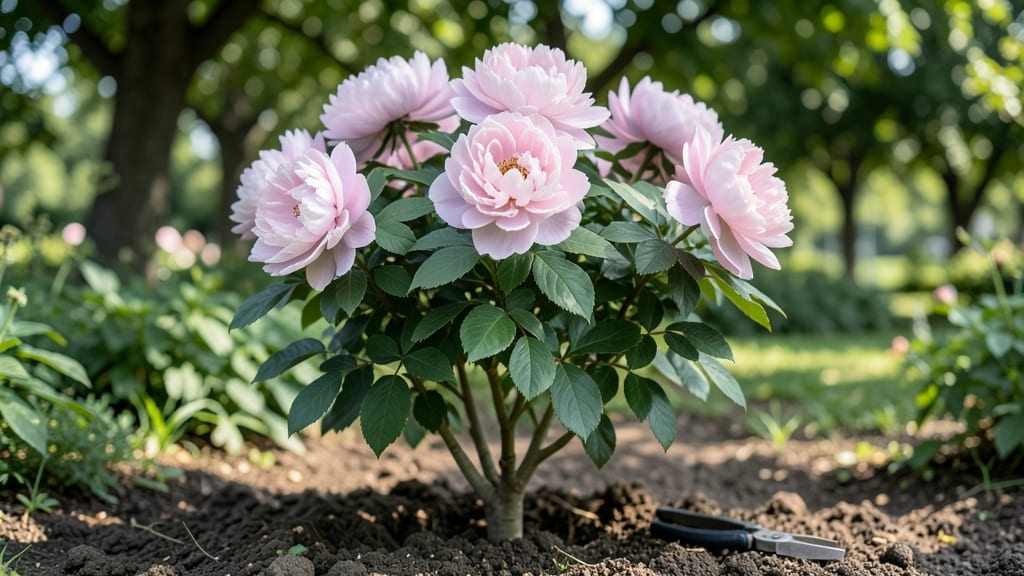
Pink tree peonies turn your garden into a fragrant masterpiece every spring. 🌸 I've learned that their bold, repeat blooms depend on one key secret: pruning at the right time—after their first flush of flowers, not before.
Most gardeners rush in too early and end up with bud blast, but timing makes all the difference.
The right soil and sunlight set the stage for these showstoppers. They thrive in well-draining soil with 6-8 hours of sunlight daily, and their roots need space—plant them at least 3 feet apart to prevent overcrowding.
Once established, they reward you with 3-5 weeks of fragrant blooms each season, often returning in late summer too.
With proper pruning, you'll see larger, more abundant flowers each year. The technique is simple: cut back dead stems in late fall, shape lightly after blooming, and watch as your peonies become the star of your landscape. Their rosy-pink blooms and honey-like fragrance make them worth every minute of care.
Works beautifully in USDA zones 4-8, though they appreciate winter protection in colder climates. Whether you're planting one as a statement piece or lining a pathway, these peonies deliver low-maintenance drama that keeps giving year after year.
📚 In This Guide
- What you need
- Instructions
- Tips and common mistakes
- Wrapping up and next steps
What you need
- ● Pink Tree Peony Plants: 1–3 healthy nursery-grown peonies (check for sturdy canes and vibrant buds).
- ● Well-Draining Soil: A mix of 60% garden soil, 30% compost, and 10% coarse sand or perlite (pH 6.5–7.5).
- ● Sunlight: A full-sun location (6+ hours of direct sunlight daily).
- ● Watering Can or Hose: With a gentle spray nozzle for deep watering.
- ● Organic Mulch: 2–3 inches of wood chips, straw, or pine bark to retain moisture.
- ● Pruning Tools: 1 pair of sharp, sterilized bypass pruners (for clean cuts).
- ● 1 pair of long-handled loppers (for thicker stems).
- ● 1 pruning saw (for stubborn branches).
- ● Fertilizer: Balanced 10-10-10 granular fertilizer (apply sparingly in early spring).
- ● Slow-Release Fertilizer Pellets: For steady nutrient release.
- ● Plant Support: A lightweight trellis or stakes if stems need extra stability.
- ● Fungicide: Copper-based spray (to prevent powdery mildew).
- ● Garden Gloves: For comfort while pruning.
- ● Plant Tags: To track variety and pruning schedules.
Step-by-step pruning guide for pink tree peonies
Here's the method I've used to coax repeat blooms from my pink tree peonies—no guesswork, just precise timing and technique.
✂️ Step 1: Time Your First Cut After Initial Bloom
Wait until after the first flush of flowers has fully faded—typically late May or June in most climates. This is critical: cutting too early removes next year's buds, which form on last year's growth. Look for brown, papery petals and no green buds remaining on the stems.
Use clean, sharp pruners to make your cuts. I like to sterilize them with rubbing alcohol between cuts to prevent disease spread. Snip stems back to just above a healthy bud or leaf node, angling the cut slightly downward to shed water. Never leave stubs—this invites rot and weakens the plant.
⏰ Step 2: Apply the "Third Cut" Rule for Repeat Blooms
About 6 weeks after the first cut, inspect your peony for new growth. This is when the plant begins forming second-flush buds. Wait until these buds are at least 2 inches long before pruning again. The key is selective cutting—remove only the weakest, leggiest stems, leaving the strongest ones to develop blooms.
I usually make one final light trim in early July to shape the plant and encourage air circulation. Avoid heavy pruning now—you're working with a plant that's already stressed from its first bloom cycle. Focus on removing dead or crossing branches rather than aggressive cutting.
✂️ Step 3: Prepare for Winter Dormancy
Once frost threatens (typically October or November), give your peony one last inspection. Remove any remaining dead foliage but leave the bare stems intact—they protect the plant's energy reserves. The goal here is minimal disturbance—just tidy up without over-pruning.
Mulch the base with 2-3 inches of organic mulch (like shredded leaves or straw) to insulate roots. This prevents heaving during freeze-thaw cycles, which can damage the crown. I always water deeply before mulching to ensure the plant enters dormancy with enough moisture.
🌱 Step 4: Spring Awakening and Early Season Care
In early spring, resist the urge to prune. Wait until new shoots emerge (usually March or April) before doing anything. At this point, remove only the dead, brown stems from last year—you'll know them by their hollow centers and lack of green growth.
Apply a balanced, slow-release fertilizer (10-10-10) around the base in early April to support new growth. Avoid high-nitrogen fertilizers—they encourage leafy growth at the expense of blooms. Water deeply but avoid soggy soil, as peonies are prone to root rot in wet conditions.
Tips & tricks for perfect pink tree peony pruning
These are the hard-earned lessons that'll help your peonies deliver those spectacular repeat blooms every season.
Timing is Everything: The late May-June window for your first cut is non-negotiable—this is when your peony's energy is focused on next year's buds. I learned this the hard way after accidentally pruning too early and losing my second flush entirely. The key visual cue is those brown, papery petals combined with no visible green buds. If you see any green growth, wait a little longer.
Tool Prep Matters: Sterilizing your pruners between cuts with rubbing alcohol isn't just about hygiene—it's about protecting your plant's health. I keep a small bottle of 70% isopropyl alcohol right by my gardening tools. The angled cut you make also creates a natural water-shedding surface, preventing the kind of rot that can creep in through stubs. Think of it like giving your cuts a little raincoat.
Selective Pruning Strategy: When you're working with those second-flush buds at the 6-week mark, focus on quality over quantity. I typically remove no more than 20% of the plant's stems—just the weakest, leggiest ones. The strongest stems will give you the most dramatic blooms. This is where patience pays off; rushing the process can actually reduce your flower count next season.
Winter Prep Secret: That 2-3 inch layer of organic mulch isn't just decoration—it's insulation that prevents root damage from freeze-thaw cycles. I've found that watering deeply before applying the mulch makes all the difference. The soil needs to be moist enough to support the plant through winter but not so wet that it encourages rot. Think of it as tucking your peony in with a warm blanket and a good night's sleep.
Pro Tips for Pink Tree Peony
- These are the hard-earned lessons that'll help your peonies deliver those spectacular repeat blooms every season.
- Timing is Everything: The late May-June window for your first cut is non-negotiable—this is when your peony's energy is focused on next year's buds.
- Tool Prep Matters: Sterilizing your pruners between cuts with rubbing alcohol isn't just about hygiene—it's about protecting your plant's health.
Frequently asked questions
Got questions about growing and pruning pink tree peonies? You’re not alone! Here are some of the most common queries—plus quick answers to keep your blooms thriving.
When is the best time to prune pink tree peonies?
Prune your tree peony right after blooming (late spring to early summer). Avoid pruning in fall or winter—this plant stores energy in its roots for next year’s flowers! Cut back dead or overgrown stems by 1/3 to 1/2 to encourage bushier growth and more abundant blooms.
How much can I cut back without harming the plant?
Tree peonies are forgiving, but never prune more than 50% of the plant in one season. If you’re aggressive, you risk reducing next year’s flowers. For heavy pruning, spread it over 2–3 years. Always leave at least 3–5 healthy buds per stem to ensure regrowth.
Why aren’t my pink tree peonies blooming as much as they used to?
Over-pruning, poor sunlight (6+ hours/day is ideal), or not enough nutrients (like phosphorus) can dull blooms. Check your soil pH (6.0–7.0 is perfect) and fertilize in early spring with a balanced 10-10-10 formula. Also, ensure the plant isn’t too crowded—tree peonies need space to thrive.
What pests or diseases should I watch for with pink tree peonies?
Watch for aphids, spider mites, or peony wilt fungus (a soil-borne disease). For pests, spray with neem oil or insecticidal soap. If you spot blackened stems or wilting leaves, remove affected parts immediately and avoid overhead watering. Fungicides like copper-based sprays can help prevent wilt.
Can I grow pink tree peonies in containers?
Yes! Choose a large container (at least 18–24 inches wide) with drainage holes and use well-draining soil. Container-grown peonies may bloom less prolifically than in-ground plants but can still thrive with regular pruning and winter protection (move pots to a sheltered spot or wrap in burlap). Repot every 2–3 years to refresh the soil.
Wrapping up and next steps
The pink tree peony is a stunning addition to any garden, and with the right pruning techniques, you’ll enjoy its bold, repeat blooms year after year! 🌸 By understanding when and how to trim—whether for shaping, rejuvenation, or deadheading—you’ll keep your plant thriving and full of vibrant color.
Now that you’re armed with the secrets, grab those pruners and get growing!
Ready to take the next step? Experiment with different pruning styles this season and track your progress. Before you know it, your garden will be bursting with show-stopping pink peonies that neighbors will envy! 🌿