
Trees
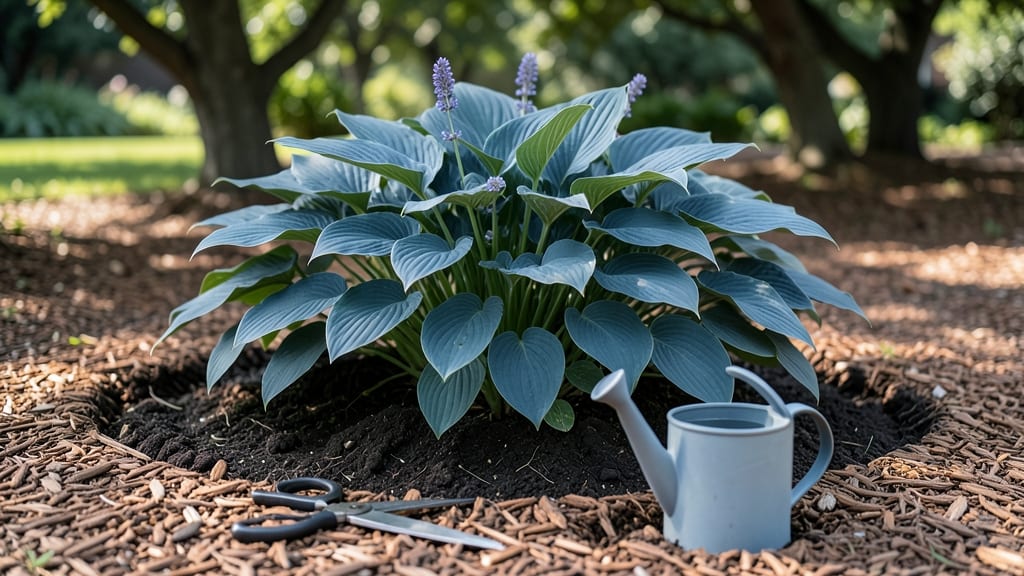
Planting hostas around trees transforms bare tree bases into lush, textured borders that thrive where few plants dare to grow. 🌿 I learned the hard way that spacing matters—crowd them too close, and roots compete for moisture, leaving both plants struggling.
But get it right, and you’ll have a low-maintenance groundcover that multiplies yearly while keeping weeds at bay.
The secret lies in soil prep and placement. Hostas tolerate shade but still need well-draining soil—amend heavy clay with compost to prevent soggy roots. Plant them 12–18 inches from the tree trunk, far enough to avoid root damage but close enough to create a seamless transition.
Pair them with ferns or astilbes for layered texture, and watch how the contrast of broad hosta leaves against a tree’s bark elevates your garden’s curb appeal.
Within a season, you’ll see why hostas are the ultimate tree companions: their velvety foliage softens harsh tree lines, their varied heights add dimension, and their fall color turns golden when most perennials fade.
Even in dry shade, they’ll reward you with bold, healthy growth—no fuss, just beauty. The best part? They spread naturally, filling gaps without needing your help.
This works for any mature tree—oak, maple, or even fruit trees—just adjust spacing for larger roots. For container hostas near young trees, use 5-gallon pots to protect roots while they establish.
Once planted, the only maintenance is dividing clumps every 3–4 years to keep them vigorous. Ready to turn your tree bases into a showstopper?
📚 In This Guide
- What you need
- Instructions
- Tips and common mistakes
- Wrapping up and next steps
What you need
- ● Hosta plants: 5–10 mature hostas (depending on tree size and desired coverage). Choose varieties with similar light/shade needs (e.g., Hosta 'Halcyon' or 'Francee' for deep shade).
- ● Organic mulch: 2–3 bags (6–12 cubic feet) of shredded bark, pine straw, or wood chips (2–3 inches deep).
- ● Compost or slow-release fertilizer: 1–2 bags (10–20 lbs) of balanced 10-10-10 or organic options like fish emulsion.
- ● Garden gloves: 1 pair (heavy-duty for digging).
- ● Hand trowel or transplant spade: 1 (6–8 inches wide for precision).
- ● Watering can or hose with nozzle: 1 (with a gentle spray setting).
- ○ Pruners (optional but helpful): 1 pair for trimming dead branches or competing roots near the planting area.
- ● Root stimulator: 1 bottle (e.g., Mycorrhizal fungi or seaweed extract to boost establishment).
- ● Landscape fabric: 1 roll (to suppress weeds if mulching isn’t enough).
- ● Decorative stones or edging: For a polished look (e.g., flat river rocks or copper edging).
- ● Tree guard or root barrier: If your tree has aggressive roots (e.g., willows or maples).
- ● Slow-release watering spikes: 3–5 (for drought-prone areas).
How to create a stunning hosta border around trees
This shade-loving perennial design transforms bare tree bases into lush, low-maintenance focal points.
🌱 Step 1: Assess Tree Roots and Soil Conditions
Start by examining the tree's root zone—hostas thrive where roots spread but don't compete directly. Use a trowel to gently loosen soil in a 4-foot diameter around the tree trunk, being careful not to damage roots. Look for compacted areas or thatch buildup; these will need amending before planting.
Here's the thing—hostas hate soggy roots. If your soil stays wet for more than 24 hours after rain, you'll need to improve drainage by mixing in 2-3 inches of compost or sand into the top 6 inches of soil. Test moisture by squeezing a handful—if water beads up, you've got poor drainage.
🪴 Step 2: Plan Your Hosta Arrangement
For a natural look, group hostas in odd-numbered clusters (3, 5, or 7 plants) rather than straight lines. Space mature-sized plants 18-24 inches apart—this gives them room to spread while filling in quickly. I like to place the largest varieties closest to the tree trunk, then work outward with smaller cultivars for a cascading effect.
Consider the tree's mature canopy when selecting hostas. For deep shade (less than 3 hours of sun), choose varieties like 'Blue Angel' or 'Francee'—they'll stay vibrant where others fade. If the tree filters light (like a birch), try 'Halcyon' or 'Guacamole' for bold foliage contrast.
💧 Step 3: Prepare Planting Holes and Amend Soil
Dig holes twice as wide as the root ball but only as deep—hostas dislike being planted too deep, which can rot their crowns. Mix the excavated soil with 1 part compost (from your 3 cubic feet supply) to improve fertility. Add a handful of bone meal to each hole for phosphorus, which encourages strong root development.
Don't skip the soil prep—hostas are heavy feeders but sensitive to salt buildup. If your soil tests acidic (pH below 6.5), add 1 tablespoon of garden lime per hole. You'll see healthier foliage color within 4-6 weeks of proper soil amendment.
☀️ Step 4: Plant and Mulch for Long-Term Care
Gently remove each hosta from its container and loosen the roots if they're circling. Place the plant in the hole so the top of the root ball sits level with the surrounding soil—never bury the crown. Backfill with amended soil, pressing lightly to eliminate air pockets, then water deeply until moisture reaches 6 inches down.
Spread 2-3 inches of mulch (from your 4 cubic feet supply) in a 3-inch wide ring around each plant, keeping it 4 inches away from the stem to prevent rot. Use shredded bark or pine needles—they break down slowly and improve soil structure over time. Replenish mulch annually in early spring.
Tips & tricks for perfect hosta borders around trees
Creating a stunning hosta border isn't just about planting—it's about strategic placement and ongoing care that keeps your design thriving. Here's what I've learned after years of trial and error with these shade-loving beauties.
Root Zone Strategy: In Step 1, when loosening soil, focus on creating a "root-friendly zone" rather than just digging randomly. Use your trowel to gently score the soil in a 4-foot diameter pattern—this encourages roots to spread horizontally where they'll get the most moisture from the tree's drip line. The key is to avoid compacting soil further while still breaking up thatch. Think of it like creating a sponge that holds water without becoming waterlogged.
Sunlight Mapping: The 3 hours of sun guideline in Step 2 is your starting point, but real-world conditions vary. Test your tree's shade patterns throughout the day—morning sun behaves differently than afternoon shade. For example, birch trees create dappled light that's perfect for 'Halcyon' hostas, while evergreens cast dense shade where 'Blue Angel' will thrive. I mark my test spots with flags to track which areas get consistent moisture versus dry pockets.
Soil Amendment Secrets: When amending soil in Step 3, don't just mix in compost—create a "soil sandwich." Start with 2 inches of your existing soil, then add 1 inch of compost, followed by another 2 inches of native soil, and top with 1 more inch of compost. This layered approach prevents nutrient runoff while ensuring roots get consistent feeding. The 1 tablespoon of garden lime per hole is particularly important if your soil tests below pH 6.5—hostas show their appreciation within those 4-6 weeks with glossier foliage.
Mulching Like a Pro: That 2-3 inches of mulch in Step 4 isn't just decoration—it's a moisture regulator. I use a mix of shredded bark and pine needles because they break down at different rates, creating a slow-release system. The 3-inch wide ring keeps mulch from touching stems while still protecting roots. Pro tip: Refresh mulch in early spring before new growth appears—this prevents soil from drying out during summer heat waves.
Pro Tips for Planting Hostas Around Trees
- Creating a stunning hosta border isn't just about planting—it's about strategic placement and ongoing care that keeps your design thriving.
- Root Zone Strategy: In Step 1, when loosening soil, focus on creating a "root-friendly zone" rather than just digging randomly.
- Sunlight Mapping: The 3 hours of sun guideline in Step 2 is your starting point, but real-world conditions vary.
Frequently asked questions
Got questions about planting hostas around trees?
You’re not alone! Here are answers to the most common concerns to help you create a thriving, low-maintenance border.
When is the best time to plant hostas near trees?
Plant hostas in early spring or early fall when soil temperatures are cool. This gives roots time to establish before summer heat or winter freeze. Avoid planting in peak summer—hostas struggle with drought stress and may not recover quickly.
Will hostas compete with tree roots for water and nutrients?
Yes, but not necessarily badly if you plant hostas 3–5 feet away from the tree trunk. Use mulch (2–3 inches) to retain moisture and suppress weeds, which reduces competition. Choose smaller hosta varieties for tighter spaces to minimize root overlap.
What if my tree has aggressive roots? Can hostas still thrive?
If your tree (like a willow or silver maple) has shallow or spreading roots, opt for drought-tolerant hosta varieties (e.g., Hosta ‘Halcyon’ or Hosta ‘Francee’). Add organic compost to improve soil aeration and consider a root barrier if roots are already crowding.
Are there alternatives to hostas for shady tree borders?
Try these low-competition, shade-loving plants:
- Ferns (e.g., Ostrich Fern or Japanese Painted Fern)
- Hellebores (Lenten Rose) – blooms early and tolerates root competition
- Astilbe – feathery plumes add texture without aggressive roots
- Lungwort (Pulmonaria) – spreads slowly and thrives in partial shade
These plants pair beautifully with hostas or work well as standalone options.
Why are my hostas dying near the tree? Troubleshooting tips.
Check these common issues:
- Overwatering: Tree roots can block drainage. Ensure the area has well-draining soil and avoid soggy spots.
- Underwatering: Hostas wilt if tree roots steal all moisture. Water deeply 1–2 times per week during dry spells.
- Fungal diseases: Poor airflow from dense tree canopies causes leaf spot. Space hostas 12–18 inches apart and remove diseased leaves promptly.
- Deer/browsing: Hostas are a deer favorite! Use physical barriers or repellents if pests are an issue.
If problems persist, test your soil’s pH and nutrient levels—hostas prefer slightly acidic to neutral soil (6.0–7.0).
Wrapping up and next steps
Planting hostas around trees is a fantastic way to create a lush, low-maintenance border that thrives in shade while adding beauty and texture to your landscape. 🌿 Whether you’re a seasoned gardener or just starting out, hostas offer versatility, resilience, and stunning foliage—perfect for enhancing the natural charm of your outdoor space. Now that you’re armed with the right tips and techniques, it’s time to roll up your sleeves and get planting!
Ready to transform your garden? Start by selecting the perfect hosta varieties for your climate and tree type, then map out your design with confidence. Pro tip: Take before-and-after photos to track your progress and celebrate your green thumb’s success! 🌟