
Trees
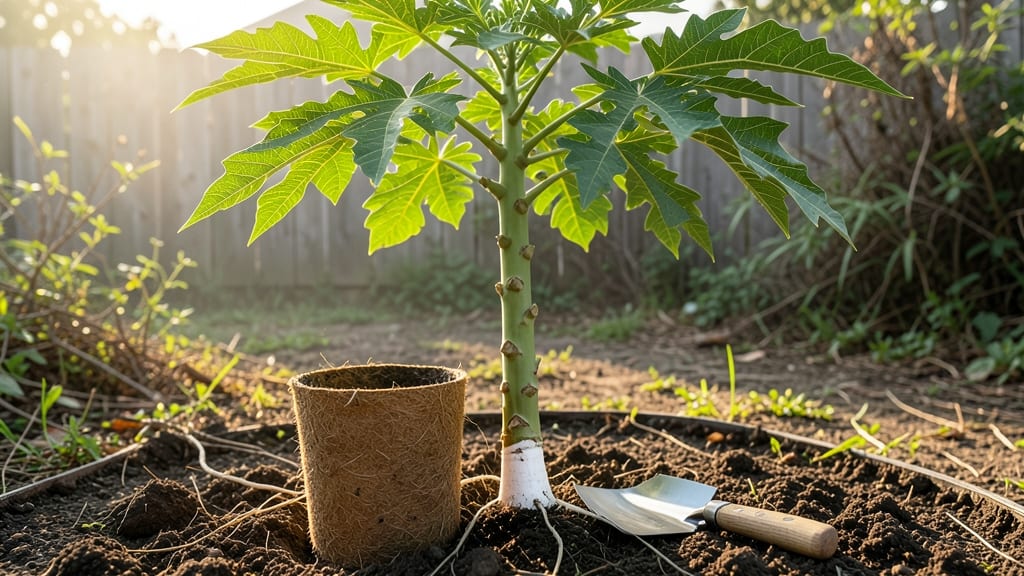
Planting papaya trees in your subtropical zone unlocks a harvest of sweet, tropical fruit within just three years—no greenhouse needed. 🌿 I still remember the first time I broke into a homegrown papaya, still warm from the sun, and knew I’d never buy them again.
The key isn’t just digging a hole; it’s mimicking the tree’s native conditions right from the start.
You’ll need well-draining soil with a pH between 6.0 and 7.0, plenty of sunlight (at least 6 hours daily), and protection from strong winds—papayas thrive where temperatures stay above 65°F. Start with a healthy nursery plant (not seed) for faster results, and choose a spot where it can spread its roots without competition.
The first year is all about establishing strong roots, not fruit.
Within months, you’ll see glossy, deep-green leaves unfurling, and by year two, those distinctive flower spikes will appear. With consistent watering (but never soggy soil) and monthly feeding with a balanced fertilizer, you’ll watch the first fruit form—small, green, and full of potential.
By year three, you could be harvesting 20-pound fruits that taste like sunshine.
This method works in Florida, Hawaii, Southern California, and even containers in cooler zones if you bring them indoors during winter. The biggest mistake? Overwatering or planting too deep—both stunt growth. Let’s get those trees in the ground and start counting down to harvest day.
📚 In This Guide
- What you need
- Instructions
- Tips and common mistakes
- Wrapping up and next steps
What you need
- ● Papaya seeds or seedlings: 3–5 seeds (or 1–2 healthy seedlings) per planting spot. Choose disease-resistant varieties like Solo or SunUp for optimal results.
- ● Well-draining potting mix or soil: 5–10 gallons of a blend with 60% topsoil, 30% compost, and 10% perlite/sand (papayas hate soggy roots!).
- ● Containers or garden bed: Containers: 5-gallon pots or larger (minimum 18" deep and wide) with drainage holes.
- ● Garden bed: A sunny, sheltered spot with loose, fertile soil (pH 6.0–7.0).
- ● Watering can or hose: With a gentle spray nozzle to avoid displacing seedlings.
- ● Fertilizer: Balanced 10-10-10 or organic options like compost tea or worm castings (start with 1 tbsp per plant).
- ● Mulch: Straw or shredded leaves (2–3 inches) to retain moisture and regulate soil temperature.
- ● Support stakes or trellis: 6–8 ft bamboo stakes or a lightweight trellis (papayas can grow tall and need support!).
- ● Soil test kit: To check pH and nutrient levels before planting.
- ● Shade cloth: 30–50% coverage for young seedlings if temperatures exceed 90°F.
- ● Pruning shears: For trimming excess leaves or shaping the tree.
- ● Pest control: Neem oil or insecticidal soap (to deter aphids or fruit flies).
- ● Pollination aid: A small paintbrush (if growing indoors or in isolated areas to hand-pollinate flowers).
- ● Warm climate: Papayas thrive in USDA zones 10–11. In cooler areas, grow in containers and bring indoors during winter.
- ● Full sun: 6–8 hours of direct sunlight daily (no shade—papayas are sun-worshippers!).
- ● Patience: Seedlings take 6–12 months to bear fruit, but the wait is worth it for those juicy, vibrant papayas! 🍈
Step-by-step guide to planting papaya trees for a tropical harvest
Here's how to get your papaya trees thriving—no tropical climate required.
🌱 Step 1: Choose and Prepare Your Young Papaya Plant
Start with a 1-2 year old papaya tree (available from tropical nurseries or online). Look for a sturdy stem with at least 4-5 healthy leaves—this signals it's strong enough to handle transplanting. If you're growing from seed (which takes longer), expect 6-12 months before transplanting young plants.
Before planting, trim any damaged or yellowing leaves with clean pruning shears. This reduces stress and helps the plant focus energy on root growth. I like to soak the roots in lukewarm water for 10-15 minutes before planting—it revives them and encourages faster establishment.
🪴 Step 2: Select the Perfect Spot and Soil
Papayas need full sun (6+ hours daily) and well-draining soil—they hate soggy roots. If your soil is heavy clay, mix in 3-4 inches of compost or aged manure to improve drainage. The ideal pH is 6.0-7.0, but papayas are forgiving if your soil is slightly acidic.
Choose a location with protection from strong winds—young trees are fragile. If you're in a cooler climate, wait until after the last frost and plant in a large container (15+ gallons) so you can move it indoors during winter. The roots should fit loosely in the hole, with 1-2 inches of space between the base of the trunk and soil.
☀️ Step 3: Plant and Water for Immediate Support
Dig a hole twice as wide as the root ball but only as deep. Gently place the papaya tree in, spreading roots outward. Fill the hole with soil, pressing lightly to remove air pockets. The top of the root ball should sit just below ground level—burying the stem too deep can cause rot.
Water deeply right after planting—about 1 gallon per foot of tree height—to settle the soil and encourage root contact. Mulch with 2-3 inches of organic mulch (like straw or wood chips) to retain moisture and regulate soil temperature. Keep the mulch 3-4 inches away from the trunk to prevent rot.
💧 Step 4: Maintain Moisture and Fertility for Fast Growth
Papayas need consistent moisture, especially in their first year. Water 2-3 times per week (more in extreme heat) until the soil feels 2-3 inches deep. Overwatering is worse than underwatering—let the top 1-2 inches dry out between waterings to prevent root issues.
Feed with a balanced fertilizer (10-10-10) every 4-6 weeks during the growing season. Once the tree is established (after 6-12 months), switch to a low-nitrogen, high-potassium fertilizer to encourage fruiting. You'll see new leaves emerge within 2-3 weeks of proper care—that's your sign it's thriving.
⏰ Step 5: Prune and Protect for Fruit Production
Prune sucker growth (small shoots at the base) regularly to direct energy to the main trunk. When the tree reaches 3-4 feet tall, trim back 1-2 inches from the top to encourage bushier growth. This step is crucial—unpruned papayas grow tall and leggy, producing fewer fruits.
If you're in a cooler zone, cover the tree with frost cloth when temperatures drop below 50°F. Papayas are tropical and won’t survive frost. With proper care, you’ll see flower buds in 1-2 years and your first fruits in 2-3 years—worth every step!
Tips & tricks for planting thriving papaya trees
Here's what I learned after helping friends grow papayas in less-than-tropical climates.
Root Revival: That 10-15 minute root soak in lukewarm water is your secret weapon for transplant shock. I've seen papayas establish roots twice as fast after this simple step. Use a bucket of water that feels warm to your wrist—not scalding, just comfortably warm. This mimics tropical rainfall and signals to the roots "it's time to grow!"
Soil Science: The 3-4 inches of compost recommendation is non-negotiable for heavy clay soils. I've seen papayas struggle in pure clay—roots suffocate and the tree fights to survive. Test your soil first: if it forms a tight ball when squeezed, you need that compost. For sandy soils, reduce to 2 inches of compost and add a handful of peat moss to hold moisture.
Watering Wisdom: That 1 gallon per foot rule is perfect—but only for the first watering. After establishment, focus on soil moisture at 2-3 inches deep. I use a screwdriver to check: if it slides in easily, water again. If it meets resistance, wait another day. Overwatering kills papayas faster than underwatering.
Container Hack: For cooler climates, that 15-gallon container rule is your lifeline. I've grown papayas in 20-gallon pots successfully—just make sure it has drainage holes. The key is moving the container indoors when temps drop below 50°F. Place it near a sunny window or under grow lights for 12 hours daily. You'll get fruit even in Zone 7!
Pro Tips for Planting Papaya Trees
- Here's what I learned after helping friends grow papayas in less-than-tropical climates.
- Root Revival: That 10-15 minute root soak in lukewarm water is your secret weapon for transplant shock. I've seen pap...
- Soil Science: The 3-4 inches of compost recommendation is non-negotiable for heavy clay soils. I've seen papayas stru...
Frequently asked questions
Got questions about growing your own papaya trees? Here are some of the most common ones—and their answers—to help you get started on the right foot!
When is the best time to plant papaya trees?
Papayas thrive in warm climates, so plant them after the last frost when soil temperatures are consistently above 60°F (15°C). In tropical zones, you can plant year-round! For cooler regions, use containers and move them indoors during winter. Young trees are delicate—wait until they’re at least 6 months old before transplanting.
How long does it take for a papaya tree to bear fruit?
With ideal conditions, papaya trees can produce fruit in as little as 9–12 months, but most varieties take 2–3 years to reach full maturity. Dwarf varieties (like ‘SunUp’) may fruit faster, while larger types (like ‘Solo’) take longer. Patience pays off—healthy trees reward you with tons of fruit!
What pests or diseases should I watch for when growing papaya trees?
Papayas are generally low-maintenance, but keep an eye out for aphids, mealybugs, and fruit flies. Yellowing leaves could signal nutrient deficiencies (like nitrogen or potassium) or fungal issues like powdery mildew. Improve airflow, avoid overwatering, and use neem oil if pests appear. Healthy soil and proper spacing prevent most problems!
Can I grow papaya trees in containers, or do they need to be planted in the ground?
Papayas adapt well to large containers (15+ gallons) if you live in a cooler climate. Use well-draining soil, place them in full sun, and fertilize regularly. Just ensure the pot has drainage holes and rotate it occasionally for even growth. Container-grown papayas may fruit slightly later but are perfect for patios or balconies!
How do I know if my papaya tree is male or female—and does it matter?
Papaya trees are dioecious, meaning male and female flowers grow on separate plants. Female trees produce fruit, while males help pollinate. Look for small fruit-like structures at the base of female flowers (they’ll swell into fruit). If unsure, plant 3–5 trees—at least one will likely be female! Some varieties (like ‘Hawaiian Solo’) are hermaphroditic (self-pollinating).
Are papaya trees easy to grow for beginners?
Yes! Papayas are beginner-friendly if you mimic their tropical habitat: full sun, warm temps, and rich soil. They’re fast-growing and drought-tolerant once established. Just avoid frost, overwatering, and poor drainage. With minimal effort, you’ll enjoy fresh, sweet fruit in no time—no green thumb required!
Wrapping up and next steps
Growing your own papaya tree is a rewarding journey that brings tropical flavors straight to your backyard in just a few years! 🌱 With the right soil, climate, and care, you’ll soon enjoy fresh, vibrant fruit—plus the satisfaction of nurturing a thriving plant.
Now that you’re armed with all the key steps and tips, it’s time to roll up your sleeves and plant that first seed.
Ready to turn your garden into a papaya paradise? Start small—whether it’s a single seedling or a full grove—then watch your efforts bloom into sweet, golden rewards. Happy planting! 🌿