
Pruning
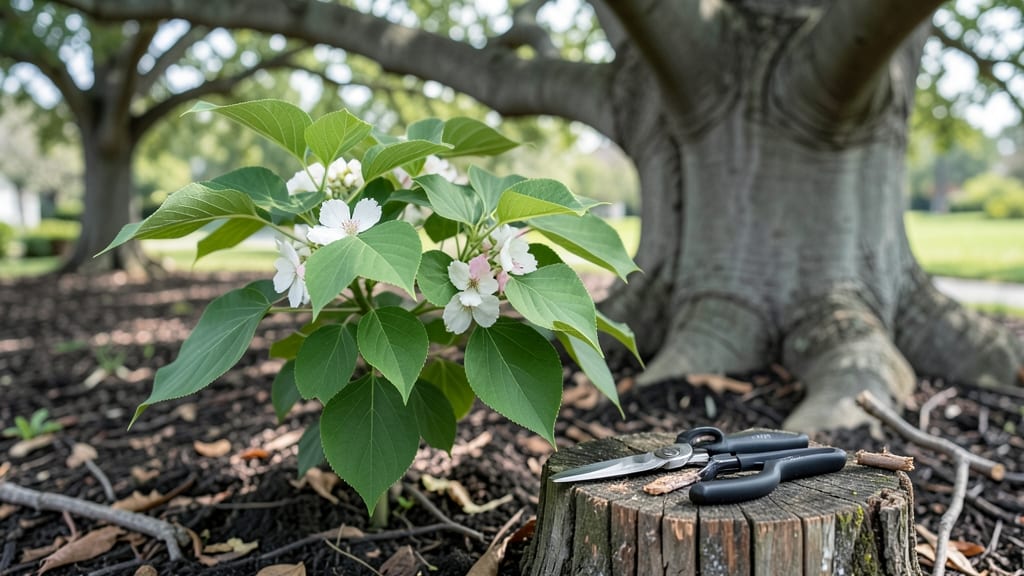
Pruning dogwood trees might seem intimidating, but I’ve turned mine from a tangled mess into a showstopper with just a few strategic cuts each year. The key is timing—do it wrong, and you’ll sacrifice next spring’s stunning blooms.
I’ll show you exactly when and how to trim for that vibrant spring display you’ve been dreaming of.
You only need three tools: sharp pruning shears for small branches, loppers for thicker limbs, and a saw for anything over an inch thick. And the best part? The right cuts take less than 30 minutes—no arborist skills required.
We’ll focus on shaping the tree while keeping it healthy, so you avoid the common mistakes that leave dogwoods looking ragged.
By the time spring arrives, your tree will burst with lush foliage and clusters of blooms that make your neighbors take notice. The secret lies in removing dead wood first, then thinning out crowded branches to let light and air circulate.
Trust me, your dogwood will thank you with years of effortless beauty.
Works for both flowering and ornamental dogwoods, whether you’re dealing with a mature tree or a young sapling. Let’s get those branches looking intentional—and keep your dogwood thriving for decades.
📚 In This Guide
- What you need
- Instructions
- Tips and common mistakes
- Wrapping up and next steps
What you need
- ● Pruning shears: Bypass pruners (for cuts up to ½ inch) – sharp, high-quality (e.g., Felco or Fiskars).
- ● Loppers: For thicker branches (½ to 1½ inches) – long-handled, bypass-style (e.g., Corona or Bahco).
- ● Pruning saw: For branches 1½+ inches thick – curved-tooth, bypass saw (e.g., Felco or Silky).
- ● Gloves: Heavy-duty gardening gloves – cut-resistant, long-cuffed (e.g., Mechanix or Wolverine).
- ● Disinfectant: 70% isopropyl alcohol or a pruning sealant (e.g., Tanglefoot Pruning Seal) to prevent disease spread.
- ○ Extension pole: Optional but helpful for high branches – 3-6 feet, with a saw attachment.
- ● Safety glasses: Protect your eyes from debris.
- ● Work boots: Sturdy, ankle-supportive footwear.
- ● Ladder: If your tree is tall – stable, extendable, and rated for weight.
- ● Trash bags: For collecting pruned branches and debris.
- ● First-aid kit: Just in case—bandages, antiseptic wipes, and tweezers.
- ● Choose the right time: Late winter to early spring (before buds swell) or mid-summer (after flowering).
- ● Check the weather: Prune on a dry, calm day to avoid spreading disease or making cuts slippery.
- ● Assess the tree: Look for dead, diseased, or crossing branches—these are your top priorities!
- ● Have a plan: Sketch a rough outline of cuts if needed, especially for shaping.
Step-by-Step guide for pruning dogwood trees
Here's how to revive your dogwood's health and ensure stunning spring blooms.
Time Your Pruning for Maximum Impact
Prune dogwoods immediately after their spring blooms fade—typically in late May or early June. This timing lets the tree recover before winter and prevents removing next year's flower buds, which form on old wood. If you missed this window, wait until early summer but avoid pruning after mid-July, as new growth won't harden off before frost.
I always check the blooms first—when the flowers drop completely and new leaves fully harden, that's my cue. Dogwoods are sensitive to late-season cuts, so never prune in fall or winter. The goal is to shape the tree while preserving its energy reserves for next spring's spectacular display.
Remove Dead, Diseased, or Damaged Branches First
Start by scanning the tree for branches that are dead (no green leaves), diseased (mushroom growth, oozing sap), or physically damaged (cracks, splits, or broken limbs). Use sharp, clean pruning shears to make a clean cut just outside the branch collar—the swollen area where the branch meets the trunk. This prevents tearing and promotes faster healing.
I make a point to sterilize my tools between cuts with rubbing alcohol to prevent spreading any potential diseases. If a branch is larger than 2 inches in diameter, use a pruning saw for a clean cut. Remove these branches completely—they won't recover and only drain the tree's resources.
Thin the Canopy for Better Airflow and Light
Next, focus on thinning the canopy to improve airflow and sunlight penetration. Look for branches that cross or rub against each other—these create wounds and weak points. Remove about 20% of the tree's foliage, targeting branches that grow inward or downward. This opens up the center and reduces disease risk from trapped moisture.
I like to step back frequently to visualize the tree's shape. Dogwoods naturally grow with a rounded form, so aim to maintain that silhouette while removing only the necessary branches. Never remove more than 25% of the foliage in one season—this stresses the tree and can lead to poor blooming or dieback.
Shape the Tree for Balance and Aesthetics
Now, refine the tree's shape by selectively pruning branches that disrupt its natural form. Start at the bottom and work your way up, removing branches that grow too close together or spoil the tree's symmetry. Use your hand as a guide—if a branch is thicker than your wrist, it's too large to remove without professional help.
For dogwoods, I avoid heavy pruning on the outer edges, as this can reduce next year's flower production. Instead, focus on subtle adjustments to maintain the tree's graceful, layered appearance. Always make cuts at a slight angle just above a outward-facing bud to encourage new growth in the right direction.
Clean Up and Monitor for Recovery
After pruning, rake up and dispose of all debris—especially diseased branches—to prevent reinfection. Sterilize your tools again with rubbing alcohol or a bleach solution (1 part bleach to 9 parts water) to kill any lingering pathogens. Water the tree deeply to help it recover, especially if you've made significant cuts.
Watch the tree closely over the next few weeks. Healthy new growth should appear within 4-6 weeks, and the tree should look fuller and more vibrant. If you notice excessive leaf drop, wilting, or oozing sap at the pruning sites, the cuts may have been too severe. In that case, the tree will need time to recover before blooming strongly again.
Tips & tricks for pruning dogwood trees
Timing and technique make all the difference when pruning dogwoods—here's how to avoid common mistakes and maximize your tree's health.
Timing is Everything: In Step 1, when you're waiting for blooms to fade completely, I recommend marking your calendar for late May or early June. This precise window ensures you don't accidentally remove next year's flower buds, which develop on old wood. If you missed this timing, early summer is your second chance—but avoid pruning after mid-July, as new growth won't have time to harden before winter.
Tool Preparation Matters: Before making any cuts in Step 2, sterilize your pruning shears between each branch using rubbing alcohol. I've seen many gardeners skip this step, only to spread diseases throughout their entire yard. For branches larger than 2 inches, switch to a pruning saw to avoid tearing the bark. Always make clean cuts just outside the branch collar—the swollen area where the branch meets the trunk—to promote faster healing.
Visualize the Canopy: When thinning in Step 3, step back every few minutes to visualize your tree's shape. Dogwoods naturally grow with a rounded form, so aim to maintain that silhouette while removing only the necessary branches. Remember the 20% rule: never remove more than 20% of the foliage in one season. This prevents stress that could lead to poor blooming next spring.
Recovery Monitoring: After pruning in Step 5, watch for healthy new growth within 4-6 weeks. If you notice excessive leaf drop, wilting, or oozing sap at the pruning sites, your cuts may have been too severe. In that case, the tree will need extra time to recover before producing vibrant spring blooms again.
Pro Tips for Pruning Dogwood Trees
- Timing and technique make all the difference when pruning dogwoods—here's how to avoid common mistakes and maximize your tree's health.
- Timing is Everything: In Step 1, when you're waiting for blooms to fade completely, I recommend marking your calendar for late May or early June.
- Tool Preparation Matters: Before making any cuts in Step 2, sterilize your pruning shears between each branch using rubbing alcohol.
Frequently asked questions
Got questions about pruning your dogwood trees?
You’re not alone! Here are some of the most common concerns—plus clear, actionable answers to keep your tree thriving.
When is the best time to prune a dogwood tree?
Prune dogwoods after they bloom in late spring or early summer. Avoid pruning in fall or winter, as cold stress can harm the tree. If you must prune in late winter (for structural shaping), do it just before buds swell—but never during active growth.
How much can I cut back a dogwood tree?
Never remove more than 25% of the tree’s canopy in a single pruning session. Dogwoods are sensitive to heavy cuts—over-pruning stresses the tree and can reduce flowering. For young trees, light shaping is best; mature trees may need gradual thinning over 2–3 years.
What should I do if my dogwood tree isn’t blooming after pruning?
Poor blooms often stem from pruning at the wrong time (e.g., fall/winter) or removing too many flower buds. Ensure you’re cutting above the buds (not on them) and avoid heavy structural cuts. If the issue persists, check for pests, disease, or nutrient deficiencies (like phosphorus).
Can I prune a dogwood tree in the fall?
Fall pruning is risky for dogwoods. Late-season cuts expose fresh wounds to fungal diseases and winter dieback. If you spot dead or diseased branches in fall, remove them immediately—but limit pruning to only necessary cleanup. Wait until spring for major shaping.
Are there alternatives to pruning if my dogwood looks overgrown?
Yes! If pruning feels overwhelming, try selective thinning to improve airflow and light penetration. Remove only the innermost branches to open the canopy. For severely overgrown trees, consider a gradual renewal pruning plan over 3–5 years—removing 1–2 branches per year.
Wrapping up and next steps
Pruning your dogwood tree is a rewarding way to ensure stunning spring blooms and a healthy, thriving landscape. By following the right techniques—like timing your cuts, removing dead wood, and encouraging airflow—you’ll not only enhance its beauty but also extend its lifespan.
Now that you’re armed with the know-how, grab those pruners and get to work! 🌸✂️
Ready to take it further? Monitor your tree’s progress after pruning and adjust as needed. For extra guidance, consider consulting a local arborist or joining gardening forums to share your success (or ask more questions!). Happy pruning!