
Pruning
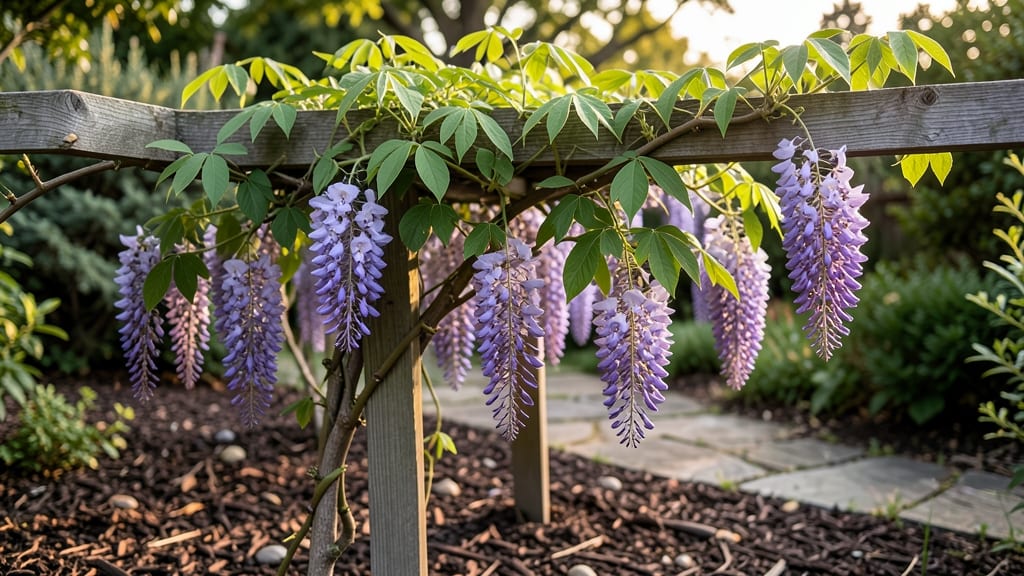
Purple wisteria trees transform any garden into a dreamy lavender cloud when done right. 🌿 I’ve wrestled with their wild vines, and now I’m sharing the pruning secrets that keep them blooming like crazy every spring.
The key isn’t just cutting back—it’s understanding when and how to shape them so they reward you with those fragrant cascades year after year.
These vines thrive in full sun and well-draining soil, but they’ll test your patience if you let them grow unchecked. Purple wisteria needs strong support—think trellises or sturdy branches—to handle its weight, and it rewards you with blooms in late spring that smell like heaven.
The catch? Aggressive growth means pruning isn’t optional—it’s how you keep them manageable and floriferous.
With the right cuts, you’ll see longer, denser flower spikes and fewer tangled vines choking your garden. The best time to prune is right after flowering, when you can shape the plant without sacrificing next year’s blooms. I’ll walk you through the exact steps—no guesswork, just reliable results.
Whether you’re dealing with a young sapling or an established vine, this method works for both. Purple wisteria might be high-maintenance, but the payoff—those dramatic lavender cascades—makes every snip worth it. Let’s get those pruners ready!
📚 In This Guide
- What you need
- Instructions
- Tips and common mistakes
- Wrapping up and next steps
What you need
- ● Pruning shears: Sharp, bypass-style shears (for cuts under ½ inch thick). Pro tip: Clean with rubbing alcohol after each use to prevent disease spread! 🔥
- ● Loppers: 1 pair (for thicker branches, 1–2 inches in diameter). Look for ratcheting or bypass blades for precision.
- ○ Pruning saw: 1 curved-tooth saw (for branches over 2 inches thick). Optional: A folding pruning saw for portability.
- ● Gloves: Heavy-duty, cut-resistant gloves (wisteria thorns are no joke!).
- ● Disinfectant: 70% isopropyl alcohol or a 10% bleach solution (1 part bleach to 9 parts water) to sterilize tools between cuts.
- ○ Pruning sealant: 1 small bottle (optional but helpful for sealing large wounds to prevent disease).
- ● Ladder or step stool: Sturdy and tall enough to reach the tree’s highest branches safely.
- ● Heavy-duty trash bags: 2–3 bags (for collecting pruned branches and debris).
- ● Safety goggles: 1 pair (to protect against flying debris or sap splashes).
- ● Timing: Prune in late winter or early spring (before new growth starts) for best results. Avoid pruning during fall or after flowering.
- ● Weather: Choose a dry, overcast day to minimize stress on the tree and reduce sap bleeding.
- ● Tree health check: Inspect the wisteria for signs of disease (fungus, cankers) or pests before pruning. Treat issues first if spotted!
- ● Plan your cuts: Sketch a rough map of the tree’s structure or take photos to visualize your pruning strategy. Pro tip: Wisteria thrives on open-center pruning—aim for an airy, vase-like shape! ✨
Step-by-step guide to pruning purple wisteria for abundant blooms
Here’s how to transform your wisteria into a flowering powerhouse—no guesswork, just proven cuts.
✂️ Step 1: Prune in Late Winter or Early Spring
Wisteria blooms on old wood, so timing matters. Wait until just before buds swell—usually February to March in most climates. If you prune too early, you’ll cut off next year’s flowers. If you wait too long, new growth will start before you’re done.
Start by removing dead, diseased, or crossing branches first. These compete with healthy growth and block sunlight. Use sharp pruners to make clean cuts at a 45-degree angle just above a bud or lateral branch. This prevents water from pooling and causing rot.
✂️ Step 2: Thin Out Overcrowded Branches
Wisteria’s natural habit is to tangle and thicken. To encourage air circulation and stronger blooms, thin out one-third of the oldest, thickest stems each year. Focus on branches that are wooden and woody—these are the ones that produce the most flowers.
Look for branches that grow straight up or rub against others. These are prime candidates for removal. You’ll know you’ve done enough when sunlight can reach the center of the plant. This prevents mold and encourages new, vigorous growth from the base.
✂️ Step 3: Shape and Encourage New Growth
After thinning, shape the plant by cutting back last year’s flower spikes to 4-6 inches from the base. This may seem drastic, but it forces the plant to produce fresh, longer spikes next season. New growth will emerge from the buds along the main stems.
For younger plants, prune lightly to encourage branching. Aim for a balanced, open shape with multiple main stems. Avoid heavy pruning on young wisteria—it can stunt growth and reduce flowering. Instead, focus on guiding the structure early.
✂️ Step 4: Summer Maintenance for Healthy Growth
Once blooming season ends, do a quick check for suckers—those aggressive shoots growing at the base. Remove them immediately, or they’ll drain energy from your main plant. Also, trim back any overly long or leggy growth to maintain shape.
This is also the time to lightly prune any deadheading—cutting back faded flower spikes to keep the plant tidy. Avoid heavy pruning in summer, as it can stress the plant and reduce next year’s blooms. Instead, focus on shaping and cleaning up.
Tips & tricks for pruning purple wisteria trees
Real talk: Pruning wisteria can feel intimidating, but these tricks will help you avoid common pitfalls and get that dreamy lavender cascade every year.
The Timing Secret: February to March is your sweet spot because wisteria blooms on old wood. If you prune too early, you’re cutting off next year’s flowers, and if you wait too late, new growth starts before you finish. I check for swollen buds—when they’re just beginning to plump up, that’s your cue. Pro tip: Set a calendar reminder for late winter to avoid missing the window.
Branch Angle Know-How: That 45-degree angle isn’t just for looks—it’s about directing water away from the cut. When you make clean cuts just above a bud or lateral branch, you’re preventing rot by letting rainwater run off instead of pooling. I like to practice on a scrap branch first to get the angle right—it makes all the difference when you’re working with a full tree.
Thinning Strategy: One-third of the oldest, thickest stems each year is the magic number. These are the branches that produce the most flowers, but they also compete with newer growth. Look for branches growing straight up or rubbing against others—these are your first targets. The goal is to let sunlight reach the center of the plant, which prevents mold and encourages those long, lush spikes we all love.
Summer Maintenance: Don’t let those suckers and leggy growth take over! After blooming season, do a quick check for aggressive shoots at the base—remove them immediately. Lightly prune any deadheading to keep things tidy, but avoid heavy cuts in summer. Your wisteria needs that energy for next year’s flowers, not for recovering from mid-season stress.
Pro Tips for Purple Wisteria Tree
- Real talk: Pruning wisteria can feel intimidating, but these tricks will help you avoid common pitfalls and get that dreamy lavender cascade every year.
- The Timing Secret: February to March is your sweet spot because wisteria blooms on old wood.
- Branch Angle Know-How: That 45-degree angle isn’t just for looks—it’s about directing water away from the cut.
Frequently asked questions
Got questions about keeping your purple wisteria tree in peak bloom? We’ve got answers! Here are the most common concerns—plus expert tips to troubleshoot and optimize your pruning game.
When is the best time to prune purple wisteria for maximum blooms?
The absolute best time is right after flowering (late spring/early summer). This encourages next year’s blooms while keeping the plant healthy. Avoid pruning in fall or winter—wisteria blooms on old wood, so cutting back too early can sacrifice next season’s lavender spikes!
How much can I trim back my wisteria without killing it?
Wisteria is tough as nails! You can safely prune up to ⅓ of the plant’s growth per year. For established trees, focus on removing dead, crossing, or overcrowded branches first. Pro tip: Never trim more than 20% of the canopy in one go—this keeps the tree balanced and blooming.
Why isn’t my wisteria blooming, even after pruning?
Lack of blooms usually means one of three things:
- Over-pruning in winter (cuts old wood where flowers form),
- Too much shade (wisteria needs 6+ hours of sun), or
- Nutrient deficiency. Try fertilizing in early spring with a balanced 10-10-10 formula and ensure it’s well-watered but not soggy.
Can I grow purple wisteria in a container? If so, what’s the catch?
Yes, but it’s challenging! Wisteria needs deep roots and space to climb—opt for a 15+ gallon container with drainage holes and a support trellis. Watch out for:
- Root-bound stress (repot every 2–3 years)
- Weaker blooms (containers limit nutrient access)
- Winter dieback (protect pots with mulch or move indoors if possible)
Are there any pruning mistakes that can harm my wisteria’s health?
Avoid these common blunders:
- Topping the tree (cutting the main stem)—this stunts growth and blooms.
- Pruning in fall/winter (encourages weak, non-flowering growth).
- Using dull shears (tears bark; invest in bypass pruners).
- Ignoring pests (aphids, spider mites)—treat early with neem oil.
Wrapping up and next steps
The purple wisteria tree is a stunning addition to any garden, but mastering its pruning takes patience and precision. By following this blueprint—timing cuts, shaping strategically, and addressing common challenges—you’ll unlock nonstop lavender spikes that steal the show year after year. 🌸
Ready to transform your pruning game? Start small: pick one section of your wisteria to practice this season, then expand your skills. With each trim, you’ll grow closer to that dreamy, cascading canopy. Happy pruning—your future blooms will thank you!