
Pruning
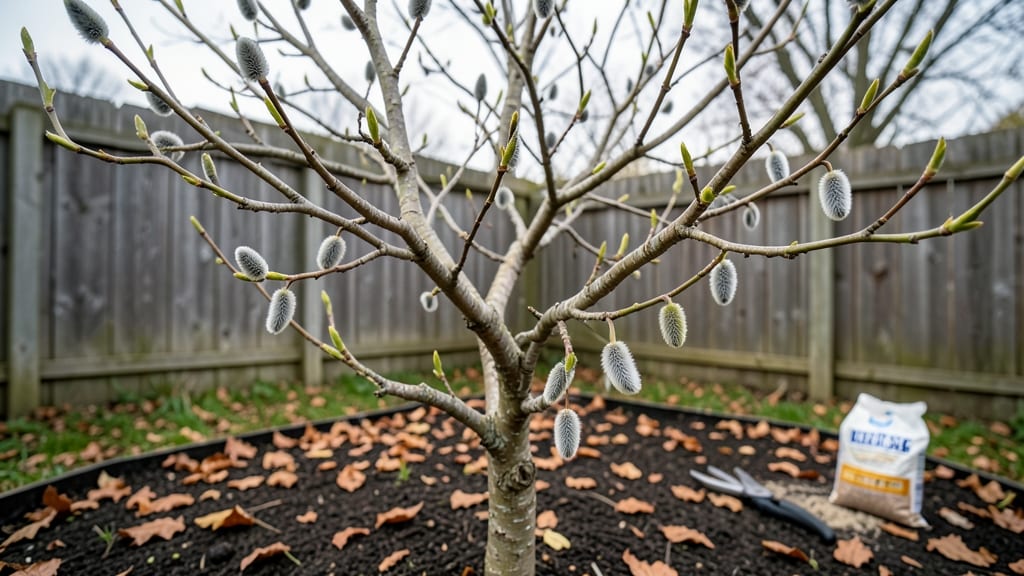
Caring for a pussy willow tree starts with understanding its fuzzy, early-spring magic—and three strategic trims that keep it lush year-round. 🌿 I’ve learned the hard way that skipping pruning turns those graceful branches into a tangled mess, but with the right cuts, your tree will reward you with silver-green foliage and catkin blooms that arrive before most garden plants even wake up.
The secret isn’t complicated: prune once in late winter to shape the tree, again in summer to encourage bushiness, and a final trim in early fall to prep for winter. You’ll need basic pruning shears, a ladder (for taller trees), and about 30 minutes for each session—no fancy tools required.
The key is cutting just above a bud or leaf node, never leaving stubs, and always working with clean tools to avoid disease.
What you’ll end up with is a tree that stays compact, produces more vibrant catkins each year, and even thrives in containers if you keep it small. The first year might look sparse, but by year two, you’ll have a willow that’s the first to announce spring in your yard.
And yes, those fuzzy branches make perfect Easter decorations—just snip a few before pruning!
Works for both outdoor landscapes and indoor pots (just move it outside in summer), and adapts to partial shade or full sun. The only rule? Never prune in fall after the leaves drop—wait until early spring to avoid winter dieback. Let’s get those branches in shape!
📚 In This Guide
- What you need
- Instructions
- Tips and common mistakes
- Wrapping up and next steps
What you need
- ● Pruning shears: Bypass pruners (sharp, 6-8" blade) for small branches (up to ½ inch thick). Required!
- ● Loppers: Bypass or anvil type (18-24" long) for medium branches (½ to 1½ inches thick). Required!
- ● Pruning saw: Curved-tooth handsaw for thick branches (1½+ inches). Required for larger trims.
- ● Gloves: Heavy-duty, cut-resistant (gardening or pruning gloves). Highly recommended!
- ● Disinfectant: 70% isopropyl alcohol or rubbing alcohol + rag to sterilize tools between cuts. Prevents disease spread!
- ○ Extension pole: 10-12 ft telescoping pole with pruner attachment (for high branches). Optional but handy!
- ● Ladder: Sturdy, non-slip (if branches are >6 ft off the ground). Safety first!
- ○ Trash bags: Heavy-duty (for collecting debris). Optional but practical.
- ○ Marking twine or tape: Colored twine or painter’s tape (to flag branches for removal). Optional for planning.
- ● Weather check: Choose a dry, calm day (avoid pruning when branches are wet or windy).
- ○ Safety gear: Safety glasses (to protect from debris). Optional but smart!
- ● Tree knowledge: Identify dead, diseased, or crossing branches before you start.
- ● Clean workspace: Clear the area around the tree (remove rocks, tools, or tripping hazards).
How to keep your pussy willow tree thriving all year
Three focused trims keep this fast-growing tree healthy and lush—no complicated steps needed.
🌿 Step 1: Prune for Shape in Late Winter
Timing matters most here. Wait until after the last frost but before buds swell—typically February to early March. You'll know it's time when the tree looks dormant but the ground isn't frozen solid. Grab your pruning shears and start by removing any dead, diseased, or crossing branches first. These are easy to spot—they're brown, brittle, or growing inward toward the trunk.
Next, thin out about 20-25% of the total branches to improve airflow. Focus on branches that are growing too close together or rubbing against each other. Cut them back to the trunk or a strong outward-facing branch. This isn't about making it look perfect yet—just opening up the canopy so light and air can move through. Your goal is to create a vase-like shape with a strong central leader.
✂️ Step 2: Light Trim After Flowering
This happens around April to May, right after those fuzzy catkins appear. You'll notice new growth starting to push out from the tips of branches. At this stage, simply remove any overly long or leggy branches that are growing straight up without much side branching. These are the ones that make the tree look sparse at the bottom.
Cut back these branches by about one-third to encourage bushier growth. You don't need to be precise—just make clean cuts just above a leaf bud or side branch. This trim keeps the tree balanced and prevents it from becoming top-heavy. Here's the thing—pussy willows grow fast, so don't worry about being perfect. The tree will fill in quickly if you just remove the most obvious problem branches.
🌱 Step 3: Summer Maintenance Trim
This is your lightest trim of the year, happening in June or July when the tree is in full leaf. Walk around the tree and look for any branches that are growing in odd directions or spoiling the natural shape. Remove them completely at the base. You're not doing any major structural work here—just tidying up.
Pay special attention to any suckers growing from the base of the tree. These are little shoots that pop up around the trunk. Cut them off at ground level immediately—they drain energy from your main tree. This trim keeps the tree looking neat and prevents it from becoming overgrown. Real talk: most people skip this step, but it makes a noticeable difference in how full and healthy your tree looks.
⏰ Step 4: Prepare for Winter Dormancy
This isn't a trim, but it's critical for next year's growth. Start in late fall when leaves begin to turn yellow and fall. Remove all the leaves from the base of the tree—this prevents fungal diseases from overwintering in the debris. Rake them up and dispose of them properly.
Give the base of the tree a good 2-3 inch layer of mulch (using the 3 bags of shredded bark mulch you'll need). This protects the roots from freezing temperatures and keeps moisture in the soil. But don't pile mulch against the trunk—leave a 2-3 inch gap around the base to prevent rot. This simple step makes all the difference in how well your tree recovers in spring.
Tips & tricks for perfect pussy willow tree care
Here's what nobody tells you about making these simple trims work for your tree all year long.
Timing is Everything: The February to early March window for Step 1 is your best shot at catching the tree completely dormant. I learned this the hard way after pruning too early—new growth was already starting, and my cuts just encouraged more sprouting. Check your local frost dates and mark your calendar. If you miss this window, wait until buds are clearly swollen before attempting any major trimming. The tree's natural growth cycle is your guide here.
Tool Selection Matters: While pruning shears work for most branches, invest in a good pair of loppers for thicker branches (over ½ inch in diameter). I've ruined too many cuts trying to force small shears through thicker wood—it crushes the branch instead of making a clean cut. For the largest branches, a pruning saw is worth the investment. Always clean your tools with rubbing alcohol between cuts to prevent spreading disease from one branch to another. This simple step keeps your tree healthier in the long run.
Visual Cues for Better Cuts: When making cuts in Step 2 (after flowering), look for the leaf bud just above where the branch meets the trunk or another branch. This is your target—cut just above it at a slight downward angle. The angle helps water run off the cut, preventing rot. If you're unsure where to cut, imagine drawing a line from the branch to the trunk—this is the natural growth path you want to follow. The goal is to encourage new growth in the right direction.
Mulch Application Technique: That 2-3 inch layer of mulch in Step 4 needs to be applied carefully. Spread it in a donut shape around the tree, keeping it 2-3 inches away from the trunk. Too much mulch piled against the trunk creates a moist environment that invites rot. I've seen too many trees suffer from this common mistake. Also, avoid using fresh wood chips as mulch—they can draw nitrogen from the soil as they decompose. Stick with shredded bark mulch for the best results.
Pro Tips for Pussywillow Tree Care
- Here's what nobody tells you about making these simple trims work for your tree all year long.
- Timing is Everything: The February to early March window for Step 1 is your best shot at catching the tree completely...
- Tool Selection Matters: While pruning shears work for most branches, invest in a good pair of loppers for thicker bra...
Frequently asked questions
Got questions about keeping your pussy willow tree happy? You’re not alone!
Here are the most common queries—plus straightforward answers—to help you grow a lush, thriving tree with minimal fuss.
When is the best time to trim a pussy willow tree?
The ideal time to prune is late winter or early spring (before buds swell) to encourage fresh growth. Avoid heavy trimming in fall—it can stress the tree before winter. For shaping or maintenance, light pruning can happen anytime, but never trim in extreme heat or drought.
Can I trim pussy willows in winter for spring blooms?
Yes! Light trimming in dormant winter months (Dec–Feb) removes dead branches and shapes the tree. Just avoid cutting into thick, woody stems—focus on thin, flexible branches. This prep jumpstarts vibrant spring blooms!
What tools do I need for pussy willow pruning?
You’ll want:
- Bypass pruners (for small branches)
- Loppers (for thicker stems up to 2 inches)
- Pruning saw (for stubborn, larger branches)
- Garden gloves (to protect from thorns and sap)
- Disinfectant (rubbing alcohol or bleach solution to sterilize tools between cuts)
Why are my pussy willow branches turning brown or dying?
Brown branches often signal over-pruning, disease, or pests. Check for:
- Fungal spots (prune infected areas immediately and dispose of debris)
- Sap-sucking insects (like aphids—blast with water or use neem oil)
- Root stress (overwatering or compacted soil—improve drainage!)
Are there pussy willow alternatives for smaller spaces?
If your space is tight, consider:
- Dwarf pussy willow varieties (e.g., Salix caprea ‘Pendula’)
- Weeping willow hybrids (like Salix babylonica ‘Tortuosa’)
- Container-grown pussy willows (prune aggressively to keep compact)
Bonus Tip:
Label your pruning cuts! Use a permanent marker to mark branches you plan to remove in stages—helps avoid over-trimming in one session.
Wrapping up and next steps
Caring for your pussy willow tree doesn’t have to be complicated—just a little love and the right timing go a long way! 🌿 With three simple trims (early spring, late spring, and winter), you’ll keep your tree healthy, blooming beautifully, and ready to take on the seasons.
Remember, consistency is key, and soon you’ll have a thriving, picturesque centerpiece for your garden.
Now that you’re armed with the know-how, grab those pruners and get to trimming! 🌸 Start with this season’s first cut and watch your pussy willow flourish year after year. Happy gardening!