
Planting
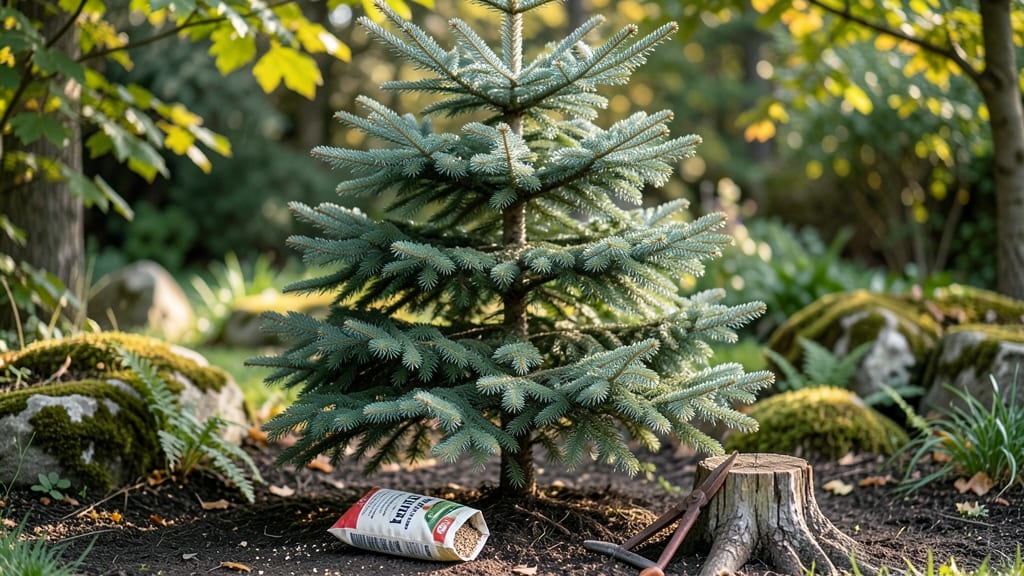
Planting a real Christmas tree plant from seed lets your family grow its own heirloom holiday centerpiece for decades—imagine a 10-foot Fraser fir or Norway spruce standing in your yard, needles fresh year-round, branches perfect for ornaments. ✨ The thought of it is worth... the decade-long wait.
I planted my first sapling when my kids were toddlers, and now we cut it ourselves every December.
The key is choosing the right species for your climate and soil. Fraser firs thrive in cool, moist conditions, while Norway spruces handle drier soil and hotter summers. Start with nursery-grown saplings (not seeds) for faster results—you’ll see 3-foot growth in 3 years with proper care.
Soil prep matters too: mix in compost and ensure good drainage, or your tree will struggle from the start.
By year five, you’ll prune for shape and protect young branches from snow damage. The payoff comes when your tree reaches harvest size—needles dense, limbs sturdy, and that classic Christmas scent filling the air. It’s not just a tree; it’s a family tradition that grows with you.
Works in any yard with full sun and space—just give it time. The first few years are about patience, not perfection. Your future holiday memories are already taking root.
📚 In This Guide
- What you need
- Instructions
- Tips and common mistakes
- Wrapping up and next steps
What you need
- ● Christmas Tree Seedlings: 1-5 (depending on space and design). Choose from popular varieties like Frassier fir, Douglas fir, or Balsam fir. Opt for 1-2 year old saplings for faster growth.
- ● High-Quality Soil: 5-10 bags (20 lbs each) of well-draining, acidic soil (pH 4.5-5.5). Mix with peat moss or pine bark fines for ideal conditions.
- ● Organic Mulch: 2-3 cubic yards of pine straw or wood chips to retain moisture and suppress weeds.
- ● Fertilizer: Slow-release, acid-loving plant fertilizer (e.g., Osmocote or Miracle-Gro for Acid Lovers). Apply as directed on the package.
- ● Watering Can or Hose: With a gentle spray nozzle for deep, even watering.
- ● Gloves & Long-Sleeve Clothing: To protect against sap and prickly branches.
- ● Shovel or Spade: For digging planting holes (12-18 inches deep and wide).
- ● Pruners or Shears: Sharp, clean pruners to trim branches or roots if needed.
- ● Measuring Tape: To ensure proper spacing between trees (10-15 feet apart for mature growth).
- ○ Garden Stakes (Optional but Helpful): To support young trees during planting.
- ● Sunlight: Choose a location with full sun (6+ hours/day) or partial shade (avoid harsh afternoon sun in hot climates).
- ● Space: Ensure your yard has enough room for the tree’s mature height (e.g., 40-60 feet for a Douglas fir).
- ● Water Source: Easy access to water for consistent deep watering (1-2 inches per week).
- ● Patience: Christmas trees grow slowly—plan for 10+ years to reach full holiday-ready height!
- ● Tree Guards: Plastic or metal guards to protect young trees from animals.
- ● Soil pH Test Kit: To monitor and adjust acidity levels over time.
- ● Decorative Lights or Ornaments: For a festive touch (safely installed after planting!).
- ● Compost or Worm Castings: To boost soil health and nutrient retention.
Step-by-Step instructions for planting a real Christmas tree
Here's how to establish a healthy evergreen that'll bring holiday cheer year after year.
🌱 Step 1: Choose the Right Tree and Planting Location
Select a species suited to your climate—blue spruce, Fraser fir, or Norway spruce are classic choices. Look for a 3-5 foot tall young tree with a straight trunk and full, symmetrical branches. The planting site needs 6+ hours of sunlight daily and well-draining soil. Avoid low spots where water pools after rain.
I always dig a hole twice as wide as the root ball but only as deep. The top of the root ball should sit 1-2 inches above ground level—this prevents stem rot from sitting water. Test your soil's drainage by digging a hole and filling it with water; if it drains in under an hour, your site is ready.
🪴 Step 2: Prepare the Hole and Plant the Tree
Loosen the soil in the hole with a garden fork to encourage root spread. Mix the native soil with 2-3 inches of compost at the bottom—this improves drainage and provides nutrients. Gently remove the tree from its container and tease the roots outward if they're circling.
Place the tree in the center of the hole, ensuring the trunk stands straight. Here's the thing—fill the hole with water first, then backfill with soil. This prevents air pockets from forming around the roots. Press the soil lightly with your hands to eliminate gaps, but don't compact it too tightly.
☀️ Step 3: Water and Mulch for Long-Term Health
Water deeply right after planting—1-2 gallons should soak into the soil. You'll know it's enough when water runs out the bottom of the hole. Mulch with 2-3 inches of wood chips, keeping the mulch 6 inches away from the trunk to prevent rot. This retains moisture and regulates soil temperature.
Water twice weekly for the first month, then once weekly afterward, unless you get 1 inch of rain. Evergreens hate soggy roots, so always check the soil—it should feel damp 2 inches down but not wet. A soaker hose makes this easy and prevents leaf scorch from overhead watering.
✂️ Step 4: Prune and Maintain for Year-Round Beauty
Prune in late winter (just before new growth starts) to shape the tree and remove dead branches. Use clean, sharp shears to make cuts just outside the branch collar. Never remove more than 25% of the foliage in one season—this stresses the tree and invites pests.
Fertilize in early spring with a balanced 10-10-10 formula, spreading it 6 inches beyond the drip line. Evergreens are slow growers, so I apply fertilizer only once a year. Watch for yellowing needles—they signal either overwatering or nutrient deficiency, and adjusting care fixes it quickly.
Tips & tricks for perfect real Christmas tree planting
Here's what nobody tells you about keeping your evergreen thriving for years to come.
Location is Everything: That 6+ hours of sunlight isn't just a suggestion—it's non-negotiable for healthy growth. I've seen trees struggle in partial shade, even with perfect soil. If your yard has limited sun, consider planting near a south-facing wall that reflects light. And remember: evergreens hate soggy feet, so avoid planting where water pools after rain.
Root Ball Placement Matters: When positioning your tree in Step 1, the top of the root ball should sit 1-2 inches above ground level—this critical detail prevents stem rot from sitting water. I've made the mistake of planting too deep, and the tree struggled for years. Use a level to check placement before backfilling, and never mound soil against the trunk.
Watering Wisdom: Those first 1-2 gallons after planting are crucial—they help settle the soil and eliminate air pockets around the roots. I recommend using a garden hose with a gentle spray nozzle to avoid disturbing the soil. For the first month, stick to the twice-weekly schedule unless you get 1 inch of rain, but always check that the soil feels damp 2 inches down—not wet like a swamp.
Pruning Like a Pro: Late winter pruning in Step 4 is your chance to shape the tree and remove dead branches, but never cut more than 25% of the foliage in one season. I use clean, sharp shears and make cuts just outside the branch collar. If you see yellowing needles, it's usually a sign of overwatering or nutrient deficiency—adjust your care and watch it bounce back within weeks.
Pro Tips for Real Christmas Tree Plant
- Here's what nobody tells you about keeping your evergreen thriving for years to come.
- Location is Everything: That 6+ hours of sunlight isn't just a suggestion—it's non-negotiable for healthy growth.
- Root Ball Placement Matters: When positioning your tree in Step 1, the top of the root ball should sit 1-2 inches above ground level—this critical detail prevents stem rot from sitting water.
Frequently asked questions
about planting and caring for your real Christmas tree—because every gardener deserves clarity! Here are answers to the most common queries to help your evergreen thrive year-round.How long does it take for a Christmas tree sapling to grow into a full-sized tree?
A fast-growing species like Nordmann fir or Douglas fir can reach 6–8 feet in 5–7 years with proper care. Slower varieties may take 10+ years. Patience pays off—your future holiday centerpiece will be worth the wait! Learn more about growth rates.
What’s the best time of year to plant a Christmas tree?
Plant your sapling in early fall or late spring for ideal results. Avoid extreme heat or frost. Evergreens dislike soggy roots, so wait until the ground isn’t waterlogged. Pro tip: Mulch heavily after planting to retain moisture!
Can I plant a pre-cut Christmas tree from the store?
Nope! Store-bought trees are harvested for holiday use—they’re often treated with preservatives and won’t survive replanting. Instead, opt for bare-root saplings or container-grown trees from nurseries. Your yard deserves a healthy start!
How do I keep my Christmas tree alive after the holidays?
If you must bring an indoor tree outside, bury it in snow or mulch to protect roots, then replant in spring. But better yet: plant a sapling now! Real trees thrive outdoors with 6+ hours of sunlight and consistent watering. Check out winter care tips.
Are Christmas trees prone to pests or diseases?
Yes, but prevention is easy! Watch for spider mites, bark beetles, or fungal spots. Prune dead branches, avoid overwatering, and apply organic pest control if needed. Healthy soil = happy tree! Spot pest signs early.
How much does it cost to plant a Christmas tree?
Costs vary: Saplings ($10–$30), container-grown trees ($50–$150), and professional planting ($100–$300+). DIY saves money—just budget for soil amendments, mulch, and tools! Invest in quality for long-term beauty.
Wrapping up and next steps
Planting a real Christmas tree isn’t just about holiday cheer—it’s a gift that keeps giving year-round! Whether you choose a fragrant balsam fir, a sturdy Douglas fir, or a vibrant Fraser fir, you’re investing in living tradition that grows with your family.
The key? Start with the right soil, space, and care, and watch your evergreen thrive for decades.
Ready to turn your yard into a winter wonderland? Take the next step:
- 🌱 Pick your tree—visit a local nursery or online retailer to find the perfect variety.
- 📅 Mark your calendar for early fall planting (before the ground freezes).
- 💪 Roll up your sleeves and dig in—your future holiday memories are waiting!