
Planting
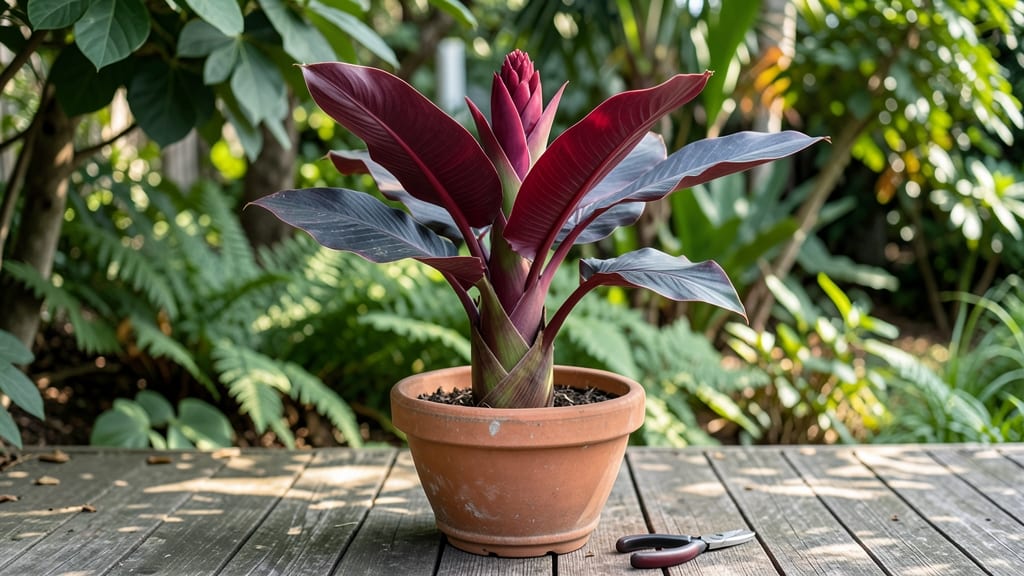
Growing a red banana tree plant from seed to fruit in just 18 months is the kind of gardening magic that makes you feel like you’re running a tropical paradise. 🌿 The first time I saw those deep red, finger-length bananas dangling from my own plant, I knew I’d never buy them at the store again—they’re sweeter, firmer, and packed with a floral aroma that’s all their own.
Here’s the thing—these dwarf red bananas (Musa acuminata) aren’t fussy, but they do need a few key things to thrive: warmth (they won’t tolerate frost), rich soil (think compost-heavy and slightly acidic), and plenty of space (they can grow 8–10 feet tall indoors or outdoors in zones 10–11).
The secret to that 18-month harvest? Start with a healthy, fast-growing plant—whether from seed or a nursery—and give it consistent care from day one.
You’ll end up with glossy, deep-green leaves that smell like a tropical breeze, followed by clusters of those striking red bananas that ripen to a creamy yellow.
The fruit isn’t just for show—it’s delicious fresh, in smoothies, or even baked into muffins (though we’re keeping this a gardening guide, not a cookbook!). The best part? Once established, these trees are drought-tolerant and produce year after year with minimal fuss.
Whether you’re growing one in a large container on your patio or planting it in the ground where winters are mild, the process is simpler than you’d think.
Let’s break down exactly how to get those bananas growing—and how to keep your plant happy through every stage, from sprouts to harvest.
📚 In This Guide
- What you need
- Instructions
- Tips and common mistakes
- Wrapping up and next steps
What you need
- ● Red banana plant (Musa acuminata 'Red') – 1 healthy sapling (ensure it’s disease-free and potted or bare-root).
- ● Well-draining potting mix – 5+ gallons (blend of coconut coir, perlite, and compost in a 40:30:30 ratio).
- ● Large container or raised bed – Minimum 18" deep and 24" diameter (or larger for multiple plants).
- ● Slow-release fertilizer – 10-10-10 NPK blend (2–3 tbsp per plant at planting).
- ● Organic mulch – 2–3 inches of straw or wood chips (to retain moisture and regulate soil temp).
- ● Watering can or hose with gentle spray nozzle – For deep, consistent hydration.
- ● Pruning shears – Sharp, sterilized (for trimming yellow leaves or overgrowth).
- ● Soil pH test kit – Aim for 5.5–6.5 (adjust with lime or sulfur if needed).
- ● Support stake or trellis – 6–8 ft tall (to guide heavy banana stalks as they grow).
- ● Shade cloth (30–50%) – For seedlings or hot climates (prevents sunburn).
- ● Compost tea or liquid fertilizer – Monthly boost (e.g., fish emulsion or seaweed extract).
- ● Humidity tray or pebble tray – Keeps air moist for tropical conditions.
- ● Gloves & long sleeves – Banana plants can have thorns!
Step-by-Step instructions for growing a thriving red banana tree
Here’s how to coax this stunning tropical into fruit-bearing glory—even in warmer climates.
🌱 Step 1: Choose the Right Spot and Prepare the Soil
Red banana trees (Musa acuminata 'Red') demand warmth and shelter from cold snaps. Pick a location with full sun (at least 6-8 hours daily) and protection from strong winds. I always test the soil first—these plants hate soggy roots, so amend heavy clay with 2-3 inches of compost or well-rotted manure before planting.
Their native tropical roots need loose, fertile ground. Work in 1-2 inches of coarse sand or perlite to improve drainage if your soil compacts easily. A slightly acidic to neutral pH (around 6.0-7.0) keeps nutrients available. You’ll know you’ve got it right when the soil crumbles easily between your fingers.
🪴 Step 2: Plant the Sucker or Bare-Root Seedling Correctly
If starting from a sucker (offspring shoot), dig a hole twice as wide as the root ball but only as deep as the top of the roots. Red banana suckers have shallow roots that rot if buried too deep. Gently tease out any circling roots to encourage outward growth—this prevents girdling as the plant matures.
For bare-root seedlings, soak the roots in lukewarm water for 30 minutes before planting to revive them. Space plants 10-12 feet apart—they’ll grow 12-15 feet tall and need elbow room. Fill the hole with soil, tamp lightly, and water deeply to settle everything. The key is keeping the base of the stem level with the soil surface—never mound soil around it.
☀️ Step 3: Water Deeply and Protect Young Growth
Water once weekly during the first 3 months, soaking the soil to 12 inches deep. You’ll know it’s enough when water runs out the drainage holes. Red bananas are drought-tolerant once established, but young plants need consistent moisture. Mulch with 2-3 inches of straw or wood chips to retain moisture and block weeds—just keep it 6 inches away from the stem to prevent rot.
Watch for yellowing leaves—this usually means overwatering or poor drainage. If the soil stays damp for more than 3 days, cut back to every 10 days until the plant adjusts. In winter, reduce watering to every 2-3 weeks unless your climate stays above 50°F.
✂️ Step 4: Fertilize and Prune for Fruit Production
Start fertilizing 3 months after planting with a balanced 10-10-10 formula, applying every 4-6 weeks during growing season. Red bananas love nutrients but hate salt buildup, so flush the soil once a month with 2 inches of water to leach excess salts. You’ll see new leaves emerge 2-3 weeks after feeding—that’s your signal it’s working.
Prune only to remove dead or diseased fronds and any suckers that appear at the base. These compete with the main plant for energy. If you notice flower stalks emerging, leave them—this is the plant’s way of telling you it’s ready to fruit! Just support heavy bunches with a small stake to prevent breakage.
🍌 Step 5: Harvest and Care for Next Year’s Crop
Red bananas ripen 18-24 months after planting, but you’ll spot the first flower spike around 12 months. Harvest when the fruit changes from green to reddish-purple and yields slightly to gentle pressure. Cut the stem with clean pruners, leaving a 1-inch stub. The fruit will continue ripening indoors at room temperature over 5-7 days—watch for the sweet aroma.
After harvest, clean up any fallen fronds and apply a final feeding of potassium-rich fertilizer (like 0-0-50) to prep for next year’s growth. In colder climates, protect the base with mulch and a frost cloth if temps dip below 40°F. With proper care, your tree will produce 2-3 harvests per year once mature.
Tips & tricks for perfect red banana tree planting
These simple yet game-changing insights will help you avoid rookie mistakes and set your tropical fruit tree up for success.
Soil Prep Secret: In Step 1, when amending your soil with 2-3 inches of compost or well-rotted manure, mix it thoroughly with the existing soil—not just pile it on top. I learned this the hard way after watching a neighbor's plant struggle with nutrient runoff. The goal is to create a uniform, crumbly texture throughout the planting area. For heavy clay soils, add 1-2 inches of coarse sand or perlite and work it in until the soil passes the "squeeze test"—when you press it, it should hold its shape but not be rock-hard.
Root Handling Technique: Step 2's advice about soaking bare-root seedlings for 30 minutes in lukewarm water is critical, but don't overlook the root inspection. Before planting, gently spread the roots outward and look for any that appear mushy or dark brown—these are already damaged. Trim them off with clean scissors and discard. Healthy roots should be firm and light tan in color. This simple check can save your plant from rot down the line.
Watering Wisdom: The once weekly watering schedule in Step 3 works beautifully, but timing matters just as much as frequency. Water in the early morning so the leaves have all day to dry—this prevents fungal issues that thrive in damp foliage. For the first 12 inches deep, use a long screwdriver to check moisture: if it comes out clean, you've watered enough. In containers, water until you see it draining from the bottom holes. Overwatering is the #1 killer of young red banana trees, so when in doubt, wait a few extra days.
Fertilizer Timing: Starting fertilization 3 months after planting with a 10-10-10 formula gives your tree the boost it needs, but here's the part nobody mentions: split that first application into two smaller feedings 2 weeks apart. This gradual introduction prevents salt shock. Also, always water thoroughly before and after fertilizing to help distribute nutrients evenly through the 12-inch deep root zone we prepared earlier. The 2-3 weeks after feeding leaf response is your green light that you're doing it right.
Pro Tips for Red Banana Tree Plant
- These simple yet game-changing insights will help you avoid rookie mistakes and set your tropical fruit tree up for success.
- Soil Prep Secret: In Step 1, when amending your soil with 2-3 inches of compost or well-rotted manure, mix it thoroughly with the existing soil—not just pile it on top.
- Root Handling Technique: Step 2's advice about soaking bare-root seedlings for 30 minutes in lukewarm water is critical, but don't overlook the root inspection.
Frequently asked questions
Got questions about growing your own red banana tree plant? You’re not alone! Here are some of the most common queries—plus quick answers to help you succeed.
How long does it take for a red banana tree to produce fruit?
A healthy red banana tree plant can yield fruit in 18–24 months from planting, given the right conditions. Patience is key—focus on well-draining soil, consistent warmth (above 60°F), and regular watering. With proper care, you’ll see those vibrant red bananas in no time!
Can red banana trees survive cold weather?
Red banana trees are tropical plants and thrive in USDA zones 10–12. If you live in colder climates, grow them in containers and bring them indoors during winter or plant them in a greenhouse. Frost will kill the plant, so protect it from temperatures below 50°F.
What’s the difference between red bananas and regular bananas?
Red bananas have deep red skins and creamy, sweet flesh with a hint of vanilla. They’re smaller, firmer, and richer in antioxidants than commercial bananas. Plus, they’re hardier and easier to grow in home gardens—perfect for exotic fruit lovers!
How do I know if my red banana tree is healthy?
A healthy tree has glossy green leaves, sturdy stems, and no yellowing or wilting. Watch for pests like aphids or fungal spots—treat early with neem oil or insecticidal soap. Overwatering causes root rot, so ensure pots have drainage holes and soil stays slightly moist but not soggy.
Can I grow red bananas in containers?
Absolutely!
Red banana trees adapt well to containers (use at least a 15–20 gallon pot) as long as they get full sun (6+ hours/day) and regular fertilization. Choose a well-draining potting mix with compost. Just remember: Larger pots = bigger harvests!
Wrapping up and next steps
Growing a red banana tree plant is an exciting journey that rewards patience with vibrant foliage and sweet, exotic fruit in just 18 months! 🌱 With the right soil, sunlight, and care, you’ll enjoy a thriving tropical addition to your garden—perfect for both beauty and harvest.
Whether you’re a seasoned gardener or a beginner, this guide makes it simple.
Ready to take the next step? Start by gathering your supplies, then plant with confidence. Soon, you’ll be savoring the unique flavor of homegrown red bananas—what are you waiting for? 🌟