
Pruning
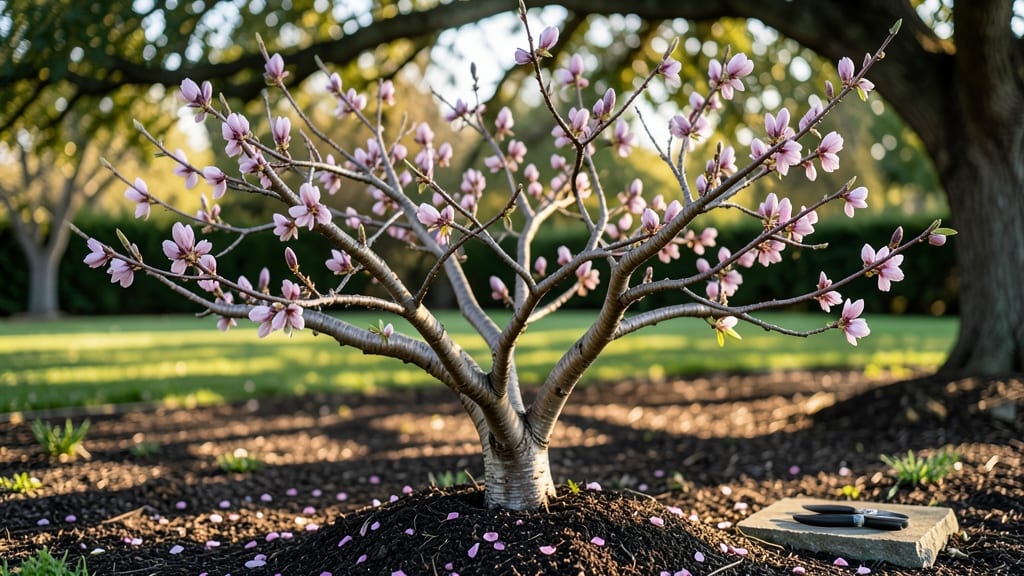
Fall is the perfect time to prune your redbud tree before winter sets in, and these four strategic cuts will set it up for stunning spring blooms.
I’ve pruned mine every autumn for five years, and the difference in growth and flower production is night and day—thicker branches, brighter blooms, and fewer weak limbs. The key is timing: wait until the leaves have fallen but before hard frost, usually between late October and mid-November in most climates.
This isn’t about aggressive trimming—think of it as giving your tree a health spa day. You’ll focus on removing dead or crossing branches first, then thinning out crowded areas to improve airflow.
Redbuds respond beautifully to light pruning, so don’t overdo it; aim to remove no more than 25% of the canopy. The goal is winter-ready growth, not a dramatic makeover. My tree now has a stronger structure and blooms earlier each spring.
What you’ll end up with is a redbud that looks neater and more vigorous by next spring, with fewer broken branches after winter storms. The cuts you make now encourage new growth in early spring, and those fresh shoots will produce next year’s iconic pink blossoms.
Plus, the tree’s natural shape becomes more defined, making it a standout feature in your landscape.
This method works for redbuds in USDA zones 4-9**, whether you’re pruning a young sapling or a mature tree. The same principles apply whether you’re shaping a small patio specimen or a larger landscape tree.
Ready to give your redbud the care it deserves before winter? Let’s get those pruners out.
📚 In This Guide
- What you need
- Instructions
- Tips and common mistakes
- Wrapping up and next steps
What you need
- ● Pruning shears: Bypass pruners (sharp, clean, and disinfected with rubbing alcohol) for small branches (up to ½-inch thick).
- ● Loppers: 1 pair (for branches ½-inch to 2-inches thick). Look for ratcheting or bypass types for precision.
- ● Pruning saw: 1 handheld saw (for branches 2+ inches thick). A bow saw or curved-blade saw works best.
- ● Gloves: 1 pair of cut-resistant, gardening gloves (to protect hands from thorns and rough bark).
- ● Disinfectant: Rubbing alcohol (70% isopropyl) or a pruning sealant (to prevent disease spread).
- ● Heavy-duty trash bags: 2-3 (for collecting debris and fallen leaves).
- ● Ladder or step stool: 1 (if your tree is taller than 6 feet; ensure it’s stable and non-slip).
- ● Safety gear: Safety glasses (to shield eyes from debris).
- ● Long sleeves/pants (to protect against scratches and thorns).
- ● Pruning paint/sealant: For larger cuts (over 1-inch thick) to protect exposed wood from pests/disease.
- ● Tree wound dressing: (Controversial but some swear by it for rapid healing—use sparingly!)
- ● Marking twine or flags: To tag branches for future reference (e.g., "Remove in Spring").
- ● Wheelbarrow or tarp: For hauling heavy debris away easily.
- ● Sharpener: A file or stone to keep blades sharp mid-pruning.
How to prune a redbud tree for strong winter growth
Here's how I prepare redbuds for winter—keeping them healthy without over-pruning.
Remove Dead or Diseased Branches First
Start by scanning the tree for any branches that are completely brown, hollow, or showing signs of disease like oozing sap or fungal growth. Use sharp, clean pruning shears to make a clean cut just outside the branch collar—the swollen area where the branch meets the trunk. This prevents unsightly stubs and promotes faster healing.
I always prune these branches first because they can harbor pests or diseases that might spread to healthy wood. If a branch is larger than 2 inches in diameter, I use a pruning saw instead of shears to avoid tearing the bark. Work your way around the tree, removing every dead branch you find—don't leave even one, as it can weaken the tree over time.
Thin Out Crossing or Rubbing Branches
Next, look for branches that are crossing each other or rubbing against one another. These create wounds that can invite disease and weaken the tree's structure. When you find a pair of branches that are rubbing, remove the smaller one entirely—never leave a stub. If they're the same size, remove the one that's growing less vertically or looks weaker.
I like to step back and look at the tree from different angles to spot branches that might be hidden from view. The goal is to create an open center that allows sunlight and air to circulate freely. This also makes it easier to see any new growth in spring. Don't worry about making the tree look perfect—focus on removing what's harmful first.
Prune Back Overly Long Branches for Shape
Now it's time to shape the tree by pruning back branches that are growing too long or out of proportion. Redbuds naturally have a graceful, rounded shape, so I aim to maintain that silhouette. For each branch I'm cutting, I look for a lateral bud that's facing outward—this ensures new growth will continue the tree's natural form.
Make your cut just above this outward-facing bud at a slight angle. This angle helps rainwater run off the cut instead of pooling. For branches longer than 12 inches, I might make two cuts: first to shorten the branch, then a second cut to remove the remaining stub. Never cut more than 25% of the tree's canopy in one season—redbuds are sensitive to heavy pruning.
Clean Up and Prepare for Winter
After making all your cuts, take a moment to clean up the area. Remove all pruned branches from the base of the tree to prevent pests from using them as shelter over winter. I also like to sterilize my pruning tools with rubbing alcohol between cuts, especially if I've been working with diseased branches.
Finally, apply a thin layer of arborist's wound dressing to any large cuts—this helps protect the tree from disease and pests. Water the tree deeply after pruning to help it recover. Redbuds are deciduous, so they'll enter dormancy soon, but proper fall pruning ensures they'll burst into beautiful pink blooms next spring.
Tips & tricks for pruning redbud trees in fall
Here's what I've learned after years of pruning redbuds—these small details make all the difference for winter resilience.
Branch Collar Precision: In Step 1, when removing dead branches, focus on cutting just outside the branch collar. This swollen area contains healing cells that help the tree recover faster. If you cut too close to the trunk or leave a stub, you create entry points for disease. I've seen trees develop infections from improper cuts, so take your time—this is where healing begins.
Angle Matters for Water Flow: During Step 3, when shaping the tree, always make your cuts at a slight angle just above the outward-facing bud. This simple technique prevents water from pooling in the wound, which can lead to rot. The angle also guides new growth in the direction you want, maintaining that graceful redbud silhouette.
Seasonal Timing Insight: Fall is actually the ideal time to prune redbuds because they're entering dormancy. The tree's energy shifts to root growth and healing, so it can recover quickly from cuts. Avoid pruning in late winter or early spring when the tree is actively growing—new growth will be vulnerable to cold snaps.
Cleanup is Critical: After finishing Step 4, don't just pile pruned branches near the tree. Remove them completely from the area to prevent pests from using them as winter shelter. I've seen cases where neglected prunings led to increased pest populations the following spring. Also, sterilizing tools between cuts prevents spreading disease from one branch to another.
Pro Tips for Redbud Tree In Fall
- Here's what I've learned after years of pruning redbuds—these small details make all the difference for winter resilience.
- Branch Collar Precision: In Step 1, when removing dead branches, focus on cutting just outside the branch collar.
- Angle Matters for Water Flow: During Step 3, when shaping the tree, always make your cuts at a slight angle just above the outward-facing bud.
Frequently asked questions
Got questions about pruning your redbud tree in fall?
You’re not alone! Here are answers to the most common concerns—from timing to troubleshooting—so you can tackle the task with confidence.
When is the exact best time to prune a redbud tree in fall?
The ideal window is late fall (November through early December), after the leaves drop but before hard frosts. This timing minimizes stress on the tree and reduces disease risks. Avoid pruning too early—you’ll encourage new growth that won’t harden off before winter. Pro tip: Check your local frost dates to play it safe!
Can I prune a redbud tree too much in fall? What’s the risk?
Yes! Redbuds are sensitive to over-pruning, especially in fall. Limit cuts to no more than 25% of the tree’s canopy per season. Heavy pruning can stress the tree, making it vulnerable to pests or winter dieback. Focus on structural shaping and removing dead/diseased branches first. Pro tip: If you’re unsure, err on the side of caution—less is often more!
Will pruning now affect the redbud’s stunning spring flowers?
Not if done correctly! Pruning in fall won’t harm next year’s blooms—redbuds flower on last year’s growth, so strategic cuts (like removing crossing branches) actually improve airflow and light penetration. Just avoid cutting back flowering wood (the bare stems where blooms emerge). Think of it as a spring prep session!
What if my redbud tree has no leaves in fall—how do I know what to prune?
No leaves? No problem! Fall is the perfect time to assess your tree’s structure. Look for:
- Dead branches (snapped, brittle, or hollow)
- Crossing or rubbing branches (friction weakens wood)
- Water sprouts (fast-growing, vertical shoots)
- Low-hanging limbs (blocking walkways or power lines)
Are there alternatives if I miss fall pruning?
If you skip fall, late winter (before buds swell) is the next best time. Avoid pruning in early spring—this can trigger heavy sap flow and attract pests. For minor touch-ups (like broken branches), you can prune anytime, but stick to the 10% rule to avoid stressing the tree.
Wrapping up and next steps
Fall is the perfect time to give your redbud tree the care it needs to thrive in winter—and with these four strategic cuts, you’re already setting it up for stunning spring blooms! 🌸 Pruning now encourages strong growth, removes dead wood, and shapes your tree for years to come.
Remember, patience and precision are key, but the payoff is a healthier, more vibrant tree.
Ready to take action? Grab your pruners, review your cuts, and schedule that pruning session before the first frost hits. Your redbud will thank you with bursts of color and vitality come spring!