
Pruning
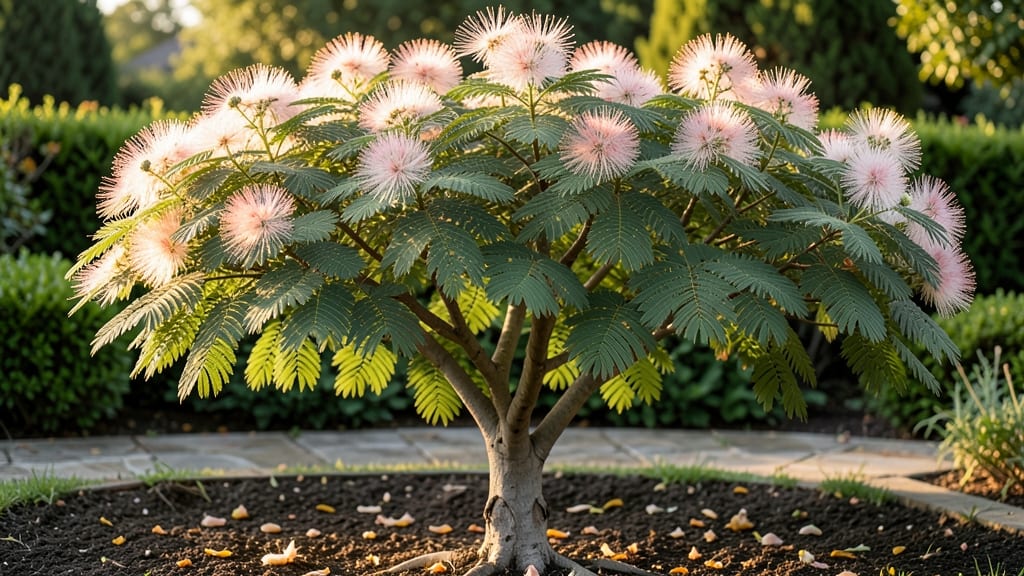
Transforming your yard into a year-round showstopper with a silk leaf tree (Albizia julibrissin) starts with the right pruning blueprint—this delicate, fern-like foliage thrives when you shape it just right.
I planted mine last spring, and within months, the airy branches filled with silky leaves that sway in the slightest breeze, creating a dreamy, almost tropical vibe even in full sun.
The secret isn’t just cutting back; it’s knowing when and how to encourage that lush, feathery growth without sacrificing its natural elegance.
This tree loves full sun and well-draining soil, but its real magic happens when you prune it twice a year—once in late winter to remove dead branches and again in early summer to shape its growth.
You’ll need sharp pruners, a ladder (for taller branches), and about 30 minutes to an hour for the job, depending on its size. The key is thinning out crowded branches to let light and air circulate, which keeps those signature leaves vibrant and pest-free.
Over time, you’ll end up with a tree that looks effortlessly refined, even if you’re not a pruning pro.
What you’ll notice after just one growing season is a canopy so dense and velvety that neighbors will ask how you did it.
The leaves stay lush through summer heat and even hold onto their charm in fall, though they’ll eventually drop for winter—only to burst back with fresh growth in spring.
With the right pruning rhythm, your silk leaf tree becomes the kind of plant that turns heads and starts conversations, all while requiring less fuss than you’d expect.
Works beautifully in warm climates (USDA zones 6-9) and handles urban pollution surprisingly well, making it perfect for city landscapes or as a statement piece in a backyard.
The trade-off? It’s not drought-tolerant, so keep the soil consistently moist during dry spells. Ready to give it a try? Let’s get those branches looking their best.
📚 In This Guide
- What you need
- Instructions
- Tips and common mistakes
- Wrapping up and next steps
What you need
- ● Pruning shears: Bypass pruners (sharp, 6–8" blades) for clean cuts on small branches.
- ● Loppers: Bypass or anvil type (8–12" blades) for thicker branches (½"–1.5" diameter).
- ● Pruning saw: Curved-tooth or folding saw for branches over 1.5" thick.
- ● Gloves: Heavy-duty, cut-resistant (silk leaf trees have serrated edges!).
- ● Disinfectant: 70% isopropyl alcohol or rubbing alcohol (1 small bottle) to sterilize tools.
- ○ Pruning sealant: Optional but helpful (e.g., tree wound dressing) for large cuts.
- ● Extension pole: For hard-to-reach branches (3–6 ft, depending on tree height).
- ● Ladder: Sturdy, non-slip (if tree exceeds 10 ft).
- ● Trash bags: For collecting pruned debris (2–3 large bags).
- ● Hand saw: For emergency cuts if loppers fail.
- ● Safety glasses: Protect your eyes from flying debris!
- ● Check the weather: Prune on a dry, overcast day (avoid midday heat).
- ● Know your tree’s age: Young trees (under 5 years) need lighter pruning; mature trees can handle heavier cuts.
- ● Gather a sharpener (file or whetstone) to keep blades in top condition.
- ● Have a plan: Sketch or mentally map out your pruning goals (shape, size, deadwood removal).
Step-by-Step pruning blueprint for a silk leaf tree
Transform your silk leaf tree into a thriving, lush centerpiece with this seasonal pruning approach.
Assess and Plan Your Pruning Schedule
Start by examining your silk leaf tree for signs of overgrowth or leggy stems. The best time to prune is in early spring before new growth begins, but you can also do light maintenance pruning in late summer to encourage bushier growth. I like to mark stems that need trimming with a small piece of twine—this helps me visualize the final shape before making cuts.
Look for branches that cross or rub against each other, as well as any that grow inward toward the center of the plant. These are the first candidates for removal. You’ll also want to trim back any stems that are more than 1/3 of the plant’s height—these often become weak and woody over time. Take a moment to step back and admire the tree’s natural shape; your goal is to enhance its fullness without sacrificing its elegant form.
Prune for Shape and Health
Use clean, sharp pruning shears to make cuts just above a leaf node or bud, angled slightly away from the growth point. This encourages new growth to sprout in the right direction. For thicker branches, I recommend using hand pruners to avoid tearing the bark. Start by removing any dead, diseased, or damaged branches first—these can harbor pests or fungal issues that spread to healthy growth.
To promote a fuller silhouette, focus on trimming the outer edges of the tree. Cut back the longest stems by about one-third to encourage branching. Avoid cutting into old wood, as silk leaf trees struggle to regrow from mature wood. If you’re unsure where to cut, follow the natural growth pattern of the plant—it’ll guide you toward the best spots for new shoots. After pruning, wipe down your shears with rubbing alcohol to prevent cross-contamination between cuts.
Encourage New Growth and Maintain Year-Round Lushness
After pruning, your silk leaf tree will likely send out fresh, vibrant growth within 4-6 weeks. To support this, keep the soil consistently moist but not soggy—water deeply once a week during the growing season, adjusting for your climate. You’ll notice new leaves emerging from the pruned stems, signaling that the plant is recovering well. If growth seems slow, consider applying a balanced liquid fertilizer every 4-6 weeks during the active growing months.
To maintain that lush look year-round, do a light touch-up pruning in late summer to remove any straggly or overcrowded branches. This keeps the tree compact and encourages dense foliage. Avoid heavy pruning in fall or winter, as the plant needs time to recover before spring growth. If you notice yellowing leaves, it’s often a sign of overwatering or poor drainage—adjust your watering routine and ensure the pot has adequate drainage holes.
Monitor and Adjust for Long-Term Health
Keep an eye on your silk leaf tree throughout the year for any signs of stress, such as brown tips or sparse foliage. These can indicate underwatering, overwatering, or even pests like spider mites. If you spot pests, treat the tree with neem oil or insecticidal soap, following the product instructions carefully. Regularly dust the leaves with a damp cloth to remove any debris or pests hiding on the undersides.
Every 2-3 years, consider repotting your silk leaf tree if it’s become root-bound. Choose a pot that’s only 1-2 inches larger in diameter than the current one to avoid shocking the plant. The best time to repot is in early spring, just before the growing season kicks in. After repotting, hold off on heavy pruning for a few weeks to let the tree adjust to its new home. With consistent care, your silk leaf tree will reward you with vibrant, year-round foliage.
Tips & tricks for perfect silk leaf tree pruning
Transforming your silk leaf tree into a thriving centerpiece starts with these pruning secrets that’ll keep it lush year-round.
Timing is Everything: The early spring timing in Step 1 is non-negotiable—this gives your tree the full growing season to recover. If you must prune in late summer, do it at least 6 weeks before the first frost to allow new growth to harden off. I’ve seen trees pruned too late in fall struggle to bounce back, so mark your calendar now for that early spring session.
Tool Technique: When using pruning shears in Step 2, make your cuts at a 45-degree angle just above a leaf node. This isn’t just about aesthetics—it creates a natural water runoff path that prevents rot. For thicker branches, use hand pruners and make the cut slightly above a bud pointing in the direction you want growth to go. Pro tip: Wipe your tools with rubbing alcohol between cuts to prevent spreading any potential diseases.
Growth Recovery: After pruning, the 4-6 week recovery window in Step 3 is when your tree’s magic happens. During this time, increase your watering to once every 5-7 days (instead of weekly) to support new growth. You’ll know you’re on the right track when you see fresh leaves emerging from the pruned stems—this is your tree’s way of saying "thank you" for the trim.
Long-Term Maintenance: The 2-3 year repotting schedule in Step 4 is crucial for preventing root-bound stress. When repotting, choose a pot that’s only 1-2 inches larger in diameter—the extra space helps roots expand without overwhelming the plant. After repotting, resist the urge to prune heavily for at least 3 weeks to let the roots establish first.
Pro Tips for Silk Leaf Tree
- Transforming your silk leaf tree into a thriving centerpiece starts with these pruning secrets that’ll keep it lush year-round.
- Timing is Everything: The early spring timing in Step 1 is non-negotiable—this gives your tree the full growing season to recover.
- Tool Technique: When using pruning shears in Step 2, make your cuts at a 45-degree angle just above a leaf node.
Frequently asked questions
When is the best time to prune a silk leaf tree?
The ideal time is late winter or early spring, just before new growth begins. This helps shape the tree and encourages vibrant foliage. Avoid heavy pruning in fall or summer, as it can stress the tree and attract pests. Pro tip: Light trimming to remove dead branches can happen anytime!
How much can I prune without harming the tree?
You can safely remove up to 25-30% of the tree’s canopy in a single session, but avoid over-pruning. Focus on thinning out crowded branches and removing dead or crossing limbs first. Over-pruning weakens the tree and may reduce its stunning, feathery foliage. Think quality over quantity!
Why are my silk leaf tree’s leaves turning yellow or dropping?
Yellowing or dropping leaves often signal overwatering, underwatering, or pest issues. Check soil moisture—it should be damp but not soggy. Spider mites or aphids can also cause stress. Solution: Adjust watering, inspect leaves for pests, and prune affected areas to improve airflow.
Can I grow a silk leaf tree in a container?
Yes! Silk leaf trees thrive in large containers (at least 24 inches wide) with well-draining soil. Choose a sunny spot and repot every 2-3 years. Just be prepared for frequent pruning to control size and shape. Bonus: Container-grown trees are perfect for patios or urban spaces!
How do I encourage more blooms on my silk leaf tree?
Blooms thrive on balanced care! Prune lightly in spring to promote air circulation and fertilize with a low-nitrogen, high-phosphorus formula in early spring. Avoid heavy pruning after blooming season (summer), as it can reduce next year’s flowers. Sunlight is key—place it in full sun (6+ hours daily) for best results!
Wrapping up and next steps
The silk leaf tree (Albizia julibrissin) is a stunning addition to any landscape, and with the right pruning techniques, you can keep it thriving year-round! 🌿 Whether you're shaping it for aesthetics, health, or seasonal blooms, remember that consistency and patience are key.
Now that you’re armed with the perfect pruning blueprint, it’s time to roll up your sleeves and give your tree the care it deserves.
Ready to transform your outdoor space? Start small—pick one pruning task from this guide and schedule it for your next weekend. With each trim, you’ll see your silk leaf tree grow stronger, fuller, and more beautiful. Happy pruning! ✂️🌟