
Trees
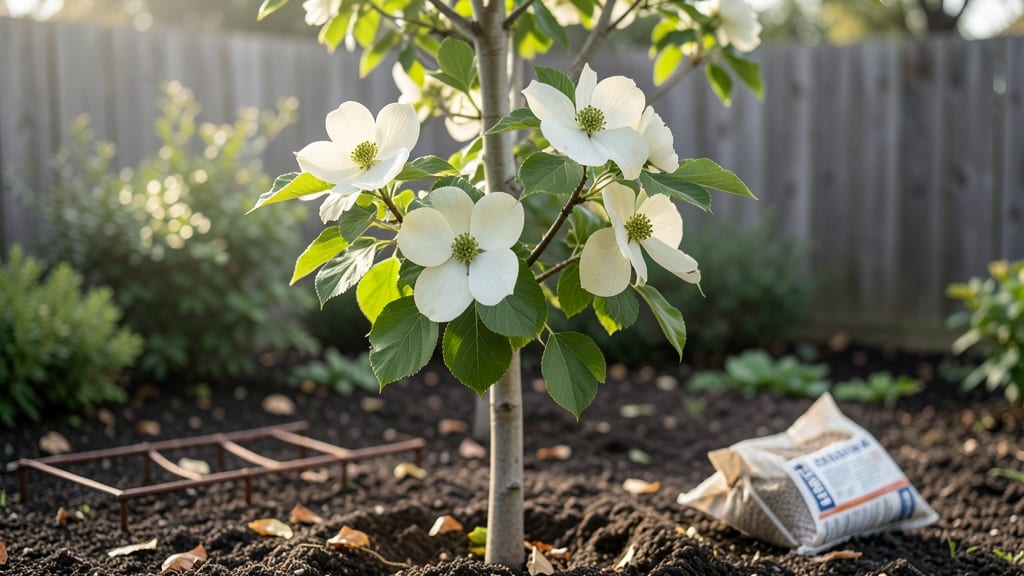
A small flowering dogwood tree (Cornus florida) turns spring into a showstopper with its 4-inch white blooms and vibrant fall foliage—yet it thrives in tight spaces where bigger trees fail.
Here's where I learned the secret: this tree doesn't just survive in small yards; it elevates them with minimal fuss. The key lies in its adaptability—whether you've got a postage-stamp front yard or a cozy courtyard, it delivers drama without the upkeep of high-maintenance shrubs.
Plant it where morning sun warms its leaves but afternoon shade protects them from scorching. The soil doesn't need to be fancy—just well-draining and slightly acidic, which most garden soils already are.
Water deeply once a week after planting, then let nature take over; dogwoods hate soggy roots but forgive occasional drought. Pruning? Almost none—just remove dead branches in late winter, and you're done.
The real magic happens when those cherry-red berries appear in fall, feeding birds while you sip coffee on your porch.
By summer, you'll have a tree that stays compact (20-30 feet tall) yet casts enough shade to create a cozy spot. The bark develops a striking camouflage-patterned texture in winter, making it a year-round star.
Even in cities, where air pollution stresses plants, dogwoods keep blooming—proof that beauty and resilience go hand in hand. Let's get yours growing strong.
Works beautifully as a single specimen, underplanted with spring bulbs, or paired with azaleas for layered color. The only rule? Plant it where you'll see it daily—because this tree doesn't just grow; it reminds you why gardening matters. Ready to add this effortless elegance to your space?
📚 In This Guide
- What you need
- Instructions
- Tips and common mistakes
- Wrapping up and next steps
What you need
- ● Small flowering dogwood tree (1–3 years old, 6–10 ft tall at maturity; choose Cornus florida or Cornus kousa varieties for compact growth).
- ● High-quality potting soil or native garden soil (1–2 bags, enriched with compost or organic matter).
- ● Organic mulch (3–4 cubic feet; shredded bark or pine needles work best).
- ● Slow-release fertilizer (balanced 10-10-10 or acid-loving plant formula, 1–2 lbs).
- ● Garden trowel or spade (for digging planting holes).
- ● Watering can or hose with a gentle spray nozzle (for post-planting hydration).
- ● Pruning shears (bypass pruners, sharp and sterilized).
- ● Gloves and long sleeves (to protect from thorns and sun exposure).
- ● Tree stake and soft tie (if planting in windy areas).
- ● Fungicide spray (preventative treatment for powdery mildew).
- ● Soil pH tester (ideal range: 5.0–6.0 for dogwoods).
- ● Drip irrigation kit (for consistent moisture in dry climates).
- ● Decorative stakes or labels (to mark the tree’s location).
How to plant and care for a small flowering dogwood tree
Here's the straightforward approach I've used to keep these graceful trees thriving for years.
🌱 Step 1: Choose the Perfect Planting Location
Flowering dogwoods need morning sun and afternoon shade—that's the sweet spot for their delicate blooms. Look for a spot with 4-6 hours of direct sunlight but protection from hot afternoon rays. The ground should be well-draining but able to hold moisture, since dogwoods dislike soggy roots.
I always dig a hole twice as wide as the root ball but only as deep. This encourages roots to spread horizontally rather than settling too low. The top of the root ball should sit 1-2 inches above ground level—this prevents water pooling around the trunk. Test your spot by leaving it uncovered for a day; if the soil stays damp, it's too wet.
🪴 Step 2: Plant with Proper Soil Preparation
Mix the removed soil with 2 inches of compost to improve drainage and fertility. Dogwoods prefer slightly acidic soil, so if your soil tests high, add 1 pound of peat moss to the hole. Place the tree in the center, spreading roots gently without bending them.
Fill the hole with the amended soil, tamping lightly every 4 inches to remove air pockets. Water deeply until the soil settles—this helps eliminate gaps. Mulch with 3 inches of bark mulch (keeping it 6 inches away from the trunk) to retain moisture and regulate temperature. Too much mulch smothers the roots, while too little won't protect them in winter.
☀️ Step 3: Water and Fertilize for Strong Establishment
Water twice weekly for the first month, then taper to once a week once leaves appear. You'll know it's enough when water drains 6 inches deep into the soil. Dogwoods are drought-tolerant once established, but young trees need consistent moisture to develop strong roots.
Apply a balanced 10-10-10 fertilizer in early spring, using 1/4 pound per year of tree age (max 1 pound). Avoid high-nitrogen fertilizers—they encourage leafy growth at the expense of flowers. I skip fertilizer in the second year unless the tree looks stressed, as dogwoods often bloom best with minimal feeding.
✂️ Step 4: Prune Strategically for Year-Round Beauty
Prune only to shape—never to remove more than 25% of the canopy at once. The best time is late winter or early spring, just before buds swell. Remove dead, crossing, or rubbing branches first, then thin out crowded areas to improve airflow. Dogwoods bloom on old wood, so avoid heavy pruning after flowers appear.
Use clean, sharp pruners to make cuts just outside the branch collar. Smooth any rough edges with a small saw if needed. I never prune more than one-third of the tree's height in a single season—this prevents shock. After pruning, water deeply to help the tree recover.
⏰ Step 5: Protect Through Seasonal Changes
In winter, apply 4 inches of mulch around the base (but not touching the trunk) to insulate roots. Young trees may need burlap wrapping if your winters drop below 10°F. Remove any mulch or wrapping by early spring to prevent overheating.
Watch for dogwood borers—tiny holes in bark signal an infestation. Treat with neem oil spray if you spot damage. Dogwoods are relatively low-maintenance, but these small steps keep them thriving for decades. The key is patience; their slow, steady growth makes them worth the wait.
Tips & tricks for perfect small flowering dogwood tree care
These practical insights will help you avoid common pitfalls and keep your dogwood thriving for decades.
Location is Everything: That 4-6 hours of morning sun is non-negotiable for vibrant blooms. I've seen dogwoods struggle in full afternoon sun—leaves scorch and flowers fade. If your yard only gets afternoon sun, consider planting near a north-facing wall or in a spot with filtered light through nearby trees. The afternoon shade protects the delicate blooms from heat stress while still giving them enough light to photosynthesize.
Root Ball Placement Matters: The 1-2 inches above ground level rule isn't just about drainage—it's about preventing crown rot. When the root ball sits too low, water pools around the trunk, creating the perfect conditions for fungal diseases. I've had to replant dogwoods that were planted too deep, and it's always heartbreaking to see a healthy tree decline from poor planting. Use a level to check placement before backfilling.
Watering Wisdom: Those 6 inches of deep watering are crucial, but timing matters too. Water in the morning so the foliage has time to dry before evening—wet leaves overnight invite fungal problems. I set a timer for my irrigation system during the first month to ensure consistent moisture without overwatering. Dogwoods hate soggy roots but also can't handle drought stress during establishment.
Pruning Precision: When you're shaping that 25% canopy limit, think of it as sculpting rather than hacking. I always remove branches from the bottom up—this opens the center for better airflow and prevents disease. And never prune when the tree is under stress (like during drought or extreme heat). The late winter timing gives the tree time to heal before spring growth begins, ensuring those beautiful blooms return next year.
Pro Tips for Small Flowering Dogwood Tree
- These practical insights will help you avoid common pitfalls and keep your dogwood thriving for decades.
- Location is Everything: That 4-6 hours of morning sun is non-negotiable for vibrant blooms.
- Root Ball Placement Matters: The 1-2 inches above ground level rule isn't just about drainage—it's about preventing crown rot.
Frequently asked questions
Got questions about growing and caring for your small flowering dogwood tree? Here are some of the most common ones—plus expert tips to keep your tree thriving year-round!
How fast does a small flowering dogwood tree grow?
A young flowering dogwood typically grows 12–24 inches per year, though growth slows as the tree matures. With proper care, it can reach 15–25 feet tall over 10–15 years. For compact varieties (like 'Pocahontas'), expect slower but steady growth—perfect for smaller yards!
When is the best time to plant a flowering dogwood?
Plant your dogwood in early spring or fall when temperatures are mild (50–70°F). Avoid extreme heat or frost, which can stress the tree. Fall planting (4–6 weeks before first frost) gives roots time to establish before winter, while spring planting ensures a head start for blooming season.
Why aren’t my dogwood flowers opening this year?
Missing blooms? Check these common culprits:
- Age: Dogwoods bloom best when 3–5 years old—patience is key!
- Light: Too much shade? They need partial sun (4–6 hours/day).
- Stress: Overwatering, drought, or poor soil can delay flowers. Aim for moist, well-draining soil.
- Pruning timing: Prune after blooming to avoid cutting next year’s flowers.
If issues persist, test soil pH (ideal: 5.0–6.0) or fertilize lightly in early spring.
Can I grow a flowering dogwood in a container?
Yes! Dwarf varieties like 'Cherokee Brave' or 'White Winter' thrive in large containers (15+ gallons). Use a balanced potting mix with perlite for drainage, and repot every 2–3 years. Place in partial shade and water consistently—containers dry out faster than ground soil!
What pests or diseases should I watch for?
Dogwoods are generally low-maintenance, but keep an eye out for:
- Powdery mildew: White powder on leaves? Improve airflow and avoid overhead watering.
- Dogwood borers: Look for sawdust-like frass or holes in bark. Prune infested branches and treat with beneficial nematodes.
- Leaf spot: Brown spots? Remove fallen leaves and prune affected areas.
Prevention tip: Mulch around the base (keep 3–4 inches away from trunk) and water at the soil level to deter pests.
Wrapping up and next steps
The small flowering dogwood tree is a stunning, low-maintenance addition to any garden, offering year-round beauty with minimal effort. Its delicate blooms, vibrant fall foliage, and striking winter bark make it a versatile choice for landscapes of all sizes.
Whether you're a seasoned gardener or just starting out, this tree delivers effortless elegance with just a little care!
Ready to plant your own? Start by checking your local climate zone, then gather your supplies and follow the simple steps outlined above. Soon, you’ll be enjoying the charming allure of this classic tree—without the fuss! 🌸✨