
Pruning
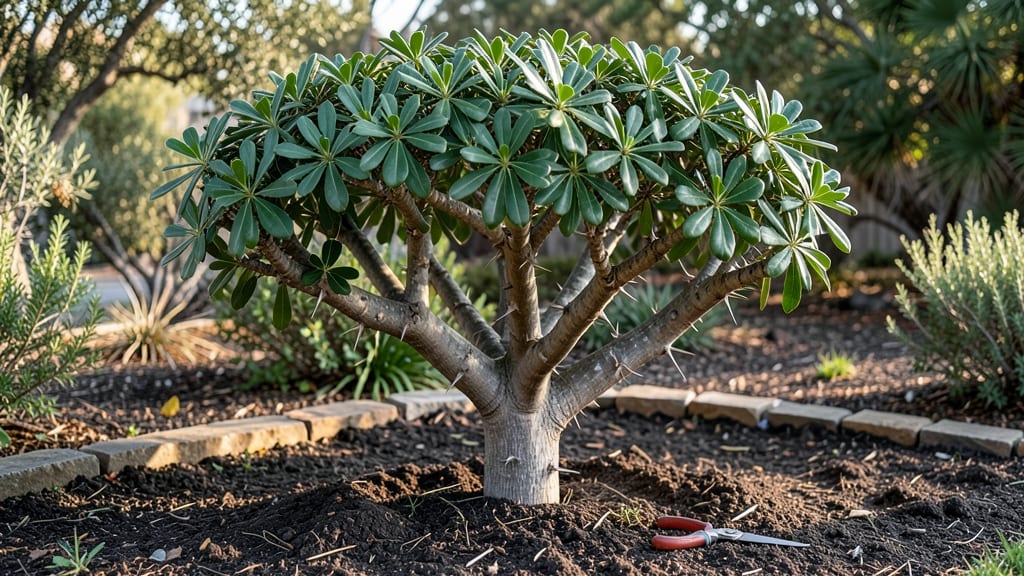
The spike thorn tree’s dramatic, arching branches and vibrant blooms make it a standout in any landscape—but without proper pruning, it can become unruly.
I’ve learned that shaping these trees isn’t just about aesthetics; it’s about encouraging that year-round flowering and keeping the thorns from turning your yard into a barbed-wire maze. The key is timing: prune in late winter or early spring when the tree is just waking up, before new growth starts.
This single habit transformed my once-wild specimen into a structured, blooming centerpiece.
You’ll need just a few tools: sharp pruning shears for smaller branches, loppers for thicker stems, and heavy-duty gloves—those thorns are no joke. Start by removing dead or crossing branches first; they’re the easiest to spot and the most critical to cut.
Then, thin out the interior to improve airflow, which keeps blooms coming and pests away. Think of it like giving your tree a haircut—less is more, and patience pays off with bold, continuous blooms from spring through fall.
What you’ll end up with is a tree that looks like it belongs in a botanical garden, not just your backyard. The blooms stay vibrant longer, the structure stays balanced, and those thorns? Still there for protection, but now they’re part of the design, not the problem.
The best part? Once you’ve pruned a spike thorn tree once, you’ll recognize the rhythm—it’s a simple routine that keeps your tree thriving for decades.
This method works for both young trees and mature specimens, though older trees may need more aggressive shaping. If you’re in a warmer climate, you can prune lightly in late summer too, but stick to winter/early spring for the bulk of the work.
The goal is to keep the tree healthy, blooming, and safe for your family and pets to enjoy.
📚 In This Guide
- What you need
- Instructions
- Tips and common mistakes
- Wrapping up and next steps
What you need
- ● Pruning shears: Bypass pruners (sharp, 6–8 inches) for clean cuts on small branches.
- ● Loppers: 1 pair (18–24 inches) for thicker branches (½–1.5 inches in diameter).
- ● Pruning saw: 1 curved-tooth saw (for branches >1.5 inches).
- ● Gloves: Heavy-duty, cut-resistant (e.g., Mechanix or Wells Lamont for thorn protection).
- ● Safety goggles: ANSI-rated to shield against debris.
- ● Disinfectant: 70% isopropyl alcohol or bleach solution (1 part bleach : 9 parts water) to sterilize tools.
- ○ Pruning sealant: Optional (e.g., Tanglefoot Tree Wound Pruning Seal) for large cuts.
- ● Ladder: Extendable aluminum ladder (rated for your height + 3 ft. overhang).
- ● Tarp or drop cloth: 10x10 ft. to collect debris.
- ● Pole pruner: For high branches (10–15 ft. reach).
- ● Work gloves with wrist straps: For extra thorn defense.
- ● Marking spray: Fluorescent paint to tag branches for removal.
- ● Compost bin: For chipping and reusing pruned wood.
- ● First-aid kit: Include tweezers and antiseptic wipes for thorn pricks.
How to prune a spike thorn tree for healthy year-round growth
Here's the straightforward approach I use to keep these striking trees thriving without sacrificing their signature form.
Identify the Right Time for Pruning
Prune your spike thorn tree during its dormant season, which is typically late winter or early spring before new growth begins. This timing ensures you won't accidentally remove next year's flower buds or damage emerging leaves. Look for bare branches and no visible buds—these are your cues that the tree is resting and ready for pruning.
If you notice any dead or diseased branches at other times of year, remove those immediately to prevent further spread. But for general shaping and maintenance, stick to the dormant season. I always wait until after the last hard frost in my area, usually around mid-February, to be safe.
Gather Your Tools and Prepare the Work Area
You'll need clean, sharp pruning shears for smaller branches and a pruning saw for thicker stems. Disinfect your tools with rubbing alcohol before you start to prevent spreading disease between cuts. Wear gloves—those thorns are serious! Clear the area around the tree of any debris and lay down a tarp to catch fallen branches and clippings.
I like to work on a dry day when the weather is mild. Avoid pruning during wet conditions, as this can spread fungal spores. Have a bucket of water nearby to rinse your tools between cuts if you're working with multiple trees. This keeps everything sanitary and makes the process much cleaner.
Remove Dead, Diseased, or Damaged Branches First
Start by inspecting the entire tree for any branches that are dead, diseased, or damaged. Dead branches will be brown and brittle, while diseased ones may have unusual discoloration, fungal growth, or oozing sap. Cut these out first, making your cuts at the branch collar—the swollen area where the branch meets the trunk—to promote proper healing.
I always remove these problem branches first because they can weaken the tree and spread issues to healthy parts. Make clean cuts at a 45-degree angle just outside the branch collar. Avoid leaving stubs, as these can attract pests and disease. If a branch is particularly thick, use your pruning saw and make the cut slowly to avoid tearing the bark.
Shape the Tree for Balance and Airflow
Once you've removed the dead or damaged branches, focus on shaping the tree to encourage healthy growth and airflow. Start by thinning out any crowded branches to reduce competition for resources. Look for branches that cross or rub against each other—these should be removed to prevent injuries and disease.
I like to step back frequently to assess the tree's overall shape. Aim for an open, vase-like form that allows sunlight and air to reach all parts of the tree. Avoid cutting back more than 25% of the tree's foliage in one season, as this can stress the plant. For spike thorn trees, which are naturally dense, focus on creating a balanced silhouette while preserving their distinctive structure.
Encourage New Growth and Maintain Year-Round Blooms
After shaping, you can lightly trim back any overly long or leggy branches to encourage bushier growth. Make these cuts just above a leaf node or bud to stimulate new shoots. For spike thorn trees, which often bloom in late winter or early spring, avoid heavy pruning in the months leading up to blooming season—this can reduce the number of flowers.
I also like to remove any spent flowers or seed pods throughout the year to redirect the tree's energy into new growth and blooms. This practice keeps the tree looking tidy and encourages more vibrant flowering. Water the tree deeply after pruning to help it recover, especially if you've made several larger cuts. Mulch around the base with 2-3 inches of organic mulch to retain moisture and protect the roots.
Tips & tricks for pruning spike thorn trees
These simple strategies will help you prune like a pro while keeping your spike thorn tree healthy and beautiful.
Timing is Everything: The dormant season timing in Step 1 is crucial—late winter or early spring gives your tree time to recover before new growth begins. If you're in a warmer climate where winters are mild, look for the tree's natural cues: when you see bare branches with no buds, that's your signal. I've learned the hard way that pruning too early can damage next year's blooms, so always wait until after the last hard frost in your area.
Tool Prep Makes All the Difference: In Step 2, disinfecting your tools with rubbing alcohol is a game-changer. I've seen fungal diseases spread between cuts when tools weren't properly sanitized. Also, make sure your pruning shears are sharp—dull blades tear the bark rather than making clean cuts, which can invite infections. Test your tools on a small branch first to ensure they're cutting cleanly before you start on your main tree.
Cutting Technique Matters: When removing branches in Step 3, the 45-degree angle cut just outside the branch collar is what makes all the difference. This technique allows the wound to heal properly and prevents water from pooling where it can cause rot. I always take my time with thicker branches—rushing can tear the bark and leave ugly wounds. For branches thicker than your wrist, consider using a pruning saw for cleaner, more controlled cuts.
Shape with Purpose: In Step 4, the 25% foliage rule is your safety net. Cutting back more than a quarter of the tree's foliage in one season can stress the plant and reduce flowering. Instead of removing large sections, focus on thinning out crowded areas and creating that open vase shape. This allows sunlight to penetrate to the inner branches, which encourages more even growth and blooming throughout the tree.
Pro Tips for Spike Thorn Tree
- These simple strategies will help you prune like a pro while keeping your spike thorn tree healthy and beautiful.
- Timing is Everything: The dormant season timing in Step 1 is crucial—late winter or early spring gives your tree time to recover before new growth begins.
- Tool Prep Makes All the Difference: In Step 2, disinfecting your tools with rubbing alcohol is a game-changer.
Frequently asked questions
Got questions about keeping your spike thorn tree (like the Pomegranate or Hawthorn varieties) thriving with the right pruning? Here are some of the most common concerns—and their answers—to help you maintain a healthy, beautiful tree year-round.
When is the best time to prune a spike thorn tree?
The ideal time is late winter or early spring, just before new growth begins. This helps avoid disturbing winter dormancy and encourages strong blooms. For tropical varieties (like Pomegranate), prune after flowering to promote fruit production. Never prune in fall—it can stimulate tender new growth that won’t survive frost.
How much can I trim back a spike thorn tree without harming it?
You can safely remove up to 25-30% of the tree’s canopy in one session. For young trees, limit pruning to shaping and removing dead branches. Mature trees can handle more aggressive cuts, but avoid over-pruning—this stresses the tree and reduces flowering. Thin out crowded branches to improve airflow and light penetration.
My spike thorn tree isn’t blooming after pruning. What went wrong?
Blooms often decline if pruning cuts are too severe or done at the wrong time. Ensure you’re pruning after flowering (for spring bloomers) or in late winter (for summer bloomers). Also, check for over-fertilization with nitrogen, which promotes leafy growth over flowers. A balanced fertilizer (like 10-10-10) can help encourage blooms.
Are there alternatives to traditional pruning for spike thorn trees?
Yes! For low-maintenance care, try selective pruning—only removing dead, diseased, or crossing branches. Topiary shaping (using hand pruners or shears) is another option for decorative varieties. If you’re overwhelmed, hire a professional arborist for heavy pruning tasks, especially for large or thorny species like Hawthorn.
How do I protect myself from thorns while pruning?
Spike thorn trees can be painful to work with! Wear long sleeves, thick gloves (like leather or chainmail), and closed-toe shoes. Use long-handled pruners or loppers to avoid reaching into thorny areas. For stubborn branches, cut from the underside to minimize hand exposure. A thorn-proof apron can also help!
Wrapping up and next steps
The spike thorn tree is a stunning addition to any landscape, offering year-round beauty with its striking blooms and lush foliage. By mastering the art of pruning—whether for shaping, rejuvenation, or seasonal care—you can keep your tree thriving and full of life. Remember, patience and consistency are key!
Ready to take your pruning skills to the next level? Start small—pick one technique from this guide and practice it this season. Over time, you’ll build confidence and help your spike thorn tree shine brighter than ever! 🌿✨