
Pruning
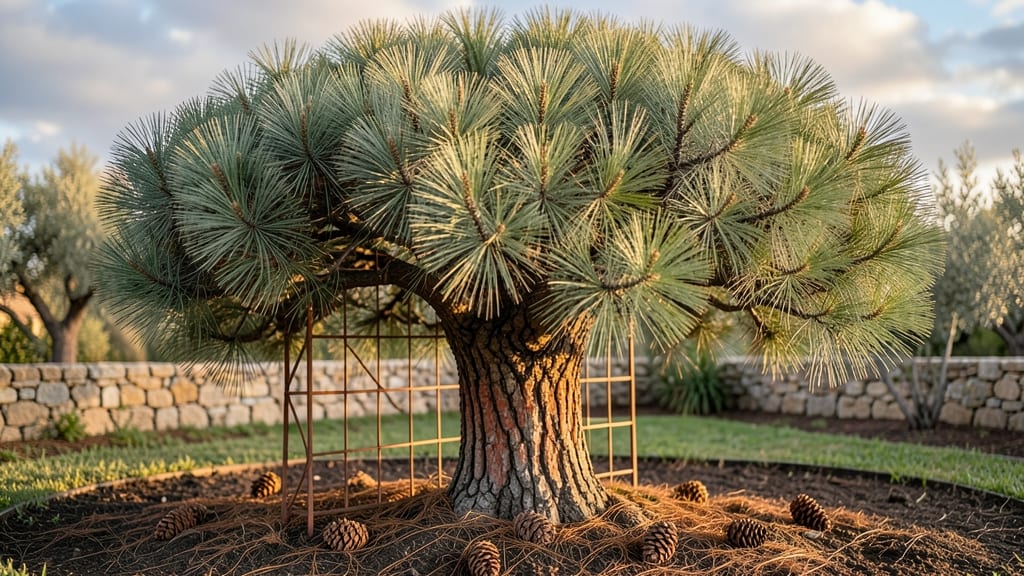
Caring for a stone pine tree means unlocking a Mediterranean treasure in your landscape—its silvery-blue needles and iconic pine cones make it a standout, but nailing the care keeps it thriving for decades. 🌟 I've learned the hard way that stone pines despise soggy roots and heavy pruning, yet with the right approach, they reward you with edible pine nuts and year-round structure.
The key starts with mimicking its native climate: well-draining soil, minimal summer watering, and winter protection in colder zones.
This tree isn't fussy, but it does demand respect for its slow-growing nature. You'll need sandy, slightly alkaline soil mixed with grit to prevent root rot, and a spot with full sun (at least 6 hours daily).
Watering is where most gardeners stumble—deep soaks every 2-3 weeks in summer, then almost nothing in winter. Pruning? Only remove dead branches in late winter, never more than 20% of the canopy at once.
What you'll love most is watching those iconic pine cones form by autumn, followed by harvestable nuts in their second year. The tree's natural shape—tapered trunk, airy branches—requires almost no shaping, but strategic cuts encourage stronger growth.
With proper care, your stone pine becomes a century-old focal point that outlives most garden trends.
Works beautifully in coastal climates, Mediterranean regions, or even urban courtyards with winter chill protection. Let's get yours growing strong—your future self will thank you for the shade and the snacks.
📚 In This Guide
- What you need
- Instructions
- Tips and common mistakes
- Wrapping up and next steps
What you need
- ● Pruning shears: Sharp, bypass-style shears (20–24" blade length) for clean cuts on small branches.
- ● Loppers: Heavy-duty, bypass or anvil-type (24–36" blade length) for thicker branches (1–2" diameter).
- ● Pruning saw: Curved-tooth or folding saw for branches over 2" in diameter (avoid rust—opt for stainless steel).
- ● Extension pole: 3–6 ft telescoping pole with a saw or shears attachment for high branches.
- ● Gloves: Cut-resistant, heavy-duty leather gloves (gardening or pruning-specific) to protect hands from thorns and sap.
- ● Disinfectant: 70% isopropyl alcohol or bleach solution (1 part bleach to 9 parts water) to sterilize tools between cuts and prevent disease.
- ○ Pruning sealant: Optional but helpful for sealing large cuts (e.g., Tanglefoot Tree Wound Pruning Seal).
- ● Safety gear: Safety glasses (to shield from debris).
- ● Long sleeves/pants (stone pine needles can be prickly!).
- ● Weather check: Prune on a dry, calm day (avoid wind or rain to prevent sap splatter and ensure safety).
- ● Tree assessment: Identify dead, diseased, or crossing branches before starting. Sketch a rough plan if needed!
- ● Cleanup supplies: Heavy-duty trash bags (for debris).
- ● Rake or leaf blower (to clear fallen needles/pinecones).
- ○ First aid kit: Optional but smart for minor cuts or scrapes (stone pine sap can irritate skin!).
Step-by-Step guide to pruning and maintaining a healthy stone pine tree
Mastering stone pine care means focusing on strategic pruning and seasonal adjustments.
🌿 Step 1: Assess Growth Patterns and Identify Pruning Zones
Stone pines thrive on selective pruning, so start by examining the tree's structure. Focus on removing dead, diseased, or crossing branches first—these are your priority zones. Use sharp pruning shears to make clean cuts just outside the branch collar, where the branch meets the trunk. This prevents unsightly stubs and promotes faster healing.
Look for branches growing inward or rubbing against others; these compete for sunlight and nutrients. Remove no more than 25% of the tree's foliage in a single session to avoid stressing the tree. I always mark branches with tape before cutting to visualize the final shape and ensure balance. The goal is to open the canopy for better airflow and sunlight penetration.
✂️ Step 2: Time Pruning for Optimal Recovery
Late winter or early spring, just before new growth begins, is the ideal time to prune stone pines. This timing allows the tree to heal before summer heat arrives. Avoid pruning during fall or winter when the tree is dormant, as new growth may not harden off before cold snaps. If you must prune in summer, do so in early morning or late afternoon to minimize stress from heat and sun exposure.
After pruning, apply a thin layer of pruning sealant (optional but recommended for larger cuts) to prevent disease entry. I’ve found that smaller cuts—under ½ inch in diameter—don’t need sealant, as stone pines heal quickly. Monitor the tree for 3-4 weeks post-pruning; new growth should appear within 4-6 weeks if conditions are right.
☀️ Step 3: Adjust Care Based on Seasonal Needs
Stone pines are drought-tolerant once established, but consistent watering is key during the first 2 years after planting. Water deeply once a week during dry spells, ensuring the soil is moist 6 inches deep. Overwatering leads to root rot, so always check soil moisture before watering—stick your finger in the soil; if it’s dry, it’s time to water.
In summer, mulch the base of the tree with 2-3 inches of organic mulch (like pine bark) to retain moisture and regulate soil temperature. Keep mulch 6 inches away from the trunk to prevent rot. Fertilize lightly in early spring with a balanced, slow-release fertilizer (10-10-10 ratio) to support new growth. Avoid heavy fertilization, as stone pines prefer lean, well-draining soil.
🪴 Step 4: Monitor for Pests and Diseases Proactively
Stone pines are relatively pest-resistant, but watch for aphids, spider mites, or scale insects, which thrive in dry conditions. Inspect the undersides of needles and branch junctions regularly. If you spot pests, treat with neem oil or insecticidal soap—both are effective and tree-safe when applied correctly. I spray in early morning to avoid harming beneficial insects and ensure the solution has time to dry.
Fungal issues like canker disease can appear as oozing sores on branches. Prune infected branches immediately and sterilize your tools with rubbing alcohol between cuts. Remove fallen needles and debris from the base of the tree to reduce fungal spores. A healthy stone pine should show vibrant green needles and minimal leaf drop—if you notice excessive needle loss, it’s a sign of stress or disease.
Tips & tricks for perfect stone pine tree maintenance
These precision-focused strategies will help you keep your stone pine thriving year after year.
Pruning Precision: When making cuts in Step 1, use the "branch collar" method—this is the swollen area where the branch meets the trunk. I've found that cutting just outside this collar (not flush with the trunk) promotes faster healing and prevents disease entry. For larger branches over ½ inch in diameter, make a second cut from below to avoid tearing the bark. Remember, the 25% foliage rule is your safety net—never exceed this to prevent stressing the tree.
Seasonal Timing Strategy: The late winter/early spring window in Step 2 is critical because stone pines need time to recover before summer heat arrives. If you absolutely must prune in summer, do it during cooler morning hours when temperatures are below 75°F. I've seen trees recover beautifully when pruned this way, but avoid midday heat which can cause shock. The 3-4 week monitoring period after pruning is your best indicator of success—look for fresh green growth emerging within 4-6 weeks.
Watering Wisdom: During those first two crucial years after planting, the once-a-week deep watering in Step 3 should moisten the soil to 6 inches deep. I've learned the hard way that checking soil moisture with your finger is more reliable than guessing—if the top 2 inches feel dry, it's time to water. For established trees, you can reduce to every 10-14 days during dry spells, but always adjust based on rainfall and soil type. The key is consistency without overdoing it.
Pest Prevention: When treating pests in Step 4, I've had the most success with neem oil applied in early morning when beneficial insects are less active. For severe infestations, repeat treatments every 5-7 days until pests disappear. The early morning application time also prevents the solution from evaporating too quickly in afternoon heat. Always sterilize your tools with rubbing alcohol between cuts—this prevents spreading any potential diseases you might encounter.
Pro Tips for Stone Pine Tree Care
- These precision-focused strategies will help you keep your stone pine thriving year after year.
- Pruning Precision: When making cuts in Step 1, use the "branch collar" method—this is the swollen area where the branch meets the trunk.
- Seasonal Timing Strategy: The late winter/early spring window in Step 2 is critical because stone pines need time to recover before summer heat arrives.
Frequently asked questions
Got questions about keeping your Pinus pinea (stone pine) healthy and thriving? You’re in the right place! Here are some of the most common concerns—plus expert-backed answers to help you prune with confidence.
When is the best time to prune a stone pine tree?
The ideal window is late winter to early spring (February–March), just before new growth begins. This timing minimizes stress and prevents pests from exploiting fresh cuts. Avoid pruning in summer heat or winter frost, as both can slow healing.
How do I know if I’m over-pruning my stone pine?
Watch for these red flags: yellowing needles, stunted growth, or excessive sap leakage after cuts. Stone pines are resilient, but removing more than 25% of the canopy at once can weaken the tree. Stick to selective thinning (removing dead or crossing branches) rather than heavy cuts.
Should I seal pruning wounds on a stone pine?
No—never use wound sealants like paint or tar. Stone pines (like most pines) don’t need sealing; their natural resin protects cuts. Sealants can trap moisture, inviting rot or fungal infections. Just make clean, angled cuts ¼” above a branch collar for the best healing.
Can I grow a stone pine in a container? Yes, but with caveats!
While possible, container-grown stone pines require large pots (3+ feet deep) and well-draining soil. They’re slow-growing, so expect annual repotting (springtime) and regular root pruning. Containers limit root spread, which can stress the tree long-term—ideal for small yards or urban spaces only.
Why are my stone pine needles turning brown? Pest or disease?
Brown needles often signal drought stress (water deeply but infrequently) or pine needle scale (tiny white bumps). For pests, spray with neem oil or introduce parasitic wasps. If needles drop prematurely, check for fungal issues (like Lophodermium)—prune infected branches and improve airflow around the tree.
Wrapping up and next steps
Caring for your stone pine tree is a rewarding journey that combines patience, precision, and a touch of nature’s magic! 🌿 From mastering the art of pruning to understanding its seasonal needs, you now have the tools to keep your tree thriving for years to come.
Remember, consistency is key—whether it’s trimming in late winter or ensuring proper sunlight and soil health.
Ready to put your newfound knowledge into action? Grab your pruners, mark your calendar for the next pruning session, and watch your stone pine flourish!** 🌟