
Pruning
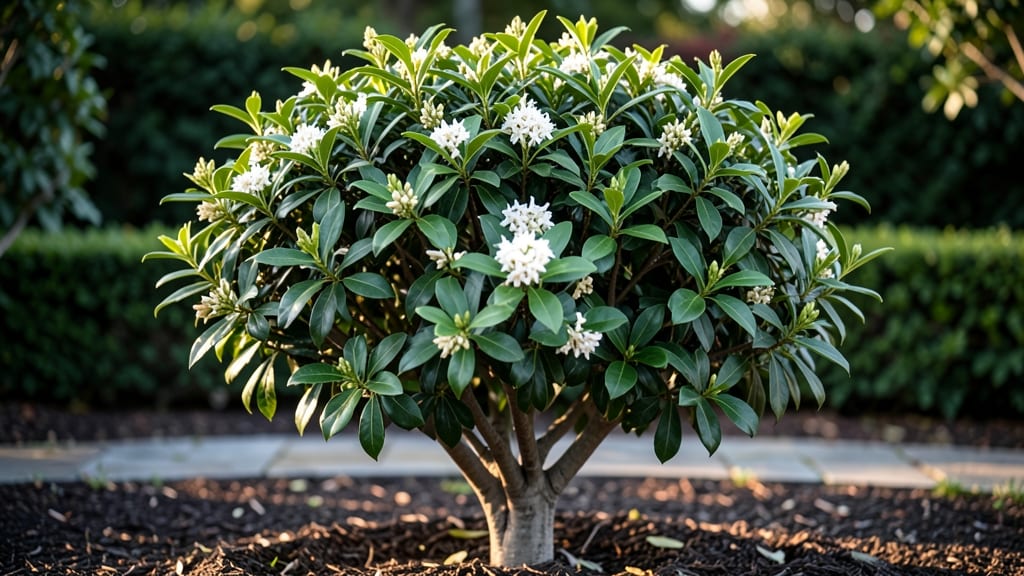
The sweet osmanthus tree (Osmanthus fragrans) turns your garden into a fragrant sanctuary, its blossoms releasing an intoxicating jasmine-like perfume that lingers from spring to winter. and honey, and I knew I had to grow one myself.
The secret to its success lies in mimicking its natural habitat: partial shade, well-draining soil, and minimal fuss once established.
You’ll need a spot with 4-6 hours of morning sun and afternoon shade, especially in hot climates where too much sun scorches the leaves. The soil should be slightly acidic (pH 5.0-6.5) and rich in organic matter—think leaf mold or compost mixed into native soil.
Planting is simple: dig a hole twice as wide as the root ball, place the tree, backfill, and water deeply. Mulch around the base to retain moisture and protect roots from temperature swings.
Pruning keeps this tree lush and flowering. In late winter or early spring, trim back any dead or crossing branches, and thin out dense growth to improve airflow.
The real magic happens when you let it grow naturally—its natural shape is already elegant, with arching branches that create a fragrant canopy. By summer, you’ll be rewarded with clusters of tiny white flowers that perfume the air for weeks, even after they fall.
This tree thrives in USDA zones 7-9, making it perfect for coastal climates and mild winters. In colder regions, plant it against a south-facing wall for extra protection.
Whether you’re growing it as a standalone specimen or lining a pathway, its fragrance and glossy evergreen leaves make it a standout. Ready to turn your garden into a sensory sanctuary?
📚 In This Guide
- What you need
- Instructions
- Tips and common mistakes
- Wrapping up and next steps
What you need
- ● Pruning shears – Bypass pruners (sharp, clean blades, 6-8” length) for small branches.
- ● Loppers – Bypass or anvil type (for branches ½”–2” thick).
- ● Pruning saw – Curved-tooth saw for thick branches (2”+ diameter).
- ● Gloves – Heavy-duty, cut-resistant (to protect from thorns and sap).
- ● Disinfectant – 70% isopropyl alcohol or pruning sealant (to prevent disease spread).
- ● Rake or broom – For clearing debris after pruning.
- ○ Bucket or tarp – To collect clippings (optional but handy!).
- ● Timing – Prune in late winter or early spring (before new growth) or right after blooming (summer). Avoid heavy pruning in fall.
- ● Weather – Choose a dry, overcast day to reduce stress on the tree.
- ● Safety gear – Safety glasses (if dealing with large branches) and sturdy shoes.
- ● Tree health check – Inspect for diseased or dead branches before starting.
- ● Pruning paint – For sealing large cuts (if needed).
- ● Ladder or stool – For high branches (ensure it’s stable!).
- ● Sharpener – To keep tools in top condition.
- ● Compost bin – To repurpose healthy clippings.
Step-by-step guide to cultivating a thriving sweet osmanthus tree
Here’s how to nurture this fragrant beauty into a long-lived, blooming centerpiece.
Choose the Right Planting Location
Sweet osmanthus thrives in full sun to partial shade, with at least 6 hours of sunlight daily. I always pick a spot that gets morning sun and afternoon shade—this prevents scorching while ensuring enough light for blooms. The tree’s delicate fragrance disperses best when planted near seating areas or walkways, but avoid high-traffic zones where foot traffic could damage its shallow roots.
Test the soil first—this tree prefers well-draining, slightly acidic soil (pH 5.0–6.5). If your soil is heavy clay, amend it with 2–3 inches of organic matter like compost or leaf mold before planting. A raised bed works well if your native soil drains poorly. Dig a hole twice as wide as the root ball but no deeper—this encourages root spread rather than settling.
Plant with Proper Spacing and Support
Dig the hole and gently remove the tree from its container, loosening any circling roots with your fingers. Place it in the hole so the top of the root ball sits level with the surrounding soil—burying too deep can suffocate the trunk. Backfill with native soil mixed with 1–2 inches of compost to improve fertility without overwhelming the roots.
Space young trees 10–15 feet apart to allow airflow and future growth. For a fragrant hedge, plant 6–8 feet apart in rows. Water deeply after planting to settle the soil, then mulch with 2–3 inches of organic mulch (like shredded bark) to retain moisture and regulate soil temperature. Keep mulch 6 inches away from the trunk to prevent rot.
Water and Fertilize for Healthy Growth
Water newly planted osmanthus deeply once a week for the first 2–3 months, ensuring the soil is moist 6 inches down. Overwatering is the biggest mistake—this tree prefers moderate moisture and won’t tolerate soggy roots. After establishment, water every 10–14 days, adjusting for rainfall. You’ll know it’s time to water when the top 2 inches of soil feel dry to the touch.
Fertilize lightly in early spring with a balanced, slow-release fertilizer (10-10-10 or similar). Avoid high-nitrogen fertilizers—they promote leafy growth at the expense of flowers. A handful of compost worked into the soil annually keeps nutrients steady. Prune lightly after flowering to shape the tree, but never cut into old wood—new growth comes from current season’s branches.
Prune and Protect for Year-Round Blooms
Prune sweet osmanthus immediately after flowering (late winter to early spring) to encourage next year’s blooms. Remove dead, crossing, or overcrowded branches first, then thin out 10–20% of the canopy to improve airflow. Use clean, sharp pruners to make cuts just above a bud or branch collar—never leave stubs. This tree blooms on old wood, so avoid heavy pruning in fall or winter.
Watch for aphids or spider mites, which can weaken the tree. Spray with neem oil if you spot sticky residue on leaves or fine webbing. In cold climates, protect young trees with burlap wraps during harsh winters. Mature osmanthus is hardy to USDA Zone 7, but young plants may need winter mulch for extra insulation.
Maintain Soil and Encourage Fragrance
Test soil every 2–3 years and amend as needed—osmanthus prefers slightly acidic conditions. A light top-dressing of compost in early spring keeps the soil fertile without overfeeding. The tree’s fragrance peaks in fall and winter, so plant it where you’ll enjoy its scent during cooler months. If blooms are sparse, check for over-fertilization or poor drainage—both can reduce flowering.
With proper care, your sweet osmanthus will reward you with year-round interest: fragrant blooms in fall/winter, glossy foliage in summer, and a graceful shape year-round. The key is patience—it takes 3–5 years for mature trees to reach full fragrance potential, but the wait is worth it.
Tips & tricks for perfect sweet osmanthus tree cultivation
Here’s what nobody tells you about keeping your osmanthus thriving—and how to avoid the most common pitfalls.
Location is Everything: That 6 hours of sunlight is non-negotiable, but here's the thing—morning sun and afternoon shade is ideal. I learned this the hard way when my first tree got scorched in the afternoon heat. If your yard only gets harsh afternoon sun, consider planting near a north-facing wall or under a larger shade tree that still allows dappled light through. The fragrance will be more intense in these conditions too.
Soil Science Matters: When testing your soil pH, aim for that 5.0-6.5 range—any higher and your tree might struggle to flower. I've found that mixing in 2-3 inches of peat moss with the 2-3 inches of compost creates the perfect acidic environment. For clay-heavy soils, I recommend amending with 50% sand to improve drainage while maintaining that slightly acidic profile.
Watering Wisdom: Those first 2-3 months are critical—watering deeply once a week means getting that moisture 6 inches down. I use a soil probe to check moisture levels because visual cues can be deceiving. After establishment, let the top 2 inches dry out before watering again. Overwatering is the fastest way to kill this tree, so don't skip this step.
Pruning Precision: That 10-20% canopy thinning recommendation is about quality, not quantity. Focus on removing branches that cross or grow inward first—they're the ones that create weak points. I always prune just above a bud or branch collar, and I never cut into old wood. This tree blooms on last year's growth, so every cut affects next year's flowers.
Pro Tips for Sweet Osmanthus Tree
- Here’s what nobody tells you about keeping your osmanthus thriving—and how to avoid the most common pitfalls.
- Location is Everything: That 6 hours of sunlight is non-negotiable, but here's the thing—morning sun and afternoon shade is ideal.
- Soil Science Matters: When testing your soil pH, aim for that 5.0-6.5 range—any higher and your tree might struggle to flower.
Frequently asked questions
Got questions about your sweet osmanthus tree?
Here are answers to the most common ones—from pruning tips to troubleshooting—so you can keep your fragrant beauty thriving all year!
When is the best time to prune my sweet osmanthus tree?
Prune your sweet osmanthus right after blooming (late spring to early summer) to avoid cutting off next year’s flowers. Light shaping can also happen in early spring before new growth starts. Avoid heavy pruning in fall or winter, as it stresses the tree and may reduce blooms.
How much should I trim back my sweet osmanthus?
Keep it simple! Remove only dead, diseased, or crossing branches—never cut more than 25-30% of the foliage at once. Over-pruning can stunt blooms. For shaping, focus on open-centering the canopy to improve airflow and sunlight penetration.
Why isn’t my sweet osmanthus blooming as much as it used to?
Common culprits include over-pruning (especially in fall/winter), poor sunlight (they need 6+ hours of sun daily), or nutrient deficiencies. Try fertilizing in early spring with a balanced, acid-loving plant formula and check for pests like spider mites.
Can sweet osmanthus survive in cold climates?
Most varieties thrive in USDA Zones 7-9, but some cold-hardy types (like Osmanthus × fortunei ‘Gulftide’) tolerate down to Zone 6 with proper winter care. Mulch the base, avoid late-season pruning, and water deeply before the first frost to help roots withstand chill.
What’s a good alternative if I want a fragrant tree but live in a colder area?
Consider mock orange (Philadelphus) (Zones 4-8) or winter daphne (Daphne odora) (Zones 6-9). Both offer sweet, intoxicating blooms and are easier to grow in cooler climates. Just note: They bloom at different times—mock orange in spring/summer, winter daphne in late winter!
Wrapping up and next steps
The sweet osmanthus tree is a fragrant treasure that rewards patience and care with stunning blooms and intoxicating aromas year-round. By mastering pruning techniques—like timing, tool prep, and shaping—you’ll ensure a thriving, lush canopy that stays healthy and vibrant.
Whether you’re a seasoned gardener or just starting, every trim brings you closer to a perfectly perfumed paradise!
🌿 Ready to take the next step? Grab your pruners, sketch a quick plan, and schedule your first pruning session this season. Your osmanthus will thank you with blooms so sweet, they’ll have neighbors stopping by for a sniff! 🌸