
Size
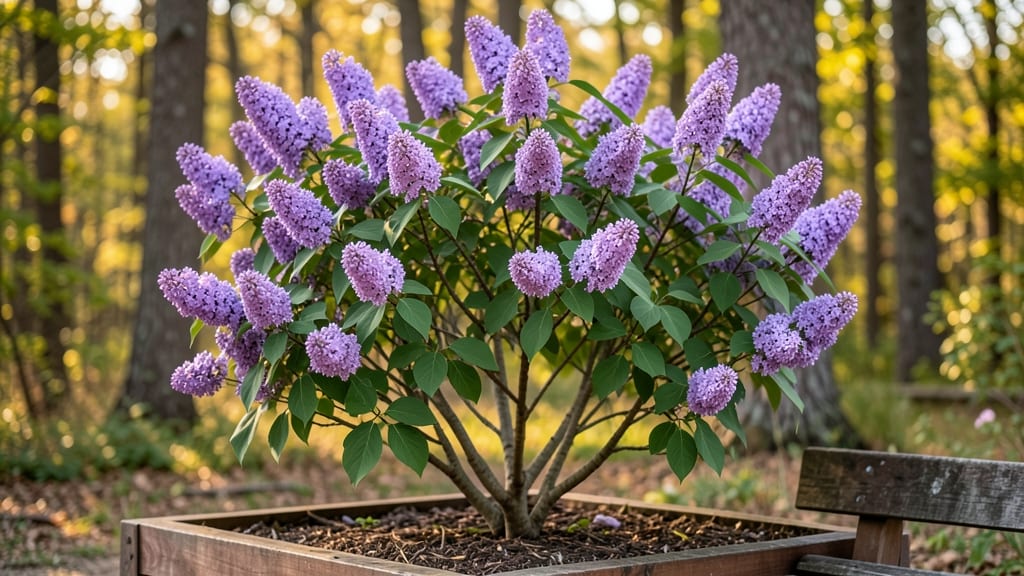
A tall lilac tree isn’t just a plant—it’s a fragrant centerpiece that turns any garden into a sensory masterpiece. 🌿 I remember the first time I planted one near my fence, and how the purple clouds of blooms in spring made neighbors stop and sniff the air.
That’s the magic of lilacs: they don’t just fill space, they create atmosphere.
These trees thrive as focal points along borders, where their 6-12 foot height frames pathways and softens hard lines. Pair them with low-growing perennials like lavender or catmint to highlight their fragrance, or let them stand alone as a dramatic backdrop for roses.
The key is sunlight—they demand full sun to reward you with those intoxicating blooms every spring.
Imagine stepping into your garden in May, where the air hums with sweetness and the branches arch overhead like a natural perfume diffuser. Lilacs also shine in autumn with their golden foliage, proving they’re year-round stars.
Their versatility means they fit cottage gardens, modern landscapes, or even urban courtyards with equal grace.
Here’s the secret: plant them where you’ll linger—near patios, entryways, or seating areas. With minimal pruning (just shape them after blooming), they’ll reward you for decades. Let’s make your garden unforgettable with this fragrant giant.
📚 In This Guide
- What you need
- Instructions
- Tips and common mistakes
- Wrapping up and next steps
What you need
- ● Lilac tree (Syringa vulgaris) – Choose a hardy, disease-resistant variety like ‘Dwarf Korean’ (6–8 ft) or ‘Lavender Lady’ (10–12 ft). Nursery-grown, 1–3 gallon container size (for faster establishment).
- ● Well-draining soil mix – 50% native soil + 50% compost or organic matter (avoid heavy clay). Test soil pH (ideal: 6.0–7.0).
- ● Organic mulch – 2–3 inches of wood chips, straw, or shredded bark to retain moisture and suppress weeds.
- ● Balanced fertilizer – 10-10-10 or 5-10-10 NPK ratio (spring and early summer applications). Follow label rates.
- ● Watering can or hose with adjustable nozzle – For deep, slow watering (1–2 gallons per tree, 2–3 times/week for new plants).
- ● Pruning shears or loppers – Bypass pruners (for clean cuts) and loppers for thicker branches (rated for 1–2 inch diameter).
- ● Garden gloves – Heavy-duty, cut-resistant for handling thorns and soil.
- ○ Soil aerator or digging fork – Loosens compacted soil for better root growth (optional but helpful in dense areas).
- ○ Tree support stake (optional) – 3–4 ft bamboo or metal stake + soft tree tie for young, top-heavy varieties.
- ● Drip irrigation system – Automated micro-sprinkler (e.g., Orbit B-Hyve) for consistent moisture.
- ● Pest control spray – Neem oil or horticultural soap (preventative treatment for aphids or borers).
- ● Slow-release fertilizer spikes – Osmocote or similar for hassle-free nutrition (apply in early spring).
- ● Tree guard or protective barrier – Metal or plastic collar to deter rabbits/deer (critical in high-traffic areas).
Step-by-Step guide to planting and caring for a tall lilac tree
Here’s how to establish a fragrant, long-lived specimen that thrives for decades.
🌱 Step 1: Choose the Right Location and Prepare the Soil
Lilacs demand full sun—at least 6-8 hours daily—to produce their signature blooms. I always pick the sunniest, most sheltered spot in the garden, where they won’t get battered by harsh winds. Avoid low-lying areas where cold air pools, as lilacs are sensitive to late frosts.
Test your soil’s drainage by digging a 12-inch deep hole. If water pools after 10 minutes, amend the site with 2-3 inches of compost and a handful of coarse sand to improve aeration. Lilacs prefer slightly alkaline soil (pH 6.5-7.5), so if your soil tests acidic, add 1 pound of dolomitic lime per 100 square feet and mix it in 3 months before planting.
🪴 Step 2: Plant at the Correct Depth and Stake for Support
Dig a hole twice as wide as the root ball but no deeper—lilacs hate having their roots buried too deeply, which can suffocate them. Gently loosen the roots if they’re circling tightly in the container, then place the tree so the top of the root ball sits 1 inch above ground level. This prevents waterlogging and encourages strong root growth.
Backfill with native soil mixed with 1 inch of compost, tamping lightly every 3 inches to remove air pockets. Water deeply to settle the soil, then install a 4-6 foot tall stake on the side opposite the tree’s strongest branch. Secure the tree with a soft tree tie (never wire or plastic that can girdle the trunk) and water again until the soil is 6 inches deep moist.
☀️ Step 3: Prune Strategically for Strong Growth and Blooms
Wait until late spring, after the tree has finished flowering, to prune. Remove any dead, crossing, or weak branches first—these compete with the main structure. Then, cut back 1/3 of the oldest stems to the ground to encourage new, vigorous growth. This rejuvenation pruning keeps lilacs blooming abundantly for decades.
Shape the canopy by trimming back last year’s growth by one-third to open the center for airflow. Avoid heavy pruning in fall or winter, as it stimulates tender new growth that won’t survive cold snaps. Mulch the base with 2-3 inches of organic mulch (like shredded bark) to retain moisture and suppress weeds—just keep it 6 inches away from the trunk to prevent rot.
💧 Step 4: Water Deeply and Monitor for Pests
Water deeply once a week during the first growing season, soaking the soil to 12 inches deep. Lilacs are drought-tolerant once established, but young trees need consistent moisture to develop strong roots. You’ll know it’s time to water when the top 2 inches of soil feel dry—stick your finger in to check.
Watch for lace bugs or borers, which can defoliate lilacs. If you spot tiny yellow specks on leaves (frass) or webbing, spray with neem oil or introduce ladybugs for natural control. Avoid chemical sprays during bloom time, as they can harm pollinators. A healthy lilac rarely needs fertilizer, but if growth slows after 3 years, apply a balanced 10-10-10 fertilizer in early spring.
Tips & tricks for perfect tall lilac tree planting
Here's what nobody tells you about getting that fragrant lilac canopy right from day one.
Sunlight Strategy: Those 6-8 hours of daily sun are non-negotiable for blooms, but timing matters too. Plant in a spot where the tree gets morning sun and afternoon shade if you're in a hotter climate. I learned this the hard way—my first lilac in full afternoon sun wilted by summer's end. Watch for nearby structures that might cast shadows as the tree grows.
Root Ball Rescue: If you notice roots circling tightly in the container, don't just rip them apart—this can damage delicate roots. Instead, make 4-5 vertical cuts around the root ball with a sharp knife before planting. This mimics natural root growth patterns and gives your lilac a better start. The 1-inch elevation above ground level is crucial too—any lower and you'll suffocate those roots.
Pruning Precision: When you're cutting back those oldest stems in Step 3, aim to remove branches that are thicker than your thumb. These are the ones that have outlived their usefulness and are sapping energy from new growth. The one-third rule applies to both the oldest stems AND last year's growth—this balanced approach keeps your tree flowering beautifully while maintaining its shape.
Watering Wisdom: That deep weekly watering during the first year isn't just about quantity—it's about technique. Use a garden hose with a slow watering attachment or a soaker hose to deliver water gradually. This prevents soil erosion and ensures moisture reaches all 12 inches deep. I check soil moisture by pushing my finger in—if it feels dry at 2 inches, it's time to water, even if it's only been 5 days since last watering.
Pro Tips for Tall Lilac Tree
- Here's what nobody tells you about getting that fragrant lilac canopy right from day one.
- Sunlight Strategy: Those 6-8 hours of daily sun are non-negotiable for blooms, but timing matters too.
- Root Ball Rescue: If you notice roots circling tightly in the container, don't just rip them apart—this can damage delicate roots.
Frequently asked questions
Got questions about growing and maintaining a stunning tall lilac tree? Here are answers to some of the most common ones—so you can enjoy that fragrant canopy without the guesswork!
How tall does a lilac tree typically grow?
A mature lilac tree usually reaches 10–15 feet tall, though some varieties (like ‘Dwarf Korean Lilac’) stay under 6 feet. If space is tight, opt for a dwarf cultivar or prune annually to control height. Pro tip: Check the variety’s label—some can grow up to 20 feet!
When is the best time to plant a tall lilac tree?
Plant your lilac in early spring or fall (4–6 weeks before frost) for the best root establishment. Avoid summer heat or winter freezing—both stress young trees. If you’re in a mild climate, fall planting gives roots time to settle before winter dormancy. Water deeply after planting and mulch to retain moisture.
How do I prune a tall lilac tree to encourage blooms?
Prune right after flowering (late spring) to shape the tree and stimulate next year’s blooms. Avoid heavy pruning in fall/winter—it removes next season’s flower buds! Use clean, sharp shears to cut back 1/3 of the oldest stems to the base. Never prune in summer—it can stunt flowering.
What pests or diseases should I watch for in a tall lilac?
Lilacs are tough but can face aphids, borers, or powdery mildew. Spray with neem oil for pests or a fungicide for mildew if needed. Preventative tip: Ensure good airflow (prune dense branches) and water at the base (not leaves) to reduce fungal risks. Most issues are minor—healthy soil keeps lilacs thriving!
Can I grow a tall lilac in a container or small garden?
While lilacs thrive in the ground, dwarf varieties (like ‘Little Leaf’ or ‘Miss Kim’) work well in large containers (15+ gallon pots). Use well-draining soil and repot every 2–3 years. For small gardens, consider espalier training—grow the tree flat against a fence or wall to save space!
Why isn’t my lilac tree blooming?
Lilacs need full sun (6+ hours/day) and well-drained soil to bloom. Over-fertilizing (especially with nitrogen) can also reduce flowers. If your tree is young (<3 years), be patient—it may take time to establish. Deadhead spent blooms to encourage more flowers next year!
Wrapping up and next steps
A tall lilac tree isn’t just a stunning addition to your garden—it’s a fragrant, low-maintenance powerhouse that elevates curb appeal and invites pollinators. With the right care, this versatile plant thrives for decades, offering seasonal beauty and effortless charm.
Whether you’re a seasoned gardener or just starting, now’s the perfect time to plant your vision.
Ready to transform your outdoor space? Start by choosing your favorite lilac variety—then dig in! 🌿