
Lawn
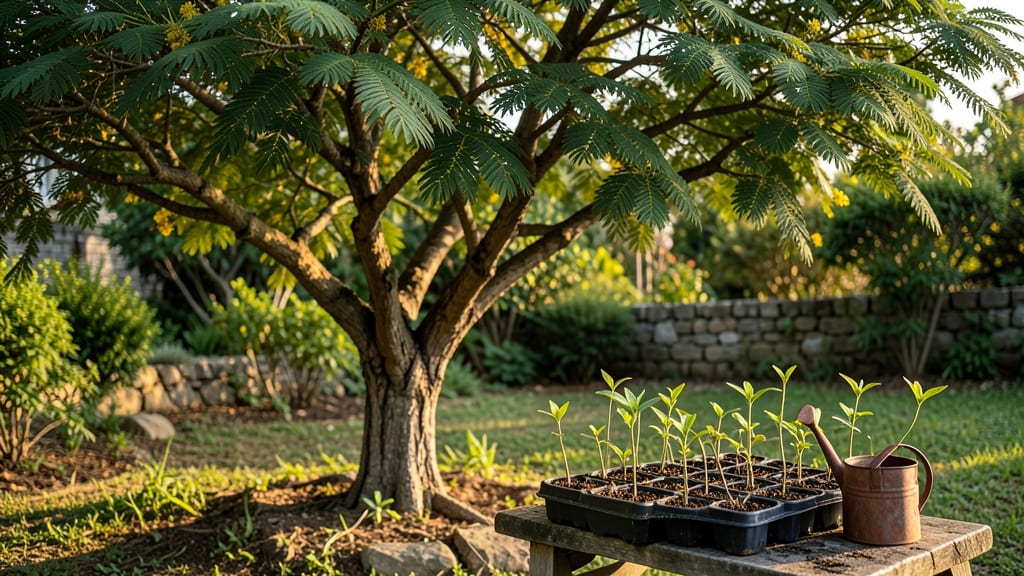
Growing a tamarind tree from seed is one of those rare gardening wins that feels like magic—especially when you crack the code for fast, reliable sprouting.
I’ve nursed dozens of these seeds through the finicky germination phase, and the key lies in mimicking the tropical conditions they crave without overcomplicating things. The first green shoot appears in as little as 10-14 days when you nail the moisture and warmth balance, and that moment? Pure satisfaction.
You’ll need just three things: a heat mat or warm spot, a shallow tray with damp paper towels, and patience (though the fast results make it worth it). Tamarind seeds are tough little pods—soak them overnight first to soften the hard outer shell, then wrap them in the damp towels.
Keep them cozy at 80-85°F, and check daily for moisture without drowning them. Most beginners overwater here, but these seeds need humidity, not soggy conditions.
Once those first leaves unfurl, you’ll have a 3-inch seedling ready for its forever home in 4-6 weeks. The real payoff? A tree that thrives in heat, tolerates drought once established, and rewards you with fragrant, edible pods in just 3-5 years.
The trade-off? They grow slow at first, but that’s part of the charm—watching something tropical flourish where few others dare.
Works best in zones 9-11, but with a little heat love (like a greenhouse or indoor start), you can push your luck into cooler climates. The biggest mistake? Skipping the heat mat—seeds left at room temp may take months to sprout, if ever. Let’s get those tamarinds growing!
📚 In This Guide
- What you need
- Instructions
- Tips and common mistakes
- Wrapping up and next steps
What you need
- ● Tamarind tree seeds: 5–10 fresh, plump seeds (harvested from ripe tamarind pods). Pro tip: 💡 Store-bought seeds may have lower viability—opt for fresh ones if possible!
- ● Well-draining potting mix: 1–2 gallons of a peat-free blend (e.g., 50% coconut coir + 50% perlite or vermiculite). Avoid heavy garden soil!
- ○ Small seed trays or pots: 2–4 shallow containers (4–6 inches deep) with drainage holes. Optional: Use biodegradable peat pots for easy transplanting.
- ● Spray bottle: For gentle watering (avoid over-saturating seeds).
- ● Plastic wrap or humidity dome: To create a mini greenhouse effect. Clear plastic bags work too!
- ○ Heat mat (optional but helpful): A small seedling heat mat (70–80°F) to speed up germination.
- ● Grow lights or sunny windowsill: A south-facing window or LED grow lights (12+ hours/day) for consistent light.
- ● Seed scarification tool: Sandpaper (120-grit) or a knife to nick the seed coat if germination is slow.
- ● Fungicide: A mild solution (e.g., neem oil or hydrogen peroxide) to prevent mold.
- ● pH test kit: To ensure your soil pH is between 6.0–7.0 (tamarind seeds prefer slightly acidic soil).
- ● Label markers: To track planting dates and seed varieties.
How to germinate tamarind seeds for strong, vigorous sprouts
Here's the method I've perfected over years of growing tamarind from seed—no special equipment needed, just patience and attention to moisture.
Extract and Prepare the Seeds
Crack open a ripe tamarind pod and remove the dark brown seeds—each pod typically yields 3-4 seeds. Rinse them thoroughly under running water to remove the sticky pulp, which can inhibit germination. I soak the seeds in lukewarm water for 24 hours to soften their tough outer shell and kickstart hydration.
After soaking, gently rub the seeds between your fingers to loosen any remaining pulp. This step is crucial—seeds with leftover pulp often rot before sprouting. Place them on a paper towel to dry slightly for 1-2 hours before planting. You'll notice the seeds darken slightly as they prepare for germination.
Create the Ideal Germination Environment
Fill a small container (like a 4-inch diameter pot) with a mix of 50% peat moss and 50% perlite—this ensures excellent drainage while retaining enough moisture. Tamarind seeds dislike soggy conditions, so avoid heavy garden soil. Moisten the mix until it feels damp like a wrung-out sponge.
Plant each seed 1 inch deep, spacing them 2 inches apart if using multiple seeds. Press the soil lightly around them but don’t compact it—tamarind roots need air to establish. Place the container in a warm spot (ideally 75-85°F) where humidity stays high, like on top of a refrigerator or near a humidifier.
Monitor Moisture and Wait for Sprouts
Keep the soil consistently moist but never waterlogged—tamarind seeds rot quickly if overwatered. I use a spray bottle to mist the surface every 2-3 days, checking that the top ½ inch of soil stays damp to the touch. Germination can take 2-4 weeks, so patience is key. You’ll see tiny white roots emerge first, followed by a curled shoot breaking through the soil.
Once sprouts reach 2 inches tall, transplant them into individual 6-inch pots with well-draining soil. Tamarind seedlings are sensitive to cold—keep them indoors near a bright window or under grow lights until they’re 6 inches tall. At this stage, you’ll notice the first true leaves forming, signaling they’re ready for gradual outdoor acclimation.
Transition to Outdoor Growth
After 4-6 weeks of indoor growth, harden off seedlings by placing them outside in partial shade for 1-2 hours daily. Increase their outdoor time gradually over 10 days until they can handle full sun. Tamarind trees thrive in full sun to partial shade, but young plants need time to adjust to direct light.
Plant outdoors only after the last frost when soil temperatures stay above 60°F. Dig a hole twice as wide as the root ball but the same depth, then water deeply to settle the soil. Mulch around the base with 2 inches of organic mulch to retain moisture and protect roots. You’ll know they’re thriving when new leaves appear within 2-3 weeks of transplanting.
Tips & tricks for fast tamarind seed germination
Fast germination starts with the right prep work—these details make all the difference between weeks of waiting and reliable sprouts in record time.
Soaking Strategy: The 24-hour soak is non-negotiable for tamarind seeds, but here's the secret: use lukewarm water (around 85°F) rather than cold. Warmer water mimics tropical conditions and helps soften those tough outer shells faster. I've found that adding a drop of mild dish soap to the soaking water helps break down any remaining pulp residue without harming the seeds.
Seed Preparation Insight: After soaking, don't skip the 1-2 hour drying period on paper towels—this critical step prevents mold growth in your soil. The seeds should feel slightly tacky but not wet when you handle them. Confession: I skipped this once and ended up with fungal growth before any sprouts appeared. Trust me on this.
Environmental Optimization: For that ideal 75-85°F range, place your seed container on top of a refrigerator or inside a clear plastic bag with a few drops of water (to increase humidity). I've used a simple desk lamp with a heat bulb to maintain consistent warmth without overdoing it. The key is creating a mini greenhouse effect while preventing condensation buildup.
Transplant Timing: Once your sprouts hit that 2-inch mark, don't rush the transplant to 6-inch pots. Wait until you see the first true leaves forming—this usually happens within 2-3 days of reaching 2 inches. The true leaves indicate the seedling has established its energy reserves and is ready for the next growth phase. I've transplanted too early and seen seedlings struggle to recover.
Pro Tips for Tamarind Tree Seed
- Fast germination starts with the right prep work—these details make all the difference between weeks of waiting and reliable sprouts in record time.
- Soaking Strategy: The 24-hour soak is non-negotiable for tamarind seeds, but here's the secret: use lukewarm water (around 85°F) rather than cold.
- Seed Preparation Insight: After soaking, don't skip the 1-2 hour drying period on paper towels—this critical step prevents mold growth in your soil.
Frequently asked questions
Got questions about growing tamarind tree seeds? You’re not alone! Here are some of the most common concerns—and their answers—to help you succeed.
How long does it take for tamarind seeds to germinate?
Tamarind seeds can take anywhere from 2 to 6 weeks to sprout, depending on conditions like moisture, warmth, and seed freshness. Patience is key—keep the soil consistently damp and in a warm spot (70–85°F) to speed things up. If nothing happens after 8 weeks, the seed may be non-viable.
Do tamarind seeds need scarification or soaking?
Yes! Tamarind seeds have a tough outer shell, so scarification (lightly sanding or nicking the seed) or soaking in warm water for 24–48 hours can improve germination rates. For best results, combine both methods—soak first, then scarify gently before planting.
Can I grow tamarind from store-bought tamarind pulp?
Rinse the pulp to remove excess sugar, separate the seeds, and follow the same germination steps as fresh seeds. Store-bought pulp works just as well, but fresh seeds (from ripe pods) often germinate faster. Pro tip: Use seeds from organic tamarind for the best results!
What’s the best temperature for tamarind seed germination?
Tamarind seeds thrive in warmth—ideal germination temps range from 70–85°F (21–29°C). If your climate is cooler, use a seedling heat mat or place the pot near a sunny window. Avoid cold drafts or sudden temp drops, which can stall germination.
Why aren’t my tamarind seeds sprouting?
Common culprits include:
- Dry soil: Keep the soil moist but not soggy—overwatering can rot seeds.
- Poor airflow: Use a well-draining mix and avoid sealing the pot tightly.
- Old seeds: Tamarind seeds lose viability over time—use fresh ones for best results.
- Cold temps: Move the pot to a warmer location if your home is chilly.
Wrapping up and next steps
Growing a tamarind tree from seed is a rewarding journey that brings a touch of tropical beauty to your lawn or garden! 🌱 With the right tamarind tree seed preparation, patience, and care, you’ll soon enjoy lush foliage and fragrant blooms.
Whether you’re a seasoned gardener or just starting out, this guide has given you the tools to succeed—so roll up your sleeves and get planting!
Ready to take the next step? Start with just one seed and experiment with different germination methods to see what works best in your climate. Share your progress with fellow plant enthusiasts or even gift a sapling to a friend—because nothing beats the joy of nurturing life from scratch! 🌿