
Pruning
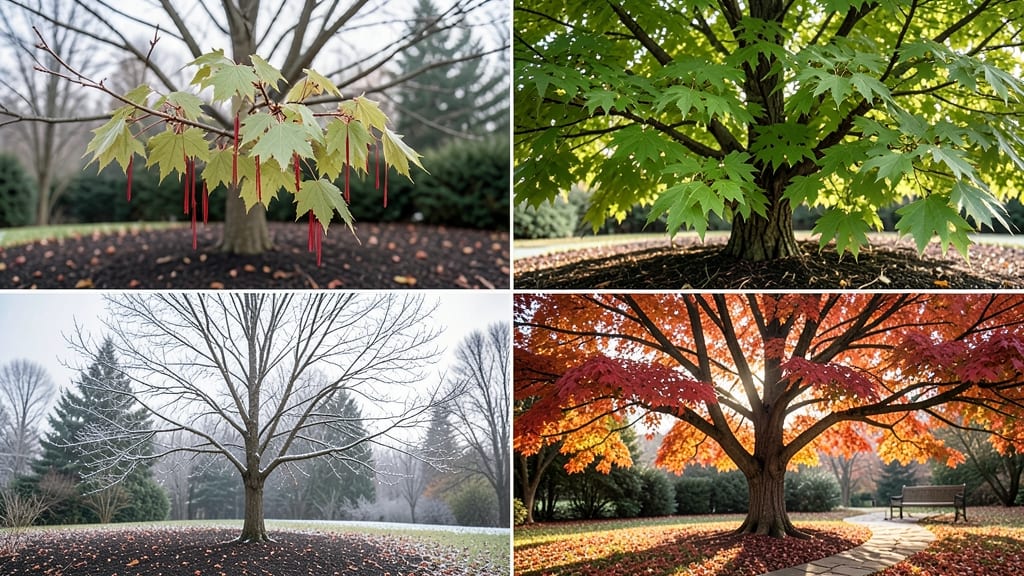
A tree in different seasons isn’t just a summer shade provider—it’s a living canvas that changes with every season, and strategic pruning unlocks its full potential year-round. 🌳 I’ve watched my oak go from bare branches in winter to a fiery red spectacle. in fall, and the secret isn’t just luck—it’s knowing when to prune, how to feed it, and what to expect at each turn.
Spring brings fresh growth and the chance to shape your tree’s future, while summer’s heat demands careful watering and pest watch. Fall transforms leaves into fiery art, and winter’s dormancy is the perfect time for major pruning cuts.
Deciduous trees like maples put on a show, while evergreens like pines stay steady—each needs its own seasonal care routine.
By the end of this, you’ll spot the first signs of spring buds, time pruning cuts for maximum healing, and even predict next year’s harvest based on this season’s care. Your tree won’t just survive the seasons—it’ll thrive, becoming the standout feature of your landscape no matter the month.
Works for backyard oaks, front-yard maples, or even container-grown fruit trees. Let’s make every season count for your tree’s health and beauty.
📚 In This Guide
- What you need
- Instructions
- Tips and common mistakes
- Wrapping up and next steps
What you need
- ● Hand Pruners: Bypass pruners (sharp, 6-8" blades) for clean cuts on small branches.
- ● Loppers: Long-handled (24-36") for thicker branches (½"–2" diameter).
- ● Pruning Saw: Curved-tooth saw for branches over 2" in diameter.
- ● Extension Pole: 10-15 ft telescoping pole with pruner/lopper attachment for high branches.
- ● Gloves: Cut-resistant, leather or synthetic (size medium/large for grip).
- ● Disposable Pruning Bags: 10-20 bags (10-15 gallon capacity) for debris collection.
- ● Rubbing Alcohol or Bleach: 70% isopropyl alcohol or 10% bleach solution (1 bottle or small spray bottle) for sterilizing tools.
- ● Tree Wrap: 1-2 rolls (1" wide) to protect young trees from sunburn or pests.
- ● Marking Paint: White or colored spray paint (1 small can) for tagging branches to remove.
- ● Safety Gear: Safety glasses, ear protection (if using a chainsaw), and sturdy boots for heavy pruning.
- ● Chainsaw: Only for large branches (3"+ diameter)—use with caution!
- ● Tree Growth Regulator: Hormone spray or gel to control excessive growth (e.g., for evergreens).
- ● Mulch: 3-4 bags of shredded bark or wood chips to retain moisture and protect roots.
- ● Camera or Sketchbook: For documenting your tree’s progress before/after pruning!
How to maintain seasonal tree beauty through strategic pruning
Here's the simple system I use to keep trees looking stunning year-round—without overcomplicating things.
🌱 Step 1: Assess and Plan for Each Season's Needs
Start by observing your tree's growth patterns. In late winter (just before buds swell), remove dead, diseased, or crossing branches first. This is your tree's natural dormant period—it won't bleed sap and can handle more aggressive pruning. Look for branches growing toward the center or rubbing against others; these compete for sunlight and nutrients.
I sketch a quick diagram of the tree's structure, marking branches to remove. This helps visualize the final shape before making any cuts. For deciduous trees, focus on opening the canopy to allow light to reach the lower branches. Evergreens need different attention—they benefit from selective thinning to improve air circulation and prevent fungal issues.
☀️ Step 2: Spring Pruning for New Growth
After the first flush of new leaves appears in early spring, do a light pruning to shape the tree and encourage strong branching. This is when you'll see how last year's cuts healed—look for smooth, sealed wounds rather than jagged edges. Prune just outside the branch collar (the swollen area where the branch meets the trunk) to promote faster healing.
For flowering trees, wait until after they bloom to avoid cutting off next year's flowers. I use sharp, clean pruners to make cuts at a 45-degree angle just above a bud or branch. The goal is to maintain a balanced shape while encouraging upward growth. Never remove more than 25% of the tree's foliage in one season—this stresses the tree and makes it vulnerable to pests.
✂️ Step 3: Summer Maintenance for Health and Shape
Mid-summer is for corrective pruning. Remove any suckers (shoots growing from the base or trunk) and water sprouts (fast-growing vertical shoots). These compete with the main structure for resources. I also thin out crowded branches to improve airflow, which reduces the risk of fungal diseases like powdery mildew or leaf spot.
Watch for signs of stress—yellowing leaves, stunted growth, or unusual leaf drop. These can indicate over-pruning or pest issues. If you notice any, adjust your approach. For example, if the tree looks leggy, it needs more light, not more pruning. Instead, focus on selective thinning to encourage bushier growth from lower branches.
🪴 Step 4: Fall Preparation for Winter Resilience
In early fall, before the first frost, do a final pruning to remove any dead or diseased branches that might harbor pests over winter. This is also the time to prune any branches that grew too vigorously during the summer, which can become weak and break under snow or ice. Focus on cleaning up the tree's overall appearance while preparing it for dormancy.
I always clean my pruners with rubbing alcohol between cuts to prevent spreading disease. For larger branches, I use three cuts: the first under the branch, the second just outside the branch collar, and the third to drop the branch without tearing the bark. Mulch around the base with 2-3 inches of organic mulch to protect roots from freezing temperatures and retain moisture.
Tips & tricks for perfect seasonal tree pruning
Here's what nobody tells you about keeping trees healthy and beautiful through every season—without turning pruning into a chore.
Seasonal Timing is Everything: Late winter pruning (just before buds swell) is your best chance for aggressive cuts without stressing the tree. I've seen trees recover beautifully from late-winter pruning because they're dormant, but spring pruning right after leaves emerge can actually stimulate new growth. For flowering trees, timing matters most—always prune after they bloom to preserve next year's flowers.
Visualize Before You Cut: Sketching a quick diagram of your tree's structure before pruning saves time and prevents mistakes. I mark branches to remove with colored tape or a whiteboard marker on the tree itself. This helps you visualize the final shape and ensures you don't accidentally remove too much foliage in one season. For large trees, take photos from multiple angles before starting.
Tool Maintenance Matters: Clean your pruners with rubbing alcohol between cuts to prevent spreading disease—this is non-negotiable. I also sharpen my pruning shears regularly to make clean cuts that heal faster. For larger branches, use the three-cut method: first under the branch, second just outside the branch collar, and third to drop the branch without tearing the bark. This technique prevents unnecessary damage to the tree.
Mulch Right After Pruning: After your fall pruning, apply 2-3 inches of organic mulch around the base to protect roots from freezing temperatures. I use shredded bark or wood chips because they break down slowly and improve soil quality over time. Keep mulch about 6 inches away from the trunk to prevent rot. This simple step makes a big difference in winter resilience.
Pro Tips for Tree In Different Seasons
- Here's what nobody tells you about keeping trees healthy and beautiful through every season—without turning pruning into a chore.
- Seasonal Timing is Everything: Late winter pruning (just before buds swell) is your best chance for aggressive cuts without stressing the tree.
- Visualize Before You Cut: Sketching a quick diagram of your tree's structure before pruning saves time and prevents mistakes.
Frequently asked questions
Got questions about keeping your trees stunning through every season? You’re not alone! Here are some of the most common queries—and their answers—to help you master year-round tree beauty with confidence.
When is the best time to prune trees for seasonal color?
The ideal timing depends on your tree type! For deciduous trees (like maples or oaks), late winter or early spring (before buds swell) is best. Evergreens (like pines or spruces) should be pruned in late winter or early spring to avoid stressing the plant. Flowering trees (like cherries or magnolias) need pruning right after blooming to preserve next year’s flowers. Always avoid pruning when the tree is stressed (e.g., during drought or extreme cold).
Can I prune trees in fall, or will it harm them?
Pruning in fall is risky for most trees because it reduces their ability to heal before winter. However, light pruning (removing dead or diseased branches) is safe. Avoid heavy cuts—this can leave wounds vulnerable to pests, disease, or winter damage. If you must prune in fall, focus on cleaning up rather than shaping. Spring or early summer is usually the safer bet!
What if my tree loses leaves or needles after pruning?
Don’t panic! Some leaf or needle drop is normal, especially if you pruned too late in the season or removed too many branches at once. For deciduous trees, this is often temporary as the tree adjusts. For evergreens, excessive pruning can stress the tree, leading to sparse growth. To help recovery, water deeply after pruning and avoid fertilizing until new growth appears. If the issue persists, consult a local arborist.
Are there any trees that don’t need seasonal pruning?
While all trees benefit from occasional pruning, some low-maintenance options require minimal seasonal upkeep. Native trees like Eastern Redbud or Serviceberry are hardy and adaptable, needing only occasional deadwood removal. Dwarf varieties (e.g., Japanese Maple) also demand less aggressive pruning. That said, even these trees thrive with strategic light pruning to encourage healthy growth and shape. Think of it as a maintenance check, not a chore!
What’s the quickest way to tell if I’ve pruned a tree correctly?
Look for these three signs of a job well done:
- Healthy branch structure: The tree retains a balanced, open canopy (not too dense or sparse).
- No jagged cuts: Pruning cuts should be smooth, angled (for larger branches), and made just outside the branch collar.
- Vibrant regrowth: Within weeks, you’ll see new buds or shoots where you pruned—this means the tree is healing!
Wrapping up and next steps
Watching a tree transform through the seasons isn’t just nature’s art—it’s a testament to the power of intentional care. Whether you’re trimming for health, aesthetics, or both, strategic pruning unlocks year-round beauty while keeping your tree thriving. 🌳✨
Ready to put your new skills to work? Grab your tools, pick a calm day, and start small—every cut is a step toward a stunning, resilient tree. The best time to prune is now!