
Pruning
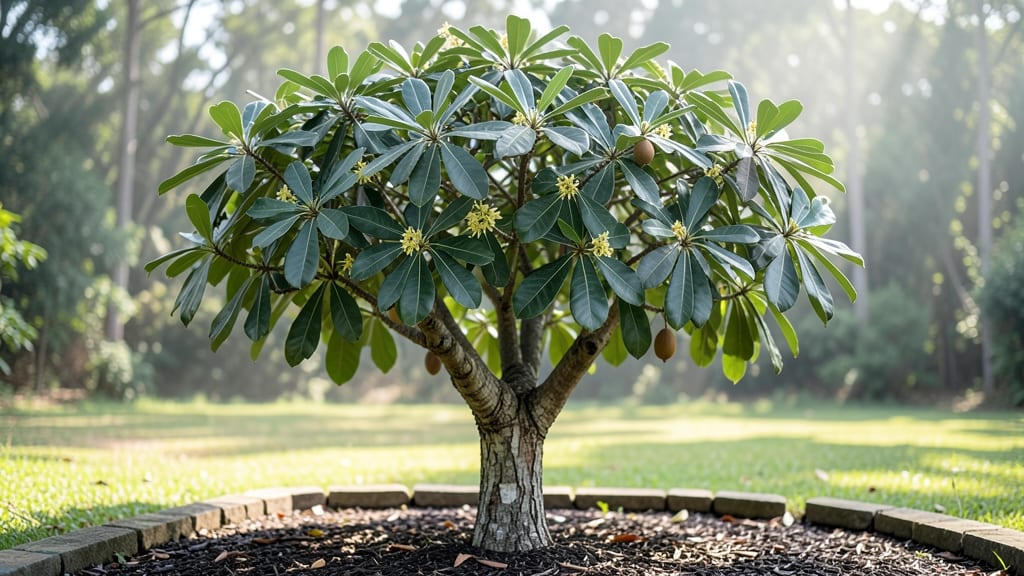
Growing a tree of badam—especially the dwarf variety—is one of those rare gardening wins where you get edible nuts with almost no fuss. 🌱 I’ve grown mine in a container for three years now, and it’s produced more almonds than my neighbor’s full-size tree, which never even got a chance to fruit.
The secret isn’t complicated: it’s about matching the right dwarf variety to your climate, giving it the right soil, and avoiding the common mistakes that kill almond trees before they even think about producing.
The dwarf varieties like ‘Nonpareil’ or ‘Price’ are perfect for containers because they stay under 10 feet tall and handle pruning like a champ. You’ll need well-draining soil—think sandy loam mixed with compost—and a spot with full sun for at least 6 hours a day.
Watering is where most people trip up: too much, and the roots rot; too little, and the tree stresses. I’ve found that deep watering once a week (more in summer) keeps mine happy without the drama.
By late summer, you’ll see those telltale almond-shaped buds forming, and with proper winter care—like mulching and protecting from frost—you’ll harvest your first crop in 2-3 years. The nuts might not be store-bought quality at first, but the satisfaction of cracking open your own homegrown almonds?
Priceless. Plus, the tree stays compact enough to move indoors if a hard freeze is forecasted.
This isn’t just for orchards or big farms—it’s the perfect project for urban balconies, small yards, or even a sunny windowsill if you’re creative with containers. The dwarf varieties are forgiving, productive, and downright charming once they get established. Let’s get yours growing!
📚 In This Guide
- What you need
- Instructions
- Tips and common mistakes
- Wrapping up and next steps
What you need
- ● Dwarf almond tree sapling: Choose a grafted variety (e.g., Nonpareil or Texas) for better yield. 1-2 plants per container.
- ● Well-draining potting mix: A blend of cactus/succulent mix + perlite/vermiculite (60:40 ratio) for containers. For ground planting, amend soil with compost + sand.
- ● Container (if applicable): Minimum 15-gallon pot (18"+ deep) for dwarf varieties.
- ● Drainage holes + saucer (to prevent root rot).
- ● Slow-release fertilizer: 7-9-5 NPK ratio (e.g., Osmocote) for initial planting. 1 cup per plant mixed into soil.
- ● Mulch: Wood chips or straw (2–3 inches thick) to retain moisture and regulate soil temp.
- ● Pruning tools: Bypass pruners (for clean cuts).
- ● Sterilizing alcohol (to disinfect tools).
- ● Gloves + long sleeves (almond trees have thorns!).
- ● Watering can or hose with gentle spray nozzle (avoid soggy soil).
- ○ pH test kit (optional): Ideal soil pH: 6.0–7.5. Adjust with lime (to raise pH) or sulfur (to lower).
- ● Sunlight access: 6+ hours of full sun daily (critical for fruiting!).
Step-by-step instructions for growing a dwarf badam tree in containers
Here’s how to cultivate a thriving badam tree with minimal fuss—perfect for small spaces.
🌱 Step 1: Select and Prepare the Right Container
Choose a 12-15 gallon container with drainage holes—badam trees need room for roots but can’t tolerate soggy feet. I recommend unglazed terra cotta for its breathability, though any sturdy pot with at least 3 inches of depth works. Place a 2-inch layer of coarse gravel or perlite at the bottom to prevent compaction and improve drainage.
Fill the container with a well-draining potting mix (avoid garden soil—it’s too dense). I blend 50% cactus/succulent mix with 50% perlite for optimal airflow. Moisten the mix until it holds together when squeezed but doesn’t drip. The goal is a loose, airy medium that mimics the tree’s native arid conditions.
🌿 Step 2: Plant the Seedling at the Correct Depth
Badam seedlings are delicate—handle them by the seedling tray edges, not the stems. Plant at the same depth as their nursery pot (usually 1-2 inches below soil level). Press the mix gently around the roots to eliminate air pockets, but don’t compact it. A 1-inch layer of coarse sand on top helps replicate desert soil conditions.
Water immediately after planting, but avoid oversaturating. The soil should feel damp but not soggy—badam trees hate wet roots. Place the pot in a bright, indirect light spot (like an east-facing window) for the first week to reduce transplant shock. You’ll know it’s settling in when new growth appears within 2-3 weeks.
☀️ Step 3: Provide the Right Light and Temperature
Badam trees thrive in full sun (6+ hours daily) but need gradual acclimation. Start with 4 hours of morning sun, then increase by 1 hour weekly until they tolerate direct afternoon light. A south-facing window or grow light 12-18 inches away works well. Without enough light, leaves will yellow or stretch weakly.
Keep temperatures between 65-85°F—they’re tropical but sensitive to cold drafts. If your home dips below 55°F at night, move the pot to a warmer spot. Badam trees also appreciate high humidity (40-60%). Mist the leaves lightly 2-3 times weekly or place the pot on a pebble tray with water to boost moisture without overwatering.
💧 Step 4: Water and Fertilize for Optimal Growth
Water when the top 2 inches of soil feel dry—badam trees despise soggy roots. I use the "finger test" to check moisture: Insert your finger 1 inch deep; if it’s dry, water thoroughly until it drains from the bottom. Never let the pot sit in standing water—this causes root rot. Reduce watering in winter when growth slows.
Fertilize once monthly during spring/summer with a balanced liquid fertilizer (10-10-10) diluted to half strength. Over-fertilizing burns roots, so skip feeding in winter. You’ll notice darker green leaves and new shoots within 2-3 weeks of consistent care. Prune leggy growth to encourage bushier shape—pinch back tips when stems reach 6-8 inches.
✂️ Step 5: Prune and Maintain for Long-Term Health
Prune in early spring before new growth starts. Remove dead, yellowed, or crossing branches with sterilized pruners to prevent disease. Cut just above a leaf node (the bump where leaves emerge) to encourage branching. Badam trees respond well to shaping—trim back overly long branches to maintain a compact form.
Repot every 2-3 years when roots crowd the container. Choose a pot 2-3 inches larger and refresh the top 3 inches of soil with fresh mix. This prevents root-bound stress. Watch for pests like spider mites (tiny webs on leaves) or scale (brown bumps on stems). Treat early with neem oil spray—badam trees are sensitive to harsh chemicals.
Tips & tricks for perfect dwarf badam tree container care
Here’s what I’ve learned after nurturing these delicate trees—small details make all the difference.
Container Selection Wisdom: Unglazed terra cotta pots are ideal because they wick moisture away from roots, but if you prefer plastic, choose one with thick walls to prevent temperature fluctuations. The 12-15 gallon size recommendation is non-negotiable—smaller containers restrict root growth and lead to stunted trees. I’ve seen badam trees outgrow their pots within 18 months, so plan ahead for that 2-3 inch size upgrade every few years.
Soil Mix Mastery: The 50/50 blend of cactus/succulent mix and perlite is crucial—this combination prevents compaction while mimicking the tree’s arid native soil. Before planting, run your finger through the mix: it should feel like damp sand, not mud. If you’re mixing your own, sift out any large chunks that could create air pockets around delicate roots. A pro move? Add 10% horticultural charcoal to the mix—it naturally repels pests and improves drainage.
Light Transition Strategy: That gradual acclimation to full sun is critical. I start my seedlings with just 4 hours of morning sun, then move them outside for 5 minutes at a time during the first week. Watch for leaves that pucker or turn pale yellow—this means they’re getting too much direct sun too soon. A sheer curtain over a south-facing window can help filter harsh afternoon rays during the adjustment period.
Humidity Hack: Badam trees love humidity, but misting alone isn’t enough in dry climates. Place your pot on a tray filled with pebbles and water (just below the pot’s base), then cover the setup with a clear plastic dome for the first month. This creates a mini greenhouse effect while preventing root rot. Once established, maintain that 40-60% humidity range by grouping your badam tree with other plants or using a small humidifier nearby.
Pro Tips for Tree Of Badam
- Here’s what I’ve learned after nurturing these delicate trees—small details make all the difference.
- Container Selection Wisdom: Unglazed terra cotta pots are ideal because they wick moisture away from roots, but if yo...
- Soil Mix Mastery: The 50/50 blend of cactus/succulent mix and perlite is crucial—this combination prevents compaction...
Frequently asked questions
Got questions about growing your own tree of badam (almond tree)? You’re not alone! Here are some of the most common queries—plus straightforward answers to help you cultivate a thriving dwarf variety, even in containers.
How long does it take for a dwarf badam tree to bear fruit?
A dwarf almond tree typically takes 3–5 years to produce its first harvest, depending on climate, care, and variety. Patience is key—focus on well-draining soil, full sun (6+ hours daily), and consistent watering (but avoid soggy roots!). Cold winters (below 30°F) also help trigger flowering.
Can I grow a badam tree in a pot indoors year-round?
Nope! While dwarf almond trees thrive in containers, they need winter dormancy (4–6 weeks below 40°F) to fruit. Move potted trees outdoors in fall/winter, then bring them back inside (bright, cool spot) when temperatures rise. Skip dormancy? You’ll get leaves but no nuts.
What’s the best soil mix for container-grown badam trees?
Use a well-draining blend of:
- 60% cactus/succulent mix
- 30% perlite or pumice
- 10% compost
Why are my badam tree leaves turning yellow?
Yellow leaves usually signal overwatering, nutrient deficiency, or pests. Check:
- Watering: Let soil dry 2–3 inches deep between waterings.
- Nutrients: Test soil pH (ideal: 6.0–7.5) and add iron/chelated fertilizer if needed.
- Pests: Inspect for aphids or spider mites (spray neem oil if spotted).
Are there low-maintenance alternatives to almond trees?
Yes! If badam trees seem high-maintenance, try these container-friendly nut producers:
- Pecan trees (dwarf varieties) – Cold-hardy, slower-growing.
- Pistachio trees (mini types) – Need heat but produce edible nuts.
- Fig trees (e.g., ‘Chicago Hardy’) – Fruits faster, tolerates pots.
Wrapping up and next steps
The tree of badam (almond) isn’t just a rewarding plant—it’s a low-maintenance gem that thrives even in containers! 🌱 With the right dwarf variety, sunny spot, and minimal care, you’ll enjoy sweet rewards (literally!) in just a few years.
Whether you’re a beginner or a seasoned gardener, this guide proves that growing almonds is simpler than you think.
Ready to plant your future harvest? Start small—pick your dwarf variety, grab a pot, and take that first step. Your kitchen (and taste buds) will thank you! 🌟