
Trees
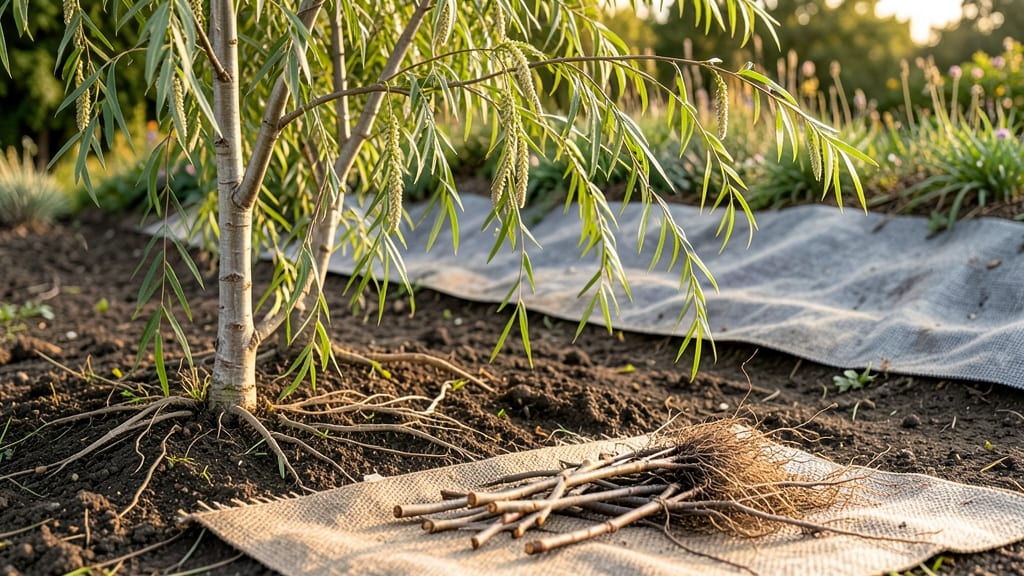
The right trees for erosion control can turn loose dirt into a stable, green fortress—their roots acting like nature’s own retaining walls. 🌳 I’ve watched bare slopes transform into lush, erosion-proof terraces just by planting the right species, and the difference is dramatic.
The key lies in fast-growing natives with deep, fibrous root systems that grip soil like fingers digging into clay.
You don’t need a forest—just a few strategic plants. Willows, bald cypress, and eastern red cedar are erosion superstars, spreading roots aggressively while thriving in wet or dry conditions. Site prep matters most: clear debris, loosen compacted soil, and plant on contour lines to slow water flow.
A single well-placed tree can stabilize 100 square feet within a few years, cutting sediment runoff by up to 90%.
The payoff? Fewer muddy puddles, stronger soil structure, and a landscape that stays intact through storms. These trees also filter rainwater, reduce flooding, and create wildlife habitats—basically, they work harder than mulch or plastic barriers ever could. Let’s pick the perfect species for your climate and soil type.
Whether you’re fixing a backyard slope or a large agricultural field, the same principles apply. Start small, monitor moisture, and mulch heavily to keep roots cool and active. With the right choices, your erosion problem becomes your most productive, low-maintenance landscaping feature—one that keeps giving for decades.
📚 In This Guide
- What you need
- Instructions
- Tips and common mistakes
- Wrapping up and next steps
What you need
- ● Native tree seedlings or saplings: Choose species like willows, bald cypress, or redwoods (3–10 plants per 100 sq. ft., depending on slope severity).
- ● Erosion-control fabric: 3–6 ft. wide rolls (biodegradable jute or coir for temporary stabilization).
- ● Mulch (wood chips or straw): 2–3 inches deep to retain moisture and suppress weeds.
- ● Soil amendments: Compost (1–2 bags per tree) or peat moss for nutrient-poor soils.
- ● Stakes & twine: 18–24-inch wooden or biodegradable stakes (1–2 per tree) with soft twine for support.
- ● Shovel or digging spade (for planting holes 2–3x wider than root balls).
- ● Hand trowel (for delicate root adjustments).
- ● Wheelbarrow (for hauling soil, mulch, or amendments).
- ● Rake (to level planting areas).
- ● Hose with nozzle (for post-planting watering).
- ○ Optional: Drip irrigation kit (for long-term moisture control) or a soil moisture meter (to track hydration).
- ● Site assessment: Test soil pH (ideal: 5.5–7.0) and drainage. Adjust with lime or sulfur if needed.
- ● Permits: Check local regulations for planting near waterways or protected areas.
- ● Weather window: Plant in early spring or fall (avoid frost or drought periods).
- ● Slope prep: Terracing or contour planting may be needed for steep grades (>30% slope).
Step-by-Step guide to planting trees for erosion control
Here's how to strategically plant trees that stabilize soil and prevent erosion.
🌱 Step 1: Select the Right Tree Species for Your Site
Not all trees excel at erosion control—focus on species with aggressive root systems like willows, silver maples, or eastern red cedars. These varieties develop deep taproots and extensive lateral roots that anchor soil better than ornamental trees. Check your USDA hardiness zone to ensure the tree thrives in your climate.
I always prioritize native species because they've evolved to handle local soil conditions and rainfall patterns. For example, bald cypress thrives in wetlands and prevents shoreline erosion, while black locust stabilizes dry slopes. Visit a local nursery to see root ball sizes and ask about mature spread—some trees grow 30-50 feet wide and need space.
🪴 Step 2: Prepare Planting Sites with Proper Spacing
Dig holes twice as wide as the root ball but only as deep—planting too deep suffocates roots. Amend the native soil with 2-3 inches of compost mixed into the bottom of the hole to improve drainage and nutrient availability. This is especially critical for slopes where water runs off quickly.
Space trees 15-25 feet apart depending on mature size—closer spacing for small ornamental trees, wider for large specimens. I like to plant in staggered rows on slopes to create a natural terraced effect that slows water flow. Mark planting locations with stakes before digging to ensure even distribution.
☀️ Step 3: Plant and Stake for Stability
Place the tree in the hole so the top of the root ball sits 1-2 inches above ground level—this prevents root rot from sitting water. Backfill with native soil (not amended mix) to avoid disturbing roots, and tamp gently to eliminate air pockets. Water deeply until moisture reaches 6-8 inches down to settle the soil.
Stake only if necessary—trees with strong root systems (like willows) often don't need support. For young trees on slopes, use two stakes placed 6-12 inches from the trunk and tie with a soft fabric strip to avoid girdling. Remove stakes after 1-2 years to encourage natural trunk strength.
💧 Step 4: Water and Mulch for Long-Term Establishment
Water newly planted trees twice weekly for the first 4-6 weeks, then taper to once weekly during dry spells. Look for wilting leaves or soil pulling away from the trunk—these are signs of insufficient moisture. Deep watering encourages roots to grow downward where they're most effective at erosion control.
Apply 3-4 inches of mulch (wood chips or straw) in a 3-foot diameter ring around the base, keeping it 6 inches away from the trunk. This conserves moisture, regulates soil temperature, and prevents erosion from raindrop impact. Refresh mulch annually—it breaks down faster on slopes where wind and water accelerate decomposition.
✂️ Step 5: Prune and Monitor for Long-Term Success
Remove any suckers or water sprouts that form at the base or along the trunk—they compete with the main tree for nutrients. Prune only to remove dead or crossing branches; avoid heavy pruning in the first 2-3 years as the tree establishes its root system. I always sterilize pruners with rubbing alcohol between cuts to prevent disease spread.
Inspect trees annually for signs of stress—yellowing leaves, stunted growth, or fungal growth at the base. On slopes, check for gullies forming between trees and plant additional ground covers (like creeping juniper) in these areas. A well-placed erosion-control tree can reduce sediment loss by up to 90% over time.
Tips & tricks for planting erosion-control trees
Here's what I've learned from years of planting trees to stabilize soil—these details make all the difference.
Species Selection: When choosing trees in Step 1, prioritize those with both deep taproots and extensive lateral roots. Bald cypress, for instance, develops roots that spread horizontally up to 50 feet, creating an effective barrier against water flow. I always check the mature width of the species—some like willows can grow 30 feet wide, so spacing becomes critical. For steep slopes, consider shrubs like elderberry that form dense root mats just below the surface.
Planting Depth: The 1-2 inch elevation of the root ball above ground level in Step 3 is crucial—it prevents suffocation while keeping roots exposed to oxygen. I've seen too many trees planted too deep, leading to root rot. Use a level to check the height before backfilling. For clay soils, consider adding a 1-inch layer of coarse sand around the root ball to improve drainage during the initial planting.
Watering Strategy: The twice-weekly watering in Step 4 should be done slowly to allow moisture penetration. I use soaker hoses for the first 6 weeks to ensure water reaches 6-8 inches deep. A simple test: after watering, dig down 6 inches—if the soil is dry, water again. On slopes, create small berms around the base to capture water and prevent runoff from washing away the soil.
Mulch Application: That 3-4 inch mulch ring in Step 4 works best when applied in two stages: first 2 inches immediately after planting, then add the remaining 1-2 inches after 6 weeks. I've found wood chips break down faster on slopes, so I often use straw mulch in those areas. Keep mulch 6 inches from the trunk to prevent moisture buildup that causes rot. For slopes, consider using erosion-control blankets over the mulch during the first year.
Pro Tips for Trees Erosion Control
- Here's what I've learned from years of planting trees to stabilize soil—these details make all the difference.
- Species Selection: When choosing trees in Step 1, prioritize those with both deep taproots and extensive lateral roots.
- Planting Depth: The 1-2 inch elevation of the root ball above ground level in Step 3 is crucial—it prevents suffocation while keeping roots exposed to oxygen.
Frequently asked questions
Got questions about using trees to fight erosion? You’re not alone! Here are some of the most common concerns—and straightforward answers—to help you get started.
What types of trees work best for erosion control?
Fast-growing, deep-rooted trees like willows, silver maples, and black walnuts are top picks. Native species often thrive better in your region, so check with local nurseries or extension offices for tailored recommendations. Their roots bind soil tightly, even on slopes!
How long does it take for trees to stabilize soil?
Young trees start making a difference in 1–3 years, but full erosion control takes 5–10 years as roots mature. For immediate results, pair trees with temporary solutions like mulch or biodegradable erosion blankets while they grow.
Are trees more cost-effective than other erosion solutions?
Yes! While initial planting costs may be higher, trees pay off long-term by reducing maintenance (no replanting every few years like grass or sod). Compare upfront costs: a single tree (~$50–$150) can outperform temporary fixes like geotextile fabrics ($1–$3 per sq. ft.).
Will trees survive heavy rain or flooding?
Deep-rooted trees thrive in wet conditions, but young saplings need protection. Plant on slightly elevated ground if possible, and use mulch mounds to prevent waterlogging. Avoid species prone to root rot (e.g., poplars) in waterlogged areas.
What if my trees fail to stop erosion after a few years?
Check for root damage (compaction, pests) or poor drainage. Try aerating soil or adding compost to boost root growth. If needed, supplement with erosion-control mats or grass buffers until trees strengthen. Patience is key—roots take time to weave through soil!
Wrapping up and next steps
Trees aren’t just beautiful—they’re powerful allies in fighting erosion! Their deep root systems act like nature’s glue, holding soil in place while improving water absorption and air quality.
Whether you’re restoring a slope, protecting a shoreline, or just enhancing your landscape, planting the right trees can make a real difference.
Ready to take action? Start by researching native species suited to your climate, then roll up your sleeves and plant with purpose. Every tree counts! 🌳💚