
Pruning
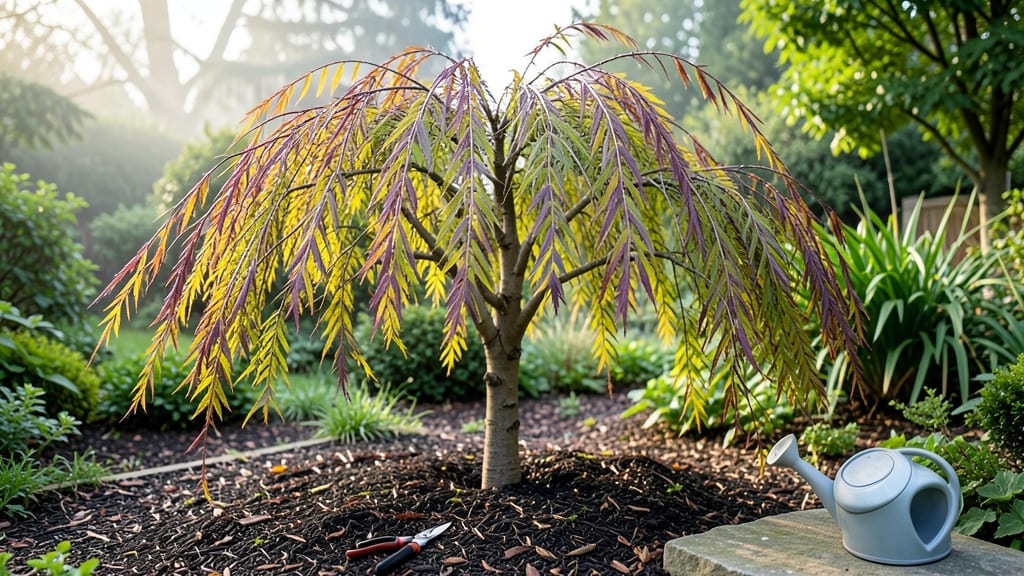
Transform your garden into a living watercolor with the tri-color willow tree—its cascading branches and ever-changing foliage of white, pink, and green create a breathtaking focal point that shifts with the seasons. 🌿 I planted mine near a small pond, and the way its branches reflect in the water turns every sunset into a postcard-worthy scene.
The secret to keeping it looking this stunning lies in strategic pruning that encourages that lush, weeping form while preventing overgrowth that can smother nearby plants.
This isn't just about trimming back leggy branches—it's about sculpting the tree's natural elegance. You'll need sharp pruners, a ladder for higher branches, and a clear morning to work when the foliage is dry.
The best time to prune is late winter or early spring, just as new growth begins to push through, but you can do light maintenance pruning throughout the year to shape it as it grows.
For those with limited space, container-growing this willow is possible with proper root pruning and a large, sturdy pot.
What you'll end up with is a tree that looks like it belongs in a botanical garden, not just your backyard. The white bark peeks through in winter, the pink-tinged new growth in spring creates a soft haze, and the golden-yellow fall foliage adds warmth before the branches go dormant.
Pair it with hostas for contrast, or let it stand alone as a dramatic centerpiece—either way, your garden will become the envy of the neighborhood.
The key to long-term success is balancing pruning with patience. This isn't a fast-growing tree that needs aggressive shaping—think of it as a living sculpture that rewards gentle guidance.
With the right approach, your tri-color willow will provide year-round interest, seasonal color changes, and that "I can't believe this is mine" wow factor that makes gardening so rewarding.
📚 In This Guide
- What you need
- Instructions
- Tips and common mistakes
- Wrapping up and next steps
What you need
- ● Pruning shears: Sharp, bypass-style shears (for cuts under ½ inch thick).
- ● Loppers: Bypass loppers for branches ½ to 1½ inches thick.
- ● Pruning saw: Curved-tooth saw for thicker branches (1½+ inches).
- ● Gloves: Heavy-duty, cut-resistant gloves (gardening or pruning-specific).
- ● Disinfectant: 70% isopropyl alcohol or a 10% bleach solution (to sterilize tools between cuts).
- ○ Pruning sealant: Optional but recommended for large cuts (e.g., Tanglefoot Tree Wound Pruning Sealer).
- ● Ladder or step stool: Sturdy and tall enough to reach the highest branches safely.
- ● Heavy-duty trash bags: For collecting pruned branches and debris.
- ● Marking twine or flags: To tag branches for removal (if planning ahead).
- ● Hand pruners: For precision trimming of small branches or twigs.
- ● Pole saw: Extendable saw for high branches (if no ladder is available).
- ● Safety glasses: To protect eyes from debris.
- ● Work apron or tool belt: To keep tools organized and hands free.
- ● Camera or phone: To document your tree’s progress before/after pruning!
Step-by-Step pruning guide for your tri-color willow tree
Here’s how to keep your tree’s stunning foliage thriving all year while shaping it beautifully.
🌿 Step 1: Time Your Pruning for Healthy Growth
Prune your tri-color willow in late winter or early spring, just as buds begin to swell but before new growth starts. This timing ensures you remove dead wood while stimulating fresh, vibrant foliage. Avoid pruning in fall—it encourages tender new growth that won’t survive winter.
If you notice dead or diseased branches at any time, remove them immediately. Look for branches with no leaves, brown or mushy bark, or oozing sap—these are clear signs of damage that needs cutting. Use clean, sharp pruners to make clean cuts at a 45-degree angle just outside the branch collar.
✂️ Step 2: Shape the Canopy for Balance and Airflow
Start by thinning out one-third of the oldest, thickest branches to encourage new growth and improve airflow. Focus on branches that cross or rub against others—they’ll eventually damage each other. Remove these at the base where they meet the trunk or larger branch.
Next, shape the canopy by pruning back any branches that grow too close to the ground or block walkways. Aim to maintain an open, airy structure—willows naturally grow long and weeping, so let their natural form guide you. Step back often to check your progress and avoid over-pruning.
☀️ Step 3: Maintain Year-Round Color and Health
After the initial pruning, monitor your tree throughout the year. In summer, trim any branches that grow too leggy or lose their vibrant tri-color foliage. Look for branches with mostly green leaves—these may need pruning to restore the striking purple, yellow, and green hues.
In late fall, do a light cleanup to remove any dead or weak branches before winter. Avoid heavy pruning then, as it stresses the tree when it’s already conserving energy. A quick check ensures your willow stays healthy and ready to burst with color in spring.
⏰ Step 4: Clean Up and Protect for Next Season
After pruning, rake up and dispose of all debris—this prevents disease and pests from lingering in the area. Sterilize your pruners with rubbing alcohol to kill any bacteria or fungi that might spread to healthy branches.
Apply a balanced, slow-release fertilizer in early spring to support new growth. Water deeply around the root zone, especially if your area has experienced dry spells. Mulch with 2-3 inches of organic mulch to retain moisture and protect roots from temperature swings.
Tips & tricks for perfect tri-color willow tree pruning
Your tri-color willow’s breathtaking foliage deserves careful attention—here’s how to keep it thriving without overcomplicating things.
Seasonal Timing is Everything: Late winter or early spring is your golden window for pruning, when buds begin to swell but before new growth starts. This timing ensures you remove last year’s dead wood while encouraging vibrant new foliage. I’ve seen willows stressed from fall pruning—don’t make that mistake! The key is to act just as you spot those first plump buds forming.
Branch Selection Strategy: When thinning in Step 2, prioritize removing one-third of the oldest, thickest branches first. These are the ones crowding out younger growth and blocking sunlight from reaching the center. Look for branches that cross or rub against others—these will eventually damage each other. Pro tip: Remove them at the base where they meet the trunk or larger branch to prevent unsightly stubs.
Color Maintenance Secret: In summer, focus on branches with mostly green leaves when trimming—these are often the ones losing their signature purple and yellow hues. The goal is to restore that stunning tri-color display. A quick visual check every few weeks keeps your willow looking its best throughout the season.
Pro Tips for Tri Color Willow Tree
- Your tri-color willow’s breathtaking foliage deserves careful attention—here’s how to keep it thriving without overcomplicating things.
- Seasonal Timing is Everything: Late winter or early spring is your golden window for pruning, when buds begin to swell but before new growth starts.
- Branch Selection Strategy: When thinning in Step 2, prioritize removing one-third of the oldest, thickest branches first.
Frequently asked questions
When is the best time to prune a tri-color willillo tree for vibrant foliage?
The ideal time to prune is late winter or early spring (before new growth starts) to encourage fresh, colorful foliage. Avoid heavy pruning in fall, as it can stress the tree before winter. Light shaping in summer (after flowering) is fine, but focus on removing dead or crossing branches. Pro tip: Use sharp pruners to make clean cuts—this prevents disease and promotes faster healing!
How much can I trim my tri-color willow tree without harming it?
Willow trees are resilient, but avoid removing more than 25-30% of the canopy in one season. Heavy pruning can stress the tree and reduce its vibrant tri-color display. For dramatic shaping, spread it over 2-3 years. Focus on removing dead, diseased, or weak branches first, then thin out crowded areas to improve airflow. Warning: Never prune more than 1/3 of the tree in a single session!
Why aren’t the leaves showing their usual red, yellow, and green colors?
If your tri-color willow’s foliage looks dull or lacks vibrancy, it could be due to over-fertilizing, poor sunlight, or compacted soil. Ensure it gets full sun (6+ hours daily) and well-draining soil. Yellowing leaves may signal iron deficiency—try a chelated iron supplement. Fun fact: Stress (like drought or root damage) can also mute colors, so keep the soil consistently moist but not soggy!
Can I prune a tri-color willow tree in winter, or will it die?
While willow trees are dormant in winter, pruning during deep freeze (below 20°F/-7°C) can damage new growth. Light pruning (removing dead wood) is safe, but avoid heavy cuts. Best practice: Wait until late winter (Feb-March) when temperatures stabilize. If you must prune in cold months, do it on a mild day (above 40°F/4°C) to reduce shock.
What’s a good alternative if my tri-color willow tree isn’t thriving?
If your willow struggles with pests, disease, or poor growth, consider these low-maintenance alternatives with similar beauty:
- Japanese Maple (Acer palmatum) – Stunning fall colors, compact size.
- Bloodgood Maple (Acer rubrum) – Deep red foliage, drought-tolerant.
- Smoke Tree (Cotinus coggygria) – Purple-pink hues, heat-resistant.
Wrapping up and next steps
The tri-color willow tree is a stunning addition to any landscape, offering year-round beauty with its vibrant foliage and graceful branches. By mastering the pruning techniques outlined—whether for seasonal shaping, disease prevention, or structural health—you’ll keep this showstopper thriving for decades. 🌿✂️
Now that you’re equipped with the know-how, roll up your sleeves and give your tree the care it deserves! Start with a quick inspection of its branches this weekend—you’ve got this! For deeper dives, explore local arborist resources or join gardening forums to swap tips with fellow green thumbs.