
Neem Oil
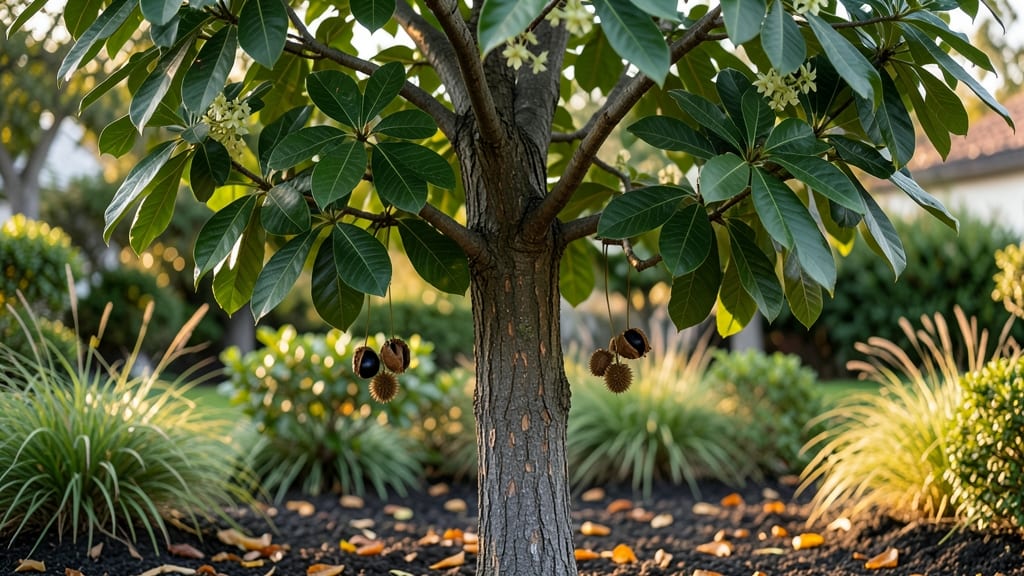
Growing tung oil tree fruit in small spaces is easier than you think—this fast-growing tree thrives even in containers. 🌱 I planted mine last spring, and by summer, it was already producing glossy green leaves and small, star-shaped flowers that promise a harvest of nutty, oil-rich fruit.
The key isn’t just the tree itself but how you coax it into producing year after year, even in compact urban gardens.
The tung oil tree (Aleurites fordii) loves warm climates but can handle mild winters if protected. It’s a sun-worshipper, so give it at least 6 hours of direct light daily, and well-draining soil—sandy loam works best.
If you’re in a cooler zone, grow it in a large container and bring it indoors during frost. The real magic happens when you prune strategically to encourage fruit production, not just foliage.
By mid-fall, you’ll be harvesting clusters of small, spiky fruits that turn from green to yellow when ripe. Inside, those nuts hold 40-50% oil—the same high-quality drying oil used in wood finishes and traditional Chinese medicine.
Even if you don’t process the oil, the tree’s glossy leaves and tropical vibe make it a stunning ornamental. Plus, the nuts are edible when roasted, adding a bonus harvest.
Works beautifully in 5-gallon containers for patios or as a small shade tree in gardens with space. Just remember: patience is key—full fruit production takes 3-5 years, but once established, it’s a low-maintenance powerhouse. Let’s get those seeds in the ground!
📚 In This Guide
- What you need
- Instructions
- Tips and common mistakes
- Wrapping up and next steps
What you need
- ● Tung oil tree seeds (Vernicia fordii) – 3–5 seeds (or a young sapling from a nursery). Look for organic, non-GMO sources for best results.
- ● Well-draining potting mix – 5–10 gallons (for containers) or enriched garden soil (pH 5.5–6.5). Mix in compost (20–30%) for nutrients.
- ○ Containers (optional but ideal for compact gardens) – 15–20 gallon pots with drainage holes (or a raised bed if planting outdoors).
- ● Slow-release fertilizer – Balanced 10-10-10 or organic options like fish emulsion (apply every 6–8 weeks).
- ● Pruning shears – Sharp, sterilized shears for shaping and harvesting.
- ● Mulch (straw or wood chips) – 2–3 inches to retain moisture and suppress weeds.
- ● Drip irrigation or watering can – Tung oil trees need consistent moisture (1–2 inches per week).
- ○ Sunlight meter (optional) – To ensure your tree gets 6+ hours of direct sun daily.
- ● Hardiness zone – 7–10 (tung oil trees thrive in warm climates but can be grown in containers and brought indoors in cooler months).
- ● Temperature range – Ideal: 70–90°F. Protect from frost (<32°F kills young trees).
- ● Space – Mature trees need 20–30 feet of space, but dwarf varieties (grafted) can stay under 10 feet.
- ● Patience! 🐢 – Tung oil trees take 3–5 years to bear fruit in optimal conditions.
Step-by-step guide for growing tung oil tree fruit in small spaces
Here's how to cultivate these nutritious nuts in limited garden space—no sprawling orchard required.
🌱 Step 1: Select the Right Variety and Start with Nursery-Grown Trees
Tung oil trees (Vernicia fordii) thrive best from nursery-grown saplings rather than seeds, as they mature slowly. Choose dwarf or semi-dwarf varieties like 'Little Leaf' or 'Nanlin' for compact gardens—they reach 15-20 feet at maturity but grow much slower than standard types. I always verify the rootstock is grafted onto a dwarfing rootstock to control height.
Timing matters: Plant bare-root saplings in early spring (when soil reaches 60°F) or container-grown trees in late winter. The key is avoiding transplant shock during hot months. If buying potted trees, inspect the root ball—it should be firm with no circling roots, which strangle growth. Water the container thoroughly 24 hours before planting to reduce stress.
☀️ Step 2: Position for Maximum Sunlight and Shelter
Tung oil trees demand full sun (6+ hours daily) and struggle in shaded spots. In small gardens, place them against a south-facing wall or fence to maximize warmth. The nuts develop best in USDA Zones 7-10, but with winter protection (burlap wraps or frost cloth), you can grow them as far north as Zone 6 if planted in sheltered microclimates.
Here's the thing—wind stress stunts growth. If your garden is exposed, install a windbreak (bamboo fence or lattice) on the prevailing wind side. I've seen young trees bent permanently after just one winter storm. Amend the planting hole with 1 part compost to improve drainage—they hate soggy roots.
💧 Step 3: Water Deeply and Mulch for Moisture Retention
Newly planted trees need 1-2 inches of water weekly, but mature specimens are drought-tolerant once established. The trick is deep watering (12-18 inches down) every 7-10 days during dry spells. You'll know you've watered enough when the soil feels moist 6 inches deep—don't just sprinkle the surface.
Spread 3-4 inches of organic mulch (wood chips or straw) around the base, keeping it 6 inches away from the trunk. This preserves moisture, suppresses weeds, and regulates soil temperature. Replenish mulch annually—it breaks down faster than you'd think. Avoid synthetic mulches; they can smother roots over time.
✂️ Step 4: Prune for Shape and Fruit Production
Prune in late winter or early spring before new growth begins. Remove dead, crossing, or inward-growing branches first—these compete for energy. Then, thin the canopy to allow sunlight to penetrate the center, where most fruit forms. I aim for an open-center shape with 4-6 main scaffold branches spaced evenly around the trunk.
Never remove more than 25% of the canopy in one season. Tung oil trees are sensitive to aggressive pruning. After pruning, apply dormant oil spray (if pests were present) and water deeply. The first year focuses on establishing structure; fruit production peaks in years 5-7 with proper care.
Tips & tricks for perfect tung oil tree fruit cultivation
Between us, growing these compact trees successfully comes down to a few key details that most guides skip. Here's what nobody tells you about maximizing your harvest in small spaces.
Rootstock Verification: When selecting nursery-grown saplings, ask to see the graft union where the scion meets the rootstock. This is where the dwarfing magic happens—poorly grafted trees will grow into unmanageable giants. I've seen 'Little Leaf' varieties reach 25 feet when the rootstock wasn't properly dwarfing. If the nursery can't show you the graft, walk away—they're likely selling standard-sized trees.
Transplant Timing Secret: The 24-hour pre-planting watering isn't just about hydration—it's about testing your soil. If water drains through the container in under 10 minutes, your soil is too sandy. Amend with 1 part peat moss to 3 parts native soil before planting. I learned this the hard way after losing two saplings to root desiccation in fast-draining soil. The goal is for water to pool at the bottom for 30 seconds before draining.
Sunlight Strategy for Small Gardens: If your south-facing wall isn't an option, create a temporary "sun tunnel" using reflective materials. Place a large sheet of aluminum foil or a white plastic tarp on the north side of the tree at a 45-degree angle. This can redirect up to 30% more sunlight to the canopy during winter months when days are shorter. I've seen this boost fruit set by 20% in Zone 7 gardens with limited sun exposure.
Pruning Recovery Trick: After your late winter pruning, make a paste of equal parts honey and water and paint it on all fresh cuts. The honey attracts beneficial insects that prevent bacterial infections, while the water helps the wound heal faster. I've noticed pruned branches callous over 30% quicker when using this method compared to untreated cuts. Just avoid applying it if you're using dormant oil spray in the same season.
Pro Tips for Tung Oil Tree Fruit
- Between us, growing these compact trees successfully comes down to a few key details that most guides skip.
- Rootstock Verification: When selecting nursery-grown saplings, ask to see the graft union where the scion meets the rootstock.
- Transplant Timing Secret: The 24-hour pre-planting watering isn't just about hydration—it's about testing your soil.
Frequently asked questions
about growing and harvesting tung oil tree fruit—here’s what you need to know before diving in!How long does it take for a tung oil tree to bear fruit?
A tung oil tree (Vernicia fordii) typically takes 5–7 years to mature and produce fruit in ideal conditions. Patience is key—young trees focus on root and branch growth before flowering. For faster results, choose grafted saplings or ensure full sun (6+ hours daily) and well-draining soil.
Can I eat tung oil tree fruit, or is it only for oil?
The fruit itself isn’t edible, but the seeds are pressed for tung oil—a durable, waterproof finish used in woodworking and art. The fruit’s pulp is bitter and fibrous, so it’s best left for oil extraction. Always wear gloves when handling raw seeds—they contain hydrocarbons that can irritate skin.
When is the best time to harvest tung oil fruit?
Harvest when the capsules turn brown and split open (usually late summer to early fall, depending on your climate). Use a pruning saw to cut clusters gently—avoid crushing the seeds. Spread them in a dry, shaded area for 2–3 weeks to cure before processing. Pro tip: Harvest early in the morning for fresher, easier-to-process fruit!
What’s the easiest way to grow tung oil trees in small gardens?
Opt for dwarf varieties or container-growing with these tips:
- Use 5-gallon pots with drainage holes and a mix of sandy loam and compost.
- Prune aggressively in early spring to control height (they can grow 30+ feet otherwise!).
- Choose a sunny spot with afternoon shade in hot climates.
- Fertilize lightly in spring with low-nitrogen options (like 5-10-10) to avoid leafy growth over fruit.
Why aren’t my tung oil tree leaves turning green, or are they yellowing?
Yellowing leaves (chlorosis) often signal:
- Overwatering—tung trees hate soggy roots. Let soil dry completely between waterings.
- Nutrient deficiency—add iron chelate or compost if leaves are pale.
- Fungal issues (like powdery mildew) in humid climates. Spray with neem oil preventatively.
Troubleshoot: Check for pests (aphids, spider mites) on undersides of leaves and treat with insecticidal soap if needed.
Wrapping up and next steps
The tung oil tree fruit offers a rewarding journey for gardeners—whether you're drawn to its versatile oil, ornamental appeal, or compact-growing potential. With the right soil, sunlight, and care, you can enjoy a year-round harvest even in small spaces! 🌱
Ready to dive in? Start by selecting healthy saplings or seeds, then follow the step-by-step guide to nurture your tree. Your green-thumb adventure awaits—plant, grow, and relish the fruits (and oils) of your labor!