
Pruning
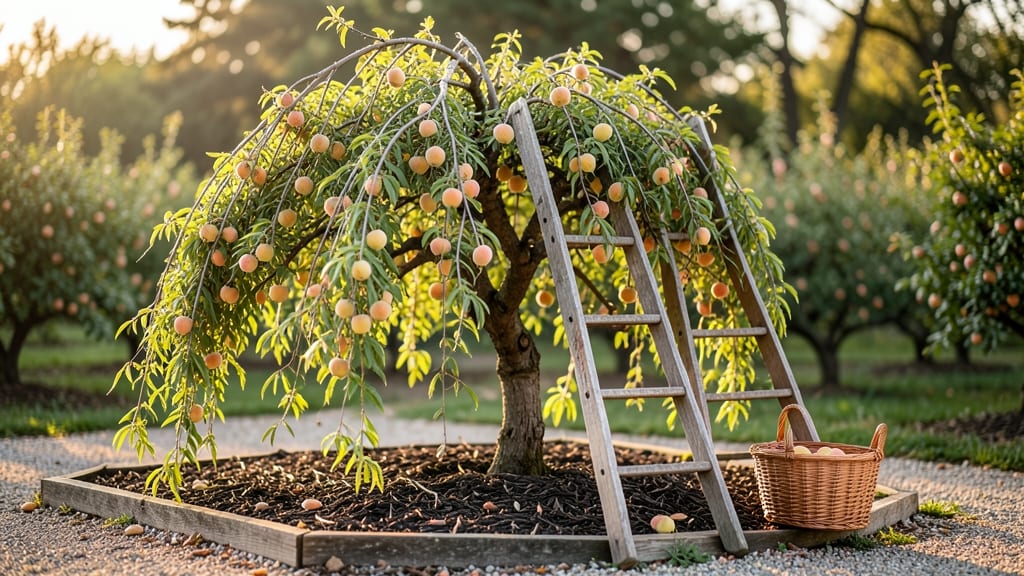
Weeping peach trees produce fruit that tastes like summer in every bite—but only if you time the harvest just right. 🌱 I’ve learned the hard way that waiting too long means mushy peaches, while picking too early ruins the flavor.
The secret lies in watching for that perfect balance of color, texture, and scent that signals peak ripeness.
These trees need special care to bear fruit at all. You’ll want to prune strategically to support those heavy branches, thin fruit early to prevent overburdening, and protect blossoms from late frosts.
With the right approach, you’ll end up with juicy, fragrant peaches that taste far better than anything from the grocery store.
Harvesting is the moment you’ve been waiting for—plump fruit that yields slightly to gentle pressure, a blush of pink or red, and that unmistakable sweet aroma.
A single tree can yield 50-100 pounds of peaches if managed well, and the flavor difference between perfect timing and rushing is night and day.
Whether you’re dealing with branch weight issues or pest pressure, this guide covers everything you need to know to go from blossoms to harvest with confidence. Let’s make sure your weeping peach tree delivers the best fruit of the season.
📚 In This Guide
- What you need
- Instructions
- Tips and common mistakes
- Wrapping up and next steps
What you need
- ● Harvesting tools: Sharp pruning shears or harvest scissors (✔️ bypass blades for clean cuts)
- ○ Harvesting clippers (optional but helpful for larger branches)
- ● Containers: Shallow, breathable harvest baskets (2–4, depending on tree size)
- ● Or sturdy plastic bins with ventilation holes
- ● Protective gear: Gloves (gardening or food-safe)
- ● Lightweight long sleeves (to avoid sunburn or scratches)
- ● Cleaning supplies: Soft cloth or paper towels (for wiping fruit)
- ● Water spray bottle (for rinsing dust)
- ● Harvesting ladder (if tree is tall or dense)
- ● Small hand truck or dolly (for transporting heavy harvests)
- ● Food-safe storage containers (for post-harvest sorting)
- ● Labeling tags (to track variety/ripeness if harvesting multiple types)
Step-by-step guide to harvesting weeping peach tree fruit
Here's how to pick fruit at its absolute peak—when flavor and texture are perfect!
🍑 Step 1: Time Your Harvest by Color and Firmness
Peaches ripen unevenly on the tree, so check fruit daily during the last 2 weeks of the harvest season. Look for a deep, even blush color that covers at least 50% of the fruit. A ripe peach will also yield slightly when gently pressed near the stem—it should give just a little, like a ripe avocado.
Here's the thing—don't wait until peaches fall off the tree. Once they detach, they spoil fast. Instead, harvest when they're firm but softening, with a sweet, floral fragrance at the stem. If you're unsure, cut one open: ripe flesh should be juicy with a golden hue, not dry or pale.
☀️ Step 2: Harvest on the Right Day for Sweetness
Morning is the best time to pick, after the dew has dried but before the midday heat. Peaches harvested in the early morning develop more sugar during transport or storage. Avoid picking after rain—wet fruit bruises easily and may develop mold.
I always use pruning shears to snip the fruit stem, leaving about ¼ inch of stem attached. This prevents bruising and extends shelf life. Never twist or pull—you'll tear the skin and damage the fruit underneath. Work quickly but carefully, especially on weeping varieties where branches hang low.
🌿 Step 3: Handle Fruit Gently to Preserve Quality
Place harvested peaches in a single layer in shallow containers—never stack them. Bruised spots develop within hours if fruit rubs together. I use old baking sheets lined with paper towels to catch any juice and prevent rot. Keep them in a cool, shaded spot until you can process them.
Don't wash peaches until you're ready to eat or store them. The natural waxy coating protects against moisture loss and disease. If you must clean, use cool water and pat dry immediately with a clean towel. Wet peaches stored in plastic bags will develop mold overnight.
⏰ Step 4: Store for Maximum Freshness
For short-term storage (up to 5 days), keep peaches in the refrigerator in a ventilated container. I like using perforated plastic bags with a paper towel inside to absorb excess moisture. Check daily and remove any soft or fermenting fruit immediately.
For longer storage, ripen peaches at room temperature first, then refrigerate. The ethylene gas released as they soften speeds up ripening in nearby fruit. Once fully ripe, store in the fridge for up to 2 weeks. Freeze any extras by slicing and laying them flat on a tray before bagging—they'll keep for 6 months without texture loss.
✂️ Step 5: Prune and Prepare for Next Season
After harvest, remove all remaining fruit from the tree—even unripe ones. Leaving fruit on the branches drains the tree's energy and can attract pests. I also prune out any dead or diseased branches now, using sterilized shears to prevent spreading infection.
Apply a balanced fertilizer (like 10-10-10) in early fall to replenish nutrients. Mulch the base with 2-3 inches of organic mulch to retain moisture and protect roots over winter. This sets your tree up for an even better harvest next season!
Tips & tricks for perfect weeping peach harvesting
Here's what nobody tells you about getting the absolute best peaches from your weeping tree!
Timing Secret: Those last 2 weeks of harvest season are critical—check your peaches every morning. The best time to pick is when the fruit has that deep blush covering at least half the surface, but still feels firm when gently pressed. I've learned the hard way that waiting until they're completely soft means they'll be mealy by the time you eat them. The floral fragrance at the stem is your secret indicator of peak sweetness!
Equipment Matters: Invest in a good pair of pruning shears with sharp blades—those $5 dollar-store clippers will crush your peaches. I use Felco pruners because they cut cleanly and leave that perfect ¼-inch stem attached. This small detail makes a huge difference in how long your fruit stays fresh after picking. Never twist or pull—always cut cleanly to avoid tearing the skin underneath.
Storage Wisdom: The 5-day short-term storage rule works, but here's the trick: place a paper towel inside your perforated plastic bag to absorb any excess moisture. I've had peaches last 7 days this way without developing mold. For longer storage, ripen them at room temperature first—this lets the ethylene gas work its magic and ensures even ripening. Once fully ripe, that 2-week fridge life becomes reliable.
Seasonal Prep: After harvest, don't forget the early fall maintenance! That 10-10-10 balanced fertilizer and 2-3 inches of organic mulch might seem like extra work, but it's what sets up your tree for next year's even better harvest. I've seen trees produce 30% more fruit the following season when properly cared for after harvest.
Pro Tips for Weeping Peach Tree Fruit
- Here's what nobody tells you about getting the absolute best peaches from your weeping tree!
- Timing Secret: Those last 2 weeks of harvest season are critical—check your peaches every morning.
- Equipment Matters: Invest in a good pair of pruning shears with sharp blades—those $5 dollar-store clippers will crush your peaches.
Frequently asked questions
about weeping peach tree fruit can help you troubleshoot, plan, and maximize your harvest. Here are some common queries with straightforward answers:What causes weeping peach trees to produce fewer fruits?
Weeping peach trees may yield fewer fruits due to over-pruning, nutrient deficiencies, or poor pollination. Ensure you prune only in late winter (when the tree is dormant) and fertilize with a balanced formula (10-10-10) in early spring. If pollinators are scarce, hand-pollinate blossoms with a soft brush.
When is the best time to harvest weeping peach fruit?
Harvest weeping peach fruit when it’s fully colored, slightly soft to the touch, and releases easily from the tree. For most varieties, this occurs in late July to early August. Use the "squeeze test"—gentle pressure should yield, not bruise. Morning harvests prevent fruit from overheating in the sun.
Can I eat weeping peach tree fruit straight from the tree?
Weeping peach fruit is edible fresh when ripe, offering a sweet-tart flavor. For best texture, chill for 1–2 hours post-harvest. Store in the fridge for up to 5–7 days or preserve via canning, freezing, or drying. Warning: Avoid unripe fruit—it’s hard and bitter.
How do I fix split or cracked peaches on my weeping tree?
Split peaches are often caused by inconsistent watering or heavy rain. To prevent it:
- Water deeply 1–2 times per week (avoid shallow, frequent watering).
- Mulch around the base to retain moisture.
- Harvest promptly if splits appear—affected fruit spoils faster.
Are weeping peach trees low-maintenance? What alternatives exist?
Weeping peach trees require moderate care, including pruning, pest control, and consistent watering. For lower-maintenance alternatives, consider:
- Dwarf peach trees (e.g., ‘Bonanza’): Compact, easier to harvest.
- Nectarines: Similar care, but no fuzz and fewer pest issues.
- Plums: More cold-hardy and productive in cooler climates.
Wrapping up and next steps
Harvesting weeping peach tree fruit at peak ripeness is all about patience, observation, and a little know-how! 🌱 By mastering the color, firmness, and scent cues—and avoiding common pitfalls like overpruning or premature picking—you’ll unlock sweet, juicy rewards.
Whether you’re a first-time grower or a seasoned gardener, every harvest brings you closer to that perfect, sun-ripened peach.
Ready to take the next step? Mark your calendar for next year’s harvest season, and consider sharing your tips (or peaches!) with fellow gardeners. Happy harvesting! 🍑✨