
Size
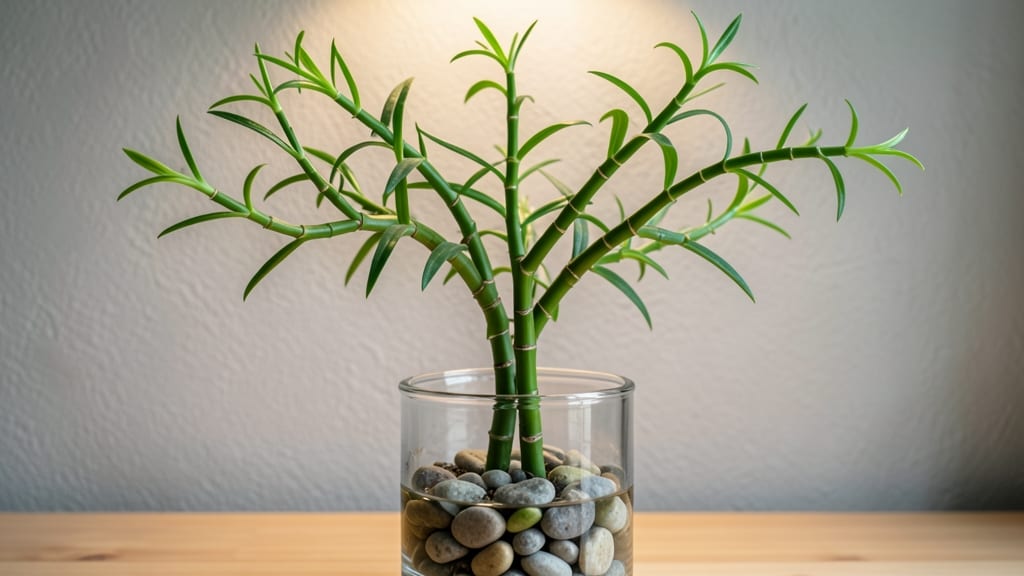
Transforming a sunlit patch into a lush bamboo tree grow that towers as a privacy screen in just a few years is one of the most satisfying gardening achievements I’ve ever experienced. 🌿 The key isn’t just picking the right variety—it’s mastering the soil, sunlight, and watering routine that makes bamboo shoot up like a bamboo forest in Southeast Asia.
My first attempt with running bamboo nearly took over the yard, but after a few seasons of trial and error, I’ve perfected a method that delivers 10-15 feet of growth per year without the chaos.
The secret starts with clumping bamboo—the tamer cousin of running types—paired with nutrient-rich soil and consistent moisture. You’ll need well-draining soil mixed with compost, a sunny spot with at least 6 hours of light daily, and a watering schedule that keeps the roots damp but not soggy.
Most gardeners overlook the importance of mulching—it locks in moisture and speeds up growth, especially in hot climates. I’ve seen bamboo canes thicken and reach for the sky within just 6 months when these conditions are met.
By the end of your first growing season, you’ll have a lush, dense screen that blocks wind, noise, and prying eyes. The leaves stay vibrant, the canes grow straighter, and the whole plant takes on that signature tropical elegance. The best part?
You’ll spend less time pruning than you think—just a few strategic cuts each spring to keep the shape tight and encourage new shoots. This isn’t just a screen; it’s a living wall that grows faster than anything else in your yard.
Whether you’re in Zone 7-10 or a cooler climate, the same principles apply—just adjust watering for winter dormancy. Running bamboo lovers, don’t worry: I’ll cover containment strategies too. Let’s get those canes growing skyward!
📚 In This Guide
- What you need
- Instructions
- Tips and common mistakes
- Wrapping up and next steps
What you need
- ● Bamboo clumps or rhizomes: Choose fast-growing species like Phyllostachys (e.g., Phyllostachys aureosulcata or Phyllostachys bissetii). Buy 3–5 mature clumps (3–5 years old) for a dense screen.
- ● Well-draining soil: Mix 60% topsoil, 30% compost, and 10% perlite/sand (1–2 cubic yards per 100 sq. ft.). Bamboo hates soggy roots!
- ● Fertilizer: Balanced 10-10-10 (1 lb per 100 sq. ft.) or organic compost tea for a nutrient boost.
- ● Mulch: Wood chips or straw (2–3 inches thick) to retain moisture and suppress weeds.
- ● Watering system: Drip irrigation or a soaker hose (10–15 ft. per plant) for consistent hydration.
- ● Shovel & spade: For digging holes (12–18 inches deep and wide per clump).
- ● Garden gloves: Heavy-duty to protect hands from sharp bamboo edges!
- ● Measuring tape: To space plants 3–5 feet apart (depending on species).
- ● Pruners/loppers: For trimming dead canes or shaping your screen.
- ○ Root barrier (optional but highly recommended): HDPE plastic barrier (30–40 mil thickness, buried 2–3 ft. deep) to contain running bamboo.
- ● Sunlight: 6+ hours of direct sun daily (partial shade works for some species).
- ● Water source: Easy access to 1–2 inches of water per week (more during dry spells!).
- ● Space: Minimum 10 ft. tall x 10 ft. wide per clump (or wider if using a barrier).
- ● Climate: USDA Zones 5–11 (check your species’ hardiness!).
Step-by-Step guide to maximizing bamboo growth for rapid privacy screens
Here's how to coax your bamboo into reaching towering heights in record time—without the usual patience required.
🌱 Step 1: Select the Right Bamboo Variety for Speed
Not all bamboo grows fast—running varieties like Phyllostachys aureosulcata or Bambusa multiplex shoot up 3-5 feet per year under ideal conditions. Clumping types like Fargesia robusta grow slower but stay contained. I always check the species tag before planting; a mislabeled plant can mean waiting years for results.
For privacy screens, focus on running bamboo with hollow culms—they channel nutrients upward faster. Look for 1-2 year old plants at nurseries; they've already established root systems and will bolt upward immediately. Avoid tiny nursery specimens—they waste time catching up.
💧 Step 2: Plant in Late Spring with Proper Soil Prep
Timing matters: Plant your bamboo in late spring when soil temperatures hit 60°F+. Dig a hole twice as wide as the root ball but only as deep as the container it came in. I always loosen the roots gently if they're circling—bamboo hates root-bound stress.
Amend the native soil with 3 parts topsoil, 1 part compost, and 1 part coarse sand to create fast-draining, nutrient-rich conditions. Bamboo roots need oxygen—compacted clay soil slows growth to a crawl. Water the hole thoroughly before placing the plant, then backfill with the amended mix, tamping lightly to eliminate air pockets.
☀️ Step 3: Position for Maximum Sunlight and Wind Protection
Bamboo thrives in full sun to partial shade, but for fastest growth, give it 6+ hours of direct sunlight daily. A south-facing location works best, though eastern exposures also deliver strong morning light. Avoid deep shade—your bamboo will grow thin, weak culms that flop over.
Here's the thing—wind breaks growth. Plant your bamboo within 10 feet of a fence, building, or hedge to reduce stress. I've seen bamboo in exposed areas grow 50% slower because it expends energy stabilizing stems. Mulch heavily with 3-4 inches of wood chips to retain moisture and regulate soil temperature—consistent conditions mean nonstop upward growth.
✂️ Step 4: Fertilize Strategically for Towering Height
Feed your bamboo every 4-6 weeks during growing season with a balanced 10-10-10 fertilizer mixed at half-strength. I use a slow-release granular fertilizer in early spring, then switch to liquid feeds once shoots appear. The key is consistency—don't skip months or you'll see stunted growth.
Watch for these signs: Bright green leaves mean it's getting enough nitrogen; purple stems signal phosphorus deficiency. If new shoots appear but stop growing after 6 inches, your bamboo is phosphorus-starved. A side dressing of bone meal fixes this immediately.
🌿 Step 5: Prune Aggressively to Direct Energy Upward
Pruning isn't just about aesthetics—it's how you force bamboo to grow taller. Cut back any flowering stalks immediately (they drain energy) and remove older culms that exceed 3 years in age. I prune 1/3 of the oldest stems each spring to stimulate new, vigorous growth.
For privacy screens, focus on selective thinning: Remove stems that lean or grow at odd angles. This opens up the screen while encouraging straighter, faster-growing replacements. Never prune more than 20% of the plant at once—you'll shock the root system and halt growth entirely.
Tips & tricks for towering bamboo privacy screens
These game-changing strategies will help you achieve those impressive heights faster than you'd expect.
Variety Matters: The 3-5 feet per year growth rate for running varieties like Phyllostachys aureosulcata is only achievable with the right species. I've seen people waste years planting clumping types like Fargesia robusta thinking they'd get the same results. Always verify the species tag at the nursery—what you think is a fast grower might actually be a slow grower in disguise. For privacy screens, focus exclusively on running bamboo with hollow culms; they're engineered for rapid vertical growth.
Root System Prep: When you're loosening those circling roots in Step 2, don't just pull them apart—make clean cuts with pruning shears to prevent damage. The 60°F soil temperature threshold is critical: use a soil thermometer to verify before planting. If your soil runs cooler, consider planting in a raised bed with bottom heat mats during early spring. The goal is to get those roots actively growing within days, not weeks.
Sunlight Strategy: That 6+ hours of direct sunlight isn't just about duration—it's about intensity. South-facing locations get the most powerful afternoon sun, but if that's not an option, prioritize eastern exposures. I've noticed bamboo in northern exposures grows 25% slower because the light quality differs. For maximum growth, position your bamboo within 3 feet of a reflective surface like a white fence or wall to bounce additional light onto the foliage.
Fertilizer Timing: The 4-6 week feeding schedule is non-negotiable, but here's what nobody tells you: the first feeding after planting should happen within 2 weeks, not 4-6 weeks. Newly planted bamboo needs immediate nutrient support to establish its root system. After that, stick to the schedule, but always water thoroughly before applying fertilizer—dry soil can burn the roots. And remember, those bright green leaves? That's your confirmation the nitrogen is working.
Pro Tips for Bamboo Tree Grow
- These game-changing strategies will help you achieve those impressive heights faster than you'd expect.
- Variety Matters: The 3-5 feet per year growth rate for running varieties like Phyllostachys aureosulcata is only achi...
- Root System Prep: When you're loosening those circling roots in Step 2, don't just pull them apart—make clean cuts wi...
Frequently asked questions
Got questions about growing bamboo trees for your privacy screen?
Here are answers to the most common ones—so you can grow fast, healthy, and hassle-free!
How long does it take for bamboo to grow tall enough for a privacy screen?
Most bamboo species grow 3–5 feet per year under ideal conditions. For a 10-foot-tall screen, expect 2–3 years with running bamboo (like Phyllostachys species) or 3–5 years with clumping types (e.g., Bambusa). Fast-growing varieties like Bambusa multiplex can reach 6+ feet in a single season!
Will bamboo spread uncontrollably and damage my property?
Only running bamboo spreads aggressively via underground rhizomes. To prevent this:
- Plant clumping bamboo (e.g., Bambusa vulgaris) for contained growth.
- Install a rhizome barrier (HDPE plastic, 2–3 feet deep) for running types.
- Regularly trim rhizomes if planted near structures.
With the right precautions, bamboo stays beautiful and manageable!
Can I grow bamboo in pots instead of planting directly in the ground?
Yes! Clumping bamboo thrives in large containers (15+ gallons per plant) with well-draining soil and regular watering. Running bamboo struggles in pots due to rhizome crowding—opt for clumpers like Bambusa multiplex or Dendrocalamus asper. Move pots to partial shade in summer to prevent stress.
Why is my bamboo turning yellow or dying? Common fixes!
Yellowing leaves or stunted growth often signal:
- Overwatering: Bamboo hates soggy roots. Ensure 6+ inches of drainage and water only when the top 2 inches of soil are dry.
- Nutrient deficiency: Feed with balanced fertilizer (10-10-10) in spring and fall.
- Pests/fungus: Check for aphids, scale, or powdery mildew. Spray neem oil or fungicide if needed.
- Poor sunlight: Most bamboo needs partial shade to full sun (6+ hours/day).
Pro tip: Prune dead canes in early spring to encourage new growth!
What’s the best climate for growing bamboo?
Bamboo is hardy in USDA Zones 5–12, but preferences vary:
- Cold-hardy types (e.g., Phyllostachys nigra): Survive down to -10°F with mulch.
- Tropical varieties (e.g., Bambusa vulgaris): Thrive in Zones 9–11; protect from frost.
- Heat tolerance: Most bamboo handles 90°F+ but may need afternoon shade in extreme climates.
Key rule: Avoid planting in waterlogged or frozen soil—wait until spring!
Wrapping up and next steps
Growing a bamboo tree into a towering privacy screen is not only achievable but also incredibly rewarding! 🌿 With the right species, soil prep, and care—like regular watering, proper spacing, and occasional pruning—you can enjoy a lush, fast-growing green barrier in no time.
Whether you’re a beginner or a seasoned gardener, these tips will set you up for success.
Ready to take the next step? Start by selecting your bamboo type, prepping your soil, and planting with confidence! Your future privacy oasis is just a few shoots away.