
Pruning
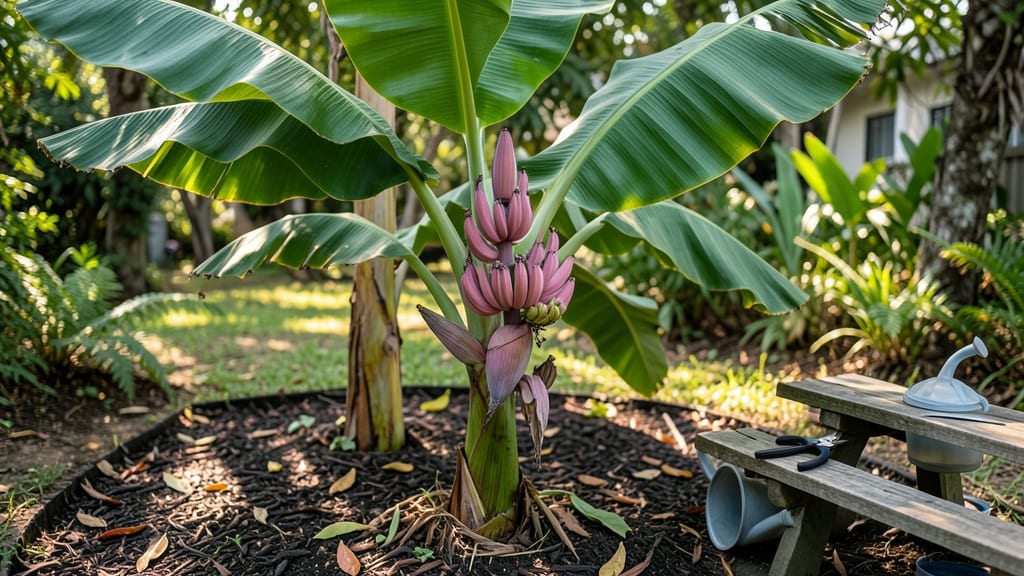
The banana tree flower isn’t just a showstopper—it’s the plant’s promise of fruit. 🌺 When those massive, fragrant blooms appear, you’re witnessing nature’s way of telling you a harvest is coming. But pruning at this stage can make all the difference between a modest yield and a bounty of bananas.
Most gardeners wait until the flower spike emerges before taking action, but timing matters. The trick is thinning crowded buds early to redirect energy toward fewer, larger fruits. I’ve seen 3-foot-tall flower stalks produce dozens of bananas when pruned right—otherwise, they struggle with overcrowding and small, underdeveloped fruit.
You’ll know you’re on the right track when the remaining flowers swell into plump, vibrant blooms. The air fills with a sweet, tropical scent, and the plant’s leaves stay lush instead of yellowing from stress. This is where patience pays off—waiting 2-3 weeks after pruning to see the results.
Works for both dwarf and larger banana varieties, though tropical climates handle flowering best. If you’re in a cooler zone, bring your plant indoors during winter to protect those delicate blooms. Let’s get those flowers thriving!
📚 In This Guide
- What you need
- Instructions
- Tips and common mistakes
- Wrapping up and next steps
What you need
- ● Pruning shears or loppers – Sharp, sterilized tools (7–10" blades for thick stems; avoid dull blades that crush stems).
- ● Disinfectant (70% isopropyl alcohol or bleach solution) – 1 part bleach to 9 parts water to prevent disease spread.
- ● Gloves (heavy-duty, cut-resistant) – Protects hands from serrated edges and sap.
- ○ Pruning sealant (optional but recommended) – Tree wound paint to seal cuts on large stems (1–2" diameter).
- ● Ladder or step stool – For tall banana trees (10–20 ft); ensure it’s stable and extends 3 ft beyond the tree’s height.
- ● Sharp knife or pruning saw – For thick, woody stems (avoid tearing).
- ● Trash bags or compost bin – For pruned debris (sterilize tools before reuse!).
- ● Timing – Prune after flowering (late winter/early spring) or during dormancy (avoid peak growing seasons).
- ● Weather check – Choose a dry, overcast day to reduce stress on the tree.
- ● Safety first! – Wear eye protection (sap can irritate) and secure loose clothing.
- ● Tree health assessment – Inspect for pests/diseases (e.g., sigatoka leaf spot) before pruning.
- ● Hose with nozzle – For post-pruning cleanup (removes sap and debris).
- ● Plant food (balanced fertilizer, 10-10-10) – Apply 2–3 weeks after pruning to boost recovery.
- ● Camera or sketchpad – Document pruning cuts for future reference.
- ● Mulch (straw or wood chips) – Spread 2–3" around the base to retain moisture.
How to prune your banana tree for lush, fragrant flowers
Here's how I coax massive, fragrant blooms from banana plants every season.
🌿 Step 1: Identify the Right Time to Prune
Wait until late winter or early spring—just as new growth begins—but before the plant sends up flower stalks. This is when your banana tree stores energy from last season's growth. I look for small, firm buds at the base of the trunk or along the stem; these signal the plant's about to flower.
Pruning too early removes stored nutrients the plant needs for blooms. Pruning too late cuts off potential flower stalks. The ideal window is 2-4 weeks before you see those dramatic 6-foot-tall flower spikes emerge.
✂️ Step 2: Remove Dead or Damaged Leaves
Start at the base and work upward. Use clean, sharp pruners to snip away any leaves that are yellow, brown, or torn—these sap energy from the plant. I always check the center of the plant first, where leaves pile up and trap moisture, creating perfect conditions for fungal diseases.
Don't remove more than one-third of the foliage at once. Healthy banana trees have large, upright leaves that should feel firm when pressed. If a leaf collapses when you touch it, it's time to go.
🌱 Step 3: Encourage Airflow and Light Penetration
Thin out crowded leaves to let sunlight reach the center of the plant. I aim for 3-4 inches of space between leaves to prevent humidity buildup. This isn't just about looks—better airflow means fewer pests and stronger flower stalks.
Focus on the lower third of the plant first. These older leaves are less productive but block light from reaching the base where flower buds form. You'll know you've done enough when you can see direct sunlight hitting the trunk.
⏰ Step 4: Prune for Flower Stalks (When Ready)
Once you spot a thick, rigid bud (about 1-2 inches long) at the base, that's your flower stalk starting. Wait until it's 4-6 inches tall before pruning nearby leaves—this gives the plant energy to support the heavy bloom.
Remove only the largest, oldest leaves within 12 inches of the flower stalk. Never cut the stalk itself. The goal is to reduce competition so all the plant's energy goes into producing giant, fragrant blooms instead of extra foliage.
Tips & tricks for perfect banana tree flower pruning
These little adjustments make all the difference between modest blooms and showstopping banana tree flowers.
Timing is Everything: That 2-4 week window before flower spikes emerge is critical. I've missed it twice—once by pruning too early when the plant was still dormant, and once too late when the flower stalk was already 3 feet tall. Mark your calendar for late winter/early spring and watch for those small firm buds at the base. The plant needs those stored nutrients to fuel dramatic blooms.
Tool Prep Matters: Sterilize your pruners with rubbing alcohol before and after use. I learned this the hard way when my banana tree developed fungal spots after using dirty tools. Clean cuts heal faster, and you won't accidentally spread diseases between plants. Sharp pruners also make the job easier—dull blades crush stems instead of cleanly cutting them.
Visual Cues for Pruning: When thinning leaves in Step 3, look for sunlight hitting the trunk as your guide. I aim to create a "sunlight tunnel" through the center. You'll know you've done enough when you can see direct light on the lower trunk where flower buds form. This isn't just about looks—better light penetration means stronger flower stalks that can support those massive blooms.
Seasonal Care Extension: After pruning, give your banana tree a boost with a balanced fertilizer (10-10-10 ratio) mixed at half-strength. I apply this every 4 weeks during growing season. The extra nutrients help the plant recover from pruning and support those energy-intensive flower spikes. Just be sure to water thoroughly after fertilizing to prevent root burn.
Pro Tips for Banana Tree Flower
- These little adjustments make all the difference between modest blooms and showstopping banana tree flowers.
- Timing is Everything: That 2-4 week window before flower spikes emerge is critical.
- Tool Prep Matters: Sterilize your pruners with rubbing alcohol before and after use.
Frequently asked questions
Got questions about banana tree flowers and pruning? You’re not alone!
Here are answers to the most common curiosities—from timing to troubleshooting—so you can grow those stunning, fragrant blooms with confidence.
When is the best time to prune banana tree flowers?
Prune banana tree flowers after they’ve bloomed and the fruit has developed. This is usually 3–6 months post-flowering. Avoid pruning during the rainy season or extreme heat, as the plant needs energy to recover. Wait until the flower stalk turns brown and dries out completely—this signals it’s safe to trim!
Why did my banana tree flower but didn’t produce fruit?
Several factors can cause this: pollination issues (hand-pollinate with a soft brush if bees aren’t active), nutrient deficiencies (add potassium-rich fertilizer), or stress (check for pests, overwatering, or poor drainage). If the flower drops early, it may not have had enough time to set fruit—give it another season!
How long does it take for a banana tree to flower again after pruning?
Banana trees typically take 1–2 years to flower again after pruning, depending on the variety and growing conditions. Dwarf varieties may rebloom faster (6–12 months), while larger types like the Cavendish can take longer. Patience is key—focus on keeping the plant healthy with balanced fertilizer and proper care!
Can I prune banana tree flowers to encourage more blooms?
Pruning after flowering is safe and even beneficial, but never prune healthy flowers prematurely—this can stress the plant and reduce future blooms. Instead, focus on removing dead or diseased leaves year-round and fertilizing regularly. The tree’s natural cycle dictates flowering, but optimal care maximizes its potential!
What should I do if my banana tree flower turns black or rots?
Black or rotting flowers are often caused by fungal infections (like anthracnose) or bacterial issues. Remove affected flowers immediately, improve airflow around the plant, and apply a copper-based fungicide. Overwatering or poor drainage can worsen the problem—ensure the soil is well-draining and water only at the base.
Are there any alternatives to pruning for managing banana tree flowers?
While pruning is essential, you can also support the plant’s health with these alternatives:
- Mulching: Use organic mulch to retain moisture and regulate soil temperature.
- Staking: Provide support for heavy flower stalks to prevent breakage.
- Fertilizing: Use a balanced NPK fertilizer (e.g., 10-10-10) during the growing season.
- Pest control: Monitor for aphids or spider mites, which can stress the plant.
Wrapping up and next steps
Mastering the art of pruning your banana tree flower isn’t just about patience—it’s about unlocking vibrant, fragrant blooms that transform your garden into a tropical paradise. 🌺 From timing your cuts to nurturing new growth, every step plays a role in coaxing out those stunning, giant flowers.
Now that you’re armed with the right techniques, why not take the next step? Grab your pruners, roll up your sleeves, and give your banana tree the care it deserves—your future blooms will thank you!
Pro Tip: 💡 Keep a pruning journal to track your progress and refine your approach over time. Happy gardening!