
Pruning
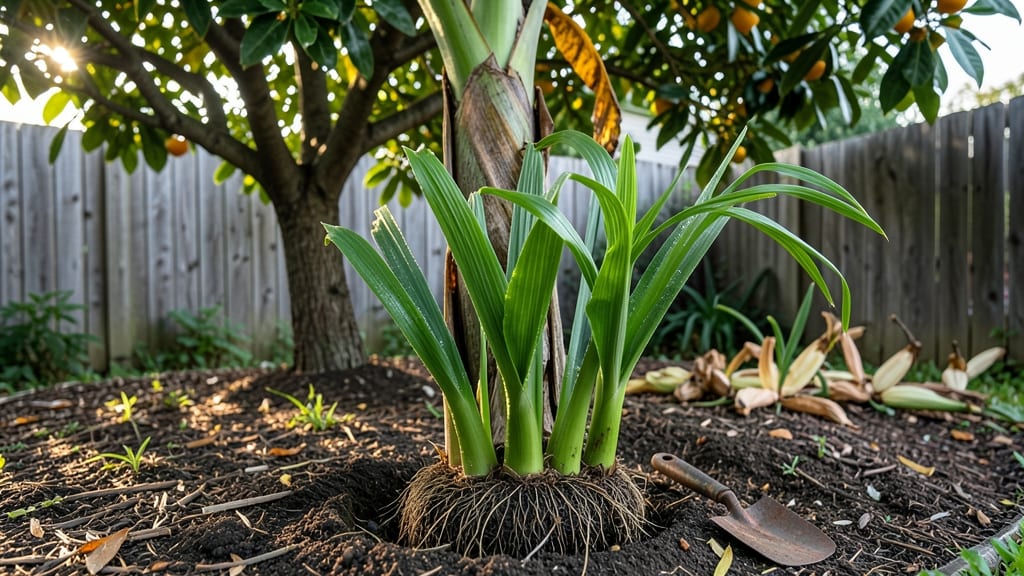
Banana tree suckers are the secret weapon for multiplying your harvest and keeping your plant vigorous. 🌱 I’ve turned my single banana tree into a thriving grove by mastering these fast-growing offshoots—here’s how to do it right without wasting time or energy on weak growth.
The key is timing and technique: remove suckers when they’re 6-12 inches tall with a clean cut, and plant them in well-draining soil mixed with compost. My first batch of suckers flopped because I skipped the root inspection—always check for firm, white roots before transplanting.
You’ll need basic tools: pruners, gloves, and a 5-gallon pot for starters.
What you’ll end up with is a second generation of banana trees ready to fruit in 18-24 months, plus a stronger mother plant that focuses energy on bigger, sweeter bananas. The trick is patience—these young trees need consistent moisture but no fertilizer for the first month to avoid shock.
Works for both dwarf and larger varieties, and the method scales from containers to ground planting. Let’s get those suckers growing strong—your future harvest depends on it.
📚 In This Guide
- What you need
- Instructions
- Tips and common mistakes
- Wrapping up and next steps
What you need
- ● Pruning shears or loppers: Sharp, sterilized, and capable of clean cuts (6-10 inches long). Choose bypass pruners for precision.
- ● Gloves (heavy-duty): Thick, cut-resistant gloves (gardening or pruning-specific) to protect against thorns and sap.
- ● Disinfectant (rubbing alcohol or bleach solution): 70% isopropyl alcohol or a 1:10 bleach-water mix to sterilize tools between cuts.
- ○ Pruning saw (optional but helpful): For larger suckers or thick stems (8-12 inches blade).
- ● Hose or water source: To clean tools and rinse sap off hands/gloves.
- ○ Plastic bags or bucket: For collecting pruned suckers (optional, but useful for composting or disposal).
- ○ Marking twine or flags (optional): To tag suckers you plan to keep or remove for future reference.
- ● Weather check: Prune on a dry, cloudy day to avoid stressing the plant or spreading diseases.
- ● Safety glasses: Recommended if working near your face or in dusty conditions.
- ● Long sleeves/pants: To protect against sap irritation and thorns.
- ● First-aid kit: For minor cuts or sap-related skin reactions (include antiseptic wipes and bandages).
- ● Sturdy ladder or stool: If your banana tree is tall (ensure it’s stable and non-slip).
Step-by-Step guide to pruning banana tree suckers for optimal growth
Here's how to transform those energetic suckers into a thriving, fruit-bearing banana tree.
🌱 Step 1: Identify and Select Healthy Suckers
Start by examining your banana tree for suckers—those vigorous shoots emerging from the base or along the trunk. Choose 3-4 of the healthiest, most vigorous suckers that are at least 6-12 inches tall with 3-4 leaves. These are your future fruit producers. Avoid suckers that are weak, leggy, or growing at odd angles—they won’t develop into strong plants.
Here's the thing—you don’t want to keep every sucker. Each one competes with the main stem for nutrients, and overcrowding leads to smaller, less productive plants. I like to pick suckers that are growing straight and upright, as these tend to develop into the strongest trunks. If a sucker is growing horizontally or at a sharp angle, it’s better to remove it early.
✂️ Step 2: Prune Suckers at the Right Time and Technique
Timing is everything. Prune suckers in early spring, just as new growth begins but before the main stem starts flowering. Use clean, sharp pruning shears to make a 45-degree cut about ½ inch above the soil line for suckers at the base. This angle helps water run off and prevents rot. For suckers higher up the trunk, cut just above a leaf node—this ensures the plant can heal properly.
Real talk: Don’t yank suckers out by hand. You’ll tear the roots and damage the main plant. A clean cut is faster, less traumatic, and promotes quicker healing. After pruning, discard diseased or pest-infested suckers immediately—don’t compost them. You’ll thank yourself later when your main plant isn’t stressed by hidden pathogens.
🌿 Step 3: Train and Support the Remaining Suckers
Once you’ve selected your 3-4 strongest suckers, it’s time to train them. Stake each sucker with a 5-foot bamboo stake or sturdy wooden dowel, tying it loosely to the stake with soft plant ties (like old T-shirts or garden twine). This prevents wind damage and encourages upright growth. You want the sucker to grow straight and strong, not bend or lean.
Here’s where it gets fun—watch the suckers respond within 2-3 weeks. You’ll see new leaves unfurl faster, and the stems will thicken noticeably. This is your signal that the plant is putting energy into growth instead of competing with other shoots. Keep an eye out for yellowing leaves—this could mean overwatering or poor drainage, so adjust your care routine if needed.
☀️ Step 4: Monitor and Maintain Post-Pruning
After pruning, your banana tree will need extra care for the first 4-6 weeks. Water deeply once a week, ensuring the soil stays moist but not soggy—banana trees hate wet feet. Apply a balanced fertilizer (like 10-10-10) every 4-6 weeks to support new growth. Avoid high-nitrogen fertilizers, which encourage leafy growth at the expense of fruit production.
This is the moment that matters: light exposure. Banana trees thrive in full sun (6-8 hours daily), but young suckers can get sunburned. If your climate is hot and dry, provide partial shade for the first few weeks after pruning. You’ll know they’re adjusting well when the leaves stay deep green and the stems continue to thicken. If leaves turn yellow or crispy, they’re either overwatered or sun-stressed—adjust accordingly.
Tips & tricks for pruning banana tree suckers
These simple strategies will help you maximize your banana tree's fruit potential while avoiding common pruning pitfalls.
Selection Strategy: When choosing your 3-4 strongest suckers in Step 1, look for ones with bright green leaves and a thick base—these are your best indicators of future fruit production. I've found that suckers with at least 4 leaves and 8+ inches of height tend to develop into the most productive plants. Avoid any suckers with brown spots or curled leaves, as these often indicate disease or pest issues that could spread to your main plant.
Pruning Precision: The 45-degree cut in Step 2 isn't just about aesthetics—it's about preventing rot. Make sure your pruning shears are sterilized with rubbing alcohol before each cut to avoid introducing pathogens. For suckers higher up the trunk, always cut just above a leaf node where you can see a slight bump or bump—this is where new growth will emerge most successfully. I've learned the hard way that cutting too close to the node can damage the plant's ability to heal properly.
Training Technique: In Step 3, when staking your suckers, use soft plant ties that you can loosen as the plant grows—tight ties can actually strangle the stem over time. I recommend checking your ties every 2-3 weeks during the first 2-3 months of growth. You'll notice the suckers that are properly supported will develop thicker stems and larger leaves within just 4-6 weeks—this is your sign that the training is working.
Post-Pruning Care: The 4-6 week recovery period in Step 4 is crucial for establishing strong roots. During this time, I've found that morning watering works best—it gives the plant moisture without encouraging fungal growth that evening watering can cause. If you notice new suckers emerging during this period, resist the urge to remove them immediately. Let them grow to 3-4 inches first so you can properly evaluate their health before deciding whether to keep or remove them.
Pro Tips for Banana Tree Suckers
- These simple strategies will help you maximize your banana tree's fruit potential while avoiding common pruning pitfalls.
- Selection Strategy: When choosing your 3-4 strongest suckers in Step 1, look for ones with bright green leaves and a thick base—these are your best indicators of future fruit production.
- Pruning Precision: The 45-degree cut in Step 2 isn't just about aesthetics—it's about preventing rot.
Frequently asked questions
Got questions about managing banana tree suckers? You’re not alone! Here are some of the most common queries—plus clear, actionable answers to help you prune like a pro and boost your harvest.
What exactly are banana tree suckers, and why do they matter?
Banana tree suckers are young shoots that sprout from the base of the mother plant or along the stem. They’re essential for propagation and replacing the main plant (which dies after fruiting). Removing or keeping them strategically ensures healthy growth and better fruit production. Pro tip: Suckers with thicker stems (1-2 inches) are the best candidates for pruning or transplanting!
When is the best time to prune banana tree suckers?
Prune suckers after the main plant has fruited and started to yellow (usually 6–12 months after flowering). This timing lets the mother plant focus on ripening fruit before redirecting energy to new growth. Avoid pruning during active fruiting—it stresses the plant and reduces yield. Pro tip: If you live in a warm climate, prune in late winter or early spring to avoid pest issues.
How do I know which suckers to remove and which to keep?
Keep 1–2 strong, healthy suckers (prioritize those closest to the main stem) to replace the mother plant. Remove weak, thin, or diseased suckers immediately to prevent resource drain. Use a clean, sharp knife or pruners to cut at a <45° angle, about 6 inches from the base. Pro tip: Suckers with multiple leaves and a firm stem are your best bets!
Can I transplant banana tree suckers, or should I just prune them?
Transplanting suckers is a great way to expand your banana patch. Wait until they’re 2–3 feet tall with 3–4 leaves, then dig carefully to preserve roots. Replant in well-draining soil with partial shade. Prune suckers you don’t transplant to redirect energy to the main plant. Pro tip: Water transplanted suckers deeply for the first 2 weeks to reduce shock!
What should I do if my banana tree suckers turn yellow or wilt after pruning?
Yellowing or wilting can signal stress, disease, or over-pruning. Check for root rot (soggy, black roots) or pests (like aphids). If the issue is mild, trim affected leaves and fertilize with a balanced mix. For severe cases, remove the sucker entirely and disinfect tools. Pro tip: Avoid pruning during rainy seasons—wet conditions invite fungal infections!
| Quick Troubleshooting Guide |
|---|
| Problem: Suckers growing too slowly |
| Fix: Ensure full sun (6+ hours/day) and rich, slightly acidic soil (pH 6.0–7.5). Add compost or banana-specific fertilizer. |
| Problem: Too many suckers competing |
| Fix: Thin to 1–2 strongest suckers per plant. Use pruners to make clean cuts. |
| Problem: Suckers falling over |
| Fix: Stake young suckers with bamboo or wooden supports until roots establish (4–6 weeks). |
Wrapping up and next steps
Mastering the art of pruning banana tree suckers isn’t just about trimming—it’s about unlocking your tree’s full potential! 🌱 By following the right techniques, you’ll encourage healthier growth, bigger fruit, and a thriving tropical oasis.
Whether you’re a seasoned gardener or just starting, every snip brings you closer to a bountiful harvest.
Ready to take action? Start by inspecting your banana tree this week—identify those suckers and give them the care they deserve. Your future fruit bounty will thank you! 🍌✨