
Pruning
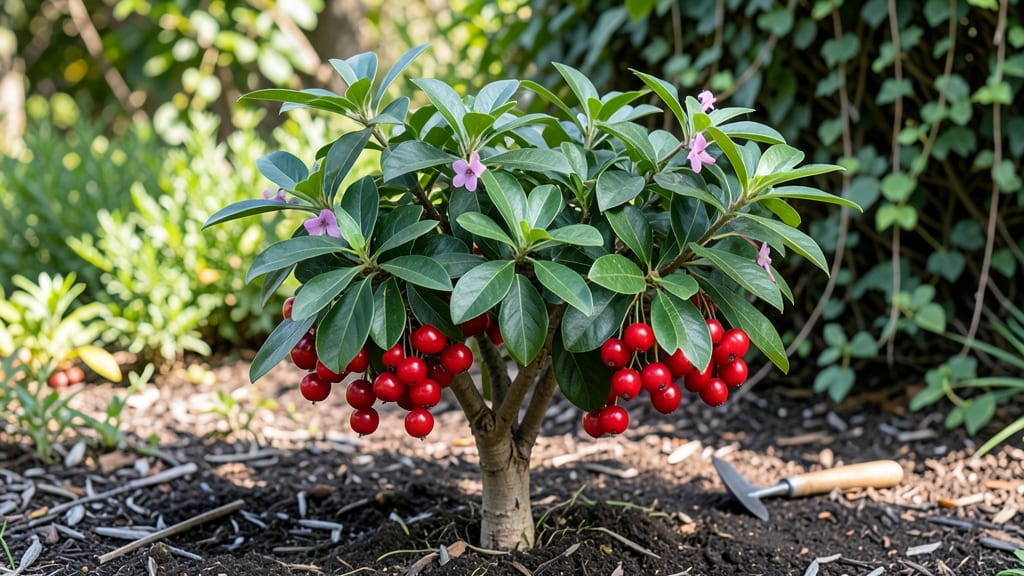
Growing a Barbados cherry tree in Arizona means you get sweet, tangy fruit without fighting the desert heat—just the right balance of sun, water, and smart care.
I’ve watched mine thrive in 100°F+ temps by mimicking its natural tropical habits, and the key is in the details: well-draining soil, strategic watering, and pruning to keep it compact.
The first time I tasted those bright red berries straight off the tree, I knew I’d cracked the code for Arizona fruit growing.
Your tree will need full sun (6+ hours daily) but protection from scorching afternoon rays, which means planting near a west-facing wall or using shade cloth in peak summer.
The soil should be sandy loam with organic matter—think 50% native Arizona soil, 30% compost, 20% perlite—to prevent root rot while holding just enough moisture.
Water deeply 2-3 times per week in summer, then taper to weekly once established, since these trees hate soggy roots but still need consistent moisture.
Pruning isn’t just about shape—it’s about survival. In spring, trim back any dead wood and thin out crowded branches to improve airflow, which cuts down on fungal issues. By late summer, give it a light haircut to prep for winter, though Arizona’s mild winters usually spare it frost damage.
The payoff? A tree that produces year-round fruit with minimal fuss, even in the hottest valleys.
Container growing works too—just use a 15-gallon pot with drainage holes and move it to shade during the worst heat. Watch for aphids or spider mites, which love dry air, and spray with neem oil if needed.
With these tweaks, your Barbados cherry will outperform even the hardiest citrus in Arizona’s climate.
📚 In This Guide
- What you need
- Instructions
- Tips and common mistakes
- Wrapping up and next steps
What you need
- ● Barbados cherry tree sapling (1–2 plants, 1–2 years old, Prunus serotina or P. caroliniana varieties recommended for AZ’s heat).
- ● Well-draining soil mix (50% native AZ soil + 50% compost or cactus/succulent mix).
- ● 5-gallon pot or planting hole (12–18" deep, 18–24" wide for saplings; larger for mature trees).
- ● Organic mulch (2–3 inches of wood chips, straw, or gravel to retain moisture and suppress weeds).
- ● Drip irrigation system or soaker hose (for deep, infrequent watering—critical in AZ’s dry climate!).
- ● Pruning shears (bypass pruners, sharp and sterilized, for shaping and maintenance).
- ● Gloves & long sleeves (thorn protection—Barbados cherries have sharp branches!).
- ● Fertilizer (low-nitrogen, slow-release formula like 10-10-10 or compost tea, applied 2x/year).
- ● Tree support stake (for young saplings in windy areas).
- ● Reflective mulch or shade cloth (to protect from intense afternoon sun during establishment).
- ● Soil moisture meter (to monitor drought stress—aim for dry but not bone-dry soil).
- ● Bird netting (if wildlife loves your cherries before you do!).
- ● Tree growth regulator (like Paclobutrazol, to control rapid growth in high-heat zones).
How to plant and care for a Barbados cherry tree in Arizona’s climate
This hardy fruit tree thrives in Arizona’s heat and drought—here’s how to set it up for success.
🪴 Step 1: Choose the Right Location and Prepare the Soil
Barbados cherry trees (Acerola) love full sun—select a spot that gets at least 6-8 hours of direct sunlight daily. In Arizona’s intense heat, afternoon shade helps prevent leaf scorch, but morning sun is critical for fruit production. Avoid low-lying areas where cold air pools, as these trees are frost-sensitive.
Test your soil’s drainage—Barbados cherries hate soggy roots. If your soil is heavy clay, amend it with 2-3 inches of coarse sand or gravel mixed into the top 12 inches of soil. The tree prefers slightly acidic to neutral soil (pH 5.5-7.0). If your soil is alkaline, add composted pine needles or sulfur to adjust the pH before planting.
🌱 Step 2: Plant at the Correct Depth and Spacing
Dig a hole twice as wide as the root ball but no deeper—planting too deep suffocates roots. Loosen the edges of the root ball if it’s tightly bound, then place the tree so the top of the root ball sits 1 inch above ground level. This prevents water from pooling around the stem, which can cause rot.
Space trees 10-15 feet apart to allow airflow and prevent disease. In Arizona’s dry climate, mulch the base with 2-3 inches of organic mulch (like wood chips or straw), keeping it 6 inches away from the trunk. Mulch retains moisture and regulates soil temperature—critical in both summer heat and winter chill.
☀️ Step 3: Water Deeply and Establish a Routine
Water deeply once a week during the first year to encourage deep root growth, then taper to every 10-14 days once established. In Arizona’s summer, young trees may need weekly deep watering until roots spread. Check moisture by sticking your finger 2 inches into the soil—if it’s dry, water again.
Use drip irrigation or a soaker hose to deliver water slowly at the base. Avoid overhead watering, which can spread fungal diseases. Once the tree is established (after 2-3 years), it becomes drought-tolerant, but consistent moisture yields better fruit production.
✂️ Step 4: Prune for Shape and Health
Prune in late winter or early spring before new growth begins. Remove dead, diseased, or crossing branches first, then thin out interior branches to improve airflow. Barbados cherries respond well to light pruning—never remove more than 25% of the canopy in one season.
Shape the tree into an open vase form to maximize sunlight exposure. Avoid heavy pruning in summer, as it stresses the tree during peak heat. After pruning, apply a balanced fruit tree fertilizer (10-10-10) to support recovery and fruit development.
🍒 Step 5: Protect and Harvest the Fruit
Barbados cherries ripen in late summer to fall, turning bright red when ready. Harvest by twisting gently or using pruning shears to avoid damaging branches. The fruit is highly perishable—use or process it within 2-3 days of picking for best flavor.
To extend the season, protect young trees from unexpected late frosts with frost cloth. In Arizona’s climate, mature trees handle heat well, but young specimens benefit from light shade cloth during extreme heat waves. With proper care, your tree will produce abundant fruit for decades.
Tips & tricks for perfect Barbados cherry tree planting in Arizona
Here's what nobody tells you about getting your Barbados cherry tree off to the right start in Arizona's brutal climate.
Sunlight Strategy: While the instructions call for 6-8 hours of direct sunlight, I’ve found that positioning your tree slightly west of south can be a game-changer in Arizona. The afternoon sun is intense, so having that slight western exposure means your tree gets the morning sun it needs for fruit production while avoiding the harshest afternoon rays that can cause leaf scorch. If you notice leaves curling or browning at the edges, it’s a clear sign you need to adjust the tree’s position or provide some afternoon shade.
Soil Preparation Insight: The instructions mention amending heavy clay soil with 2-3 inches of coarse sand or gravel, but I’ve learned that adding a handful of perlite to the planting hole can make an even bigger difference. Perlite improves aeration and drainage while also helping to regulate soil temperature—critical in Arizona’s extreme summer heat. Mix it thoroughly with the native soil before planting to create the ideal growing environment for your Barbados cherry.
Watering Wisdom: While the instructions specify watering deeply once a week during the first year, I’ve discovered that the real key is timing. Watering in the early morning—between 4 and 6 AM—allows the soil to absorb moisture before the heat of the day evaporates it. This method ensures the water reaches the roots where it’s needed most, rather than just sitting on the surface. For young trees, I also recommend checking the soil moisture twice a week during Arizona’s summer months, even if you’re following the weekly watering schedule.
Pruning Precision: When pruning in late winter or early spring, focus on creating an open vase shape that allows sunlight to penetrate to the center of the tree. The instructions mention not removing more than 25% of the canopy, but I’ve found that strategic pruning of just the interior branches can make a significant difference in fruit production. Remove any branches that are rubbing against each other, as these create wounds that can invite disease. Also, make sure your pruning cuts are clean and at a 45-degree angle just above a leaf node to encourage healthy regrowth.
Pro Tips for Barbados Cherry Tree Arizona
- Here's what nobody tells you about getting your Barbados cherry tree off to the right start in Arizona's brutal climate.
- Sunlight Strategy: While the instructions call for 6-8 hours of direct sunlight, I’ve found that positioning your tree slightly west of south can be a game-changer in Arizona.
- Perlite improves aeration and drainage while also helping to regulate soil temperature—critical in Arizona’s extreme summer heat.
Frequently asked questions
Got questions about growing a Barbados cherry tree in Arizona’s scorching climate? You’re not alone! Here are answers to the most common concerns—from pruning tips to drought survival strategies.
How drought-tolerant is the Barbados cherry tree in Arizona’s heat?
The Barbados cherry (Malpighia emarginata) is highly drought-resistant once established, thriving in Arizona’s USDA Zones 9–11. While young trees need consistent watering (every 1–2 weeks), mature trees survive on rainfall alone. Pro tip: Mulch heavily to retain moisture and reduce evaporation.
When is the best time to prune a Barbados cherry tree in Arizona?
Prune late winter or early spring (Jan–Feb) before new growth starts. Avoid pruning in summer to prevent stress from heat. Focus on removing dead, crossing, or overcrowded branches to improve airflow. Never prune after flowering—this reduces fruit yield.
Will my Barbados cherry tree produce fruit in Arizona’s climate?
Yes! With proper care, your tree will bear tart, cherry-sized fruits (not true cherries) year-round in Arizona’s warm winters. For best results, plant in full sun (6+ hours/day) and fertilize lightly in spring. Fun fact: Birds love them too—consider netting if you want to harvest!
What’s the best alternative if my Barbados cherry struggles in Arizona?
If your tree underperforms, try these drought-tolerant Arizona-friendly alternatives:
- Desert Apricot (Prunus armeniaca) – Cold-hardy but needs winter chill.
- Feijoa (Acca sellowiana) – Thrives in heat but needs well-draining soil.
- Pomegranate (Punica granatum) – Extremely low-maintenance and fruit-bearing.
Why are my Barbados cherry leaves turning yellow or dropping?
Yellow leaves usually signal overwatering, nutrient deficiency, or fungal issues. Check soil moisture (it should be dry 2–3 inches down) and adjust watering. If leaves curl or spot, prune affected branches and apply copper fungicide if needed. Preventative tip: Space trees 8–10 feet apart for airflow.
Wrapping up and next steps
Growing a Barbados cherry tree in Arizona is a fantastic way to add beauty, shade, and delicious fruit to your landscape—especially in drought-prone areas! 🌵 With its resilience, vibrant blooms, and low-maintenance care, this tree thrives in the desert climate while rewarding you with edible cherries.
Whether you're a seasoned gardener or just starting, now’s the perfect time to plant one and enjoy its benefits for years to come.
Ready to take the next step? Research local nurseries for healthy saplings, mark your calendar for the best planting season (fall or early spring), and start prepping your soil. Your future shade tree—and tasty harvest—awaits! 🌿