
Pruning
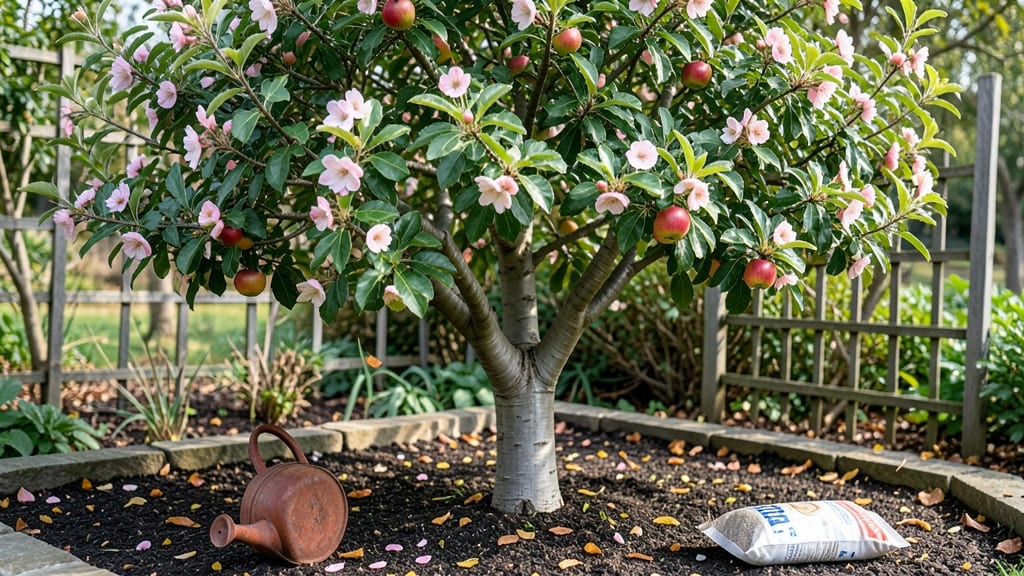
The Beverly Hills apple tree transforms any yard into a sun-drenched orchard without the space demands of full-size varieties. I planted mine last spring, and the way its glossy leaves shimmer against the stucco walls of my neighbors' homes?
Pure magic. This dwarf apple tree stays under 10 feet tall, making it perfect for small backyards, urban patios, or even large containers.
What makes it special isn’t just its compact size—it’s the year-round interest it brings. In spring, delicate pink blossoms perfume the air, summer delivers crisp apples (great for fresh eating or baking), and fall’s fiery foliage turns heads.
Unlike traditional apple trees, it thrives in USDA zones 5-9, so whether you’re in the desert or the Pacific Northwest, it adapts beautifully.
You’ll love how easy it is to maintain—just prune lightly after harvest to shape its natural vase form, and it rewards you with low-maintenance beauty. The apples ripen in late summer, and their sweet-tart flavor becomes the star of your fall table.
Plus, birds adore them, so expect a lively chorus of chirps in your garden.
Ideal for landscaping focal points, it pairs well with pergolas, patios, or even as a striking centerpiece in a courtyard. The key is planting it where it gets full sun (6+ hours daily) and well-draining soil.
With the right spot, this tree becomes the jewel of your outdoor space—no orchard required.
📚 In This Guide
- What you need
- Instructions
- Tips and common mistakes
- Wrapping up and next steps
What you need
- ● Dwarf Apple Tree: Beverly Hills variety (ensure it’s grafted for disease resistance; check local nurseries for rootstock options like M.9 or B.9).
- ● Planting Site: Full sun (6+ hours/day).
- ● Well-draining soil (amend with compost if needed).
- ● Space: 6–8 feet between trees (or 4–5 feet if espaliered).
- ● Pruning Tools: Bypass pruners (sharp, sterilized with rubbing alcohol).
- ● Loppers (for thicker branches, 1.5–2.5-inch cut capacity).
- ● Pruning saw (for stubborn branches >2 inches).
- ○ Support Structures (Optional but Recommended): Stakes & ties (for young trees).
- ● Espalier wires or trellis (if shaping into a fan or cordons).
- ● Soil Amendments: Compost (5–10 gallons per tree).
- ● Slow-release fertilizer (10-10-10 or organic options like fish emulsion).
- ● Mulch: Wood chips or straw (2–3 inches deep, keep 6 inches away from trunk).
- ● Timing: Prune in late winter/early spring (before buds swell) for best results.
- ● Safety: Wear gloves and protective eyewear when pruning—those branches can snap!
- ● Local Regulations: Check if your area requires permits for fruit tree planting.
Step-by-Step blueprint for cultivating a compact Beverly Hills apple tree
Here’s how to nurture a thriving, space-saving apple tree with a managed canopy—perfect for urban gardens or small yards.
🌱 Step 1: Select the Right Dwarf Rootstock and Variety
Choose a dwarf rootstock like M.9 or B.9 for compact growth—these stay under 8-10 feet tall, ideal for tight spaces. Pair it with a Beverly Hills variety (or similar cold-hardy, disease-resistant cultivar) that thrives in your climate zone. I always verify compatibility with local nurseries, as some dwarf varieties need specific pollinators for fruit set.
Plant in early spring when soil temperatures reach 50°F—this ensures roots establish before summer heat. Avoid late fall planting; young trees need time to harden off before winter. If your yard has heavy clay soil, amend with 2-3 inches of compost to improve drainage and aeration before planting.
☀️ Step 2: Site and Prepare the Planting Hole
Pick a location with 6-8 hours of full sun daily—apple trees need abundant light for strong growth and fruit production. The hole should be twice as wide as the root ball but only as deep—this prevents burying the graft union, which can cause disease or stunted growth.
Loosen the soil at the bottom of the hole with a shovel or trowel to encourage root spread. If your soil is sandy, mix in 1-2 gallons of organic matter (like peat moss or compost) to retain moisture. Avoid fertilizing at planting—you’ll wait until new growth appears in spring before adding nutrients.
🪴 Step 3: Plant and Stake for Stability
Place the tree in the hole so the graft union sits 2-3 inches above soil level. This protects against rot and ensures the dwarf variety maintains its compact form. Backfill with native soil, tamping gently to remove air pockets but avoiding compaction.
Install a 4-5 foot stake on the prevailing wind side and secure the tree with a soft tree tie (never wire or twine—it cuts into bark as the tree grows). Water deeply to settle the soil, then mulch with 2-3 inches of wood chips in a 3-foot radius, keeping mulch 6 inches away from the trunk to prevent rot.
✂️ Step 4: Prune for a Balanced Canopy
Prune in early spring before buds swell to shape the tree’s structure. Remove dead, crossing, or inward-growing branches first—these compete for energy and block light. For a central leader form, keep the strongest upward branch and prune side branches to half their length to encourage outward growth.
Thin the canopy to allow sunlight to reach the center—apples need light on all sides for even ripening. Avoid heavy pruning in the first year; focus on removing no more than 25% of the foliage. Use clean, sharp pruners and seal larger cuts with pruning sealant to prevent disease entry.
💧 Step 5: Water and Fertilize for Long-Term Health
Water deeply once a week during the first growing season, providing 10-15 gallons per tree to encourage deep root growth. Let the soil dry slightly between waterings—soggy roots invite rot. In established trees, water every 10-14 days unless drought stress appears (wilting leaves or cracked soil).
Fertilize in early spring with a balanced 10-10-10 formula, applying ½ pound per inch of trunk diameter. Spread granules 6 inches from the trunk and water thoroughly to activate them. Avoid high-nitrogen fertilizers in late summer—they promote tender growth vulnerable to frost damage.
Tips & tricks for perfect Beverly Hills apple tree cultivation
These expert insights will help you avoid common pitfalls and maximize your compact apple tree's potential.
Rootstock and Variety Selection: When choosing between M.9 and B.9 rootstocks, consider your climate. M.9 thrives in warmer regions but may need staking for wind protection, while B.9 handles cooler climates better. I've found that verifying pollinator compatibility at local nurseries prevents fruit set failures—some dwarf varieties are self-sterile and require cross-pollination.
Pruning Precision: During your early spring pruning in Step 4, focus on creating an open center that allows sunlight to reach all branches. I recommend using a 3-cut method for larger branches: make the first cut 6-12 inches out from the trunk, then the second cut just outside the branch collar, and finally the third cut to remove the branch. This technique prevents bark tearing and promotes faster healing.
Watering Strategy: The 10-15 gallons per week during the first growing season might seem like a lot, but it's crucial for establishing deep roots. I've seen many gardeners overwater, leading to root rot. Instead, water deeply but infrequently—aim for moist soil 6 inches below the surface. A moisture meter helps track this without guesswork.
Long-Term Health Maintenance: For established trees, the 10-14 day watering schedule works well, but monitor leaf color as your indicator. Yellowing leaves signal underwatering, while dark green leaves suggest overwatering. I've also found that applying compost annually around the drip line (the edge of the tree's canopy) improves soil structure and reduces fertilizer needs over time.
Pro Tips for Beverly Hills Apple Tree
- These expert insights will help you avoid common pitfalls and maximize your compact apple tree's potential.
- Rootstock and Variety Selection: When choosing between M.9 and B.9 rootstocks, consider your climate.
- Pruning Precision: During your early spring pruning in Step 4, focus on creating an open center that allows sunlight to reach all branches.
Frequently asked questions
Got questions about growing a Beverly Hills apple tree with a compact canopy? Here are some common queries—and answers—to help you cultivate success!
What’s the best time to prune a Beverly Hills apple tree for dwarf growth?
The ideal time is late winter or early spring (before buds swell) or summer after harvest. Avoid pruning in fall—it invites disease. For dwarf varieties, prioritize light shaping to maintain a small canopy while ensuring airflow. Use sharp tools to minimize stress!
How often should I prune a Beverly Hills apple tree to keep it dwarf-sized?
Prune annually in late winter/early spring, with a light touch (remove only 10–20% of growth). Focus on:
- Thinning out crossing branches to prevent crowding.
- Cutting back suckers (shoots from the base).
- Shaping to encourage upward growth (dwarf trees need vertical support).
Why are my Beverly Hills apple tree’s leaves yellowing after pruning?
Yellowing leaves often signal over-pruning or nutrient stress. If you cut too aggressively:
- Apply a balanced fertilizer (10-10-10) in early spring.
- Water deeply 1–2 times per week (dwarf trees have smaller root systems).
- Check for pests (aphids, mites) or fungal issues (like apple scab).
Can I grow a Beverly Hills apple tree in a container? How?
Yes! Dwarf varieties thrive in containers (minimum 15–20 gallon pot). Use:
- A well-draining mix (60% potting soil, 30% compost, 10% perlite).
- A large container with drainage holes (terracotta or fabric pots work best).
- Repot every 2–3 years to refresh soil and roots.
Are Beverly Hills apples self-pollinating? Do I need more than one tree?
Beverly Hills apples are partially self-pollinating, but planting a second variety (like Gala or Fuji) 50 feet away boosts fruit set. If space is tight, consider a pollination partner in a container nearby. Cross-pollination improves flavor and yield!
Wrapping up and next steps
Growing a Beverly Hills apple tree in a compact space is totally doable with the right dwarf variety and pruning techniques! 🌳 By mastering the art of shaping its canopy, you’ll enjoy fresh, homegrown apples without sacrificing your yard’s aesthetics.
Whether you’re a pruning pro or just starting out, this blueprint gives you the confidence to nurture a thriving, space-efficient orchard.
Ready to take the next step? Start small—pick a sunny spot, grab your tools, and give your tree the love it deserves! Your future harvest (and Instagram-worthy garden) awaits.