
Pruning
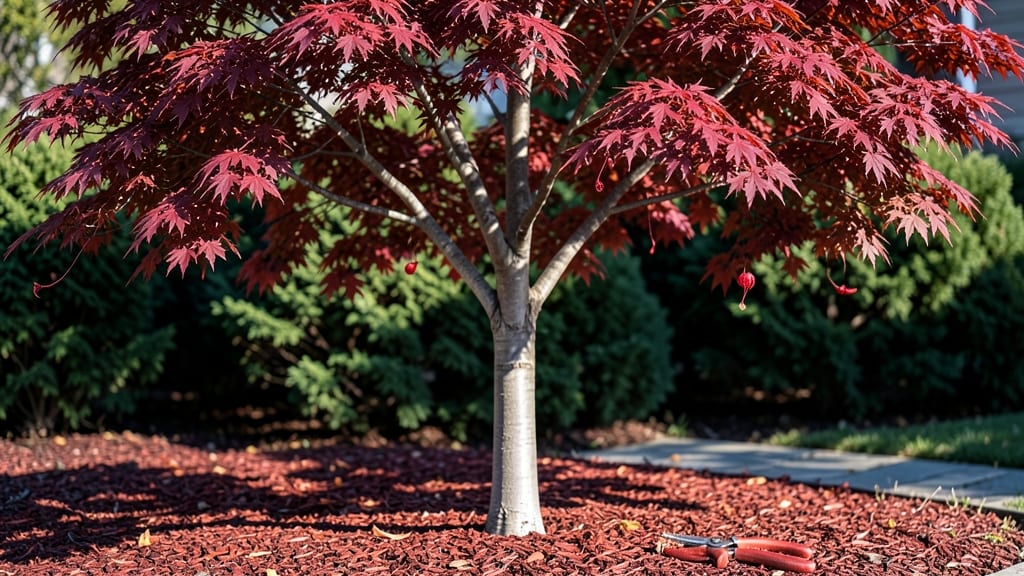
The blood maple tree transforms any yard into a four-season masterpiece with its fiery red foliage and striking bark. I planted mine last spring, and every autumn, neighbors stop to admire its bold crimson leaves that outshine anything I’ve seen before.
This cold-hardy tree thrives where others struggle, making it the perfect choice for northern climates or urban yards with limited space.
Start with well-draining soil and a spot that gets full sun to partial shade—this tree loves both. Water deeply after planting, then let nature take over; once established, it handles drought surprisingly well.
The key is pruning young branches to encourage a strong, balanced shape, and avoiding heavy cuts that stress the tree. With minimal effort, you’ll end up with a tree that’s both a landscape star and a wildlife magnet.
By summer’s end, you’ll watch the leaves turn from bright green to that signature deep red, and in winter, the peeling bark adds texture that’s pure eye candy.
This isn’t just a tree—it’s a year-round conversation piece that grows with your yard. Ready to plant one that steals the show in every season?
Whether you’re a first-time gardener or a seasoned landscaper, the blood maple’s adaptability makes it a foolproof choice. Just give it room to stretch its branches—these trees can grow 40–50 feet tall, but their slow growth means you won’t outpace them anytime soon. Let’s get growing!
📚 In This Guide
- What you need
- Instructions
- Tips and common mistakes
- Wrapping up and next steps
What you need
- ● Pruning shears: Bypass pruners (sharp, clean, and sterilized with rubbing alcohol) for small branches (up to ½ inch thick).
- ● Loppers: 1 pair (for branches ½ to 1½ inches thick).
- ● Pruning saw: 1 handheld saw (for thicker branches 1½+ inches).
- ● Extension pole: 1 (6–10 ft) to reach higher branches safely.
- ● Gloves: Heavy-duty work gloves (cut-resistant for protection).
- ● Disposable pruning bags: 2–3 (to collect debris and prevent disease spread).
- ● Rubbing alcohol (70%+) or bleach solution: For sterilizing tools between cuts.
- ○ Ladder (optional but helpful): Sturdy, extendable ladder (if tree is over 10 ft tall).
- ● Tree wound dressing: Pruning sealant (controversial but useful for large cuts >2 inches).
- ● Marking spray: Non-toxic paint or tape to flag branches for removal.
- ● Safety goggles: To shield eyes from debris.
- ● First-aid kit: For minor cuts or scrapes.
- ● Weather check: A quick glance at the forecast—prune on a dry, calm day!
Step-by-step instructions for planting and caring for blood maple saplings
Here’s my foolproof method for establishing these stunning trees that deliver vibrant foliage and year-round interest.
🌱 Step 1: Select and Prepare the Planting Site
Blood maples thrive in full sun to partial shade, so choose a location with at least 6 hours of direct sunlight daily. They tolerate a range of soil types but prefer well-draining, slightly acidic soil with a pH between 5.0 and 7.0. If your soil is heavy clay or compacted, amend it with 2-3 inches of compost mixed into the top 12 inches of soil before planting.
Dig a hole twice as wide as the sapling’s root ball but no deeper. The top of the root ball should sit 1-2 inches above ground level—this prevents water from pooling around the roots and causing rot. Loosen the sides of the hole with a shovel to encourage root spread into the surrounding soil.
🪴 Step 2: Plant the Sapling with Proper Spacing and Support
Gently remove the sapling from its container and loosen any circling roots with your fingers. Position it in the hole so the root flare (where the roots meet the trunk) is visible above the soil line. Blood maples need 20-30 feet of spacing between trees to develop their full canopy without competition. For smaller landscapes, consider a dwarf cultivar like ‘Armstrong’ or ‘Autumn Fantasy’, which mature at 15-20 feet tall.
Backfill the hole with native soil, tamping down gently in 2-inch layers to eliminate air pockets. Water deeply to settle the soil around the roots. Install a stake and tree tie if the sapling is top-heavy or in a windy location—secure it loosely enough to allow trunk movement, which strengthens the wood over time.
☀️ Step 3: Water and Mulch for the First Critical Year
Water the sapling deeply once a week for the first 12 months, providing 10-15 gallons of water per tree. Check soil moisture by inserting your finger 2 inches deep—water when it feels dry. Overwatering is a common mistake; soggy soil suffocates roots. Mulch the base with 3 inches of organic mulch (like wood chips or shredded bark), keeping it 6 inches away from the trunk to prevent rot.
Replace mulch annually in early spring, adding another 1-2 inches to maintain coverage. This conserves moisture, regulates soil temperature, and suppresses weeds—all critical for young trees still establishing their root systems. Avoid synthetic mulches, which can trap heat and damage shallow roots.
✂️ Step 4: Prune for Structure and Health in Early Spring
Prune your blood maple in late winter or early spring, just as buds begin to swell but before new growth starts. Remove any dead, diseased, or crossing branches first, cutting back to the branch collar (the swollen area where the branch meets the trunk). Thin out 20-30% of the canopy to improve airflow and sunlight penetration, focusing on branches that rub against each other or grow inward.
Never remove more than 25% of the canopy in a single year—this stresses the tree and can lead to dieback. Use clean, sharp pruning shears to make cuts at a 45-degree angle just outside the branch collar. Sterilize your tools with rubbing alcohol between cuts to prevent spreading disease. Blood maples respond well to pruning but don’t require heavy shaping; let their natural form develop for maximum beauty.
🌿 Step 5: Monitor for Pests and Adjust Care Seasonally
Blood maples are generally pest-resistant, but watch for aphids, scale, or maple borers—common issues in stressed trees. Treat infestations early with neem oil or insecticidal soap, applying in the early morning or evening to avoid harming beneficial insects. Avoid chemical pesticides, which can damage the tree’s natural defenses and harm pollinators.
In winter, protect young saplings from deicing salt if planted near driveways or walkways. Apply a 2-inch layer of mulch in late fall to insulate roots from freezing temperatures. Mature trees handle cold well, but saplings benefit from burlap wraps if your winters drop below -10°F. Fertilize only if the tree shows signs of nutrient deficiency, like yellowing leaves—use a balanced, slow-release fertilizer in early spring at half the recommended rate for young trees.
Tips & tricks for perfect blood maple tree planting
These practical insights will help you avoid common pitfalls and give your blood maple sapling the best possible start in life.
Soil Preparation: When amending heavy clay soil with compost, mix it into the top 12 inches of soil before planting. This creates a loose, aerated root zone that prevents compaction. I've seen saplings struggle when planted directly into unamended clay—roots can't spread properly, leading to stunted growth. For even better drainage, consider adding a handful of perlite to the backfill soil if your area gets heavy rainfall.
Planting Depth: Position the sapling so the root flare sits 1-2 inches above ground level—this is crucial for preventing rot. I learned this the hard way when my first sapling developed fungal issues from being planted too deep. The root flare is where critical root growth happens, so keeping it visible ensures proper oxygen flow and prevents waterlogging.
Watering Strategy: The once-weekly watering guideline assumes average rainfall. In hot, dry summers or windy conditions, you may need to water every 4-5 days instead. Always check soil moisture 2 inches deep—if it feels dry, water thoroughly. Overwatering is just as harmful as underwatering; soggy soil suffocates roots and invites fungal diseases.
Seasonal Care: In winter, if your area experiences temperatures below -10°F, protect young saplings with burlap wraps. I've seen many gardeners skip this step, only to find their trees damaged by cold snaps. The wraps don't need to be fancy—simple burlap secured loosely around the trunk works perfectly. Remove them in early spring once temperatures stabilize above freezing.
Pro Tips for Blood Maple Tree
- These practical insights will help you avoid common pitfalls and give your blood maple sapling the best possible start in life.
- Soil Preparation: When amending heavy clay soil with compost, mix it into the top 12 inches of soil before planting.
- Planting Depth: Position the sapling so the root flare sits 1-2 inches above ground level—this is crucial for preventing rot.
Frequently asked questions
Got questions about growing and caring for your blood maple tree? You’re not alone—this stunning tree has unique needs! Here are answers to the most common queries to help you nurture a thriving sapling.
What’s the best time of year to plant a blood maple tree?
The ideal window is early spring or fall when temperatures are mild (50–70°F). Planting in spring lets roots establish before summer heat, while fall avoids winter dormancy stress. Avoid planting in extreme cold or peak summer—roots need time to adapt!
How cold-hardy is a blood maple tree, and can it survive winter?
Blood maples are zoned 4–8, meaning they tolerate temps down to -30°F. Young trees may need winter protection (mulch, burlap wraps) for the first few years. Once established, they’re resilient—just ensure good drainage to prevent frost heave.
When and how should I prune a blood maple?
Prune in late winter or early spring (before buds swell) to remove dead/diseased branches. Use clean, sharp tools to make angled cuts just above a bud. Avoid heavy pruning—blood maples have slow wound healing; limit cuts to <10% of the canopy per year.
Why are the leaves on my blood maple turning brown or yellow?
Brown/yellow leaves often signal stress. Check for:
- Underwatering (dry soil = crispy edges).
- Overwatering (soggy roots = yellowing).
- Pests/disease (aphids, fungal spots).
- Nutrient deficiency (pale leaves = iron/magnesium needs).
Are there dwarf or columnar varieties of blood maple?
While blood maples aren’t typically dwarf, you can find smaller cultivars like ‘Royal Purple’ (compact growth) or ‘Autumn Flame’ (slower-spreading). For tight spaces, consider Japanese maples (e.g., ‘Bloodgood’)—they offer similar drama in mini form!
Wrapping up and next steps
The blood maple tree is a stunning, low-maintenance addition to any landscape, offering vibrant foliage and year-round interest. With the right pruning techniques, proper tools, and seasonal care, you can cultivate a thriving sapling that will reward you with dramatic color shifts and resilience for decades. 🌿
Ready to transform your outdoor space? Start by selecting a healthy sapling and following the steps outlined above—your future autumn masterpiece is just a few cuts away! For extra inspiration, explore local nurseries or consult a certified arborist to tailor care to your climate.