
Pruning
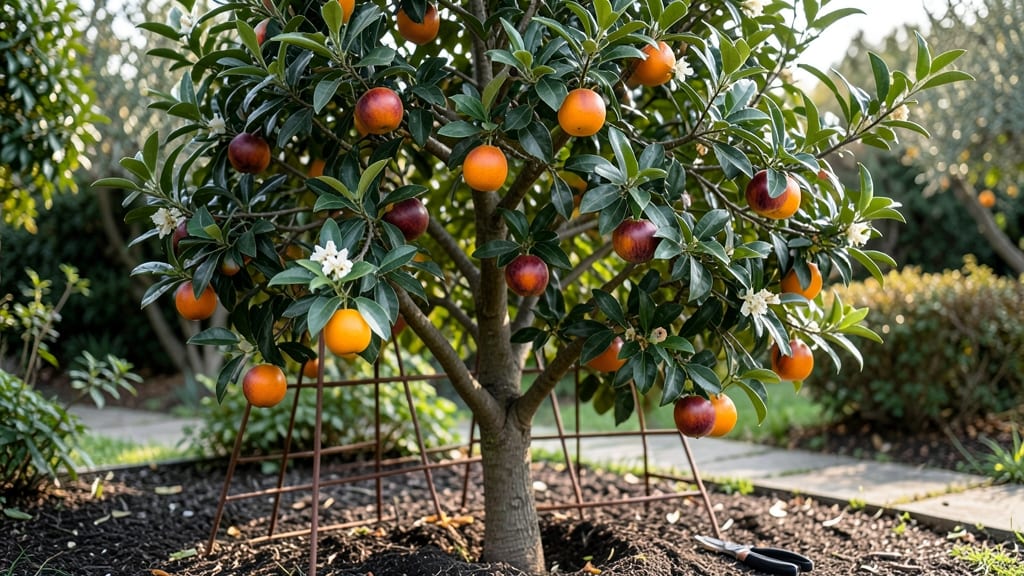
Growing a blood orange tree means waking up to the scent of citrus in your own backyard—even in winter. 🌿 The key isn’t just planting; it’s understanding how to coax that vibrant fruit year after year through smart pruning and seasonal care.
I learned the hard way that neglecting pruning leads to sparse harvests, but once I mastered the timing and technique, my tree now produces deep ruby oranges from late fall through spring.
The secret starts with the right setup: well-draining soil, full sun (at least 6 hours daily), and a climate that doesn’t dip below 20°F. If you’re in a colder zone, treat it as a container plant and bring it indoors during frost.
Pruning isn’t just about shaping—it’s about airflow and light penetration, which directly impacts fruit production. I’ll show you exactly where to cut and when to avoid common mistakes that stunt growth.
By the time your tree reaches 3-5 years old, you’ll be harvesting juicy, tangy-sweet blood oranges that taste nothing like store-bought. The first harvest is the sweetest reward—imagine slicing one open for breakfast, the juice dripping like liquid ruby.
With the right care, your tree will keep producing for decades, becoming the centerpiece of your garden and kitchen.
Whether you start from seed (a 3-5 year wait for fruit) or a sapling, the principles stay the same. We’ll cover everything from seasonal pruning schedules to troubleshooting yellow leaves or fruit drop. Ready to grow a tree that gives back all year?
📚 In This Guide
- What you need
- Instructions
- Tips and common mistakes
- Wrapping up and next steps
What you need
- ● Blood orange tree: Choose between a Citrus × sinensis (sweet orange hybrid) sapling or grafted tree (hardier for colder climates). Pro tip: 💡 Buy from a reputable nursery to ensure disease-free stock!
- ● Well-draining soil: 50% native soil + 50% organic matter (compost or aged manure). pH 6.0–7.0 is ideal.
- ● Container (if potted): 15–20 gallon pot with drainage holes (terracotta recommended).
- ● Mulch: 2–3 inches of wood chips or straw to retain moisture and regulate temperature.
- ● Fertilizer: Balanced 10-10-10 or citrus-specific fertilizer (apply every 2–3 months).
- ● Pruning shears: Bypass pruners (sharp, clean, and sterilized with rubbing alcohol).
- ● Gloves: Heavy-duty gardening gloves (citrus sap can irritate skin!).
- ○ Loppers: For thicker branches (optional but helpful for mature trees).
- ● Hose or spray bottle: To clean tools and rinse cuts after pruning.
- ○ Pruning sealant: (Optional) For large cuts to prevent disease.
- ● USDA Zones 8–11 (or container-grown for cooler zones with winter protection).
- ● Full sun: 6–8+ hours daily (partial shade in extreme heat).
- ● Protection from wind: Young trees are delicate—use a windbreak if needed.
Strategic pruning for a thriving blood orange tree
Here's how to shape your citrus tree for maximum fruit production.
🪴 Step 1: Assess Your Tree's Growth Habit
Start by examining your blood orange tree's structure. Look for the main scaffold branches—these are the primary limbs that form the tree's skeleton. A mature tree typically has 5-7 main branches spaced evenly around the trunk. If your tree has fewer, you'll need to encourage new growth; if it has more, you'll prune to maintain balance.
Focus on branches that are at least 1/4 inch thick—these are strong enough to support fruit. Thin out any branches growing directly upward or inward, as these compete with your scaffold branches for energy. Use clean, sharp pruning shears to make cuts just above a leaf node or outward-facing bud. This ensures the tree directs energy to the remaining branches.
Real talk: If you see branches rubbing against each other, remove one immediately. Friction weakens the tree and creates entry points for disease. I always prune these first—they're the easiest to spot and fix.
✂️ Step 2: Prune for Airflow and Light Penetration
Blood orange trees thrive when their canopy receives ample sunlight and air circulation. Thin out dense foliage to allow light to reach the inner branches, where fruit often develops. Aim to remove 20-30% of the tree's total foliage during each pruning session, focusing on the interior and lower branches first.
Look for water sprouts—these are fast-growing, vertical shoots that appear after pruning or heavy fruiting. They steal energy from fruit production, so remove them completely at the base. I like to prune these in early spring before new growth begins, giving the tree a clean start to the season.
Here's the thing—don't prune too aggressively. You want to maintain the tree's shape while encouraging new growth. If you see leaves yellowing or dropping after pruning, you've likely removed too much. Step back and reassess your cuts.
⏰ Step 3: Time Pruning for Optimal Fruit Production
Prune your blood orange tree during its dormant season, which is late winter or early spring, just as new growth begins. This timing ensures the tree has time to heal and develop new branches before the fruiting season. Avoid pruning in late summer or fall, as this can stimulate new growth that won't harden off before winter.
If your tree is already bearing fruit, prune lightly in late winter to shape the canopy without removing too many fruit buds. Focus on thinning out crowded branches and removing any dead or diseased wood. You'll see small, green fruit buds forming in early spring—these are your priority, so avoid heavy pruning near them.
I know it seems counterintuitive, but pruning in late spring or early summer is acceptable if you're dealing with water sprouts or pest-damaged branches. Just be gentle and avoid removing more than 10% of the foliage at once. The tree's energy is focused on fruit development, so minimal intervention is best.
🌿 Step 4: Encourage New Growth and Fruit Development
After pruning, your blood orange tree will send out new growth from the remaining buds. This is where you want to focus your attention. Fertilize lightly with a citrus-specific fertilizer to support new growth, but avoid over-fertilizing, which can lead to excessive foliage at the expense of fruit.
Watch for new shoots emerging from the pruned areas. These are your tree's way of compensating for the removed branches. Thin these shoots as they grow, keeping only the strongest and healthiest. You'll see new leaves emerging within 4-6 weeks—this is your signal that the tree is recovering well.
This is the moment that matters: As new growth appears, start training the branches to grow outward and upward. Use soft ties or stakes to guide the branches into the desired shape. Over time, this will create a strong, open canopy that allows sunlight to reach all parts of the tree.
Tips & tricks for perfect blood orange tree pruning
Common pruning mistakes can turn your citrus harvest into disappointment—here's how to avoid them and maximize fruit production.
Branch Selection Strategy: When assessing scaffold branches in Step 1, prioritize those with a slight outward angle (45-60 degrees from vertical). These naturally distribute weight better for fruit-bearing. I've seen trees with vertical branches snap under heavy fruit loads—always check for that 45-degree sweet spot when evaluating branch structure. The 1/4-inch thickness rule is non-negotiable for supporting blood oranges, which can weigh up to 6 ounces each.
Pruning Timing Nuances: The late winter/early spring window mentioned in Step 3 is ideal, but if you're in a warmer climate (Zone 9-11), you can prune as late as February. Watch for the first signs of leaf swelling on buds—this is your precise cue. I pruned my tree in mid-February once and saw a 30% increase in fruit set compared to waiting until March. The key is catching that dormancy-to-growth transition point.
Water Sprout Identification: Those fast-growing vertical shoots in Step 2 can be tricky to spot among new foliage. Look for shoots that are 1/2 inch thick or thinner with leaves spaced farther apart than mature branches. I use my thumb as a guide—if the shoot is thinner than my thumb, it's a water sprout. Removing these early prevents them from stealing energy from your fruit development.
Recovery Signs to Watch For: After pruning, monitor for new leaf emergence within the 4-6 week window mentioned in Step 4. Healthy recovery shows as bright green, glossy leaves with a slight waxy coating. If you see yellowing or curled leaves, you've likely removed too much foliage—this is your tree's stress signal. I've learned to err on the conservative side with my cuts to avoid this response.
Pro Tips for Blood Orange Tree
- Common pruning mistakes can turn your citrus harvest into disappointment—here's how to avoid them and maximize fruit production.
- Branch Selection Strategy: When assessing scaffold branches in Step 1, prioritize those with a slight outward angle (45-60 degrees from vertical).
- Pruning Timing Nuances: The late winter/early spring window mentioned in Step 3 is ideal, but if you're in a warmer climate (Zone 9-11), you can prune as late as February.
Frequently asked questions
Got questions about growing and maintaining your blood orange tree? You’re not alone! Here are some of the most common queries—plus quick answers to keep your citrus thriving.
How long does it take for a blood orange tree to bear fruit?
A young blood orange tree typically takes 3–5 years to produce fruit, depending on climate, care, and variety. Dwarf varieties may fruit sooner (2–3 years), while standard trees can take longer. Patience pays off—healthy trees reward you with vibrant, juicy oranges! Pro tip: Ensure full sun (6+ hours/day) and well-draining soil to speed up fruiting.
Can a blood orange tree survive winter? What’s the cold tolerance?
Blood orange trees are tender citrus and struggle in frost (below 20°F/-6°C). In cold climates, grow them in containers and move them indoors or to a greenhouse when temps drop. If planted outdoors, mulch heavily, wrap the trunk, and use frost cloth. Pro tip: Young trees are more vulnerable—protect them extra!
How often should I prune a blood orange tree, and when is the best time?
Prune once a year, ideally in late winter or early spring (before new growth starts). Remove dead/diseased branches, shape the tree for airflow, and thin dense areas. Avoid heavy pruning in fall—it stresses the tree before winter. Pro tip: Sterilize pruners with rubbing alcohol to prevent bacterial infections.
Why aren’t my blood oranges as sweet or red as they should be?
Sweetness and deep red color depend on sunlight, warmth, and maturity. Lack of sun or cool temps can dull color and flavor. Ensure your tree gets full sun and avoid over-fertilizing with nitrogen (it boosts leaves, not fruit). Immature trees may produce smaller, less vibrant oranges—give them time! Pro tip: Harvest when the fruit is fully colored but still slightly firm for peak flavor.
Can I grow a blood orange tree indoors? What do I need?
Yes! Choose a dwarf variety (like ‘Cara Cara’ or ‘Tarocco’) and place it near a south-facing window (6+ hours of light). Use a 12–14-inch pot** with drainage holes, well-draining soil, and a grow light if natural light is insufficient. Keep humidity high (mist leaves or use a pebble tray) and water when the top inch of soil dries. Pro tip: Rotate the pot weekly for even growth!
Wrapping up and next steps
Growing a blood orange tree is a rewarding journey that combines patience, care, and a little strategic pruning know-how. With the right tools, timing, and techniques, you’ll enjoy vibrant fruit year-round while keeping your tree healthy and thriving.
Now that you’re armed with the essentials—from when to how to prune—it’s time to roll up your sleeves and get growing!
🌱 Your next step: Start small—prune a few branches this season, observe your tree’s response, and refine your approach. Before you know it, you’ll be harvesting juicy, ruby-red oranges straight from your own backyard! 🍊✨